







How does the K72 method shape Kenya coffee flavor?
Kenya borders Ethiopia but built its coffee industry separately, starting when the British introduced the crop in the 19th century. Scott Laboratories later selected SL28 and SL34, and the K72 double washed method uses repeated fermentation. The result is intense acidity reminiscent of cherry tomatoes and dark plums, sharper and heavier than the softer citrus acidity typical of Ethiopian coffee.
Kenya's auction trading system sets how lots reach buyers, and the coffee grading system uses labels such as AA, AB and PB to sort beans by size. Front Street Coffee also presents the roasting curve, cupping flavors and V60 pour-over parameters for its Kenya Asaliya beans, so drinkers can see how processing, grade and brew method connect in the cup.
Kenya borders Ethiopia, yet it has taken a completely different path in coffee development. From the British introduction of coffee in the 19th century, to the Scott Laboratories' selection and breeding of SL28 and SL34, and then to the repeated fermentation process of the K72 double washed method, Kenyan coffee is famous for its intense acidity reminiscent of cherry tomatoes and dark plums. Front Street Coffee systematically reviews the historical context of Kenyan coffee, its auction trading system, the distribution of major producing regions and variety characteristics, and explains in detail the grading standards such as AA, AB, and PB. This article also presents the roasting curve, cupping flavors, and V60 pour-over parameters of Front Street Kenya Asaliya coffee beans, helping coffee enthusiasts gain a comprehensive understanding of the unique charm of this African producing country.
For more specialty coffee knowledge, please follow the WeChat official account: Front Street Coffee (FrontStreet Coffee)
Front Street Coffee (FrontStreet Coffee) has previously systematically reviewed the African coffee producing country of Ethiopia, and this time we will talk in detail about Kenya, which is also located in Africa. The two countries are neighbors, and after comparison, Front Street Coffee (FrontStreet Coffee) found that their most similar point is that their flavors both focus on acidity expression. However, the acidity of Front Street Ethiopian coffee tends toward a softer route, presenting a clear citrus and lemon-like transparency, while the acidity of Front Street Kenyan coffee comes more fiercely, with a heavy acidity of cherry tomatoes and dark plums that rushes straight at the taste buds.
From a geographical perspective, Kenya is right next to Ethiopia, the birthplace of coffee, but it did not naturally develop a coffee industry by relying on this advantage. In fact, Kenya had to wait until the 19th century for the British to introduce coffee.
Front Street Coffee (FrontStreet Coffee) summarizes the process by which Kenyan coffee gradually built its own development system into the following key milestones:
In 1883, the British brought coffee to Kenya (in the same year, the French introduced coffee to Yunnan; the starting time was the same, but the subsequent directions were very different).
In 1922, Kenya established the Scott Agricultural Laboratories (Scott Labs, from which the names SL28 and SL34 come), specializing in coffee cultivation research. Over the following decade or so, researchers selected SL28 and SL34, suitable for local producing regions, from 42 coffee varieties, laying a solid foundation for the industry. To this day, these two varieties account for 90% of Kenya's coffee planting area.
In 1931, the Kenya Planters Co-operative Union and the Kenya Coffee Board were established one after another, providing guidance for the coffee industry from both civilian and government levels.
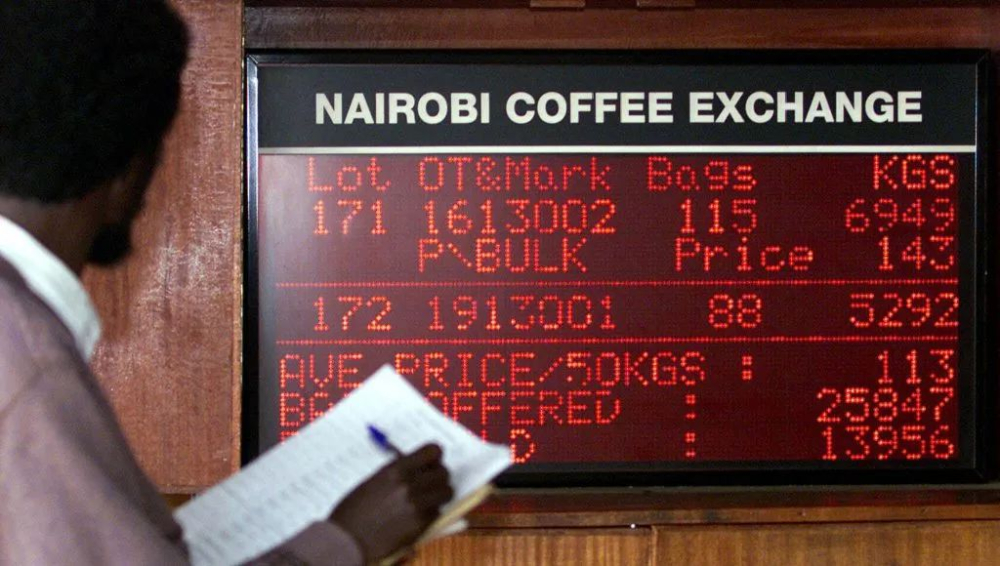
In 1937, the Nairobi Coffee Exchange was established, and Kenya's coffee auction system was launched. High-quality coffee could sell for a good price, setting a benchmark for the price system.
In 1938, the Kenyan government introduced a coffee grading system, namely the familiar standards such as AA, AB, and PB. This system began to provide a basis for judging the quality of Kenyan coffee.
K72 Processing Method
In addition to the milestones mentioned above by Front Street Coffee (FrontStreet Coffee), the achievements of Front Street Kenyan coffee today are also inseparable from the application of the K72 processing method. This method is an extension of the ordinary washed method, causing the coffee bean quality to show obvious differences. Some people prefer its intense acidity, while others find it hard to adapt to. The natural method, also called the dry method, is to dry the fruit directly in the sun after picking, and then separate the beans. Although this method saves labor, defective beans are inevitably produced during the sun-drying process (possibly caused by insufficient or excessive drying, so the coffee fruit must be constantly turned by hand). The biggest difference of the washed method is that after picking, it does not save labor: the pulp is removed directly and then dried. This means investment in machinery and equipment is required, but what is gained in return is higher-quality coffee beans.
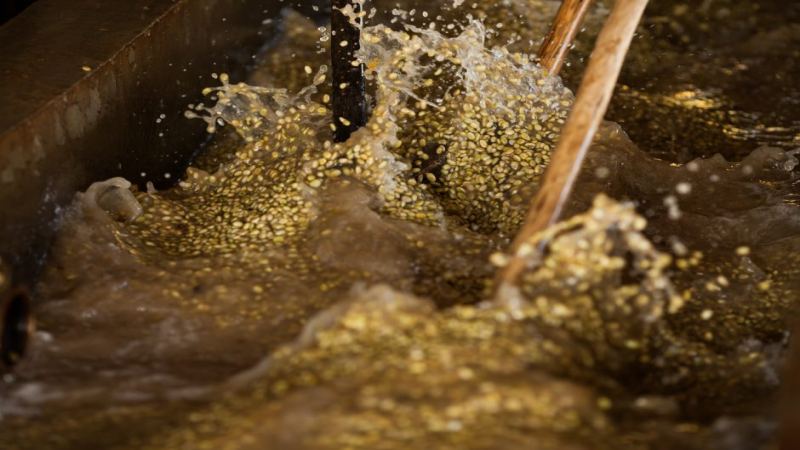
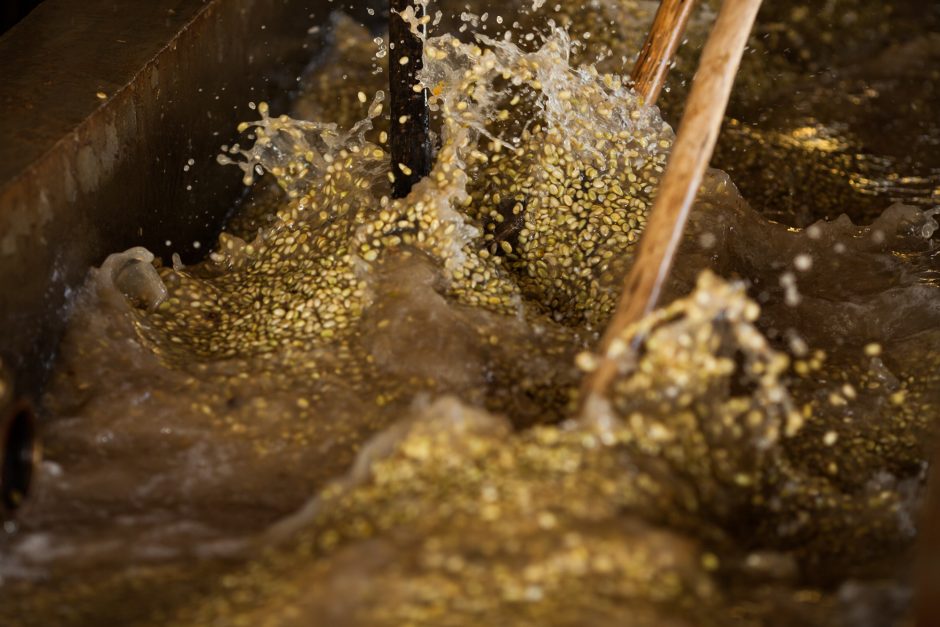
Kenya's 72-hour processing method, abbreviated as the K72 processing method. At harvest, ripe fruit with a sweetness level of 21 is selected, the best fruit is screened and pulped, placed in a tank to soak and ferment for 24 hours, with clean river water used in the tank; after 24 hours it is washed, then soaked in clean river water to ferment for another 24 hours, then washed again, then fermented again, repeating this 3 times, for a total fermentation time of 72 hours. Ordinary washed fermentation usually lasts no more than 36 hours at most. This repeated process of fermenting, washing, and repeating gives Front Street Kenyan coffee beans an intense acidity and delicate mouthfeel.
The time required for the fermentation procedure is affected by many factors; the higher the ambient temperature, the faster the fermentation. But after fermenting for some time, the washed process has already removed most of the pectin, and then the beans are placed in a lower clean water tank for a second fermentation. It should be noted that during fermentation, the circulating water must be changed every few hours to prevent the coffee beans from becoming foul-smelling.
Kenya Auction System Front Street Coffee (FrontStreet Coffee) has been exposed to coffee cultivation since first entering the coffee industry, and Front Street Coffee (FrontStreet Coffee) also owns its own coffee plantation. At the same time, it also has experience participating in bidding activities in various coffee producing regions. On the one hand, this is for Front Street Coffee (FrontStreet Coffee) to grasp trends in the world coffee industry; on the other hand, it also wants to show everyone through words and pictures, so that more people can understand coffee.
Returning to Kenya's auction system, Front Street has learned that most coffee beans are uniformly graded and inspected by the Kenya Coffee Board and then sold at auction venues. The public auction system can be traced back to before 1934. The auction adopts an agent system. Kenya has 50 licensed agents, who send sample beans to their respective clients for cupping. Clients can entrust agents to bid at auctions for the coffees they like. But this method seems to encourage middlemen agents and erode farmers' income, so in 2006 Kenya additionally opened 32 independent sales agents, who can contact foreign coffee buyers directly without going through the auction.
However, these must meet the Kenya Coffee Board's standards for quality, storage, bank guarantees, and so on. The two systems operate in parallel at the same time, and after several years of development they have formed the most transparent auction distribution system. The better the quality of the coffee, the better the price it can obtain through cupping, making more cooperatives and estates willing to join.
Coffee has two main trading models in Kenya: Auction at the Nairobi Coffee Exchange (central auction system), with 85% of coffee beans traded through the auction system. Or through direct trade (usually called the "second window"), with only 15% of coffee beans traded through the direct trade model. Kenya Coffee Trading Process Model One: Auction at the Nairobi Coffee Exchange Since the establishment of the auction system in the 1930s, the vast majority of Kenyan coffee has been traded in this way. Coffee auctions are held every Tuesday during the harvest season. It developed from an "open outcry" auction system, in which each trader bids by pressing an electric trigger. Through this system, because agents compete with one another, the prices of high-quality, highly popular coffees soar.
Model Two: Direct Trade After 2006, the Kenyan government allowed farmers and foreign buyers (such as roasters or importers) to trade directly, and a price different from the auction price could be discussed and determined before or during harvest. Some exporters also buy coffee directly from relevant marketing agents or factories, using the auction price of a specific grade from the previous week as a reference price for negotiation. Direct trade can allow farmers producing high-quality coffee to earn more income. When direct trade is not feasible, they return to the exchange to sell at auction. Kenya Coffee Planting Model Large plantations: more than 3,000 large farms include 40,000 hectares of coffee, accounting for about 25% of Kenya's coffee planting land. The other 75% is agricultural cooperatives, with a total of 270 cooperatives composed of 700,000 smallholder farmers growing coffee.
In the 1960s, smallholder cooperatives began developing and building shared processing plants, enabling them to harvest and process coffee like large plantations. To this day, the high-quality output of professional processing plants has made Kenyan coffee known to the world.
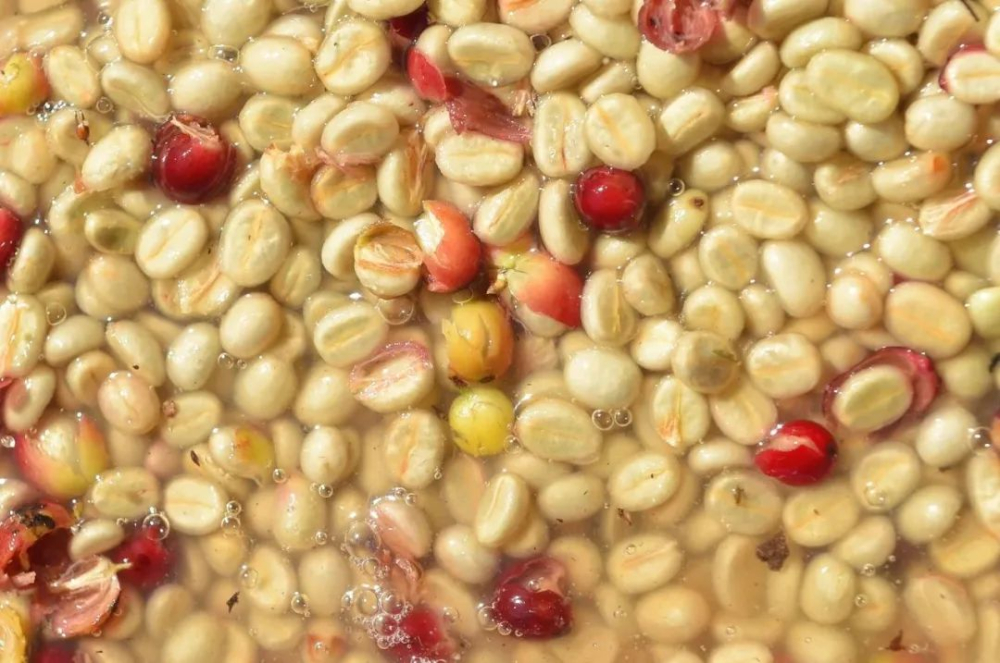
Most smallholders are small-scale, harvesting only a few hundred kilograms per year. They decide whether to sell the fruit to a nearby processing plant (Coffee Factory) based on transport distance and purchase price. The land area owned by farmers is very small, and they usually measure the size of a piece of land by the total number of trees on it. This means producers often have more autonomy to strategically pick coffee cherries and can deliver the ripest coffee cherries to the local factory (wet mill). Factories generally have abundant water resources for fine washed processing, including soaking the coffee beans in fresh water for a long time to consolidate the distinctive Kenyan flavor characteristics. Kenya Coffee Producing Regions Kenya's coffee producing regions are mainly distributed in the central and western areas. The main coffee producing regions located in the center include Kiambu, Nyeri, Kirinyaga, Muranga, Embu, Machakos, Ruiru, and Thika. The western regions include Kisii and the Bungoma area located on Mt. Elgon.
Front Street Coffee (FrontStreet Coffee) updates the coffee producing regions on its bean list from time to time, and Kenya is no exception. Last month, Front Street Coffee (FrontStreet Coffee) tasted a batch of Kenyan coffee beans from different coffee producing regions in the new season through roasting, cupping, pour-over, and other stages, and found that each producing region has its own different characteristics. Kiambu and Muranga are relatively bright and full in acidity expression. Nyeri has bright citrus and floral aromas. Compared with Ethiopia's Front Street Yirgacheffe, it is still slightly inferior, but it carries a full berry acidity. Kirinyaga's acidity also tends to be bright and full, and it has a delicate sweetness. The acidity expression of Embu is not as full and powerful as the previous producing regions, and the flavor tends toward balance and a long finish. Machakos is also very prominent in acidity expression, with a delicate mouthfeel and a long aftertaste, and is gradually attracting the attention of coffee buyers. The biggest difference between Kisii and Bungoma and other producing regions is that they stand out for fruity sweetness, soft acidity, and nutty flavors.
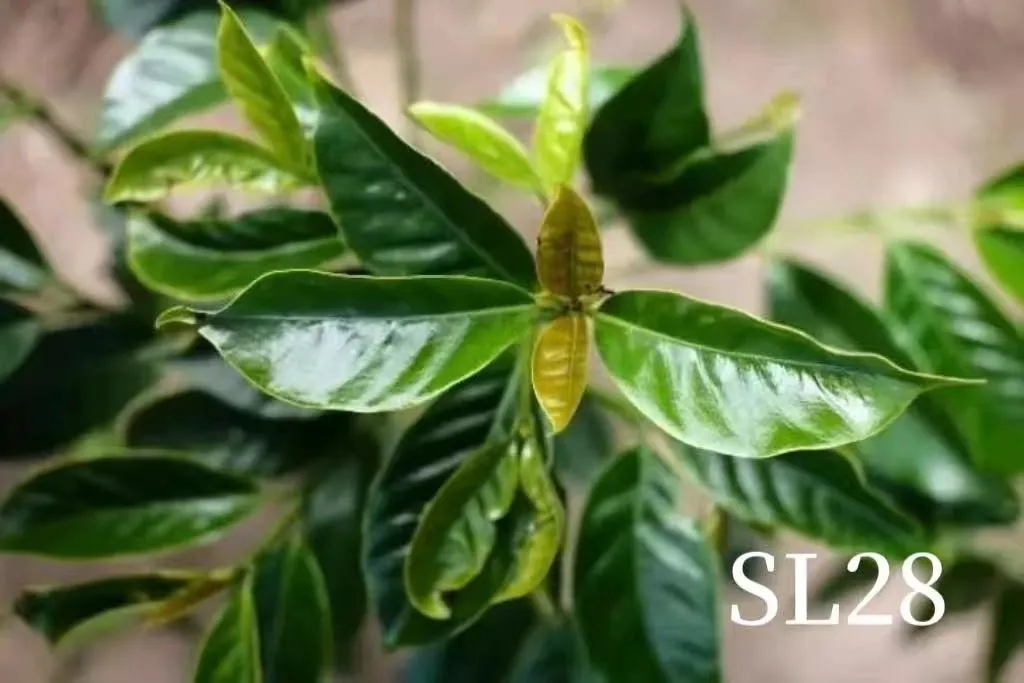
Front Street Kenyan Coffee Varieties In Kenya, the common varieties are SL28, SL34, and Ruiru 11. As early as the 1930s, the Kenyan government commissioned the newly established Scott Labs to select varieties suitable for the country. After the 42 initially selected varieties were numbered and screened one by one, SL-28 and SL-34 were finally obtained. The former originates from Bourbon, and SL-34 originates from Typica. The two are not varieties of the same series. The original goal of breeding SL28 was to hope to mass-produce coffee beans that combined high quality with resistance to pests and diseases, while in some producing regions the breeding goal was mainly high yield and disease resistance, without considering disease resistance. Thanks to its Bourbon genes, although SL28's yield later fell short of expectations, its bronze leaf color and broad bean-shaped beans have excellent sweetness, balance, and complex, varied flavors, as well as distinctive citrus and dark plum characteristics.
SL34 is similar in flavor to SL28. In addition to complex and varied acidity and a great sweet finish, its mouthfeel is softer than SL28 and cleaner. SL34 has French missionary, Bourbon, and more Typica lineage. Its bean appearance is similar to SL28, and it is better able to adapt to rainforest growth. It later proved that the former received quite high praise, usually possessing blackcurrant-like acidity and a complex flavor presentation; although the latter is slightly inferior, it also has bright fruity flavors. These two varieties currently account for 90% of Kenya's production and have become generally recognized as the representative varieties of Kenyan coffee. At present, South America is also actively introducing SL28 as a planting variety.
Ruiru 11: In 1985, when global coffee leaf rust broke out on a large scale, Kenya developed this hybrid variety under that background, emphasizing yield over quality, but its flavor quality is far inferior to the earlier SL28 and SL34, and it has not developed in the specialty coffee world. However, many suppliers, even of famous imported coffees, mix this hybrid bean into blends to reduce costs. On Front Street's bean list, there is a Front Street Kenyan coffee bean from the Sasini Estate that contains the Ruiru 11 variety, with obvious dark plum and cherry tomato flavors, almonds in the middle, honey in the finish, a juicy mouthfeel, and bright acidity.
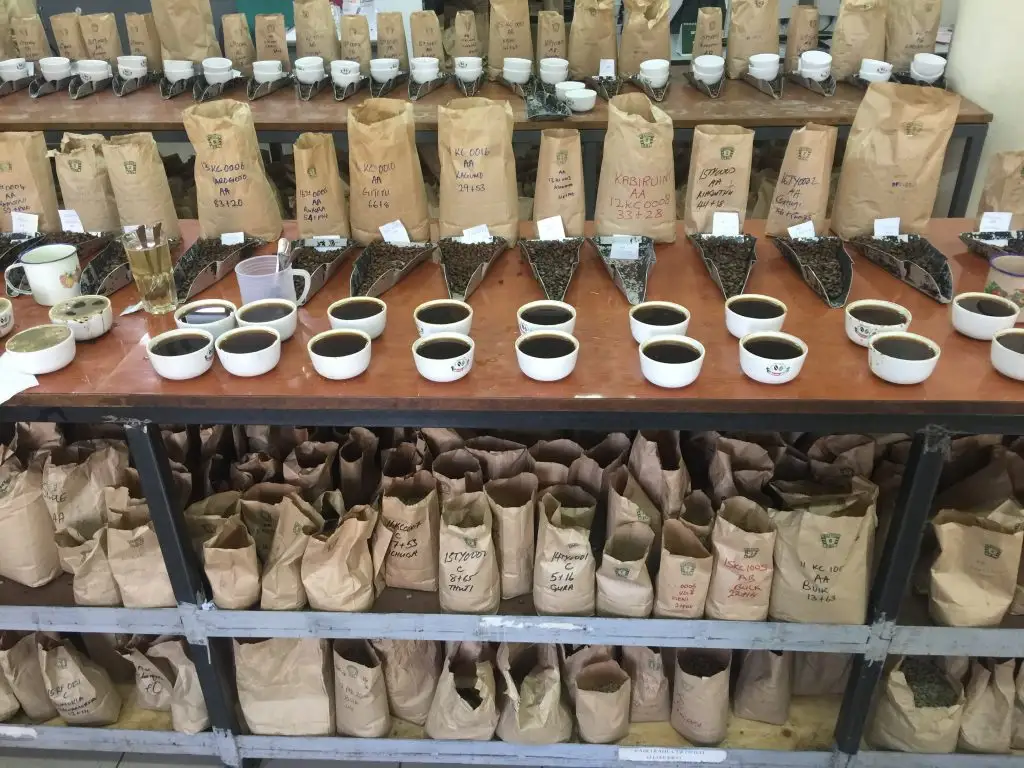
Kenya Coffee Grading Kenyan coffee beans began adopting a strict grading system in the 1930s, mainly based on the size, shape, and hardness of the coffee beans, divided from high to low into AA or AA+, AB, PB, C, E, TT, and T. This can be used as a basis when selecting, and coffee flavor is also used as a reference. At present, the grades commonly seen in the mass market are AA, AB, and PB. 【Coffee Size Grading】 AA grade is a grade name for green coffee beans in general trade. It mainly refers to the size of the coffee beans. AA grade refers to larger coffee beans. Generally, coffee beans with a screen size of 17 or above are green coffee beans (17 mesh = screen opening diameter 6.75MM). AA size is 17 mesh and 18 mesh, and AB is 15 mesh and 16 mesh. AA Plus (AA+): AA grade with especially excellent cup quality (flavor, mouthfeel) AA Screen Size 17–18 AB Screen Size 15–16, accounting for the majority of production
C Screen Size: smaller than AB TT: lighter-weight beans blown out from AA and AB grade beans by an airflow separator T: lighter-weight beans blown out from C grade beans by an airflow separator E Elephant Bean: large mutated beans formed by two beans joined together, also called elephant ear UG: those not meeting the above standards PB Peaberry: classified by appearance, unrelated to flavor or weight. 【Flavor Grading】 In addition to size grades, Kenya also uses flavor grading methods TOP, PLUS, and FAQ to select delicious coffees for reference. The indicators are: green beans (size, color, defects), roasted beans, and cup quality (acidity, body, flavor characteristics, defects). In actual use, they simplify it to Acidity-Body-Flavor to quickly score each bean, with each item scored 1–3 points. If a bean is marked as 1-1-1, it corresponds to TOP AA. Due to multiple factors in actual Kenyan coffee trading: 1. The price is high; 2. There are many lots, such as this three-item scoring system specially used to cope with the large number of lots; 3. There is also a direct trade model outside the exchange channel; 4. The volume is small. Therefore, Front Street Coffee (FrontStreet Coffee) collects samples at high frequency. Each year it collects 40–50 different Kenyan samples from different channels for roasters to roast, tasting different kinds of Kenyan acidity, and finally selects one or two that Front Street believes best represent Kenya to put on the list.
Front Street Kenya Asaliya Coffee Beans
Front Street Coffee (FrontStreet Coffee) brews Front Street Kenya Small Tomato AA TOP coffee to experience the flavor and mouthfeel brought by Kenya's K72 double washed method.
Producing Region: Thika, Kenya
Processing Plant: Asali Honey Processing Plant
Altitude: 1,550–1,750 meters
Grade: AA TOP
Varieties: SL28, SL34
Processing Method: K72 Processing Method
【Roasting Recommendation】
When roasting this Front Street Kenya Asaliya coffee bean, Front Street Coffee (FrontStreet Coffee) adopted a light roast considering the need to highlight its bright acidity.
Machine: Yangjia 800N, 550g green beans charged
Charge Temperature: 200°C
First Crack: 5'30", 154.3°C
Developed for 2'10'' after first crack, dropped at 191.6°C
【Cupping Flavor】
When roasting, Front Street Coffee (FrontStreet Coffee) uses multiple comparison groups and judges through cupping which roasting curve best expresses the flavor of the coffee beans.
Dry Aroma: Cherry tomato, berry
Wet Aroma: Tea aroma, caramel
Palate: Snow pear, dark plum, cherry tomato, yellow sugar, plum
【Brewing Recommendation】
Considering that this Front Street Kenya Asaliya uses a light roasting method, Front Street Coffee (FrontStreet Coffee) uses a higher water temperature and a faster-flow dripper, mainly because it needs to extract its bright acidity with high temperature, but does not want over-extraction caused by high temperature, so it chooses the faster-flow V60 dripper. The main parameters used are: V60 dripper, coffee-to-water ratio 1:15, 15g coffee dose, water temperature 90°C, grind size (80% passing through a No. 20 standard sieve).
Front Street Coffee (FrontStreet Coffee) Brewing Water Temperature Recommendation
The reason Front Street Coffee (FrontStreet Coffee) does not clearly state which setting is used for grind size is, first, because everyone uses a different grinder, and second, because different coffee beans also lead to different grind sizes. This is related to factors such as coffee variety, altitude, processing method, roasting, and so on. Therefore, when Front Street Coffee (FrontStreet Coffee) receives a new roasted bean, it first sifts it once to determine the suitable pour-over grind. For this Front Street Kenya Asaliya coffee bean, the grind size determined by Front Street Coffee (FrontStreet Coffee) after sifting is BG#5D. However, Front Street Coffee (FrontStreet Coffee) suggests that even with the same brand of grinder, it is still more rigorous to sift once.
In terms of brewing technique, Front Street Coffee (FrontStreet Coffee) uses staged extraction, that is, the three-stage pouring method: pour 30g water and bloom for 30 seconds, then pour 125g in a circular motion for the second stage, and when the water level drops to just about to expose the coffee bed, continue pouring to 225g, taking 2 minutes total (including blooming).
Front Street Coffee (FrontStreet Coffee) V60 Pour-over Coffee Blooming
Front Street Coffee (FrontStreet Coffee) V60 Pour-over Coffee Second Pour
Front Street Coffee (FrontStreet Coffee) V60 Pour-over Coffee Third Pour
【Front Street Kenya Asaliya Pour-over Flavor】
On the palate there are flavors of dark plum and cherry tomato. The acidity is intense and full, with prominent sweetness in the middle, a juicy feel, and a finish of berry aroma and yellow sugar sweetness, along with green tea aroma.
For more specialty coffee beans, please add the private WeChat of Front Street Coffee (FrontStreet Coffee), WeChat ID: kaixinguoguo0925
The above content is compiled by CoffeeHunters, a coffee news website.


