







How Do You Make Cold Brew Coffee at Home?
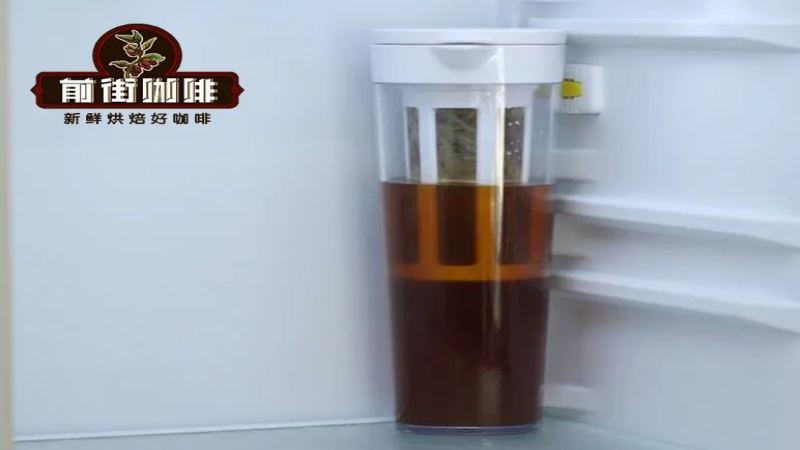
Cold brew splits into two methods: cold steep and ice drip. For cold steep, use a 1:10 coffee-to-water ratio, meaning 50 grams of coffee to 500 grams of water, then refrigerate and let it extract slowly at low temperature. The low-temperature extraction produces a softer, sweeter cup with less prominent sourness and astringency than hot-brewed coffee chilled over ice.
Ice drip coffee follows a six-step process with its own grind size and timing, and the equipment differs from cold steep. Serving over ice gradually dilutes the drink, so the strength eases as the ice melts and suits different preferences. Kenya Asaliya beans, with SL28 and SL34 varieties and K72 washed processing, bring bright acidity that works well here.
On a scorching summer day, a glass of iced coffee is the top choice for cooling off, and cold brew coffee, with its mellow and sweet taste brought by low-temperature extraction, is deeply loved by coffee enthusiasts. Cold brew actually comes in two types: cold steep and ice drip, each with its own meticulous methods, equipment, coffee-to-water ratio, and extraction time. This article takes Front Street Coffee's practical experience as an example to explain in detail the complete process of making cold steep coffee and ice drip coffee, including the 1:10 ratio of 50 grams of coffee to 500 grams of water, grind size selection, refrigeration time control, and the six-step ice drip coffee method. It also recommends the Kenya Asaliya coffee beans suitable for cold brew, analyzing the bright acidity brought by its K72 washed process and SL28 and SL34 varieties.
Walking out in midsummer, if you don't have a cold drink in hand, you're really doing yourself a disservice. For coffee lovers, that cold drink is naturally coffee. Here Front Street wants to ask first: did you know that cold brew coffee actually splits into two routes—cold steep and ice drip? Friends who frequently visit Front Street's stores should remember that the cold brew coffee Front Street produces is usually only the ice drip style.
Coffee liquid brewed with hot water and then cooled with ice cubes—if the coffee-to-water ratio isn't handled well, the final taste easily becomes bland or bitter. By contrast, coffee liquid extracted with low-temperature water has a softer, sweeter flavor, with neither sourness nor astringency overly prominent.
When Front Street Coffee makes cold brew coffee, the coffee-to-water ratio is set at 1:10. The consideration is to accommodate differences in everyone's preference for strength. When drinking, put an appropriate amount of ice cubes in the cup; on one hand it keeps the temperature low, and on the other, as the ice gradually melts, the coffee's strength slowly decreases, so friends with different taste preferences can all find the sip that suits them.
Cold steep coffee
Cold steep coffee is the kind of cold brew that Starbucks vigorously promoted back then. From the name you can tell the method—soak coffee grounds in cold water to obtain coffee liquid. This method is quite easy to do, and the equipment needed is not as cumbersome as that for ice drip coffee.
[Front Street Coffee's method for making cold steep coffee]
Front Street Coffee uses 50 grams of coffee grounds as the baseline. As for grind size, although the extraction water temperature is far lower than pour-over, it is still a long soaking extraction, so choose a grind size slightly coarser than pour-over. Sift with a Chinese standard No. 20 sieve, controlling the pass-through rate at 65%. Put the coffee grounds into a glass jar, pour in 500 grams of water, for a coffee-to-water ratio of 1:10, then use a stirring stick to mix the grounds and water thoroughly, seal it, and put it in the refrigerator.
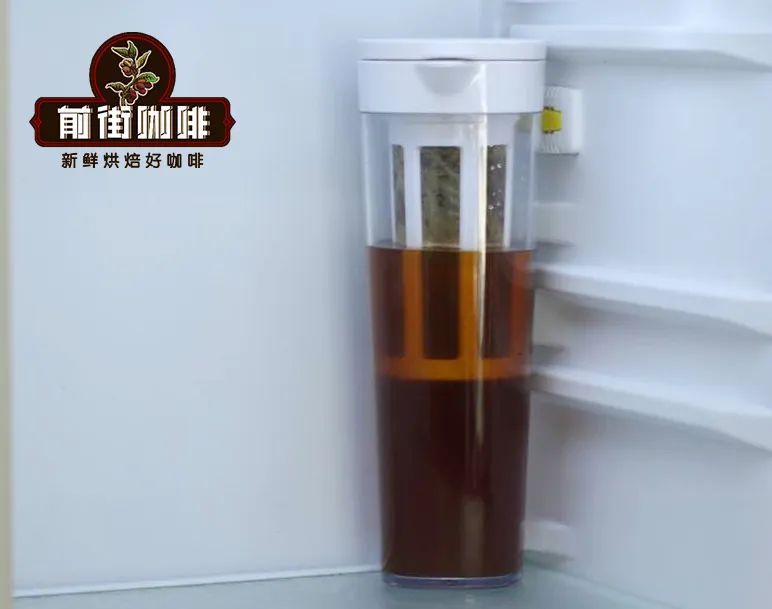
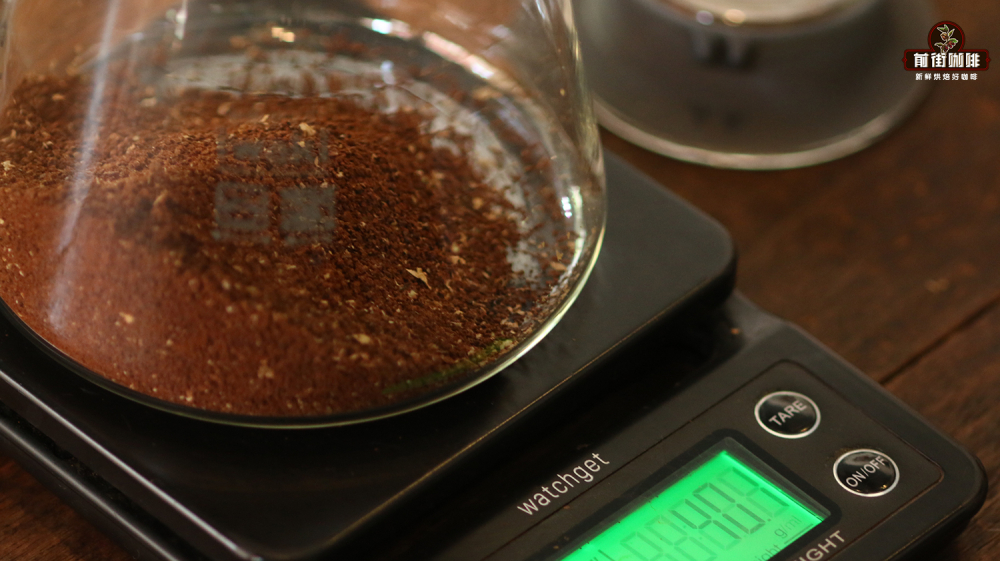
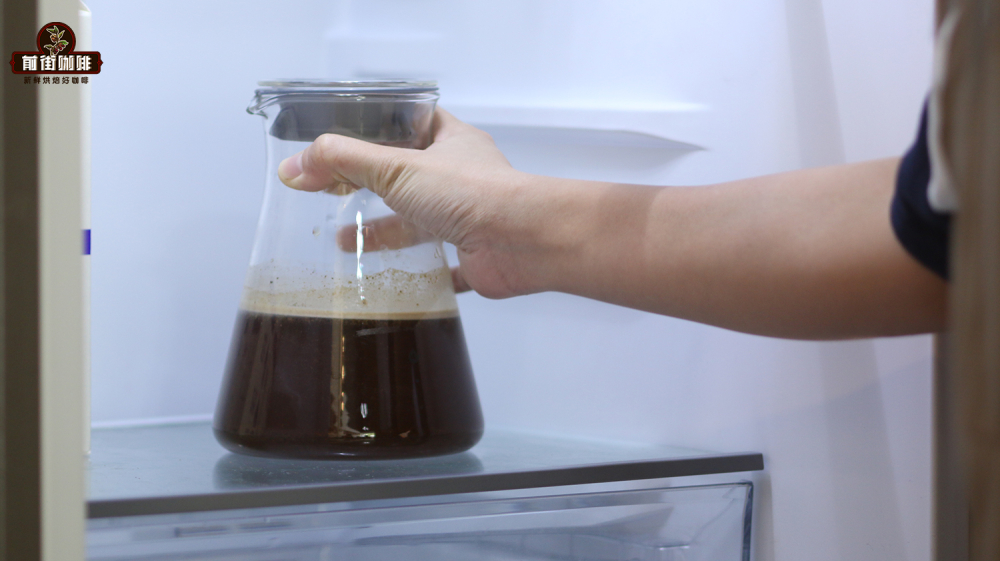
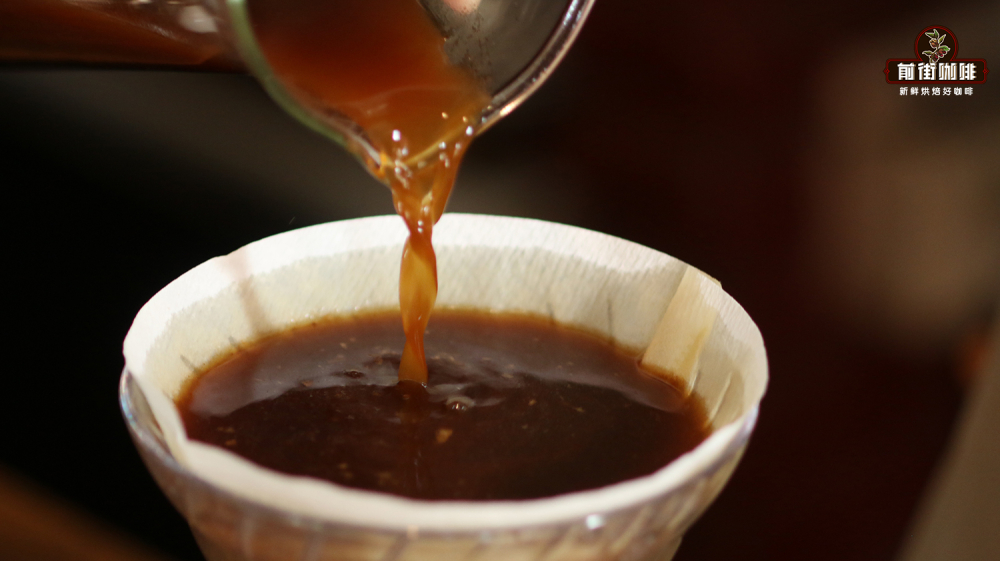
After refrigerating for 12 to 24 hours, filter out the coffee grounds with filter paper to obtain a clean coffee extract. Then put the filtered coffee liquid into a clean glass bottle, refrigerate for about 4 hours, and it is ready to drink.
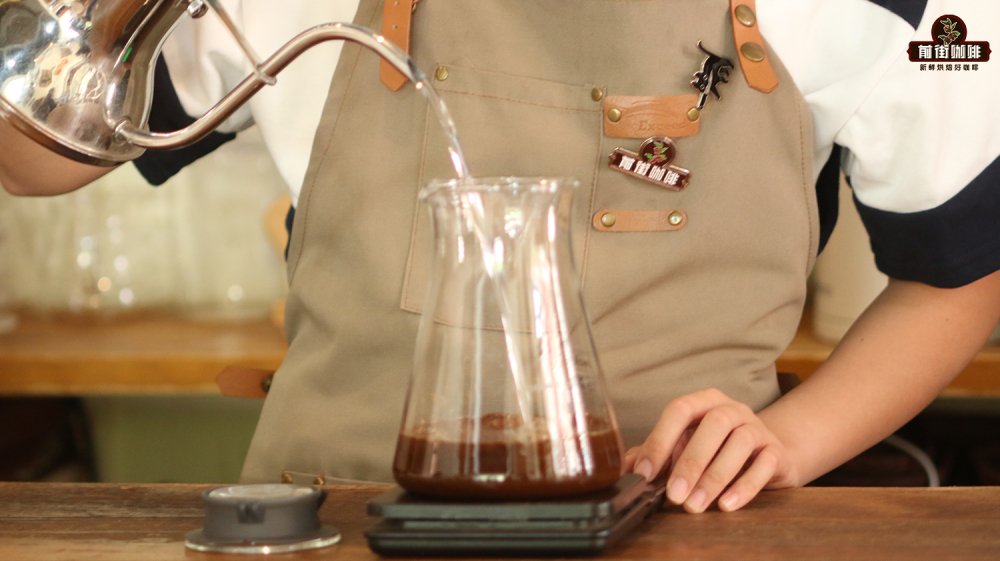
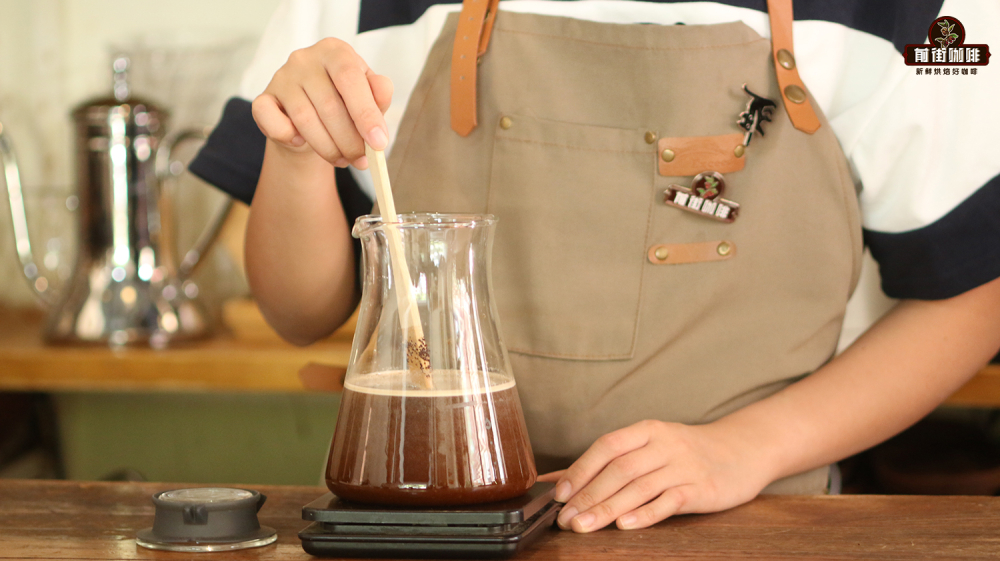
Earlier on, Front Street Coffee's baristas took the Sidamo Trogon beans and tried different extraction durations to compare flavor and mouthfeel. The result showed that the longer the coffee grounds soaked in water, the stronger the flavor of the extract and the higher the concentration, with sourness, sweetness, and bitterness becoming more prominent accordingly; conversely, the shorter the soaking time, the softer the flavor and the thinner the concentration.
In practice, although low-temperature extraction does not easily bring out off-flavors and bitterness from the coffee beans, the extraction process does take a long time, and since cold steep is an immersion method, Front Street Coffee's baristas suggest adjusting the grind size coarser. Cold steep coffee is not tastier the longer it soaks; tastiness itself is very subjective—some prefer it light, some like it strong—it varies from person to person. If you prefer a rich style with an obvious fermented feel, you can adjust the coffee-to-water ratio to your liking and extend the extraction time.
Ice drip coffee
Ice drip coffee is said to have been invented by the Dutch, but it was carried forward in Japan and South Korea. In Japan it even has a history of several hundred years, and many well-known ice drip devices come from Japan and South Korea. In South Korea, almost every local cafe sells ice drip coffee. Its English names include "Kyoto Coffee" and "Japanese-style slow-drip."
[Front Street Coffee's method for making ice drip coffee]
Front Street Coffee uses 60 grams of coffee grounds as the baseline. As for grind size, because the water temperature contacting the coffee grounds is much lower than ordinary pour-over, use a grind size with a pass-through rate of 85% on a Chinese standard No. 20 sieve. The entire extraction process lasts 6 to 8 hours, and the coffee-to-water ratio is the same as cold steep coffee, also 1:10.
① First lay a round filter paper at the bottom of the powder cup, wet it with water so it sticks to the cup wall.
② Pour the ground coffee into the powder cup, shake it level, and gently press the powder bed flat with a weight.
③ Lay another sheet of filter paper on top of the coffee powder bed to prevent long dripping from making a pit in the powder bed, which would cause uneven extraction.
④ Use ice water to evenly wet the entire coffee powder bed, playing a role similar to blooming in pour-over, improving extraction effectiveness and consistency of the final product.
⑤ Fill the water container with a 1:1 ice-water mixture, and adjust the throttle valve drip rate to 7 drops per 10 seconds.
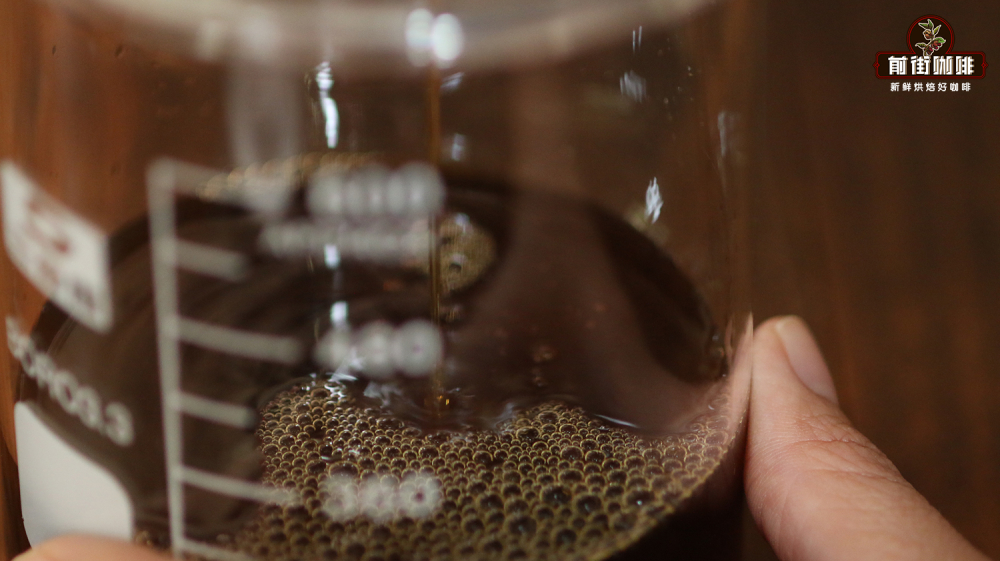
⑥ After making it, pour the coffee liquid into a coffee bottle, seal it, and refrigerate it to let the extract ferment and integrate.
So which coffee beans are suitable for cold brew? In this summer when everything feels greasy to eat, Front Street Coffee recommends using Front Street Coffee's Kenya Asaliya coffee beans to make cold brew coffee. The coffee made from these Kenyan beans is refreshing and clean, with a light acidity.
Front Street Coffee: Kenya · Asaliya Coffee Beans Region: Thika, Kenya Processing Plant: Asali Honey Processing Plant Altitude: 1550-1750m Variety: SL28, SL34 Processing Method: K72 Washed
The reason Front Street Coffee's Kenya Asaliya can have a bright and clean acidity, besides the light roast level, is also related to Kenya's local red soil rich in phosphoric acid, the K72 processing method, and the coffee varieties.
The K72 processing method is also called the Kenyan-style 72-hour fermentation washed processing method. The specific process is: peel the ripe fresh coffee cherries picked that day, ferment them in a fermentation tank for 24 hours, then introduce clean river water to wash them, then ferment for another 24 hours, repeating this 3 times to achieve a 72-hour strong fermentation effect.
The coffee bean varieties produced in Kenya are mostly SL28 and SL34, both of which have been cultivated and selected through many rounds. SL28 belongs to the Bourbon genetic group, carrying the bright tonality and rich acidity of the original Bourbon. SL34's lineage is closer to Typica, and its acidity is milder than SL28's. Flavor Description
Asaliya's acidity is very lively, overall like a glass of juice. Used for ice drip coffee, it carries the fresh fragrance of cherry tomatoes and grapefruit, with a refreshing and light acidity when drunk, giving an overall clean and refreshing feeling, especially suitable for summer drinking.
For professional coffee knowledge exchange and more coffee bean information, please follow Coffee Workshop (WeChat public account cafe_style)
For more specialty coffee beans, please add the private WeChat of Front Street Coffee, WeChat ID: kaixinguoguo0925
The above content is compiled by CoffeeHunters, a coffee news website.


