







Search Results for: Kenya 72-hour washed
Exploring Kenya Nyeri Windrush Estate AA+++ Micro-Lot: The Flavor Code of 72-Hour Washed SL28/SL34
Kenyan coffee is famous for its seven major producing regions, and among them, Nyeri—thanks to the red soil of the extinct volcano Mount Kenya—produces what is widely recognized as the finest coffee. The Windrush Estate in this region has released an AA+++ micro-lot, using the classic Kenyan 72-hour fermentation washed method (K72) and cultivating the two major varieties SL28 and SL34. This article will guide you through the terroir conditions of the Nyeri producing region, the repeated fermentation details of the K72 processing method, the lineage and flavor characteristics of SL28 and SL34, and the specific information about this micro-lot—smoked plum, cinnamon, raisins, juicy mouthfeel, and an Earl Grey tea-like finish—to experience the Kenyan flavor selected by Front Street Coffee. [more…]
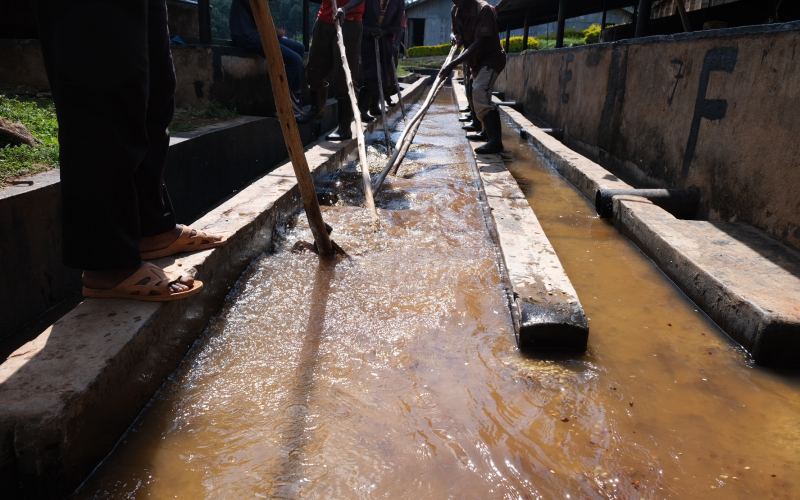
Kenya 72-Hour Washed Process Explained: Double Fermentation and AA-Grade Coffee Brewing Flavor Characteristics
Kenyan coffee is renowned for its vibrant acidity and clean cup profile, and its distinctive flavor is largely attributed to the iconic 72-hour washed processing method. Known as double washing, this technique uses two rounds of fermentation and two rounds of rinsing, allowing the coffee beans to shed their mucilage while boosting acetic acid concentration, thereby shaping an unforgettable fruity character and bright acidity. This article breaks down the complete process of Kenyan double fermentation in detail, explains why the total time can reach 48 to 72 hours, and introduces the AA grade classification standards. At the same time, using Front Street Kenya Small Tomato Coffee as an example, it shares practical parameters and flavor performance for hot pour-over, helping coffee enthusiasts gain a more comprehensive understanding of this bean's processing logic and drinking approach. [more…]
An In-Depth Interpretation of Kenya's 72-Hour Double Washed Process: How K72 Processing Shapes the Tomato and Berry Flavors of Front Street AA Coffee
Kenyan coffee is renowned for its bright acidity and clean mouthfeel, with the K72-hour double washed method being the key to its flavor. This article provides a detailed explanation of this processing method's two fermentation and two washing stages, explaining how fermentation time control affects the coffee's acidity and cleanliness, and introduces the Kenya AA grading standard. At the same time, combined with Front Street Coffee's Kenyan Little Tomato coffee, it provides hot pour-over parameters and flavor descriptions to help readers understand the complete flavor logic from processing method to cup. [more…]
Kenya AA Coffee Bean Flavor Analysis: A Complete Guide to 72-Hour Washed Processing and Pour-Over Parameters
Kenya AA coffee occupies a unique position in the global specialty coffee scene thanks to its vivid fruit notes and solid acidity. Front Street Coffee's Asalia coffee beans are selected from the Kenya AA TOP grade and undergo a 72-hour washed process, presenting complex aromas of cherry tomatoes, dark berries, and wine. This article starts from Kenya's coffee grading standards, regional terroir, and the K72 washed process, and then breaks down in detail the cupping performance and pour-over brewing plan for Front Street Kenya AA, including V60 dripper selection, water temperature and grind parameters, and staged pouring techniques, to help coffee lovers recreate at home a cup of rich, layered, and juicy Kenyan flavor. [more…]
An Analysis of Kenya's 72-Hour Refined Washed Processing Method: A Full Overview of Front Street Coffee Beans' Flavors and Producing Regions
Kenyan coffee is famous for its bright, complex fruity flavors, and its unique 72-hour refined washed processing method (K72) is the core craft that shapes this flavor profile. Starting from the tasting notes of Front Street Kenyan coffee, this article provides an in-depth introduction to the geography and cultural background of the Kirinyaga region, the operations of the Kiangombe processing plant, and the origins of the two classic varieties SL-28 and SL-34. At the same time, it breaks down the Kenyan-style washed cycle fermentation process in detail, helping you fully understand every key step of this East African coffee bean from origin to cup. [more…]
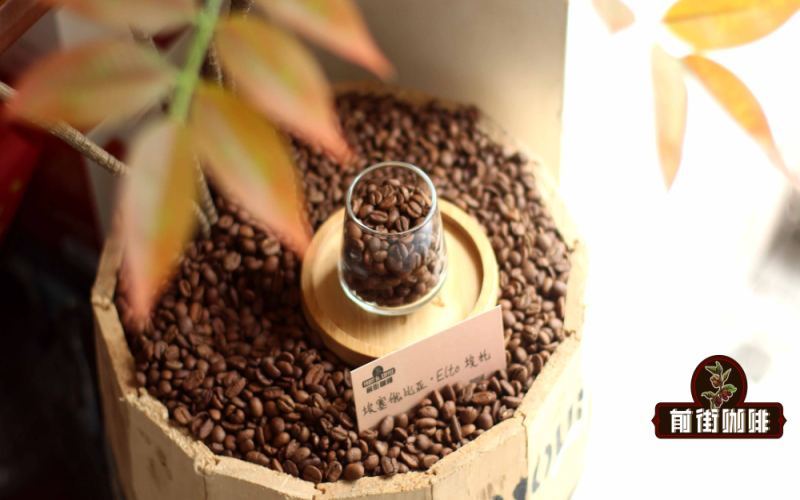
A Complete Guide to Kenya's K72 Double Washed Processing Method: The 72-Hour Fermentation Process, SL Varieties, and the Grading System
In the landscape of specialty coffee, Kenyan coffee stands out with its bright, clean acidity and full-bodied flavor, and the K72 washed processing method is precisely its signature craft. This circulating fermentation system, developed on the basis of traditional washing, completes processing through three soaks and washes of 24 hours each, totaling 72 hours, hence the name K72. This article will systematically outline the specific operational steps of K72, analyze the flavor origins of Kenya's high-altitude production regions and varieties such as SL28 and SL34, and introduce Kenya's coffee grading system. At the same time, the roasting curves, brewing parameters, and flavor performance of two Kenyan beans from Front Street Coffee—Asaliya and Sasini Estate PB—will also be shared, providing coffee enthusiasts with a complete reference from origin to cup. [more…]
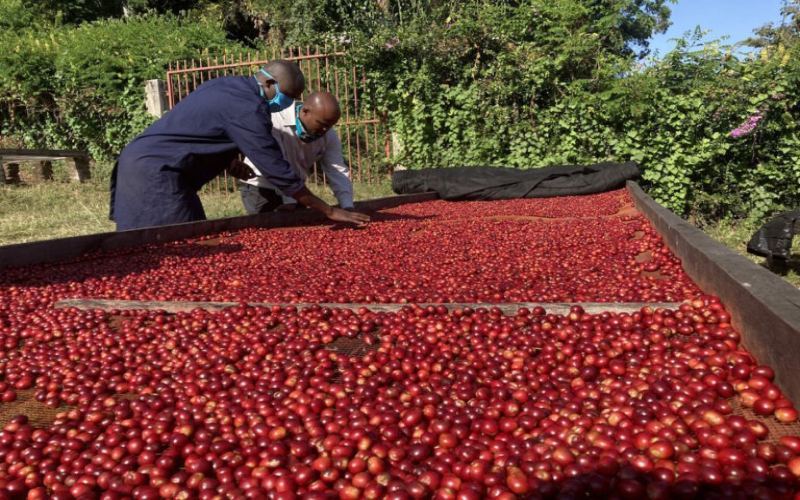
Kenya PB Round Bean Full Analysis: Sasini Estate Flavor Characteristics and 72-Hour Washed Processing Method
Although Kenya is not the birthplace of coffee, it has turned coffee into a pillar of its national economy thanks to its high altitude, fertile soil, and rigorous scientific research system. This article focuses on Kenya PB Peaberry, a unique variant, and sorts out its growing geography, variety origins (SL28 and SL34), and grading system, while also taking an in-depth look at the K72 washed processing method of Thunguri Estate. The pour-over parameters and three-stage brewing method recommended by Front Street Coffee will also be shared, so you can experience the full-bodied berry acidity and caramel aftertaste of Kenyan coffee. [more…]
Where Do the Fruity Notes in Kenyan Light-Roast Coffee Come From: An Analysis of SL Varieties, 72-Hour Washed Processing, and AA Grade
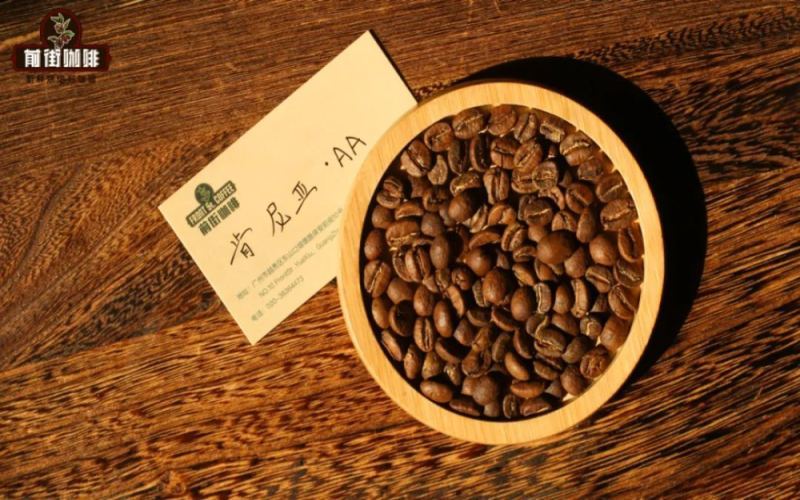
Kenyan coffee has always been known for its distinct fruity flavors, and Front Street Coffee's Kenyan coffee beans showcase an interwoven sweet-and-tart profile reminiscent of blackberry, grapefruit, and lemon, with a rich and full aroma. However, what truly sets Kenyan coffee apart is its bright and powerful acidity. Although it shares the African continent with Ethiopia, the birthplace of coffee, and the two are neighbors, the flavor profile of Kenyan beans differs significantly from that of Ethiopian coffee. This article will explore Kenya's high-altitude growing conditions, the two classic varieties SL28 and SL34, its unique grading system, and the 72-hour "Kenyan double fermentation" washed process, and will also introduce how Front Street Coffee's Kenyan Cherry Tomato coffee beans, through a medium-light roast, present layers of cherry tomato, smoked plum, black plum, caramel, and snow pear. [more…]
An Analysis of Kenya's Coffee Industry Landscape, Bean-Type Grading System, SL Series Varieties, and the K72 Washing Process
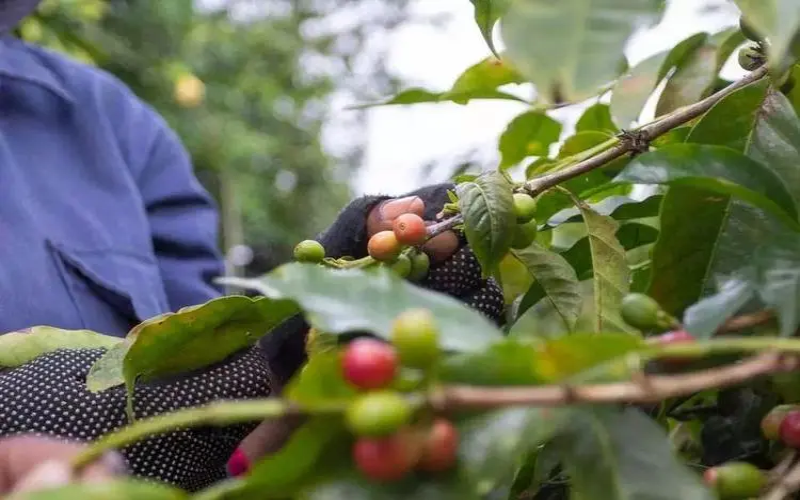
Kenya is located in the equatorial zone of East Africa, with the Great Rift Valley running through the entire country. The central highlands and volcanic soil provide an ideal terroir for specialty coffee. From the introduction of coffee by French missionaries in 1893, to the large estate cultivation during the British colonial period, to the passage of the Coffee Act in 1933, the establishment of the auction system in 1934, and the agricultural legislation of the 1950s that granted farmers land use rights, Kenya gradually built up its own coffee industry. Its grading system is based on bean size and quality, divided into AA+, AA, AB, PB, C, E, TT, and T. Exporters also add cup grading of TOP, PLUS, and FAQ to AA and AB. In terms of varieties, SL28 and SL34 are representative, with the former originating from Bourbon and the latter from Typica, offering complex flavors and prominent sweetness. In terms of processing methods, K72 washed processing forms a 72-hour cycle through three rounds of 24-hour fermentation each, bringing bright acidity and a clean mouthfeel. Front Street Coffee's Asalia AA TOP comes from the Asail processing plant in the Thika region, using SL28 and SL34 with K72 washed processing, presenting flavor notes of cherry tomatoes, smoked plums, berries, citrus, and green tea. [more…]
Kenyan Coffee Flavor Analysis: A Complete Guide to the K72 Double Water-Wash Processing Method and Pour-Over Parameters
Kenyan coffee has always stood out in the specialty coffee world for its vivid fruit tones and bright acidity. This article breaks down the flavor code of Kenyan coffee layer by layer, from the terroir of its producing regions and historical origins to the K72 72-hour fermented washed process. Front Street Coffee's Little Tomato Azalea coffee beans are a typical example—from the Asali processing plant in the Thika region, using SL28 and SL34 varieties, they present layers of dark plum, cherry tomato, and caramel interwoven under a medium-light roast. The article also provides SCA-recommended pour-over coffee-to-water ratios and water temperature parameters, making it suitable for coffee lovers who want to gain a deeper understanding of Kenyan beans or are looking for brewing solutions. [more…]
A Comprehensive Guide to Kenyan Coffee Origins: Varieties, Washed and Natural Processing, and an Overview of Flavor Characteristics
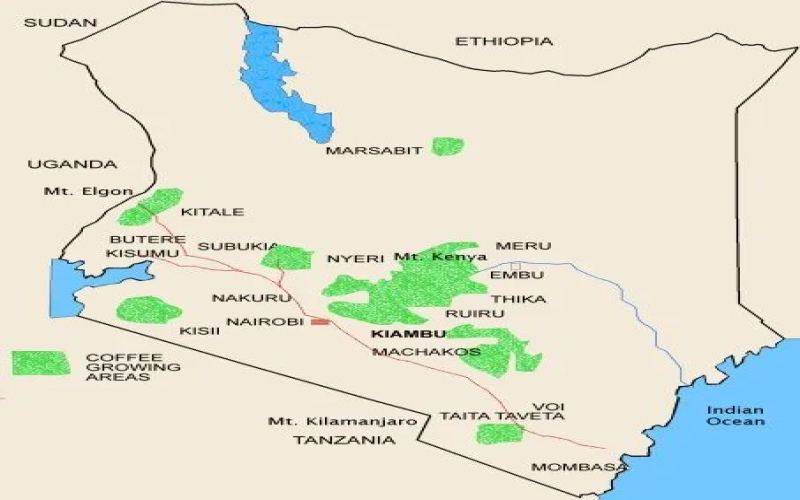
Kenya is a coffee origin that cannot be overlooked on the global specialty coffee map, renowned for its intensely bright acidity and complex layers. This article provides a systematic overview of Kenyan coffee cultivation, including the capital Nairobi, the port city of Mombasa, nearly 700,000 smallholder families, growing conditions at elevations ranging from 1,400 to over 2,000 meters, and varieties such as SL28, SL34, Ruiru 11, Batian, and K7. The article also outlines the main and secondary harvest seasons, the major growing regions in the central and western areas, and compares the flavor differences across counties such as Nyeri, Embu, and Thika. It focuses on analyzing the Kenyan-style 72-hour washed processing method (K72), detailing its process and advantages, while also introducing the lesser-seen traditional natural-processed Kenyan coffee, including the historical background and flavor profile of Missionary Bourbon. Finally, it includes two comparison bean information cards and brewing suggestions, making it ideal for coffee enthusiasts looking to gain a comprehensive understanding of Kenyan coffee. [more…]
Complete Guide to Kenya PB Round Beans: From SL28 and SL34 Varieties to the K72 Washed Process
Although Kenya is not the birthplace of coffee, its high altitude, large day-night temperature difference, and phosphorus-rich soil give rise to coffee beans with a distinct flavor. This article will guide you through Kenya's coffee-growing geography, the origins of the SL28 and SL34 varieties, the AA and AB grade classifications, and exactly what the unique PB round beans are. At the same time, we will also introduce the Kenya 72-hour washed processing method (K72) recommended by Front Street Coffee, and how to brew a cup of Kenyan coffee with bright acidity and rich layers using the pour-over method. [more…]
Kenya AA Coffee Bean Grading Standards Explained: A Full Analysis of Thika Region Flavor, K72 Washing, and SL28/SL34 Varieties
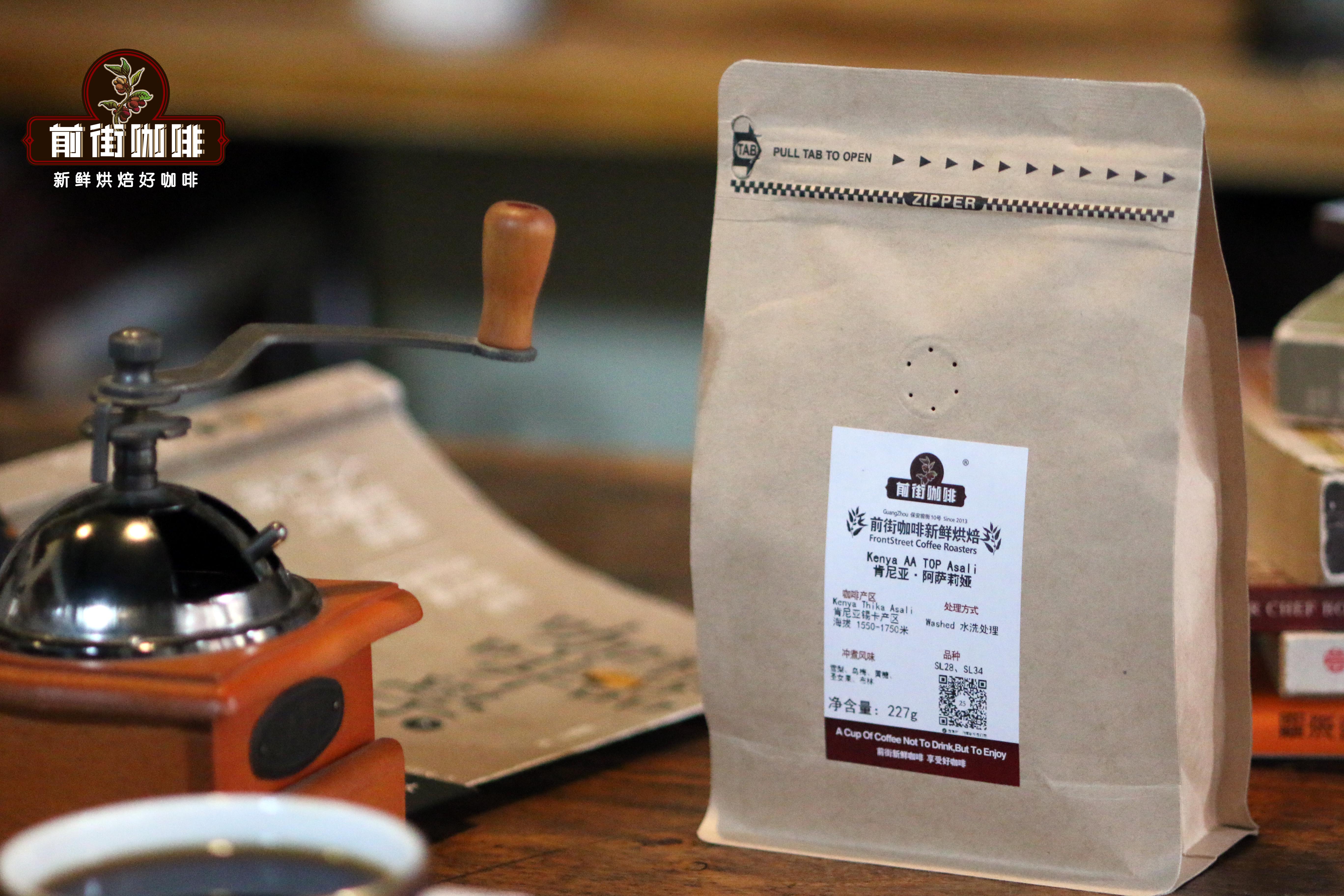
Kenya AA is the highest grade in Kenya's coffee classification system, renowned for its plump beans and bright flavor. Starting from the grading logic of Kenyan green beans, this article provides an in-depth analysis of the cultivation history and terroir characteristics of the Thika producing region, explains how the classic Kenyan-style 72-hour double fermentation washed process (K72) operates, and focuses on the two varieties, SL28 and SL34, which account for ninety percent of Kenya's high-quality coffee production. The article also combines Front Street Coffee's Front Street Kenya Asalia coffee beans to recreate its light roast approach and V60 three-pour brewing parameters, presenting the typical Kenyan flavor profile of black plum, smoked plum, apricot, and black tea aftertaste. [more…]
The Acidic Charm of Kenyan Coffee: An Analysis of Production Regions, SL Varieties, and the 72-Hour Washed Process
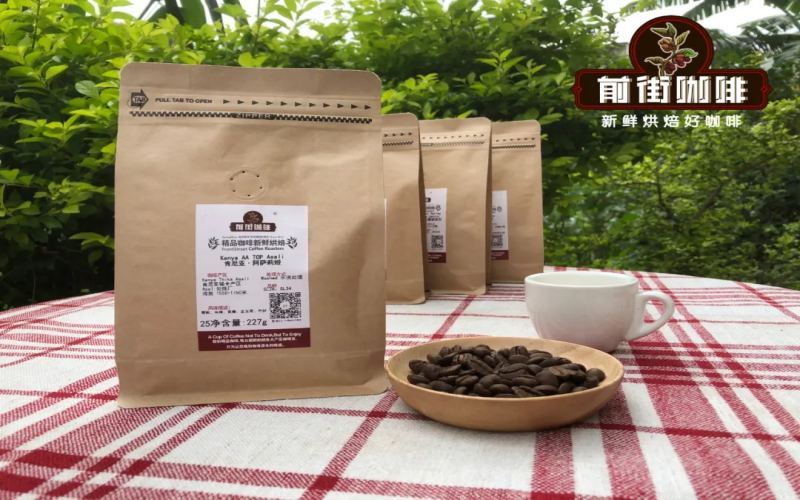
Kenyan coffee is world-renowned for its bright, uplifting acidity and full, juicy body, making it the benchmark for acidity in the minds of many coffee lovers. This article will start with Kenya's coffee-growing geography and harvest seasons, then go through the characteristics of each of the seven major producing regions one by one, explain the AA grading system and the unique 72-hour washed processing method, and take an in-depth look at the origins and flavor profiles of the two classic varieties, SL28 and SL34. At the same time, Front Street Coffee will share, based on its own roasted Kenya Asalia coffee beans, how to use a segmented extraction approach to fully bring out this bean's rich fruity aromas of cherry tomato and black plum along with its thick, syrupy juice-like body. [more…]
Kenyan Coffee Beans: A Complete Guide to the Flavor Profiles of Seven Major Regions, AA Grading, 72-Hour Washed Processing, and SL Varieties
Kenyan coffee has always been a favorite among acidity lovers, and in recent years it has shown a full berry-juice feel, dark plum acidity, and caramel sweetness. This article systematically reviews Kenya's coffee-growing geography and harvest seasons, the terroir characteristics and elevation ranges of seven well-known producing regions (Thika, Kirinyaga, the western side of Mount Kenya, Nyeri, Kiambu, Ruiru, and Murang'a), explains the AA grading system and the TOP/PLUS/FAQ cupping grades, details the world-famous K72-hour washed processing method, traces the breeding history and flavor differences of the two representative varieties SL28 and SL34, and includes Front Street Coffee's brewing parameters and technique suggestions, helping readers gain a comprehensive understanding of the unique charm of Kenyan coffee. [more…]
A Complete Guide to Kenya K72 Washed Processing: SL28 and Other Variety Distribution, Flavor Characteristics, and Brewing Guide
Kenyan coffee is famous in the specialty coffee world for its bright, clean acidity. Its iconic K72 washed processing method, together with varieties such as SL28 and SL34, creates its unique flavor. From the perspective of Front Street Coffee, this article systematically reviews the complete process of Kenyan-style 72-hour fermentation washing, analyzes the origins and characteristics of major varieties such as SL28, SL34, Ruiru11, and Batian, introduces Kenya's coffee growing conditions and grading system, and includes the roasting curves and brewing parameters for two Front Street beans, Kenya Asaliya and Sasini PB, to help coffee lovers fully understand the flavor code of Kenyan coffee. [more…]
An Analysis of Kenya's SL28 and SL34 Varieties: The Origin of K72 Washed Processing Flavors and Front Street Coffee Brewing Recommendations
Kenyan coffee is famous for its bright fruit acidity and clean mouthfeel, and the K72 washed processing method along with the SL28 and SL34 varieties deserve much of the credit. From the perspective of Front Street Coffee, this article outlines the 72-hour cyclic fermentation process of the K72 processing method, analyzes the growing conditions of the Kenyan highlands, the origins and flavor differences of the SL series varieties, and introduces improved varieties such as Ruiru11 and Batian. It also compiles Kenya's coffee grading system and includes the roasting and brewing data for Front Street's Kenya Asalia and Sachini PB, helping coffee enthusiasts understand the causes of Kenyan coffee's unique cherry tomato acidity. [more…]
An In-Depth Analysis of Kenyan Specialty Coffee: Flavors of Six Major Producing Regions from Thika to Nyeri, the Grading System, and the 72-Hour Washed Processing Method
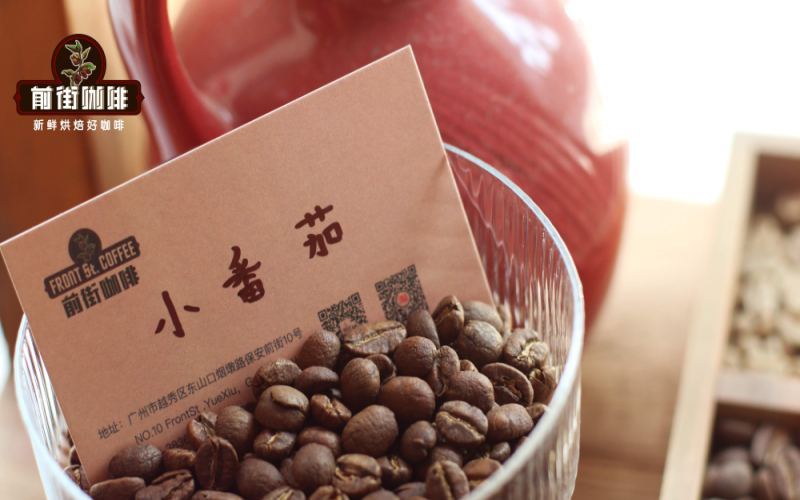
Kenyan coffee is known for its bright fruit acidity and thick berry-like mouthfeel, and it is a representative of the high-acidity style in specialty coffee. This article systematically reviews Kenya's coffee-growing conditions, the altitude and variety characteristics of six major producing regions (Thika, Kirinyaga, the western side of Mount Kenya, Nyeri, Kiambu, and Murang'a), introduces the coffee auction and direct trade mechanisms, the background of varieties such as SL28 and SL34, the three-cycle fermentation process of the K72 washed processing method, the grading system based on bean size, and the flavor classification of AA-grade beans. At the end, using FrontStreet Coffee's Kenya Asalia as an example, it shares a medium-light roast profile, V60 brewing parameters, and flavor performance. [more…]
A Comprehensive Analysis of Kenya K72 Double Washed Processing: From Fermentation Process to SL Varieties and Flavor Origins
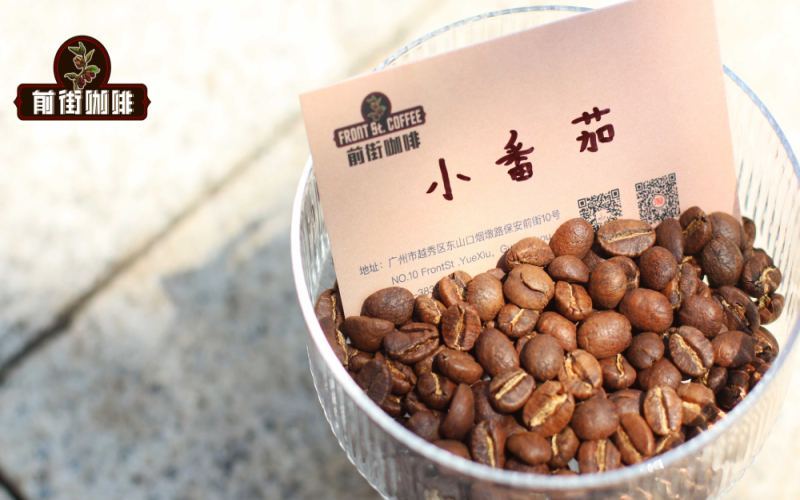
Kenyan coffee is renowned for its bright, clean acidity and deep berry flavors, and behind this lies the widespread use of the double washed process locally, with the K72 method being particularly iconic. From the perspective of Front Street Coffee, this article systematically outlines the complete process of the Kenyan-style 72-hour fermentation washed method, including the specific operations and roles of the two rounds of washing and fermentation; it also introduces Kenya's growing conditions, the origins and characteristics of the main varieties SL28, SL34, Ruiru11, and Batian, as well as the grading system for Kenyan coffee beans. At the end, it also includes the roasting curves, brewing parameters, and flavor descriptions for two Front Street beans, Kenya Small Tomato and Sachini PB, helping coffee enthusiasts fully understand the logic behind the formation of Kenyan coffee flavors. [more…]
Why Is Kenyan Coffee Acidity So Intense? Unraveling the Secrets of the K72 Processing Method and the SL28 and SL34 Varieties
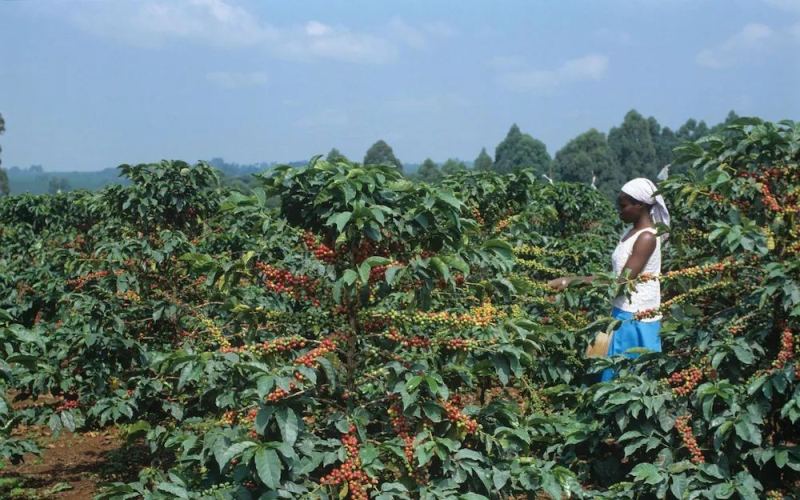
Kenyan coffee stands out in the world coffee landscape with its distinct and intense acidity, contrasting with the crisp and bright style of neighboring Ethiopia. This unique flavor is inseparable from the phosphoric acid-rich volcanic ash soil of the Kenyan highlands, the carefully selected SL28 and SL34 varieties, and the renowned K72 washed processing method. This article will delve into the sources of Kenyan coffee's acidity, dissecting its flavor code layer by layer—from the geographical environment and the history of variety selection to the 72-hour fermentation process. At the same time, we will introduce a Kenyan bean from Front Street Coffee, sourced from the Salia factory in the Thika region, featuring SL28 and SL34 varieties, processed with the K72 washed method, presenting bright acidity reminiscent of cherry tomatoes and smoked plums, along with a sugarcane-like sweetness. [more…]