







Search Results for: Kalita dripper
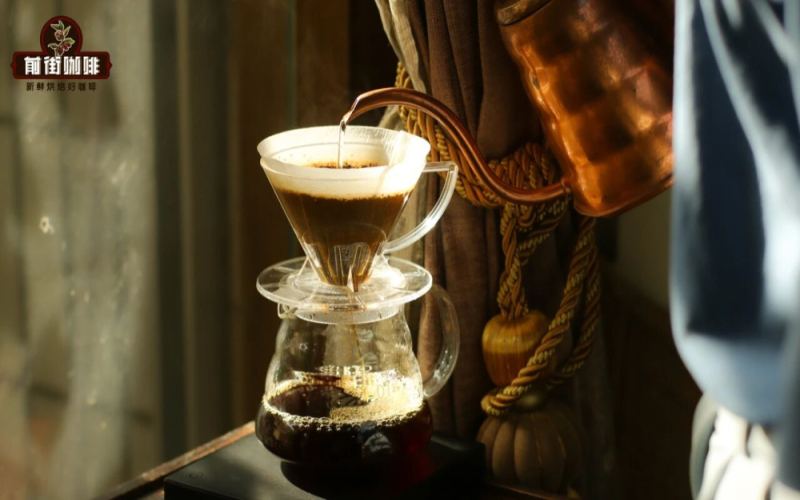
A comparison of the structural differences between the Kalita trapezoidal dripper and the V60 conical dripper, their flavor performance, and why the trapezoidal dripper is becoming increasingly rare in specialty coffee shops.
In the world of pour-over coffee, the choice of dripper shape was once diverse, but today when you walk into most specialty coffee shops, what you see are almost all conical large-hole drippers. Why have trapezoidal drippers, once so popular, especially the classic styles represented by Kalita, gradually retreated to the second tier? Starting from Front Street's actual brewing comparisons, this article uses Front Street washed Yirgacheffe and Front Street Jamaica Blue Mountain coffee, and under the same parameters extracts with Kalita 101 and V60 respectively, analyzing the differences in flavor presentation between the two drippers, and deeply examining how their structural principles affect the extraction method, ultimately explaining the reasons why trapezoidal drippers still retain a place among chain brands. [more…]
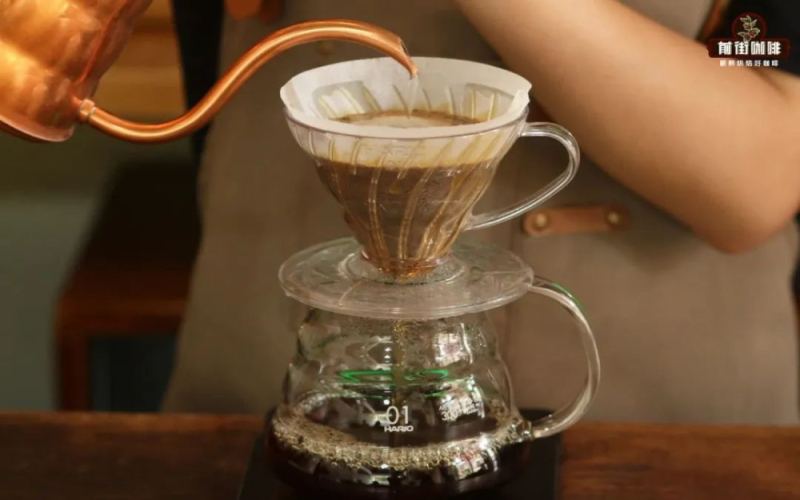
Pouring Differences Between Conical, Fan-Shaped, and Flat-Bottom Drippers: A Full Breakdown of V60, Kalita, and Wave Pouring Patterns
One of the joys of pour-over coffee lies in the extraction differences that different drippers bring. Front Street Coffee often receives questions from beginners: Do you also need to draw circles with a fan-shaped dripper? What should you pay attention to when pouring water with a flat-bottom dripper? This article takes three representative drippers—V60, Kalita, and Wave—as examples, starting from the coffee bed structure, explaining one by one the specific routes for circular pouring, and includes solutions for when the water flow is unstable. Whether you are just getting into pour-over or want to advance your understanding of how drippers and pouring techniques pair together, you will find practical reference here. [more…]
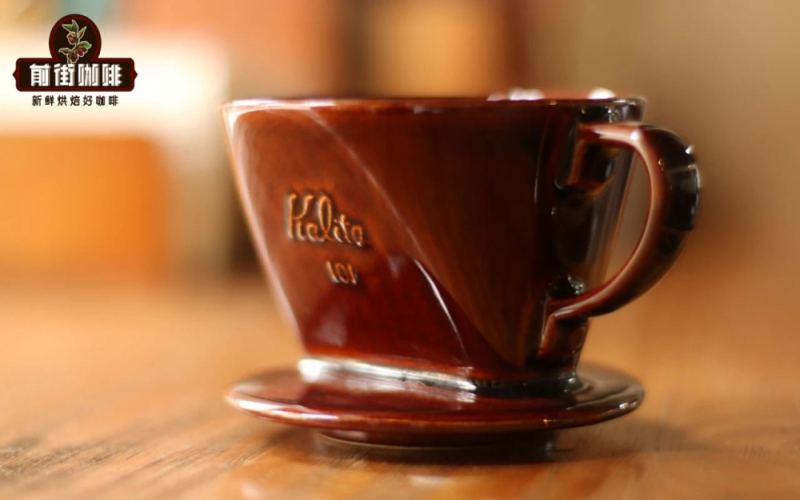
A Complete Analysis of the Flavor Differences and Structural Principles Between Brewing with the Kalita Trapezoid Dripper and the Hario V60 Cone Dripper
In the world of pour-over coffee, the shape of the dripper has a far more critical impact on flavor than one might imagine. The once-popular trapezoid dripper is now rarely seen in specialty coffee shops, having been replaced by cone-shaped drippers such as the Hario V60. This article starts from the actual brewing of two beans—Front Street washed Yirgacheffe and Jamaican Blue Mountain—to compare the flavor performance of the Kalita 101 trapezoid dripper and the V60 cone dripper, and takes a deep dive into how the structural differences between the two lead to different extraction methods. At the same time, the article also explores the reasons why the trapezoid dripper has gradually faded out, as well as its stability advantage that keeps it favored by chain brands, providing coffee enthusiasts with comprehensive reference for purchasing and brewing. [more…]
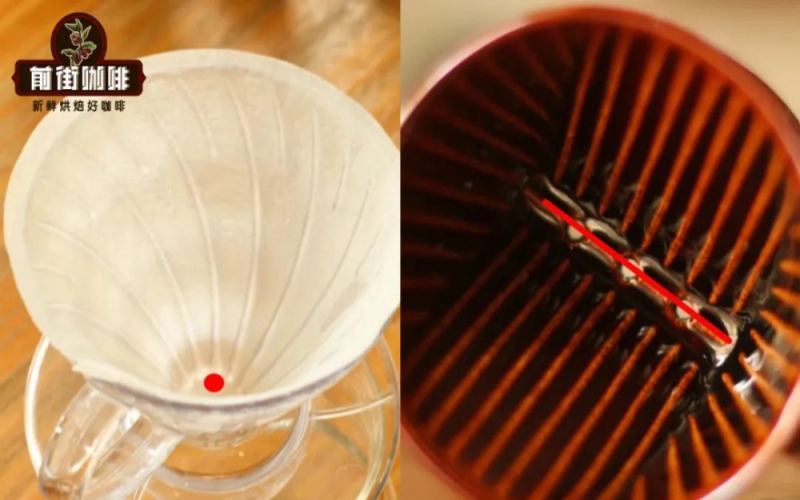
Flavor Characteristics and Key Operational Points of Flat-Bottom Dripper Coffee Brewing: From Structural Principles to Front Street Coffee's Practices with the Sidra Variety
Flat-bottom drippers have gradually drawn attention in the pour-over field in recent years. The extraction performance brought by their flat bottom and special flow-guiding structure differs noticeably from common conical drippers. This article starts with the background of the birth of the Kalita Wave, sorting out the design origins of flat-bottom drippers, the distribution characteristics of their flow-guiding ribs, and their influence on water flow paths, then compares them with the extraction logic of conical drippers such as the V60. After that, using Front Street Coffee's Colombia·Frontera Chiroso as an example, it shares a three-pour brewing recipe suited to flat-bottom drippers, recording the actual brewing time and tasting impressions to help coffee enthusiasts understand the unique aspects of flat-bottom drippers in flavor presentation. [more…]
Conical vs. Flat-Bottom Dripper Showdown: Extraction Differences and Brewing Essentials of the Hario V60 and Kalita Wave
In the third wave of specialty coffee, pour-over coffee has become the top choice for many enthusiasts thanks to its clean cup profile and its ability to showcase origin flavors. As the core piece of equipment, the dripper's shape design directly affects the extraction path—conical drippers represented by the Hario V60 emphasize layers and fruit acidity, while the flat-bottom dripper pioneered by the Kalita Wave focuses on balance and sweetness. Front Street Coffee commonly uses the V60 in its daily production. This article will systematically compare the extraction logic of the two drippers from the perspectives of pouring uniformity, coffee bed depth, rib structure, and drain hole design, and will include three-pour brewing parameters for the flat-bottom dripper to help you find a clearer direction in equipment selection and technique adjustment. [more…]
A Beginner's Guide to Pour-Over Coffee: Equipment Recommendations, Brewing Step-by-Step Guide, and Cost-Effective Everyday Beans
The appeal of pour-over coffee lies in the fact that everyone can brew a flavor that is uniquely their own. This article is aimed at home enthusiasts and small coffee shops, and provides a systematic overview of all the equipment needed to get started with pour-over—from gooseneck kettles, drippers, and grinders to filter papers, digital scales, thermometers, and carafes—offering an analysis of the pros and cons of specific brand models along with purchasing advice, and including a complete eight-step brewing tutorial. Finally, it recommends several highly cost-effective Front Street single-origin coffee beans, at a cost of only about six yuan per cup, making them ideal for daily practice and home enjoyment. [more…]
Sidamo Huakui Pour-Over Guide: Comparing Three Dripper Parameters and Analyzing Flavor Differences
Ethiopian coffee has always been renowned for its floral aromas and fruity acidity, and among them, the naturally processed Sidamo Huakui—with its intense fruity profile and honey-like finish—has become a favorite among many coffee enthusiasts. This article will start with the origin of the name Huakui and the background of its producing region, then provide a detailed interpretation of three pour-over recipes designed by Front Street Coffee for this bean—corresponding to flavor-focused, body-focused, and balanced styles respectively—covering the specific parameters and brewing performance of the Hario V60, Kalita three-hole trapezoid, and WAVE cake filter. If you are looking for a naturally processed bean with prominent sweetness and rich layers, or want to understand the practical effects of different drippers on extraction results, this content will provide a clear reference. [more…]
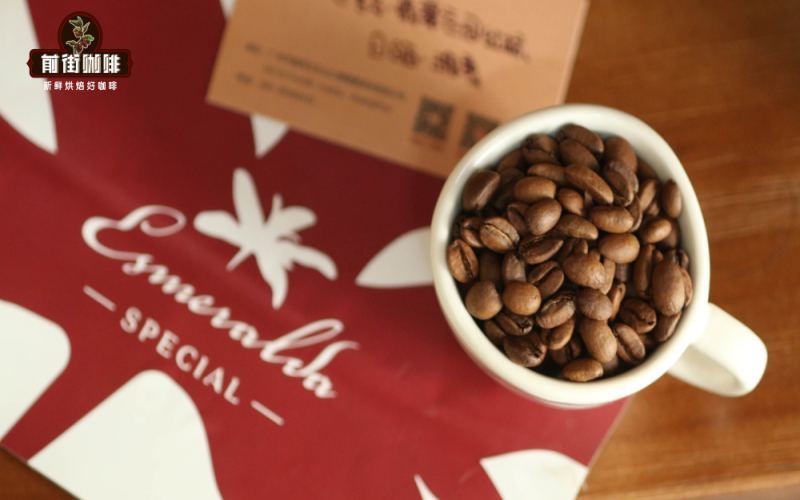
The Complete Guide to Panama Blue Label Geisha Pour-Over: Comparison of Different Drippers, Cold Brew Parameters, and Flavor Performance
The Geisha from Panama's Hacienda La Esmeralda has long been regarded as the representative of floral-type coffee, and the Blue Label, as one of its grades with outstanding value for money, is suitable for everyday pour-over exploration. This article focuses on Front Street Coffee's Panama Blue Label Geisha, first introducing its origin, grade, and processing method, then providing specific water temperatures, grind sizes, coffee-to-water ratios, pouring rhythms, and extraction times for four methods—the Kalita three-hole trapezoid dripper, V60, cake filter, and cold brew—along with a description of each one's flavor direction. Whether you pursue complexity, balanced richness, or a crisp and refreshing taste, you can find a corresponding brewing plan here, and at the end of the article there is also a comparative summary of different devices and selection advice. [more…]
Panama Hacienda La Esmeralda Blue Label Geisha Coffee Bean Flavor, Mouthfeel, and Detailed Brewing Parameters for Multiple Brewers
The fame of Geisha coffee is closely tied to Panama, and Hacienda La Esmeralda's Blue Label Geisha is a favorite among many floral-note enthusiasts. Front Street Coffee's Hacienda La Esmeralda Blue Label Geisha comes from the Barú region at an altitude of about 1,500 meters, using fine washing and light roasting to present rich flavors of jasmine, bergamot, lemon, honey, and green tea. This article will start from the bean's background, using four methods—the Kalita three-hole trapezoid dripper, V60, cake filter cup, and cold brew—to provide specific coffee-to-water ratios, grind sizes, and extraction times, and compare the flavor and mouthfeel differences of Blue Label Geisha under different brewing methods, making it easy for coffee enthusiasts to choose according to their needs. [more…]
Pour-Over Kettle Buying Guide: A Detailed Look at Spout Shapes, Material Differences, and Brand Recommendations
The heating up of the single-origin coffee market has driven the diversified development of pour-over equipment. Faced with numerous brands such as Kalita, Hario, and Bonavita, as well as different kettle shapes like fine spout, gooseneck, and flat spout, beginners often find it hard to choose. This article approaches the topic from two major dimensions—spout inner diameter and material characteristics—to systematically sort out the pros and cons and applicable scenarios of various pour-over kettles. Combined with the hands-on experience of several baristas, it also reviews popular models such as the Hario Cloud kettle, Bonavita gooseneck kettle, Kalita copper kettle, and Melitta pour-over kettle. Whether you are a novice just getting into pour-over or an enthusiast seeking advanced equipment, you can find a direction that suits you. The article also includes practical advice from Front Street Coffee. [more…]
Why Are Trapezoid Drippers Fading from View? A Comparative Analysis of the Brewing Advantages of Wedge Drippers and the V60 Cone Dripper
In the world of pour-over coffee gear, cone-shaped drippers occupy an absolute mainstream, while the once-popular trapezoid dripper appears less and less on the bar. This does not mean it is not useful—on the contrary, thanks to its unique structure, the trapezoid dripper can deliver a more balanced cup performance and a solid mouthfeel. From the perspective of Front Street, this article reviews the historical trajectory of the trapezoid dripper from its birth to its improvements, breaks down the impact of its shape, ribs, and bottom hole on extraction, and, through comparative brewing with the V60, intuitively presents the flavor differences between the two drippers. It also explains why the trapezoid dripper has gradually retreated behind the scenes under the light-roast trend, as well as its beginner-friendly stable extraction characteristics. [more…]
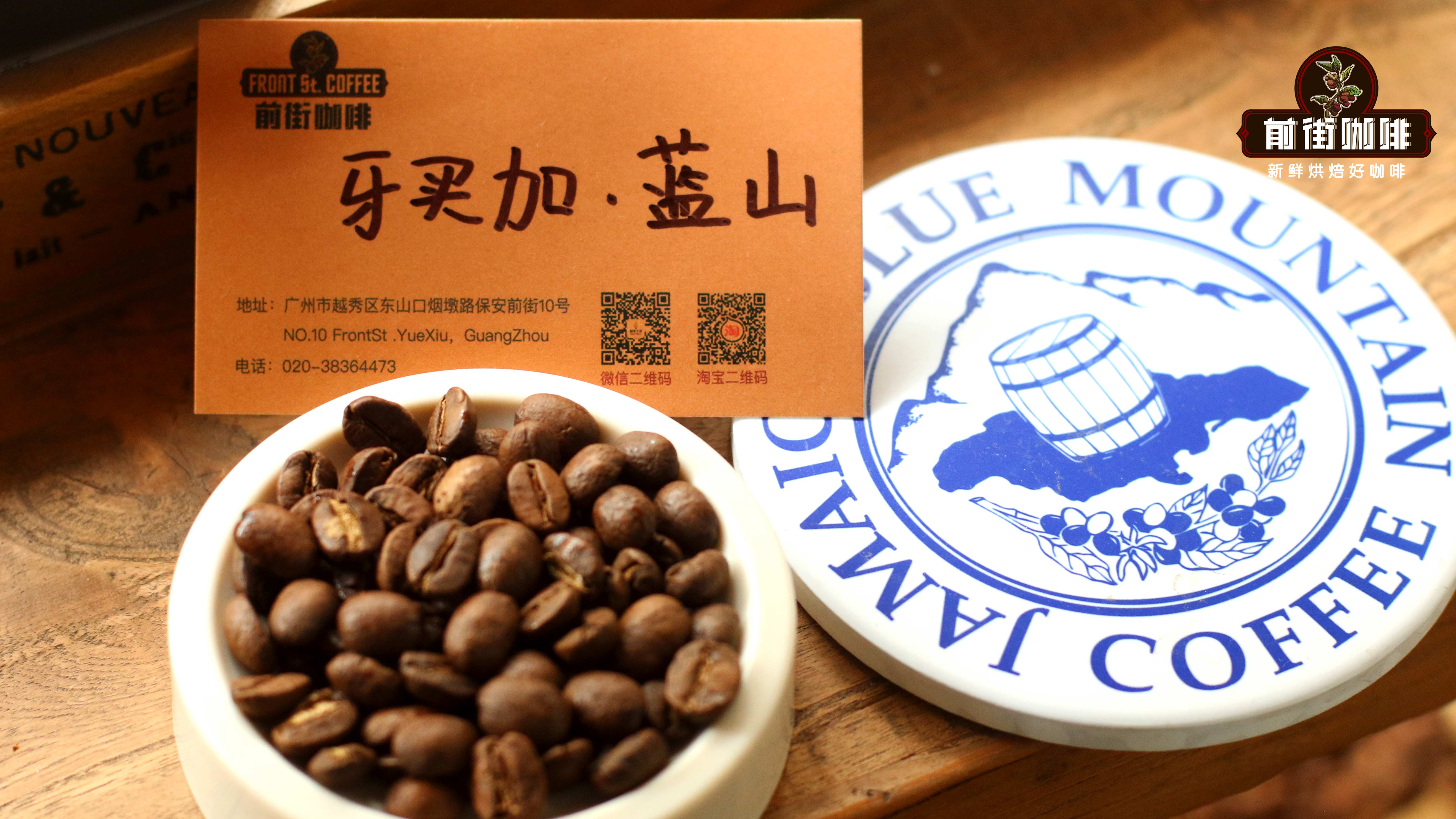
A Comprehensive Analysis of Jamaican Blue Mountain Coffee: From Production Region and Grades to Practical Brewing Guides for Espresso and Pour-Over
Blue Mountain coffee, as Jamaica's most representative specialty coffee, is world-renowned for the elegant flavors of the Typica variety and its strict grading system. This article begins with the historical origins of the Blue Mountain region, the washed processing method, and the CIB grading standards, then introduces the identifying characteristics of Blue Mountain No. 1 coffee beans, and shares in detail Front Street Blue Mountain No. 1 brewing recipes for espresso, latte, americano, as well as pour-over methods using three drippers—KONO, Kalita, and V60—helping you fully master this bean's flavor expression and brewing techniques. [more…]
The Complete Guide to Brewing Yirgacheffe at Home: V60 and Cake Cup Parameter Testing and Cost Per Cup Analysis
Yirgacheffe is Ethiopia's proud specialty coffee calling card, and also the entry-level choice and long-time beloved favorite of countless coffee enthusiasts. This article focuses on Front Street Yirgacheffe: first analyzing the berry and floral-fruity notes in its dry and wet aromas, comparing the flavor differences between natural and washed processing methods; then breaking down the structural features of the V60 conical dripper and the Kalita cake cup, including Front Street's complete tested brewing parameters, covering grind size, water temperature, coffee-to-water ratio, and extraction time; finally providing purchasing reference, a half-pound 227 grams sells for only 80-90 yuan, with a single cup costing about five or six yuan, allowing you to easily brew a high-quality cup of Yirgacheffe at home. [more…]
Filter Cup Buying Guide: How Material, Flow Rate, Shape, and Functional Design Affect Pour-Over Coffee Flavor
The popularity of pour-over coffee is inseparable from the dripper, a key piece of equipment. From Mrs. Melitta's accidental experiment with blotting paper and a copper bowl to today's dazzling array of drippers, choosing a suitable one has become a source of confusion for many coffee lovers. Front Street Coffee starts from four dimensions—material, flow rate, appearance design, and functional design—and, combining hands-on testing data with in-store experience, analyzes the specific effects of different drippers on extraction temperature, water flow speed, and coffee flavor layers. Whether you seek stability and beginner-friendliness or wish to finely control the direction of flavor, this article will provide you with practical purchasing ideas and references. [more…]
How to Fix Sour Blue Mountain Coffee When Brewing? A Comprehensive Analysis of Seven Brewing Methods and Techniques
How should you brew Front Street Blue Mountain Coffee to make it taste good after buying it home? This article compiles seven extraction methods suitable for Front Street Blue Mountain Coffee, from espresso, latte, and Americano, to various pour-over drippers, siphon, AeroPress, French press, cold drip, and Japanese iced pour-over. Each method provides specific coffee dose, water temperature, grind size, water-to-coffee ratio, and brewing steps. If you feel that the Blue Mountain Coffee you brew tastes too sour, the key issue often lies in the extraction method and parameter combination, as different brewers vary greatly in how they present acidity, sweetness, and bitterness. The article also compares the flavor differences between the Kalita扇形, cake cup, Kono, and V60 drippers, as well as the mouthfeel changes in siphon brewing when adding coffee grounds first versus later, making it easier for coffee enthusiasts to choose a suitable method according to their taste preferences. [more…]
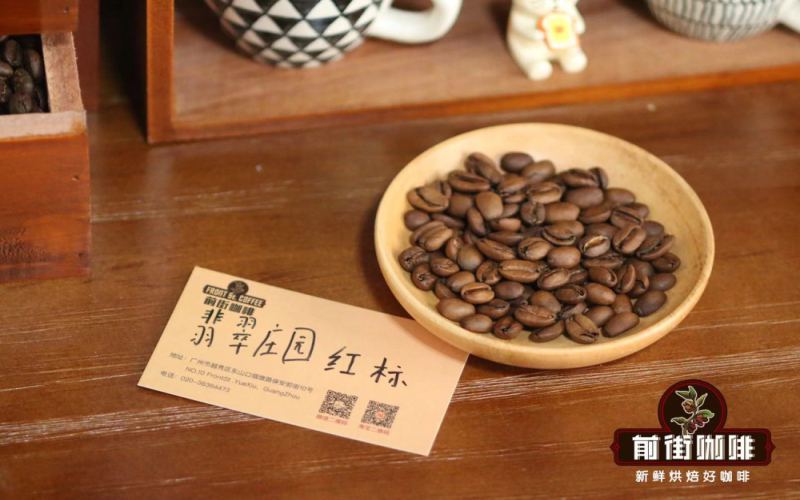
A Detailed Guide to Panama Hacienda La Esmeralda Geisha Grades: Flavor Differences and Brewing Tips for Red, Green, and Blue Labels
As the discoverer and promoter of Geisha flavor, Panama's Hacienda La Esmeralda has always been a focal point for coffee enthusiasts with its original Red Label, Green Label, and Blue Label grading system. How exactly are these three grades divided? How do their flavor profiles differ? From the perspective of Front Street Coffee, this article systematically reviews Hacienda La Esmeralda's producing region background, plot division logic, the specific definitions and cupping performance of the three major grades, and includes Front Street's roasting recommendations and brewing parameter comparisons. Whether you are a beginner just getting into Geisha or a seasoned player wanting to understand Hacienda La Esmeralda's quality control system in depth, you can gain a clear cognitive framework and find the Geisha that suits you. [more…]
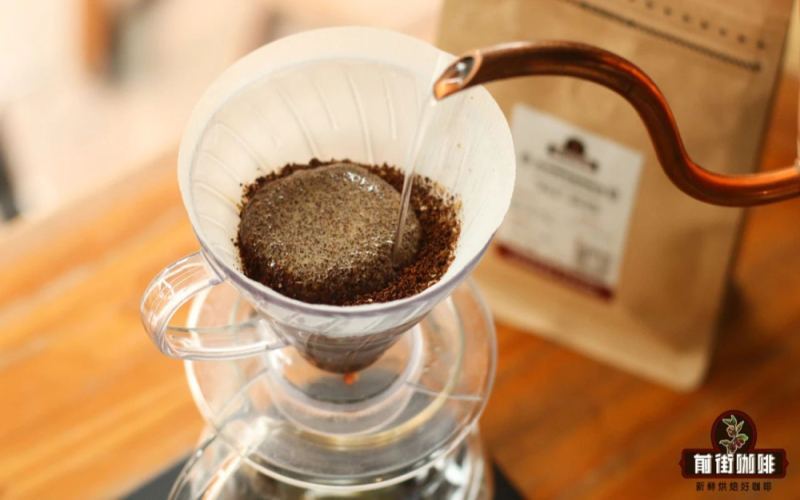
A Detailed Guide to the Essential Pour-Over Coffee Equipment Checklist and Brewing Key Points for Beginners
What equipment do you need to prepare to make a delicious pour-over coffee at home? And what key points should you master during brewing? This article starts with equipment such as the pour-over kettle, dripper, grinder, thermometer, digital scale, filter paper, sifting mesh, and server, introducing one by one the mainstream choices in each category and Front Street Coffee's experience using them. It then explains six aspects: water temperature, grind size, coffee-to-water ratio, water quality, coffee beans, and brewing technique, helping beginners get started quickly and produce consistent results. [more…]
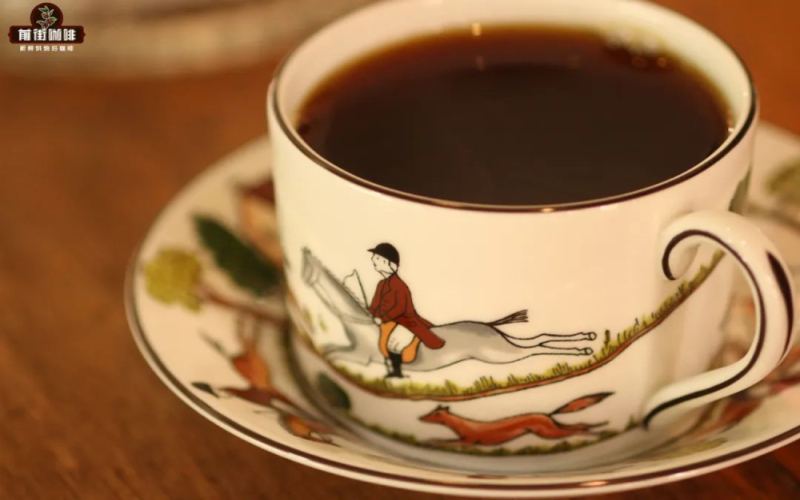
Pour-Over Techniques for Dark Roast Blue Mountain and Mandheling: From Dripper, Ratio, and Time to Pouring—How to Brew a Rich, Full-Bodied Cup
Deep-roasted coffee beans should typically present a full, smooth, and rich mouthfeel, yet many enthusiasts find the flavor rather thin when brewing with pour-over methods. Front Street Coffee, drawing on common issues, points out that the problem often lies in the type of dripper, the coffee-to-water ratio, the extraction time, and the pouring technique. If you want to brew a heavy-bodied cup, it is recommended to choose a Kono dripper or a Kalita wedge-shaped dripper, which rely primarily on immersion extraction, keep the coffee-to-water ratio between 1:13 and 1:15, and maintain an extraction time of around 2 minutes; when pouring, use small circular motions and keep the water level from exceeding the coffee bed, which can also noticeably enhance the body. This article analyzes these key parameters one by one to help you achieve a more solid mouthfeel when brewing deep-roasted beans such as Blue Mountain and Mandheling. [more…]
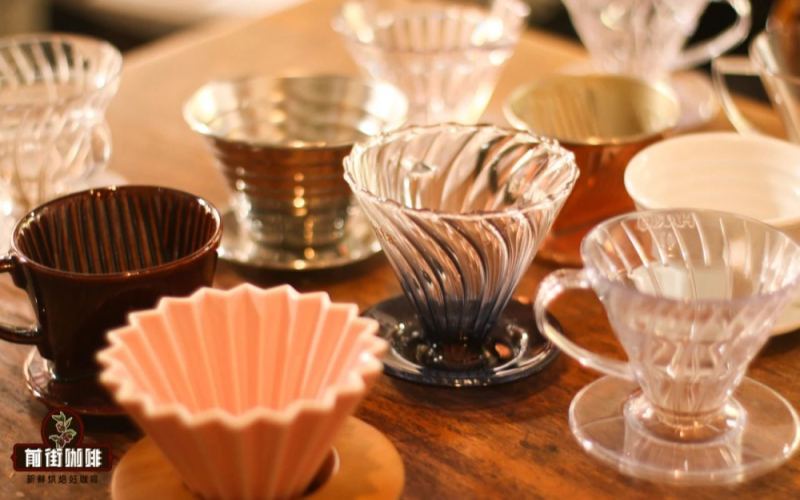
Pour-Over Coffee Filter Cup Selection Guide: How Different Shapes and Materials Affect Extraction and Flavor Performance
In the ecosystem of pour-over coffee equipment, the dripper plays a key role in determining the direction of extraction. Since the introduction of filter paper and drippers in the early twentieth century, more than a century of improvements has produced a rich variety of drippers on the market in terms of shape, number of holes, grooves, and materials, and each difference directly affects flow rate and extraction time, ultimately reflected in the coffee's mouthfeel and flavor. This article systematically reviews the design characteristics and suitable applications of mainstream dripper types such as fan-shaped, conical, wave, and metal, and further discusses the impact of materials such as ceramic, resin, and glass on heat retention. At the same time, drawing on Front Street Coffee's bean list, the article provides specific pairing suggestions for different drippers, helping coffee enthusiasts find a brewing method that suits them on the basis of understanding the equipment's characteristics. [more…]
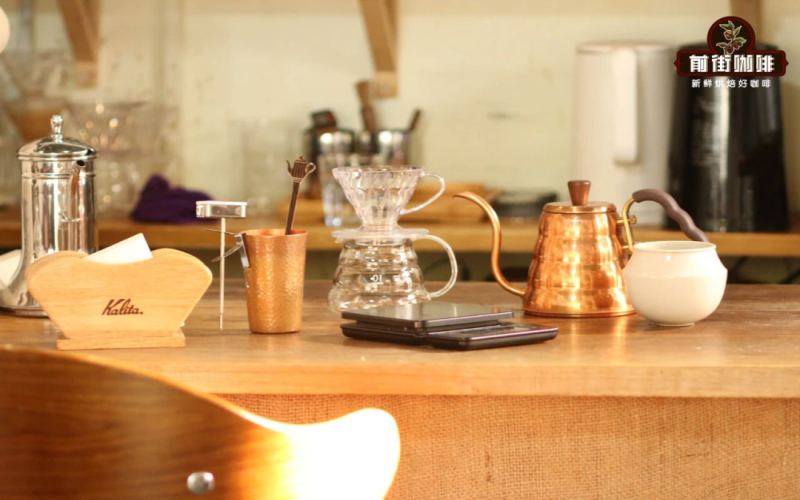
Pour-Over Coffee Basics for Beginners | What Pour-Over Coffee Equipment Do Coffee Beginners Need to Prepare? What Roles Do the Coffee Pot, Coffee Grinder, Powder Sifting Net, and Coffee Dripper Play?
With the rise of the third wave of specialty coffee, more and more people are paying attention to coffee, including how to make a cup of coffee. Front Street Coffee believes that if you want to make coffee at home, the simplest option is pour-over coffee, since the equipment you buy isn't as bulky as an espresso machine and [more…]