







Search Results for: Japanese slow roast
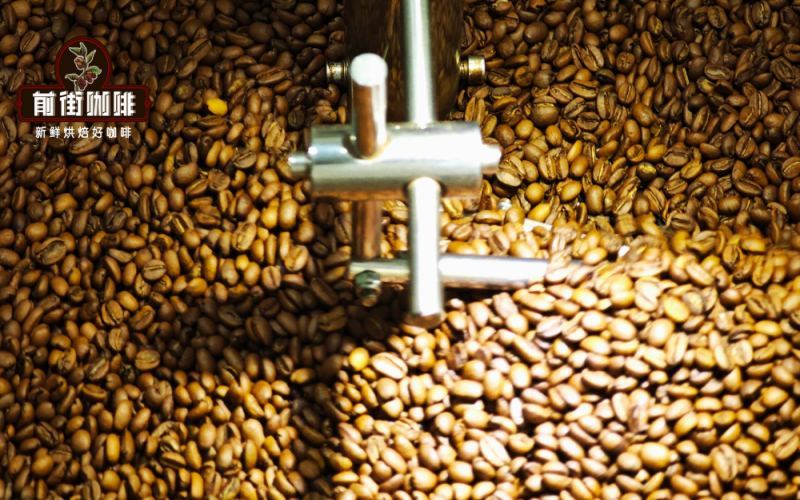
Practical Comparison of Japanese-Style Slow Roasting vs. Nordic-Style Fast Roasting: Roast Curves and Cupping Flavor Differences of Yirgacheffe Worka Red Cherry
The two major schools of coffee roasting—Japanese slow roasting and Nordic fast roasting—reflect fundamentally different philosophies of tasting: the Japanese value a rich, clean mouthfeel, while the Nordics prefer bright, elevated acidity and aroma. This time, Front Street Coffee selected the sun-dried Yirgacheffe Worka Red Cherry and, through two actual roasting curves, compares the differences between slow roasting and fast roasting one by one—from airflow and heat adjustment, the pace of temperature rise, to the appearance of the roasted beans and cupping performance. Slow roasting is like braising pork until tender, letting heat penetrate evenly; it results in a high degree of development, rounded sweetness, and a short resting period. Fast roasting emphasizes the efficiency of hot air and pursues bright floral and fruity aromas, but it demands stricter quality from the green beans. The article also introduces the origin background of the Worka cooperative and the division of labor at the Banko processing station, and, combining green bean grade, appearance consistency, and actual cupping results, sorts out the applicable scenarios and flavor orientations of the two roasting methods for coffee lovers' reference. [more…]
What's the difference between Japanese-style slow roasting and Nordic fast roasting? An in-depth analysis of the flavor differences in Yirgacheffe Worka Red Cherry roasting.
What are the essential differences between the two major schools of coffee roasting—Japanese-style slow roasting and Nordic-style fast roasting—in terms of technique and flavor expression? This article uses Front Street Volcán Red Cherry coffee beans (natural process) as a sample, and through a comparison of two actual roasting curves, breaks down each stage one by one, from charge temperature, heat and airflow adjustment, to the yellowing point and first crack development. Japanese-style slow roasting pursues a steady mouthfeel, pronounced caramelization, and high consistency, with a short resting period; Nordic-style fast roasting emphasizes lifted floral and fruity aromas and a tea-like entry, but places higher demands on green bean quality. The article also analyzes dimensions such as roasted bean appearance, ground coffee color differences, and cupping performance, leading you to a comprehensive understanding of how these two roasting philosophies shape the final flavor of coffee. [more…]
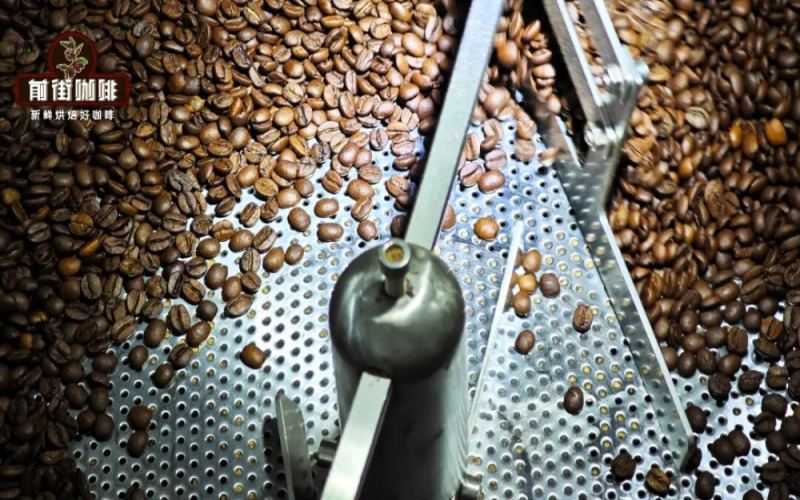
The Historical Origins of Japanese Ultra-Dark Roast Coffee: Why Japanese People Are Drawn to This Rich Flavor
At a time when specialty coffee is widely chasing the light-roast fruit acidity, Japanese-style dark roasting stands out with its unique low-heat, slow-roasting approach. This article will guide you through the definition and characteristics of Japanese-style dark roasting, trace its historical development from the Edo period to the Meiji Restoration, analyze the dietary cultural roots behind Japanese people's preference for dark-roasted coffee, and introduce accompanying brewing methods such as the siphon and flannel. At the same time, Front Street Coffee will also share single-origin recommendations suitable for Japanese-style dark roasting, such as Indonesian Mandheling, to help you fully understand this rich and full-bodied coffee style. [more…]
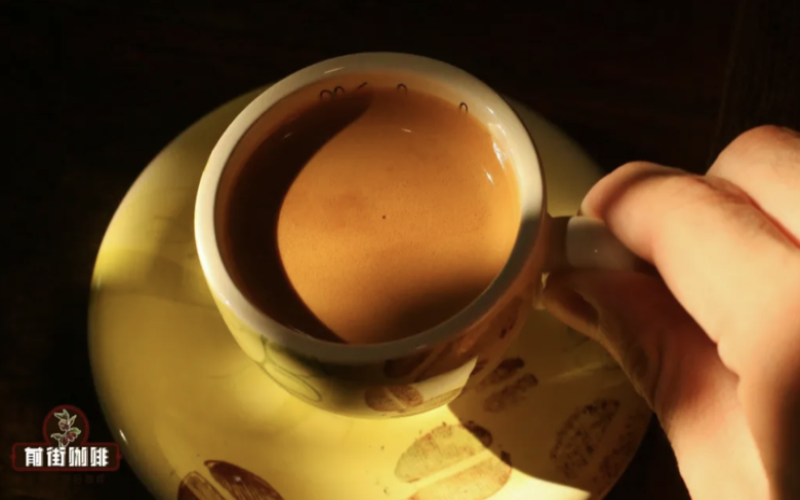
The Japanese Dark Roast School: A Roasting Philosophy That Takes Mouthfeel as Its Faith
In an era when specialty coffee has unmistakably surged toward "light-roast fruit acidity," the Japanese roasting world took the opposite path: roasting beans dark and thorough, pursuing the mellow aesthetics of "sweetness after bitterness." Japanese-style dark roasting is not an accidental product of over-roasting, but a self-consistent philosophical system. Understanding this school will change how you think about what "coffee should [more…]
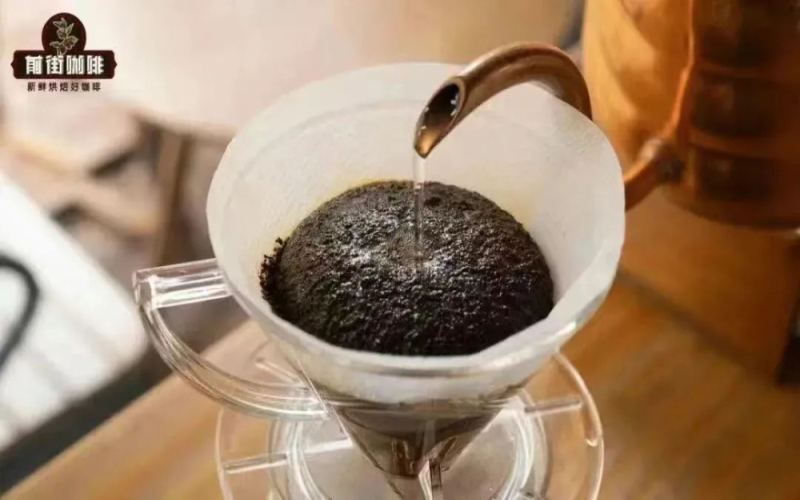
Why Does Japanese Hand-Drip Coffee Favor a Large Dose? Analyzing the Extraction Logic of High Concentration and Low Extraction
Japanese-style pour-over often uses a large dose of 20g or more—what extraction logic lies behind this? Starting from the characteristics of the dark-roasted beans favored by the Japanese, this article explains why they dislike bitterness, why they choose a coarse grind, and how a large dose slows the flow and increases concentration by thickening the coffee bed, ultimately forming a "high concentration, low extraction" style. The article also compares the differences between the Japanese-style coffee-to-liquid ratio and the conventional coffee-to-water ratio, and points out how a long extraction time, combined with a large dose, brings out caramel aroma and a highly sweet, lingering finish. If you are interested in the unique methods of Japanese brewing, or want to understand the concept of high concentration, low extraction discussed by Front Street Coffee, this article will give you clear answers. [more…]
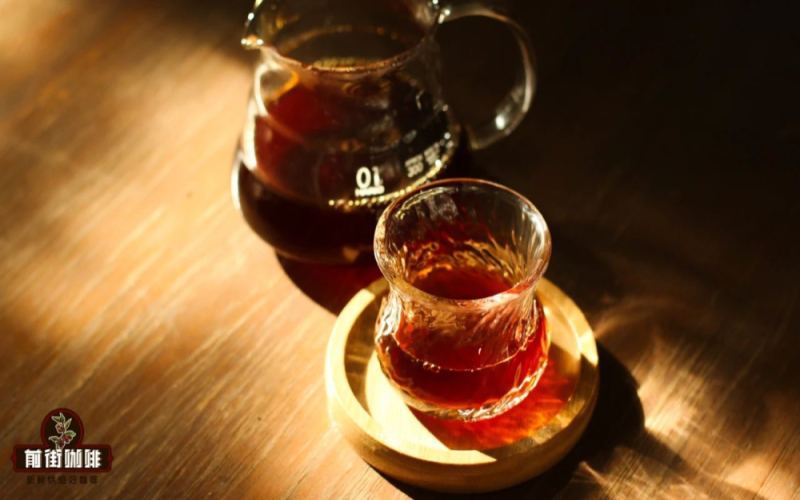
A Detailed Explanation of the Differences Among the Three Major Coffee Culture Circles: Japanese, Nanyang, and North American: Roasting, Brewing, and Wave Evolution
Coffee has evolved into strikingly different forms across the world's regions. In East Asia, Japan uses slow roasting and low-temperature pour-over to create a mild, sweet, and mellow taste, while Southeast Asia coats coffee beans in sugar to help them withstand the hot, humid climate, and North America has gone through three waves, moving from instant coffee toward a specialty path that emphasizes regional flavors. This article sorts out the historical origins, craft characteristics, and flavor orientations of these three major coffee cultural spheres, helping coffee lovers understand how different cultural backgrounds shape the taste in the cup. Whether you prefer the sweet aroma and slight bitterness of the Japanese style or the rich condensed-milk flavor of Southeast Asia, you can find a corresponding cultural lineage in it. [more…]
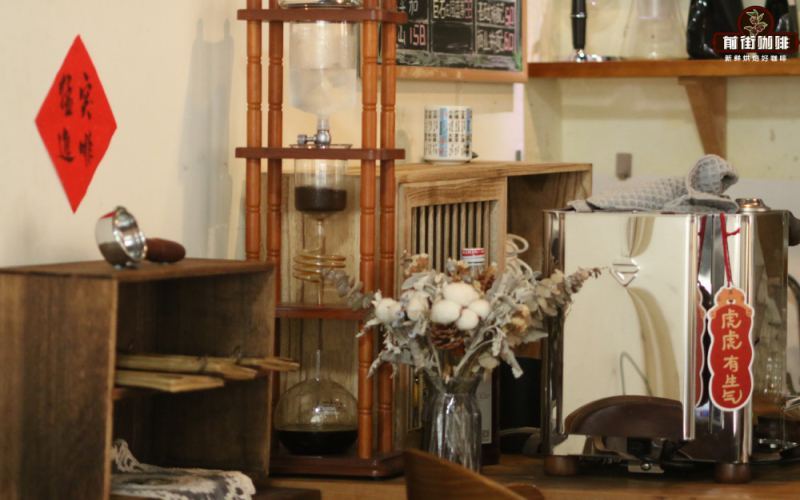
The Dutch Origins and Japanese Refinement of Cold Brew Coffee: A Full Analysis from Historical Roots to Brewing Parameters
Did ice drip coffee really not originate in the Netherlands? Many friends who come to Front Street Coffee are drawn in by the sight of ice water slowly dripping through an ice drip brewer, and become curious about exactly what kind of coffee this is. Ice drip coffee requires a long, slow extraction of 6 to 8 hours, so its output is limited and it is often in short supply. This article will begin with the historical origins of ice drip coffee, clarify the relationship between Dutch coffee, ice drip coffee, and cold brew coffee, then introduce in detail the structure and use of the ice drip brewer, and share specific brewing parameters using Costa Rica Mozart coffee as an example. Finally, Front Street will also recommend coffee beans suitable for making ice drip coffee according to four directions—tropical fruit fermented type, light and clean type, sweet and delicious type, and flavor blend type—to help everyone make a cup of rich yet not bitter ice drip coffee at home. [more…]

A Complete Guide to Iced Coffee Types and Characteristics: Detailed Brewing Methods for Japanese-Style Iced Pour-Over, Drip Bags, and Cold Brew
On a scorching summer day, a glass of iced coffee is nothing short of a lifesaver. This article systematically breaks down the types and characteristics of coffee beans suitable for making iced coffee, including three Front Street Coffee recommendations—Ethiopia Natural Red Cherry, Panama Elida Natural Typica, and Colombia Diviso Strawberry Claw—and explains in detail three brewing methods that work equally well at home or in the office: Japanese iced pour-over, drip-bag iced coffee, and cold brew, covering key parameters such as coffee-to-water ratio, water temperature, grind size, and pouring technique to help you easily make a refreshing, full-bodied summer drink. [more…]
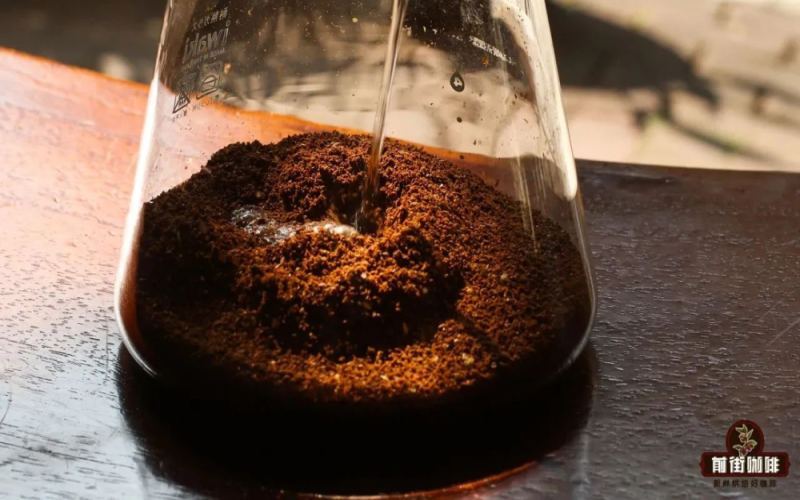
How to Make Cold Brew, Ice Drip, and Japanese Iced Coffee? A Detailed Guide from Extraction Principles to Front Street Kenya Beans in Practice
The iced coffee family has many members—cold drip, Japanese-style iced coffee, and cold brew coffee each have their own tricks. Where exactly do their methods and flavors differ? Using Front Street Kenya Little Tomato coffee beans as a practical case study, this article systematically sorts out the extraction logic of four types of iced coffee: the essential difference between hot brewing with rapid cooling and low-temperature slow extraction, the techniques for adjusting the coffee-to-water ratio and grind size in Japanese-style pour-over iced coffee, the steeping time and fermentation changes of cold brew coffee, and the key points of drip flow rate and overnight mellowing in cold drip coffee. It also includes Front Street's pour-over parameters, complete brewing steps, and flavor descriptions for each type of iced coffee, helping you find the cup of refreshing coffee that suits your taste. [more…]
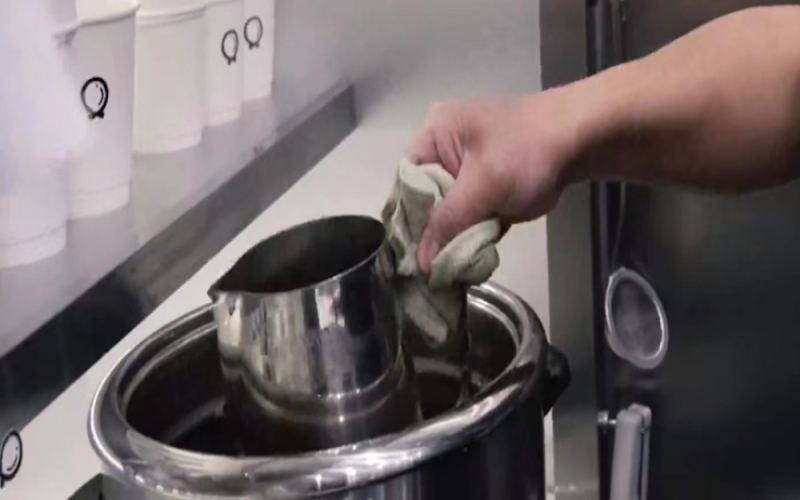
Can a purple clay pot also steam coffee? A new trick for Chinese-style extraction, low-temperature slow brewing brings a rich new experience
Following the buzz in Shanghai coffee shops over "double-boiler" extraction, Chinese-style coffee innovation has taken another step forward—at the Xiamen Coffee Festival, a shop introduced a Minnan-style brewing method using a purple clay teapot to steam coffee. In this method, coffee grounds are placed into a small purple clay teapot, slowly steamed in a bamboo steamer, then filtered and diluted with water for drinking. Its principle is similar to double-boiling: it uses low-temperature slow extraction to reduce bitterness and off-flavors, while the porous structure of the purple clay teapot can also absorb some of the compounds that cause bitterness. From Japanese Tokoname coffee pots to Chinese purple clay teapots, the clever use of ceramics in coffee extraction is being continually explored. This article walks you through the specific steps of this trendy method and the science behind it, and includes related recommendations from Front Street Coffee. [more…]
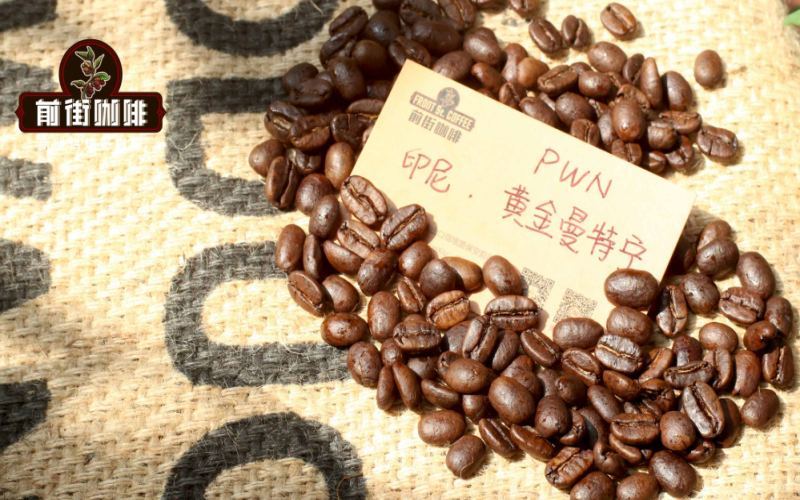
Why is Japanese Golden Mandheling produced in Sumatra, Indonesia? An analysis of the unique charm of Blue Sapphire Mandheling
Many people, upon first hearing "Japan Gold Mandheling," mistakenly assume it originates from Japan, but its true homeland is Sumatra, Indonesia. The name Mandheling derives from the self-designation of the local indigenous people, while the "Gold grade" represents extremely stringent hand-sorting and color-sorting standards. Front Street Coffee's PWN Gold Mandheling is produced by the Pawani company and combines classic Indonesian flavors with outstanding cleanliness—a bean that Mandheling enthusiasts should not miss. This article will guide you through the bean's unique characteristics, from its growing region background and grade definition to its flavor profile and brewing parameters. [more…]
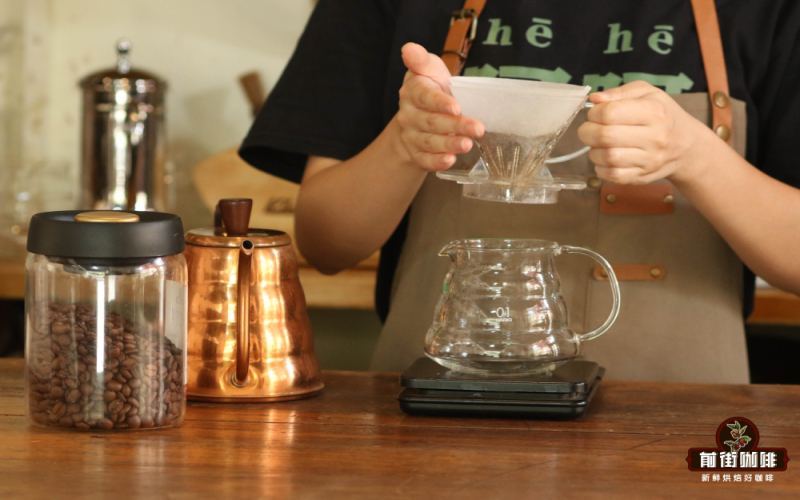
Analysis of the KONO dripper's design principles and brewing characteristics: How the short-rib structure affects extraction flavor and recommended coffee beans
As a well-known Japanese coffee equipment brand, KONO's cone-shaped dripper occupies an important position in the pour-over coffee world thanks to its unique short-rib design. Starting from the historical origins of the KONO dripper, this article takes a deep dive into how its rib structure slows the flow rate and extends the steeping time by limiting the space for air to escape, thereby improving extraction balance and body. At the same time, in response to the brewing needs of medium-to-dark roasted coffee beans, it shares the real-world parameters used at Front Street Coffee stores, including grind size, water temperature, coffee-to-water ratio, and a three-pour pouring scheme, and recommends a number of classic beans that pair well with this dripper, helping coffee enthusiasts fully master the logic of using the KONO dripper. [more…]
Cold Brew Coffee Bean Selection Guide: How to Choose Light-to-Medium Roast Fruity Single-Origin Beans, with Five Floral Bean Recommendations
Cold brew coffee, through its low-temperature slow extraction process, releases only floral and fruity aromas along with caramel sweetness, with almost no bitterness, making the choice of coffee beans especially critical. This article starts with the extraction principles of cold brew, answers what kind of coffee grounds to use for making cold brew, and highlights five light-to-medium roast single-origin beans with floral and fruity notes suitable for cold brew—from Front Street washed Fudingding to Butterfly—listing the flavor performance of each under two methods: cold brew/ice drip and Japanese iced coffee. At the end, it also includes Front Street Coffee's purchasing and roasting/shipping information, making it convenient for coffee lovers to buy as needed. [more…]
Is specialty coffee limited to light and medium roasts? The positioning and flavor analysis of dark roasts in the third wave
In the third wave of specialty coffee, light-to-medium roasts have almost become synonymous with the expression of "terroir," to the point that many enthusiasts frown the moment they see dark-roasted beans, even equating them with "Chinese herbal medicine taste" or "low-quality beans." But is dark roasting really incompatible with specialty coffee? What is the reason for its existence? From the SCA system to the bittersweet aesthetics of old Japanese-style kissaten, from differences in extraction methods to niacin and NMP on the health level, this article will dissect the rationality of dark roasting from a professional perspective and explain why a good-tasting dark-roasted coffee is often harder to find than a light roast. Front Street Coffee will also share the key principles of dark-roast brewing, guiding you to rediscover this underrated roasting style. [more…]
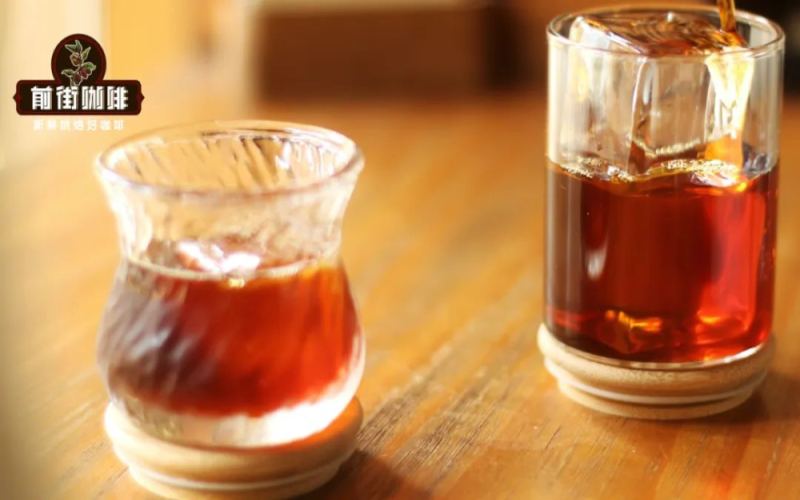
How to Make Delicious Japanese-Style Iced Coffee? Front Street Golden Mandheling Ice Brew Parameters and Complete Step-by-Step Guide
On a scorching summer day, a glass of iced coffee never fails to snap you awake. But many people run into the same problem when making iced coffee at home: the coffee turns out bitter and watery, with all the alluring caramel and nutty aromas diluted away by the ice. Is there a way to make iced coffee that is both refreshingly cold and retains the rich, mellow flavor characteristic of dark-roasted beans? A devoted fan of Front Street Coffee's Golden Mandheling shared his improved iced-brewing method, in which the key adjustments were the coffee-to-water-to-ice ratio and the pouring technique. The resulting black coffee not only has no trace of bitterness but also delivers notes of chocolate, maple syrup, and a creamy smoothness. Below is the complete set of parameters and step-by-step instructions—brew a pot and you'll discover the magic for yourself. [more…]
Analyzing the Differences Between American-Style Pour-Over and Japanese-Style Pour-Over: Coffee-to-Water Ratio, Grind Size, and Chemex Iced Coffee Brewing Method
There are obvious differences between American-style pour-over and Japanese-style pour-over in technique, roast level, grind size, and water temperature. Among them, the unique stirring motion and relatively high water temperature of American-style pour-over bring out a rich and bitter flavor. This article analyzes in detail the process of making iced coffee with a Chemex, and further explores the four key extraction points: grind size, time, stirring, and temperature. At the same time, it compares through experiments the flavor differences among the direct pouring method, the standard blooming method, and the blooming-with-stirring method. The article also specifically recommends related products from Front Street Coffee, providing a practical reference for coffee lovers. [more…]

Specialty Coffee | Why Are Light and Medium Roast Coffee Beans So Popular? Is Dark Roast Coffee Good? What's the Difference Between Dark Roast and Medium Roast Coffee?
Mainstream Third Wave Specialty Coffee Nowadays, cafes often emphasize that they serve "specialty coffee." What exactly is "specialty coffee"? Why is it that among the home-roasting businesses blooming like wildflowers, over ninety percent choose the so-called light-to-medium roast to interpret the flavors of green coffee beans? Just pay a little attention to coffee-related articles. [more…]
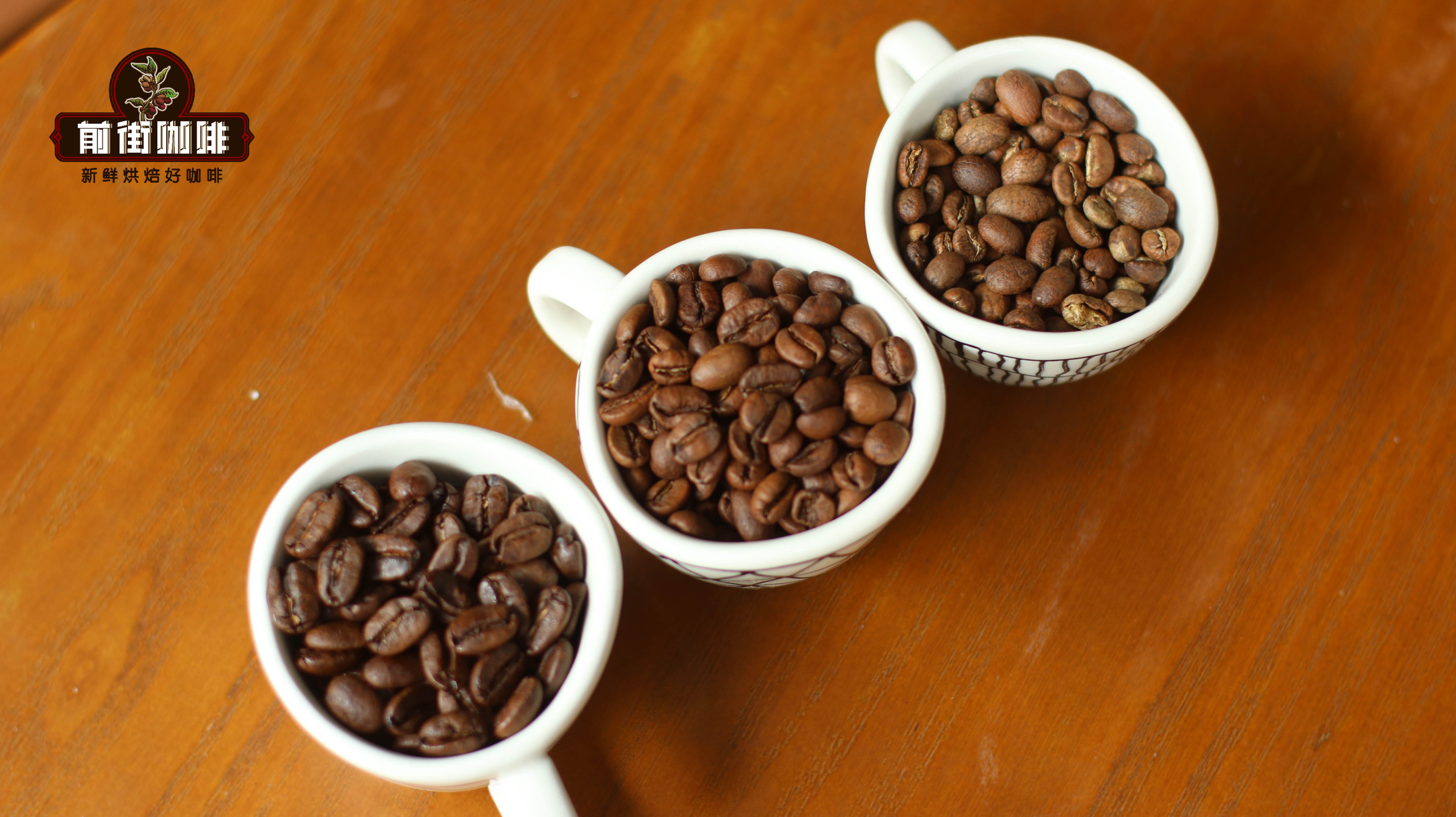
Coffee Bean Roast Levels Illustrated | What Do Japanese Extremely Dark Roast and Nordic Extremely Light Roast Mean? Which Tastes Better, Medium or Dark Roasted Coffee Beans?
Roasting is the process of turning green coffee beans into brown roasted beans~ The longer the roasting time and the longer the beans are exposed to heat, the darker the color of the coffee beans becomes. The surface color (bean surface) of the coffee beans when taken out of the roaster after different durations will also vary. This situation Front Street [more…]
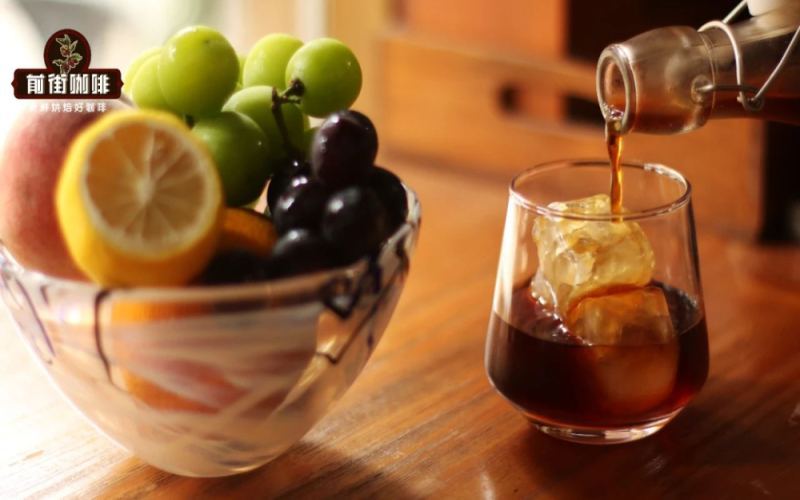
Cold Brew Coffee vs. Japanese Iced Pour-Over: A Full Analysis of Extraction Principles, Brewing Parameters, and Flavor Differences
On a scorching summer day, a refreshing glass of iced coffee always brings a unique kind of satisfaction. Cold drip coffee and cold brew coffee, as representatives of low-temperature extraction, are highly favored for their crisp taste and full-bodied flavor; while Japanese-style iced pour-over, made by adding ice to hot coffee, is known for its speed and simplicity. Starting from the practices at Front Street Coffee, this article systematically reviews the historical origins, brewing process, and equipment choices of cold drip coffee, compares the extraction logic and parameter adjustments of adding ice to hot coffee, and shares the flavor performance of medium-light roasted beans in iced coffee, helping coffee enthusiasts find the cup that suits them best in midsummer. [more…]
Indonesian Mandheling Coffee Bean Grading Explained: A Full Analysis of the Flavor Characteristics of Golden Mandheling and Regular Mandheling
Mention Mandheling coffee, and many people's first reaction is that intense earthy or herbal note—some love it deeply, while others find it hard to accept. Yet truly premium Mandheling coffee beans, in the hands of a roaster who understands them, can transform into a rich, mellow brew woven with cedar, licorice, and dark chocolate, revealing subtle fruity notes and a cocoa finish beneath the smokiness, profound and full like Bach's Air on the G String. This article will guide you through the origin of the name Mandheling, the grading standards for Golden Mandheling versus regular Mandheling, and how Indonesia's unique wet-hulling process shapes its soulful flavor. We will also introduce Front Street Coffee's approach to selecting and roasting Mandheling, along with specific brewing suggestions, to help you better savor this classic coffee from Sumatra. [more…]