







Search Results for: Indonesian coffee exports

Indonesian Protest Wave Hits Coffee Industry: Exports Plunge by More Than Half, Casting a Shadow Over Origin Prospects
Large-scale protests erupted in multiple parts of Indonesia against the amendment to the Regional Election Law, and the situation in front of the Indonesian parliament building in Jakarta briefly spiraled out of control, with more than 300 people arrested. This political turmoil comes just as Indonesia's coffee industry faces severe challenges—exports from the Sumatra production region plunged by more than 50% year on year, and compounded by high global robusta prices and the Red Sea crisis, Indonesia's coffee market remains sluggish. The protests have affected union participation and obstructed logistics, and industry insiders are generally pessimistic about the outlook for the coffee industry. This article will sort out the ins and outs of the incident and its deep impact on the coffee industry. [more…]
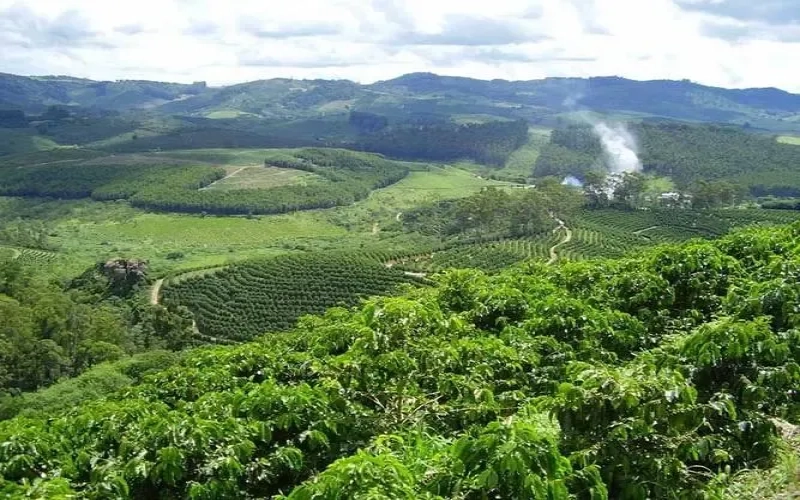
Both Indonesia's Robusta coffee production and exports decline, market expectations unmet
A recent Indonesian coffee industry report released by the U.S. Department of Agriculture shows that Indonesia's coffee production in 2024/25 is expected to recover to 10.9 million bags, of which Robusta is projected to reach 9.5 million bags. However, the reality is not so optimistic: since the beginning of this year, Indonesia has frequently suffered natural disasters such as floods, landslides, and volcanic eruptions, and Sumatra's Robusta exports in May plunged 54% year-on-year. With the aftermath of El Niño still lingering and the threat of La Niña approaching, coupled with rising domestic consumption and exporters holding back sales, the supply outlook for Indonesian Robusta is full of uncertainties. This article will review production, exports, climate, and market dynamics, and include relevant recommendations from Front Street Coffee. [more…]
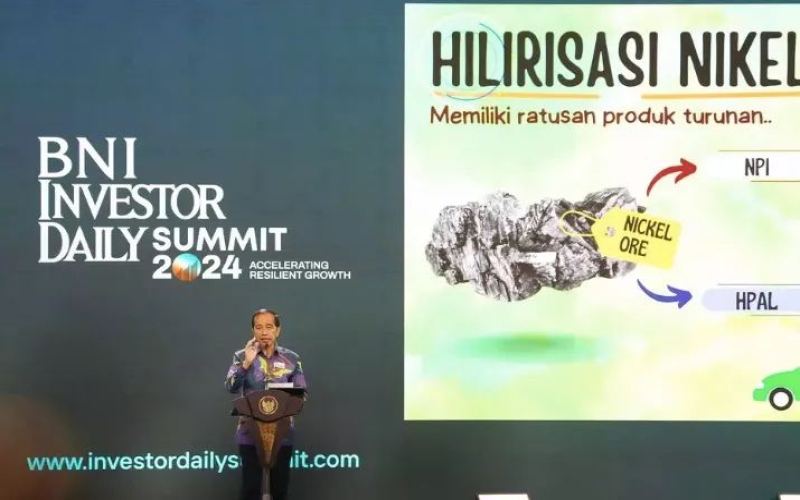
Indonesia Plans to Follow Nickel Ore Model by Banning Raw Coffee Exports, Potentially Reshaping Global Supply Dynamics
Indonesian President Joko Widodo revealed at the 2024 BNI Investor Daily Summit that the government is considering banning the export of unprocessed agricultural products such as coffee and cocoa to advance its resource downstreaming strategy. If implemented, this policy will directly affect the export volume of the world's fourth-largest coffee-producing country, thereby driving up international coffee prices. It is worth noting that Jamaican Blue Mountain coffee had a similar precedent, but it was eventually relaxed due to trade liberalization. Indonesia's domestic consumption is robust, with exports accounting for more than half, and whether the deep-processing policy can be smoothly implemented remains in question. This article reviews the policy background, historical cases, and market impact for the reference of coffee enthusiasts. [more…]
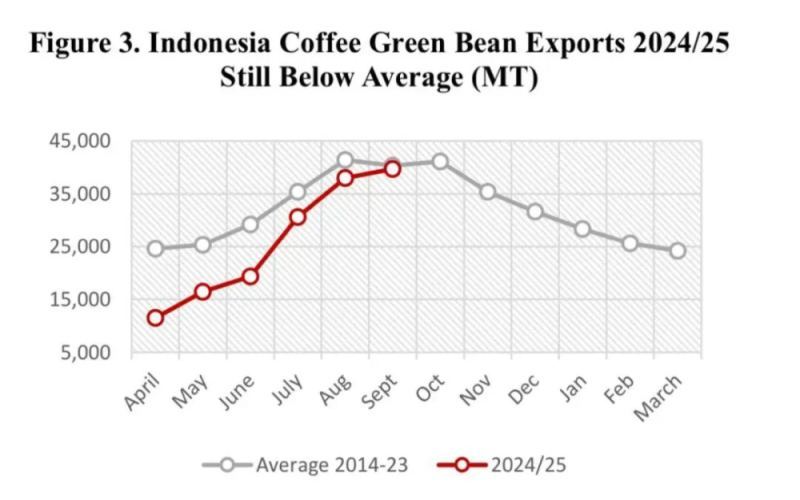
Indonesian Coffee Production Expected to Rebound to 2.4 Million Bags: Analysis of Export and Domestic Demand Trends
The latest report from the United States Department of Agriculture shows that Indonesia's total coffee production for 2024/25 is expected to increase by about 2.4 million bags (60 kg/bag) compared with the previous year, but the overall recovery remains below expectations, with production revised down by 8% year on year. Affected by strong domestic demand, the volume available for export is expected to fall by 12% to 5.2 million bags, though this is still 18% higher than exports in 2023/24. Recovery has been slow in the Robusta-producing areas of southern Sumatra, while the Arabica-producing areas of northern Lintong have suffered heavy rainfall and secondary disasters. Domestic purchasing power is weak, and consumption growth is less than 1%. The European Union had increased purchasing because of the EUDR regulations, but later postponed implementation for one year. Production in Vietnam and Brazil is unstable, and coffee prices remain high. Front Street Coffee will continue to monitor developments in producing regions. [more…]
What is the difference between Mandheling and Golden Mandheling? An analysis of the flavor and taste characteristics of Mandheling pour-over coffee.
Mandheling coffee is hailed as the representative of specialty coffee in Asia, while Golden Mandheling attracts much attention for its higher price. Both originate from the island of Sumatra in Indonesia, so why is the price gap so wide? This article systematically sorts out the core differences between Mandheling and Golden Mandheling, from the origin of the name Mandheling, the way Indonesian production regions are defined, and the classification of export grades, to the evolution of the Lintong and Aceh production regions. At the same time, combined with pour-over extraction, it introduces the flavor and taste characteristics of Mandheling, and recommends Front Street Coffee's Mandheling and Golden Mandheling products, helping coffee enthusiasts build a clear understanding. [more…]

A Complete Guide to Indonesian Coffee Regions: Flavor Codes from Java, Mandheling to Sulawesi
Indonesia is an important coffee-producing country globally, known for its full-bodied, low-acid flavor with caramel and dark chocolate sweetness. From the introduction of coffee by the Dutch in 1696, to the rise of Robusta after leaf rust disease, to today's three major producing regions of Sumatra, Java, and Sulawesi each with their own characteristics, Indonesian coffee has gone through a tumultuous history. This article will guide you through the development of Indonesian coffee, its growing environment, varieties, and wet-hulling processing method, and provide an in-depth analysis of the flavor differences between Mandheling, Kopi Luwak, and Java coffee. Front Street Coffee will also share brewing parameters for Golden Mandheling, Kopi Luwak, and West Java coffee, suitable for coffee lovers who prefer a non-acidic, full-bodied taste. [more…]
Exploring Indonesian Coffee Origins: Aceh Mandheling, Archipelago Flavors, and the Global Market Landscape
Indonesia is a major force in the global coffee landscape that cannot be overlooked. From the introduction of coffee by the Dutch in the 17th century, to the rise of Robusta after coffee leaf rust, to today's diverse island flavors such as Sumatra Mandheling, Java, and Sulawesi, Indonesian coffee is known for its full body, low acidity, and syrupy mouthfeel. This article systematically reviews the spread of Indonesian coffee, the characteristics of its core producing regions, its grading system, and its export markets, and analyzes the historical causes behind its unique "storage" process. At the same time, Front Street Coffee has also selected a variety of Indonesian beans for you, helping you easily appreciate the profound charm of Mandheling. [more…]
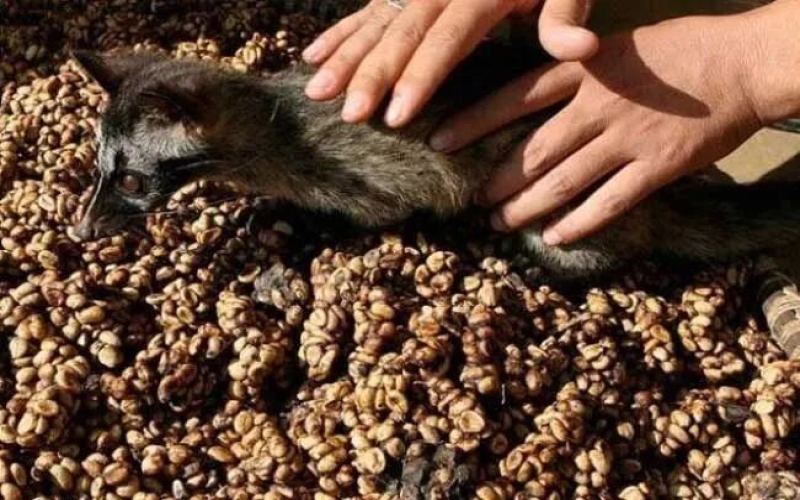
Asian Coffee Beans | What are the three most famous coffee representatives of Indonesia? What flavor characteristics does Indonesian coffee have?
Indonesian coffee is famous for its rich, mellow flavor and mouthfeel, with extremely low acidity. It has a caramel and dark chocolate-like sweetness and lingering aftertaste, which has made Japanese people almost obsessively devoted to this coffee. Indonesia is a major coffee-producing country in Asia and ranks among the top coffee-producing countries in the world. [more…]
Distribution and Variety Characteristics of Indonesian Coffee Regions: From Mandheling to Kopi Luwak—Processing Methods and Flavor Analysis
Indonesia is a major coffee-producing country globally, known for its rich, full-bodied flavor with extremely low acidity, and an alluring sweetness reminiscent of caramel and dark chocolate. This article systematically reviews the development history, main producing regions, variety composition, and unique wet-hulling process of Indonesian coffee, and provides an in-depth analysis of the flavor characteristics and brewing parameters of Sumatran Mandheling, Kopi Luwak, and Java coffee. Front Street Coffee's selected PWN Golden Mandheling, Kopi Luwak, and West Java coffee provide coffee enthusiasts with quality assurance from farm to cup, making them an ideal guide for exploring the world of Indonesian coffee. [more…]
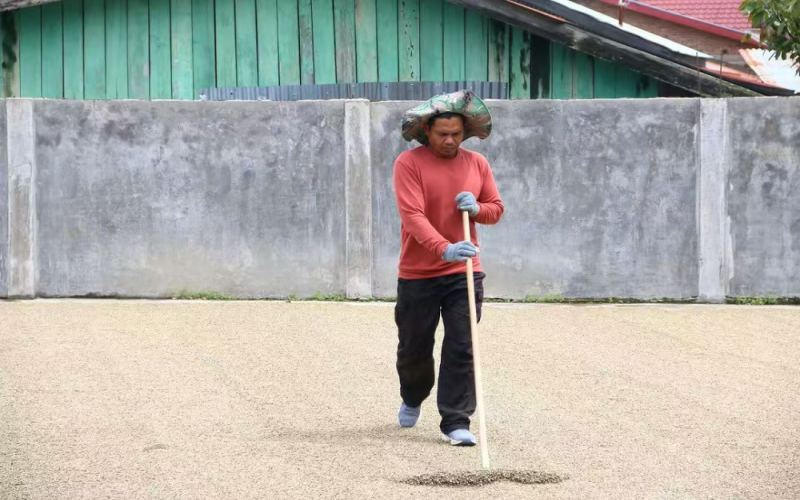
A Complete Analysis of Sumatra Coffee's Flavor and History: Indonesian Coffee Varieties, Wet-Hulling Processing Method, and an Introduction to Front Street Golden Mandheling
Indonesia is a globally significant coffee-producing country, known for its rich, full-bodied flavor with very low acidity, and a sweetness reminiscent of caramel and dark chocolate that particularly captivates Japanese coffee lovers. From the Dutch introduction of coffee in 1696, to the switch to Robusta after leaf rust destroyed Arabica, and now to the three major regions of Sumatra, Java, and Sulawesi each with their own distinctive character, Indonesian coffee has gone through a tumultuous history. This article will guide you through the development history of Indonesian coffee, its growing environment, main varieties, the unique wet-hulling process, and the flavor characteristics and brewing parameters of Sumatra Mandheling, Kopi Luwak, and Java coffee. Front Street Coffee will also share recommendations and brewing suggestions for products such as PWN Golden Mandheling. [more…]
A Complete Guide to Indonesian Coffee: From Colonial Introduction to the Flavor Map of Mandheling, Kopi Luwak, and Java
Indonesia is an important coffee-producing country globally, known for its full-bodied, low-acidity flavor profile with herbal and dark chocolate notes. This article traces the complete history of Indonesian coffee, from the Dutch introduction of coffee in 1696, to leaf rust destroying Arabica, to the rise of Robusta. It introduces the three core producing regions of Sumatra, Java, and Sulawesi, analyzes how the wet-hulling process shapes their unique taste, and explains in detail the flavor characteristics and brewing parameters of Mandheling, Kopi Luwak, and Java coffee. The article retains recommended and practical information from FrontStreet Coffee on PWN Golden Mandheling, Kopi Luwak, and West Java coffee, making it suitable for coffee enthusiasts who want a systematic understanding of Indonesian beans. [more…]

A Complete Guide to Indonesian Coffee Regions and Varieties: Decoding the Flavor Secrets from Mandheling to Kopi Luwak
Indonesia is a major coffee-producing country globally, renowned for its rich, mellow flavor with extremely low acidity, and its caramel and dark chocolate-like sweet aftertaste captivates countless coffee enthusiasts. From the introduction of coffee beans by the Dutch in 1696, to the rise of Robusta after the devastation of leaf rust disease, and now to the distinctive characteristics of the three major producing regions—Sumatra, Java, and Sulawesi—Indonesian coffee has gone through a tumultuous history. This article will take you through an in-depth understanding of the development history of Indonesian coffee, its growing environment, main varieties, wet-hulling processing method, as well as the flavor characteristics and brewing parameters of Mandheling, Kopi Luwak, and Java coffee, along with recommendations and practical advice from Front Street Coffee. [more…]
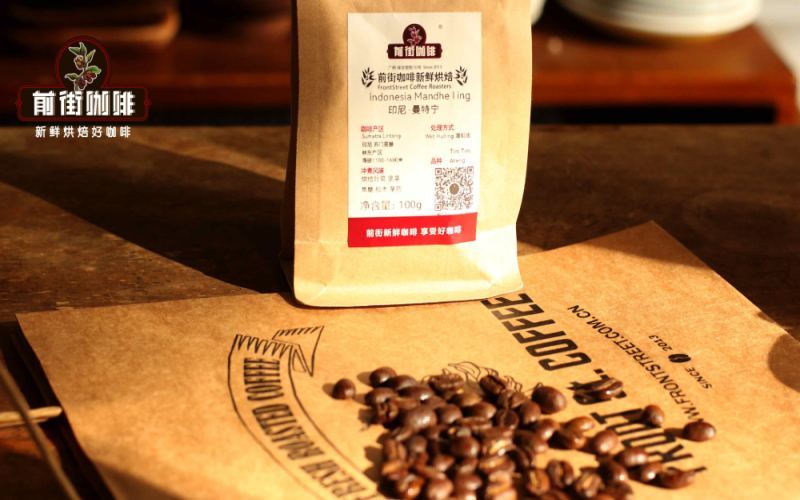
Tracing the Origins of Indonesian Sumatra Mandheling: The Naming Origins and Quality Standards of PWN Golden Mandheling
Mandheling is a classic representative of Asian coffee, and PWN Golden Mandheling is the pinnacle of high-end quality within this category. It is rich and smooth with low acidity, favored by drinkers who dislike sour coffee. This coffee, which gained worldwide fame earlier than Blue Mountain, originates from Sumatra, Indonesia, divided by the Barisan Mountains, with its highest peak, Mount Kerinci, being an active volcano at 3,800 meters above sea level. Mandheling is native to the Mandailing region of North Sumatra, while Golden Mandheling became a trademark registered by PWN rather than a grade designation. PWN was founded in 1957, focusing on the export of Sumatra Arabica Grade 1 and Robusta AP-I Grade 2, mainly sold to Japan and Taiwan, China, becoming synonymous with quality assurance. Golden Mandheling requires beans of 19 mesh or above, G1 grade, three rounds of hand sorting, with fewer than 3 defective beans. Front Street PWN Golden Mandheling comes from the Gayo Mountains in Aceh, at an altitude of 1,100-1,600 meters, of the Ateng variety, processed using the wet-hulled method, and after medium-dark roasting presents flavors of chocolate, caramel, spices, and herbs. It can be used for pour-over, drip bags, French press, siphon, moka pot, and home espresso machines to make SOE. [more…]
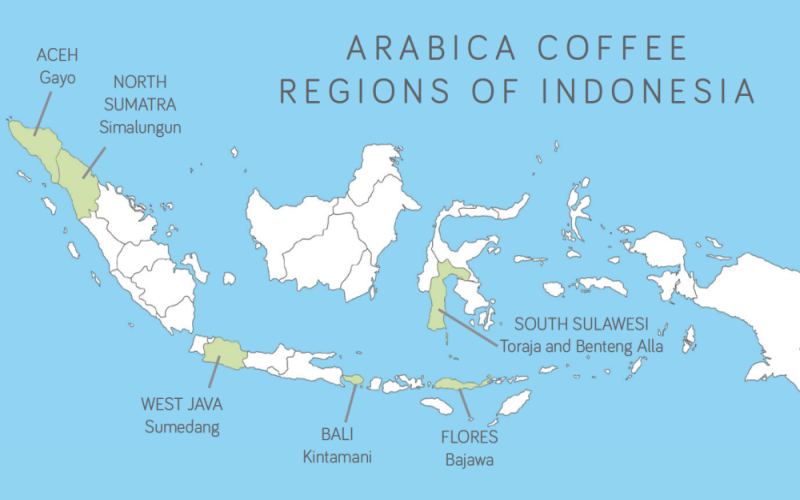
Decoding Indonesia's Three Major Coffee Regions: A Full Analysis from Mandheling to Kopi Luwak on Varieties, Processing Methods, and Flavors
Indonesia is a major coffee-producing country globally, renowned for its rich, full-bodied flavor with extremely low acidity, and its caramel and dark chocolate-like sweetness has captivated countless coffee enthusiasts. From the introduction of coffee by the Dutch in 1696, to the switch to Robusta after leaf rust devastated Arabica, and to today's three major producing regions of Sumatra, Java, and Sulawesi each leading in their own way, Indonesian coffee has gone through a tumultuous history. This article will guide you through the development of Indonesian coffee, its growing environment, main varieties, an in-depth analysis of the unique wet-hulling process, and a one-by-one introduction to the flavor characteristics and brewing parameters of representative coffees such as Mandheling, Kopi Luwak, and Java. Front Street Coffee will also share practical brewing suggestions for a variety of Indonesian beans. [more…]
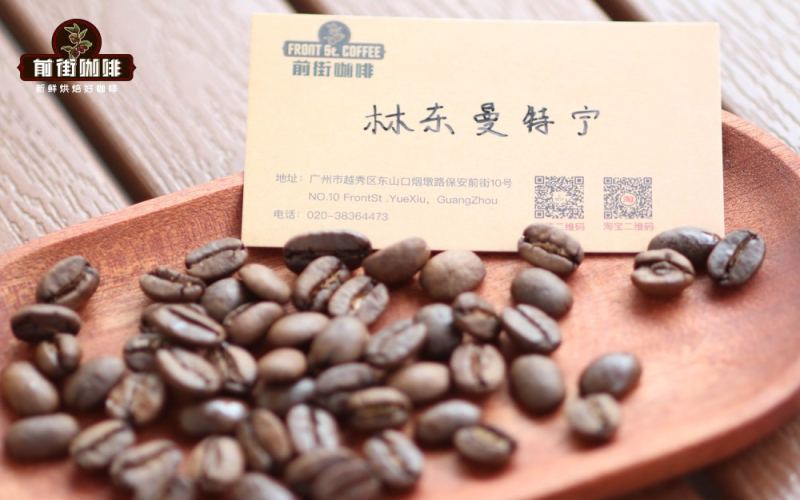
A Complete Analysis of the Variety, Price, and Pour-Over Flavor Characteristics of Indonesian Sumatra Golden Mandheling Coffee Beans
Golden Mandheling is a standout among Indonesian specialty coffees. Produced on the island of Sumatra, it is known for its rich, clean mouthfeel and its unique wet-hulling process. This article provides a comprehensive analysis of this representative Asian coffee, covering everything from the variety's origins, the history of PWN, the relationship between Ateng and Catimor, and the Aceh Gayo Mountain growing region, to Front Street Coffee's pour-over parameters and flavor description. Whether you are just beginning to explore Indonesian coffee or want to gain a deeper understanding of what makes Golden Mandheling unique, you will find practical information and tasting references here. [more…]
Exploring Indonesia's Three Major Coffee Regions: The Flavor Secrets of Java, Mandheling, and Sulawesi
Indonesia is a major coffee-producing country globally, known for its rich, full-bodied flavor with extremely low acidity, and the sweetness of caramel and dark chocolate has captivated countless coffee lovers. From the introduction of coffee by the Dutch in the 17th century, to leaf rust destroying Arabica and the rise of Robusta, to today's three major producing regions of Sumatra, Java, and Sulawesi each dominating in their own way, Indonesian coffee has gone through a tumultuous history. This article will guide you through the development of Indonesian coffee, its growing environment, varieties, and processing methods, and provide an in-depth analysis of the flavor characteristics of Mandheling, Kopi Luwak, and Java coffee, while also sharing Front Street Coffee's brewing parameters and recommendations. [more…]
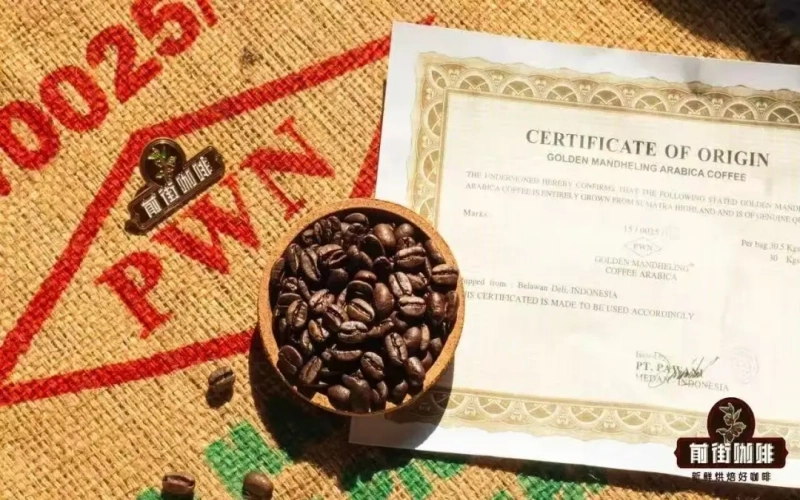
Indonesian Sumatra Mandheling Coffee Flavor Analysis! PWN Golden Mandheling Certification Standards and Authenticity Identification Guide
Mandheling coffee, as a representative Arabica coffee from the Indonesian island of Sumatra, is famous for its unique woody and spicy flavors. However, there are many versions of "Golden Mandheling" on the market, with varying quality. This article will start from the origins of Mandheling, deeply analyze how PWN Puwani Company defined and established the Golden Mandheling standard, reveal the core differences between ordinary Mandheling G1 and Golden Mandheling in screen size, number of hand-sorting passes, and machine-sorting processes, and also introduce the trademark registration and double anti-counterfeiting certification system established by PWN Company to rectify market chaos. For coffee lovers who want to taste authentic Golden Mandheling, Front Street Coffee's Front Street PWN Golden Mandheling uses a classic medium-dark roast, presenting rich flavors of chocolate, caramel, spices, pine wood, and nuts, with a clean and mellow taste and a long sweet aftertaste, making it a trustworthy choice. [more…]
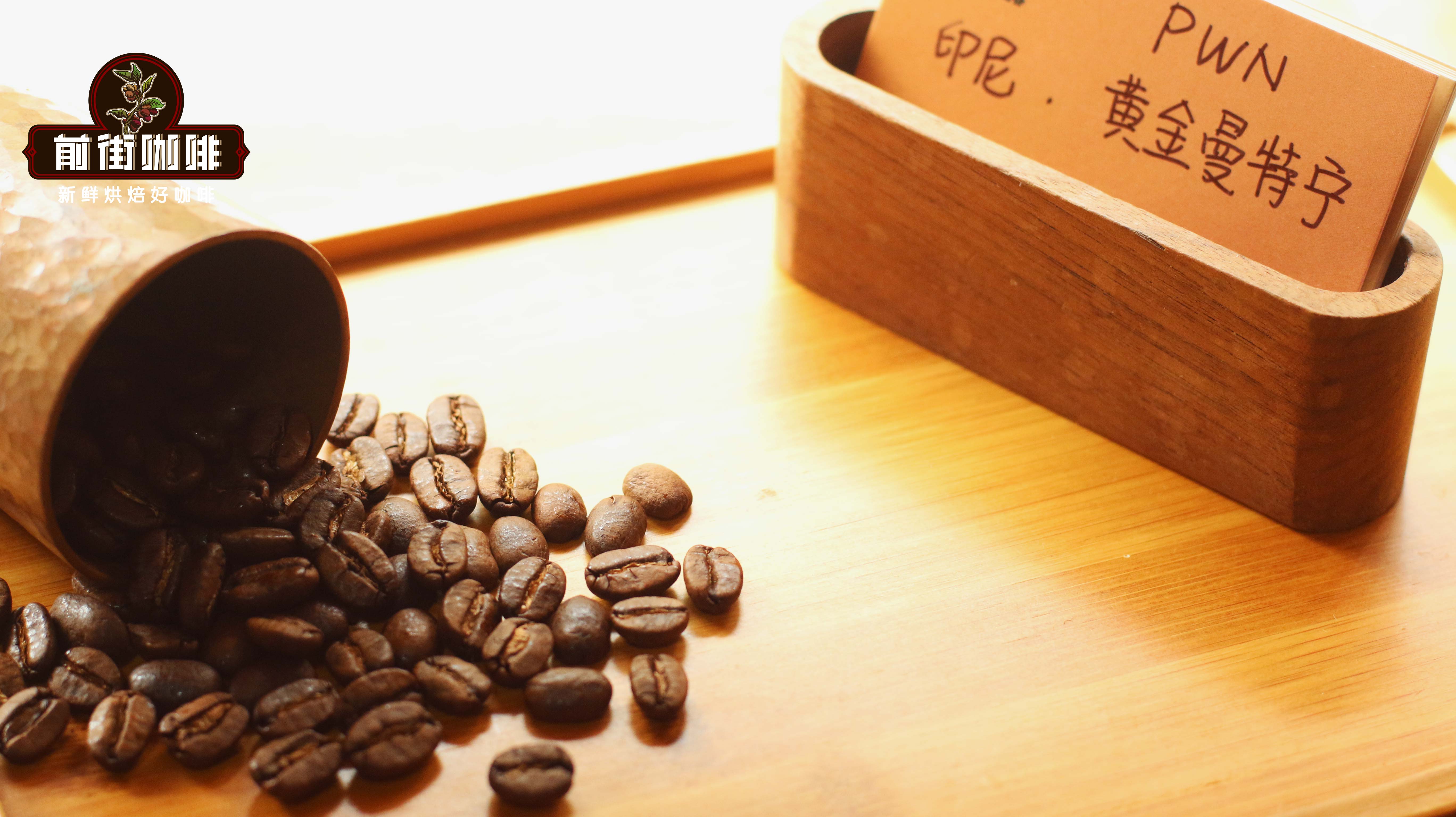
Indonesian Golden Mandheling Flavor Analysis: A Complete Guide from Origin and Variety to Wet-Hulling Processing
Mandheling coffee is a quintessential representative of Asian coffee, renowned for its full-bodied mouthfeel and herbal, agarwood-like flavor. But did you know? Mandheling is not a single variety, and Golden Mandheling is not a grade classification either—it is a trademark registered by the PWN company. Starting from the Indonesian Sumatra producing region, this article will provide a detailed breakdown of the differences between Mandheling and Golden Mandheling, Indonesia's coffee bean grading system, the varietal composition of Mandheling, and the distinctive wet-hulling process. At the same time, Front Street Coffee will share a flavor comparison between Golden Mandheling and Lintong Mandheling, along with specific brewing parameter recommendations, to give you a comprehensive understanding of this Indonesian specialty coffee. [more…]

Indonesian Mandheling Coffee Flavor Analysis: Is Dark Roast Golden Mandheling Acidic? Get to Know All the Taste Characteristics
When it comes to the representatives of Asian coffee, Mandheling is undoubtedly the awakening choice for many coffee lovers. Its rich, mellow body and steady, understated flavor have captivated countless people. This article will take you deep into the origins of Indonesian Mandheling coffee, its unique wet-hulling process, and the flavor characteristics imparted by dark roasting. At the same time, we will also analyze in detail the differences between Golden Mandheling and regular Mandheling, and recommend two high-quality coffee beans—Front Street. Indonesian Mandheling and Front Street PWN Golden Mandheling—to help you find the cup of rich, mellow flavor that suits you best. [more…]
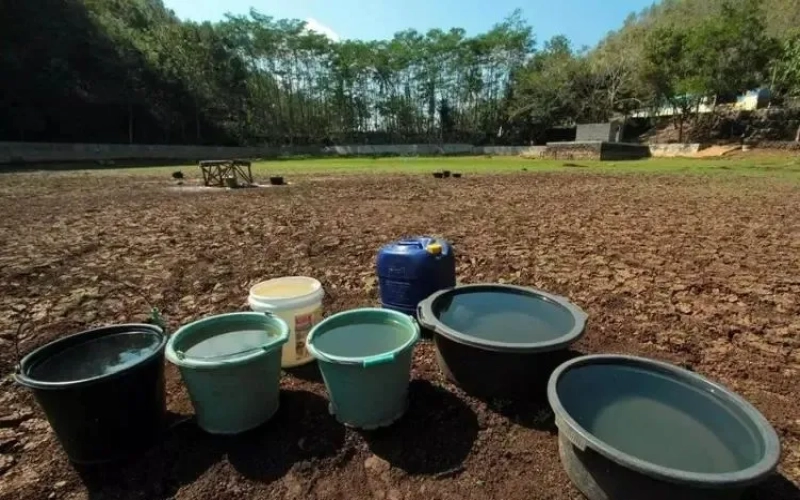
Indonesian Coffee Production Expected to Rebound 12.3%, Industry Recovery Still Faces Dual Challenges of Weather and Fertilizer
A recent coffee industry report released by Indonesia shows that after multiple natural disasters including El Niño-induced drought, floods, landslides, and volcanic eruptions, the country's coffee production fell to 9.7 million bags in the 2023/24 season. However, after entering the harvest season, actual data came in better than expected, and production is expected to rebound to 10.9 million bags in the 2024/25 season, an increase of 12.3%. Of this, Robusta production stands at 9.5 million bags and Arabica at 1.4 million bags. Although export volume is projected to rise from 4.3 million bags to 6 million bags, issues such as the La Niña phenomenon, rising fertilizer prices, and farmers' insufficient technical skills still bring uncertainty to the industry's recovery. [more…]