







Search Results for: Ice-Drip Coffee
Types of Iced Coffee | Is There a Big Difference Between Ice-Drip Coffee and Cold Brew? What Is the Extraction Principle of Cold Brew and Ice-Drip Coffee? An Introduction to the Flavor, Taste Characteristics, and Methods of Cold Brew and Ice-Drip Coffee
For more specialty coffee knowledge, please follow our WeChat official account: FrontStreet Coffee. Many customers who come to Front Street to drink coffee discuss whether there is a difference in taste between ice drip coffee and cold brew coffee. These are both common methods of making cold coffee, but these two kinds of coffee [more…]
Cold Brew Coffee Water Temperature | What Is Cold Brew Iced Coffee? What Are the Differences Between Cold Brew and Ice Drip Coffee? Which Tastes Better, Ice Drip or Cold Brew?
In the hot summer, a glass of iced coffee is truly refreshing, but now that autumn has arrived, will iced coffee still be so popular? Front Street tells everyone: absolutely! Because although it's autumn, the temperature is still there, and the taste of iced coffee is still there. Friends who like this flavor still [more…]
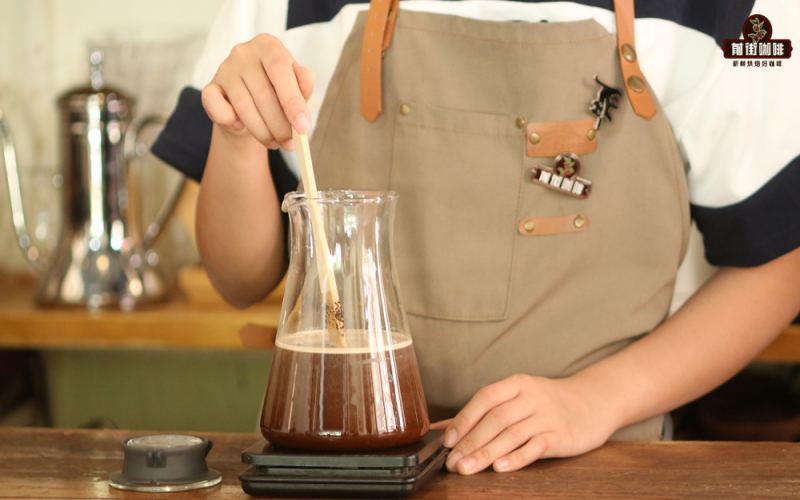
What Is the Difference Between Cold Brew Coffee and Ice Drip Coffee? A Full Guide to Low-Temperature Extraction Principles, Flavor Characteristics, and Brewing Methods
Cold brew coffee has swept across the United States in recent years. It is brewed with ice water or cold water, entirely at low temperatures, producing a clean cup that is low in acidity and bitterness, with a soft, sweet mouthfeel and fruity notes. Cold brew is strictly divided into the immersion style and the ice-drip style, but many people conflate the two. From the perspective of Front Street Coffee, this article sorts out the origins of cold brew coffee, the key points of water temperature and time, its differences from ice-drip coffee in extraction method and flavor layers, and recommendations for coffee beans suitable for making cold brew. Whether you prefer a rich, consistent cup or a bright, layered one, you can find the right one for you. [more…]
Types of Black Coffee | Is There a Big Difference in Flavor and Mouthfeel Between Ice-Drip Coffee and Cold Brew Coffee? Are the Extraction Principles of Ice-Drip and Cold Brew the Same?
For more specialty coffee knowledge, please follow: Front Street Coffee (Frontsteet Coffee). Many customers who come to Front Street to drink coffee discuss whether there is a difference in taste between ice drip coffee and cold brew coffee. Both are common methods of making cold coffee. Today, Front Street will conduct an experiment on these two [more…]

Introduction to Iced Coffee Types | What's the Difference in Flavor and Mouthfeel Between Ice-Drip Coffee and Cold Brew Coffee? Why Do Coffee Shops Require Reservations for Ice-Drip?
For more specialty coffee knowledge, please follow our WeChat official account: Front Street Coffee (FrontStreet Coffee). Recently, quite a few friends have come to the Front Street store asking if we have cold brew coffee. Among Front Street's iced coffees, we not only have cold drip, but also cold brew, iced Americano, and iced pour-over brews of various single-origin coffee beans. [more…]

How to Control the Time for Ice-Drip Coffee? Flavor Layers of Ice-Drip Brewed with Fresh Coffee Beans and a Comparison with Three Cold Brews
In the heat of midsummer, a glass of ice-cold, crystal-clear coffee is undeniably a great way to cool down. But did you know that cold coffee actually comes in three types: ice drip, iced (iced Americano), and cold brew, each with its own production logic and flavor profile? This article will help you understand the differences between the three, with a focus on ice drip coffee's drip rate, coffee-to-water ratio, and complete brewing process, and share three beans commonly used at Front Street Coffee shops that are suitable for ice drip—Mozart, Kenya Small Tomato, and PWN Golden Mandheling—each presenting a direction of dark berries, crisp and clean, and rich with a sweet finish. Whether you want to recreate it at home or are looking for a new summer flavor, this article offers practical reference. [more…]
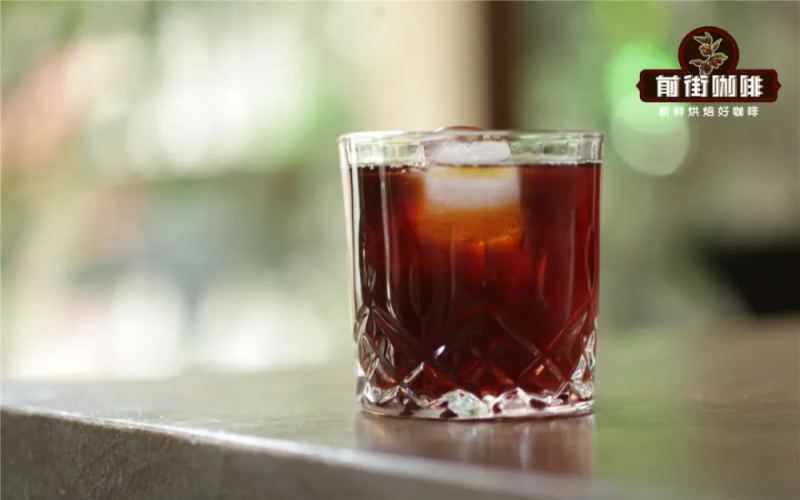
Analyzing the Flavor Differences Between Ice-Drip and Cold Brew Coffee: A Complete Guide from Extraction Principles to Make-Ahead Preparation
When the hot summer days meet a coffee craving, cold drip and cold brew become the two most talked-about low-temperature extraction methods in cafés. Both are refreshingly cool, yet they have completely different personalities: one drips out a clean, translucent vinous aroma, while the other steeps out a full, rich fruitiness. Starting from a real comparison at Front Street's store, this article takes you through a careful tasting of the flavor emphases of cold drip and cold brew, helps you understand the key differences in their production details, and presents the complete extraction parameters used by Front Street. In addition, we will answer a common question—why does wanting to drink cold drip coffee sometimes require booking two days in advance? [more…]
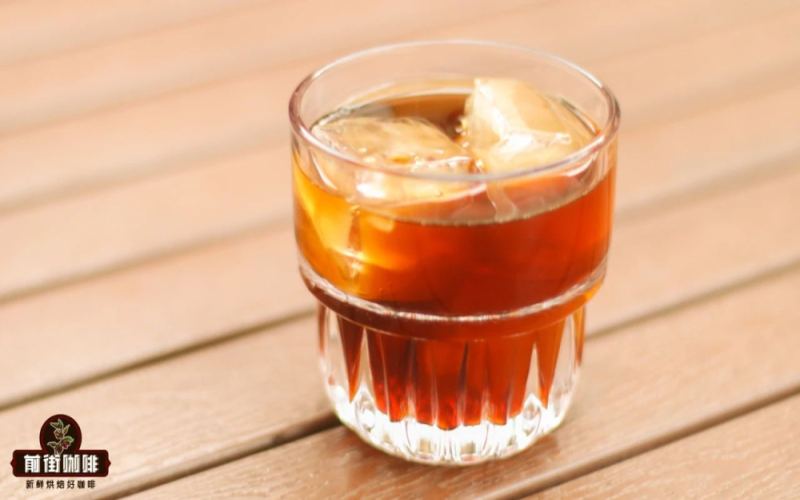
Coffee Types | What Are the Differences in Taste, Mouthfeel, and Characteristics Between Ice-Brewed Coffee and Cold Brew Coffee? How Long Can Ice-Drip and Cold-Brew Coffee Concentrate Be Stored in the Refrigerator?
For more specialty coffee knowledge, please follow our WeChat public account: Front Street Coffee (FrontStreet Coffee). Recently, Front Street came across a discussion asking "What's the difference between ice-brewed coffee and cold brew coffee?" Some replies said there was no difference, while others joked, "The difference is whether it's made by my hands. [more…]
Analysis of the Core Differences Between Pour-Over and Espresso Coffee, with Full Process for Espresso Extraction and Pour-Over Steps
Both are cups of coffee, yet pour-over and espresso head down two completely different paths. From bean selection and extraction pressure to caffeine content, the two show striking differences at every stage. This article will systematically compare pour-over coffee and espresso across three dimensions, and break down in detail the production process of espresso and the three-stage pouring steps of pour-over coffee. At the same time, the article will also introduce the actual brewing parameters used at Front Street Coffee shops, including key data such as dose, liquid weight, and extraction time, to help coffee lovers recreate a full-flavored espresso or a clean, bright pour-over at home. [more…]
How Long Can Cold Brew Coffee Be Stored Without Its Flavor Deteriorating? A Detailed Guide to Ice-Drip and Cold-Brew Methods and Storage Times
On a sweltering summer day, a glass of iced coffee instantly refreshes the senses. As a key member of the iced coffee family, cold brew coffee actually splits into two distinctly different methods—ice drip and cold steep—each with its own flavor profile and level of difficulty. This article covers the history of cold brew coffee, the complete steps for both brewing methods, coffee-to-water ratios and grind parameters, and the shelf life and flavor development patterns that everyone cares about most. Front Street Coffee has also recommended a range of specialty beans suited to low-temperature extraction—including Sherry, Fruit Ding Ding, and Huakui—to match different taste preferences, helping you easily make a cup of cold brew coffee to your liking at home. [more…]
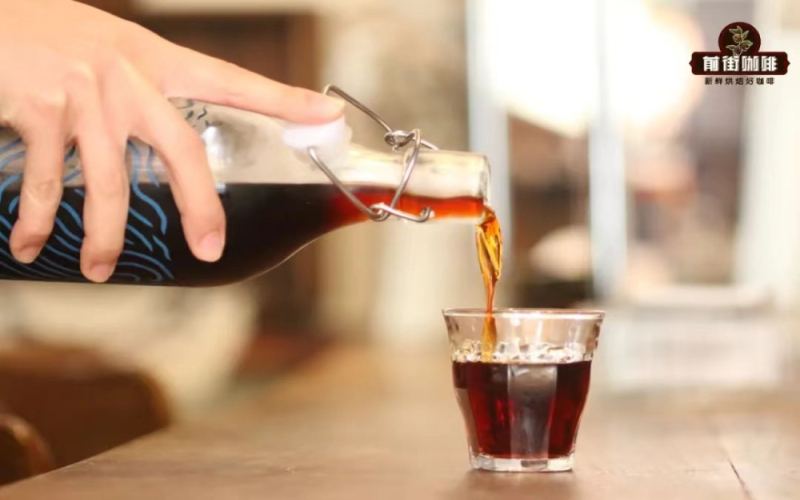
What Is Ice-Drip Coffee? Flavor Characteristics, Differences from Cold Brew, and Front Street Brewing Tips
Ice drip coffee is a type of coffee extracted by the prolonged dripping of ice water. It originated in Europe and is also known as Dutch Coffee because of the distiller invented by the Dutch. It is brewed slowly at low temperature, so astringent substances do not easily dissolve out, and after refrigerated fermentation it has a full body and a faint fermented aroma. Cold brew coffee, by contrast, is extracted by steeping in cold water for a longer time, giving it a heavy flavor similar to espresso. The two differ clearly in extraction method, flavor expression, and equipment. Front Street Coffee also offers advice on coffee bean freshness, the resting period, and the timing of grinding, helping coffee enthusiasts better enjoy this kind of low-temperature coffee. [more…]

Making Purified Milk at Home: A Full Guide to Ice Beer Thawing Methods, Milk Extraction Ratios, and Storage Tips
In the world of milk coffee, espresso is certainly the soul, but the choice of milk is equally important. In recent years, Ice Blogger purified milk, with its rich, sweet, and fragrant taste, has moved from specialty coffee shops into home kitchens, becoming a staple ingredient for many coffee lovers. This article addresses common questions about homemade Ice Blogger: from its German origins and appearances at WBC competitions, to the specific steps of freeze purification; from the choice between 200ml small bottles and 1-liter packs, and the impact of a 40% to 60% milk extraction ratio on flavor, to the time differences and hygiene considerations between room temperature and refrigerated thawing; finally, it also compiles recommended storage periods for homemade Ice Blogger. Front Street Coffee, combined with comparative experiments, provides a complete guide for friends who want to replicate Ice Blogger milk coffee at home. [more…]
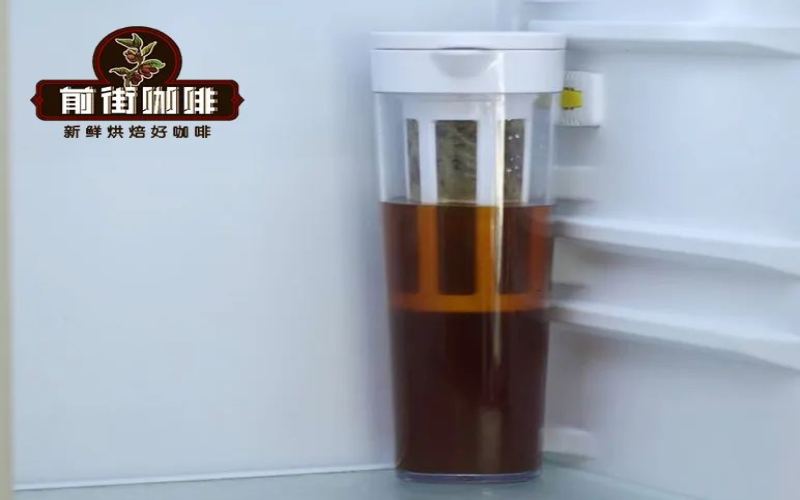
How to Make Cold Brew Coffee? A Full Breakdown of Coffee-to-Water Ratios, Grind Size, and Extraction Time for Cold Brew and Ice Drip
On a scorching summer day, a glass of iced coffee is the top choice for cooling off, and cold brew coffee, with its mellow, sweet taste brought by low-temperature extraction, is deeply loved by coffee enthusiasts. Cold brew actually comes in two types: immersion-style and ice-drip-style, each with its own particular methods of preparation, equipment, coffee-to-water ratio, and extraction time. This article uses Front Street Coffee's hands-on experience as an example to explain in detail the complete process for making immersion cold brew and ice-drip coffee, including the 1:10 ratio of 50 grams of coffee to 500 grams of water, grind size selection, refrigeration time control, and the six-step operation method for ice-drip coffee. It also recommends the Kenya Asalia coffee beans suitable for making cold brew and analyzes the bright acidity brought by its K72 washed processing method and SL28 and SL34 varieties. [more…]
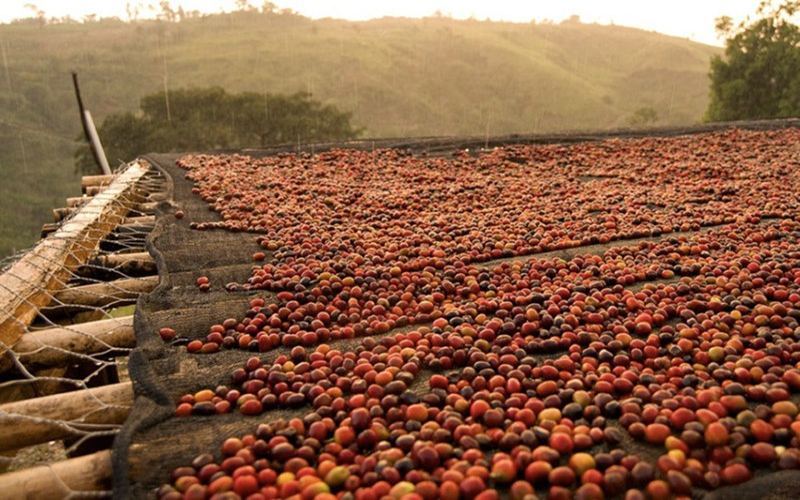
How to Choose Cold Brew Coffee Beans: A Flavor Guide from Light to Dark Roast
Cold brew coffee is left in the refrigerator to extract slowly; on the palate it is usually gentler than hot coffee, and its aromas also unfold in a different order. When choosing beans, the roast level is a very practical clue: light roasts lean toward bright fruit notes, medium roasts make it easier to taste sweetness and balance, while dark roasts bring cocoa, nuts and a rich body. First, decide which kind you want. [more…]
Calories in Americano | Did Americano Originate in America? How to Choose Americano Coffee Beans? Illustrated Guide to Making Iced Americano for Coffee Beginners
For professional coffee knowledge exchange and more coffee bean information, please follow Coffee Workshop (WeChat official account: cafe_style). For more specialty coffee beans, please add our personal WeChat Front Street Coffee (FrontStreet Coffee), WeChat ID: qjcoffeex. As a coffee shop's hot [more…]

How do you make cold brew coffee taste great? From coffee-to-water ratio to equipment, Front Street teaches you bean selection and brewing tips.
As the weather gradually warms up, iced coffee becomes a favorite for many, and cold brew, with its smooth taste brought by long low-temperature steeping, is winning over more and more coffee lovers. Starting from Front Street Coffee's actual practice, this article introduces the basic method of cold brew, the coffee-to-water ratio and extraction time, and shares the reason why cold brew made with soda water tends to be too concentrated, as well as the difference in taste after blending with fresh milk versus creamer. At the end, it also compiles eight specialty coffee beans suitable for making cold brew, covering producing regions such as Yirgacheffe, Huakui, Butterfly, and Huilan, for you to choose according to your flavor preference. [more…]
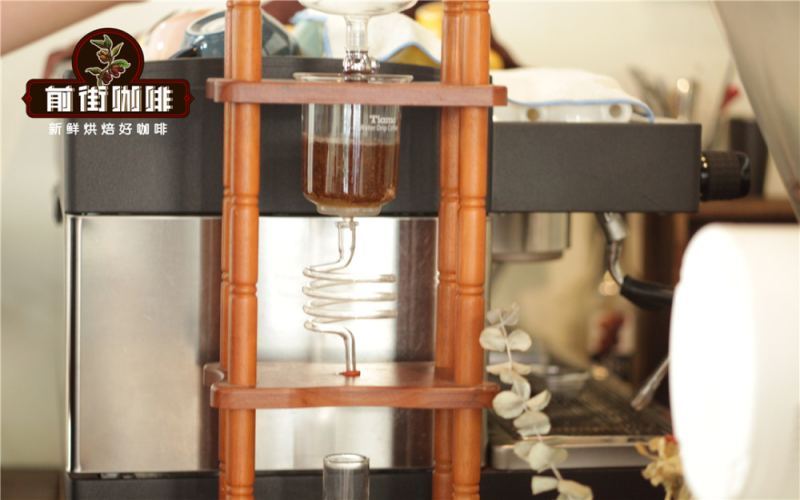
How to drink cold brew coffee for maximum flavor? A detailed explanation of the underlying fermentation principles and three Front Street concentrate recipes.
Cold brew coffee is a method of extracting coffee with ice water at low temperatures, completely different from regular pour-over. It originated from the invention of the Dutch on the island of Java in the 17th century, using condensed water pressure to drip through coffee grounds one drop at a time, taking up to 8 hours. Cold brew coffee has a unique flavor and needs to be refrigerated and fermented after extraction, reaching its best state on days 3 to 7, with a complex aroma reminiscent of fermented rice wine. This article explains in detail the steps for making cold brew coffee, key points for fermentation and storage, and shares three cold brew recipes commonly used by Front Street Coffee—dark berry type, light and clean type, and sweet and delicious type—to help you easily make a delicious cold brew suitable for summer. [more…]
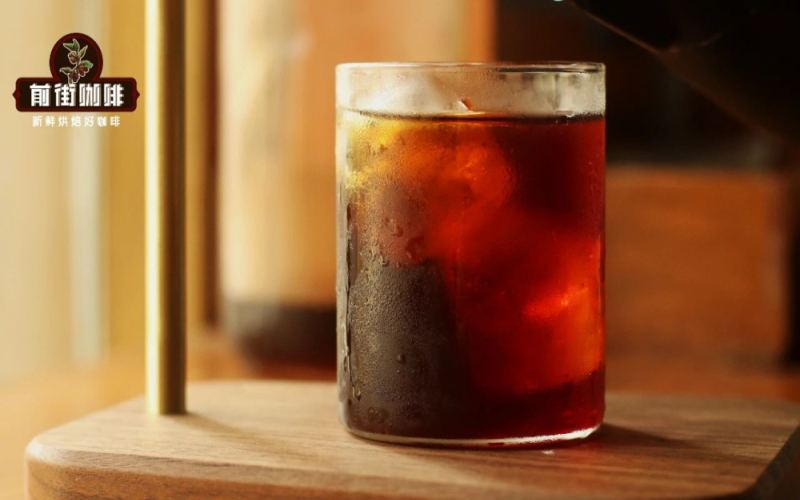
Where Does Cold Brew Coffee Flavor Come From? A Full Breakdown of Brewing Parameters, Kyoto-Style Drip Comparison, and Taste Adjustment
Is iced coffee still worth drinking after autumn arrives? The answer is, of course, a resounding yes. Cold brew coffee centers on low-temperature, long-duration extraction, which preserves more small-molecule flavors such as floral and fruity notes, reduces large-molecule compounds from smoky roasting and the sour-bitterness, and delivers a smoother mouthfeel with more pronounced layers and a sweeter finish. This article will systematically sort through the origins and extraction principles of cold brew, explain how water temperature, coffee-to-water ratio, grind size, and steeping time affect the taste, and offer adjustment ideas for coffee that is too bitter, too sour, or too weak. It will also compare the differences between cold brew and ice drip in terms of brewing method and flavor expression, and include Front Street Coffee's bean recommendations to help you make consistently delicious cold brew at home. [more…]
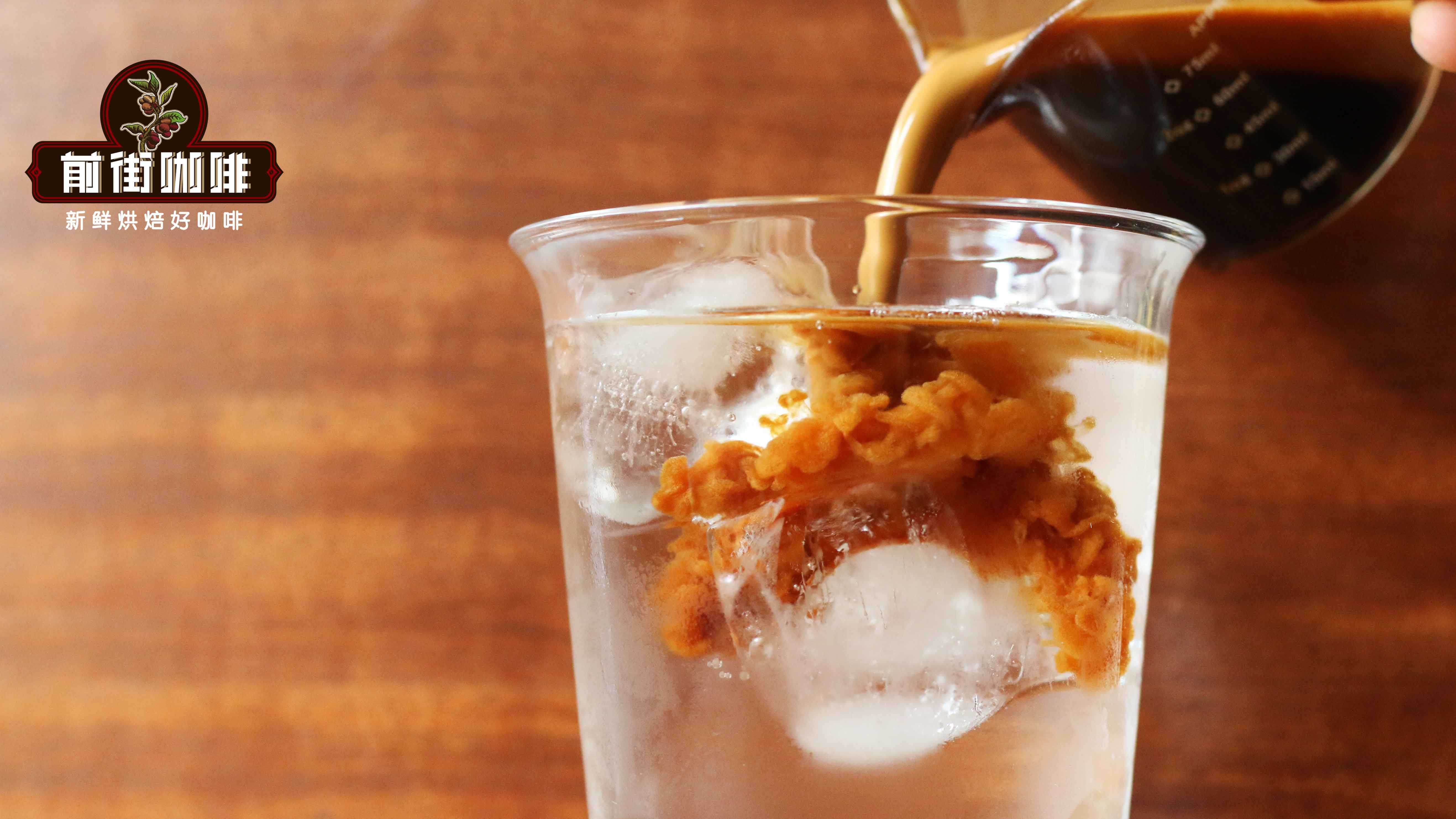
Cold Brew, Ice Drip, and Nitro Coffee Fully Explained: The Extraction Principles, Brewing Steps, and Flavor Differences of Four Iced Coffees
In the height of summer, a glass of iced coffee always brings a refreshing, invigorating coolness. Currently, the most common types of iced coffee are iced Americano, iced pour-over, cold brew, and iced drip, plus nitro cold brew, which is cold brew infused with nitrogen gas. These iced coffees each have their own merits in terms of extraction method, preparation time, equipment threshold, and the final flavor presentation. This article will analyze their differences and distinctive features one by one from the dimensions of extraction principles, detailed preparation steps, ease of operation, and taste characteristics, helping you find the cup of iced coffee that best suits your taste. Whether you prefer something light and crisp or are fond of a rich, fermented flavor, you can find the answer here. [more…]
What Is Cold Brew Coffee? A Full Analysis of Flavor Characteristics, Brewing Methods, and Differences from Ice Drip
Cold brew coffee has swept across the United States in recent years, but the prototype of cold-water extraction actually appeared in Kyoto, Japan, as early as the 17th century. Unlike high-temperature extraction, only small-molecule flavor compounds are released in a low-temperature environment, giving cold brew a smooth mouthfeel, mild acidity and sweetness, and a notably long, sweet finish. This article will walk you through the historical origins of cold brew coffee, the suitable water temperature, how it differs from ice drip coffee, and Front Street Coffee's brewing recommendations for both cold brew and ice drip. Whether you want to try making cold brew yourself or are torn over which tastes better, cold brew or ice drip, you'll find the answer here. [more…]