







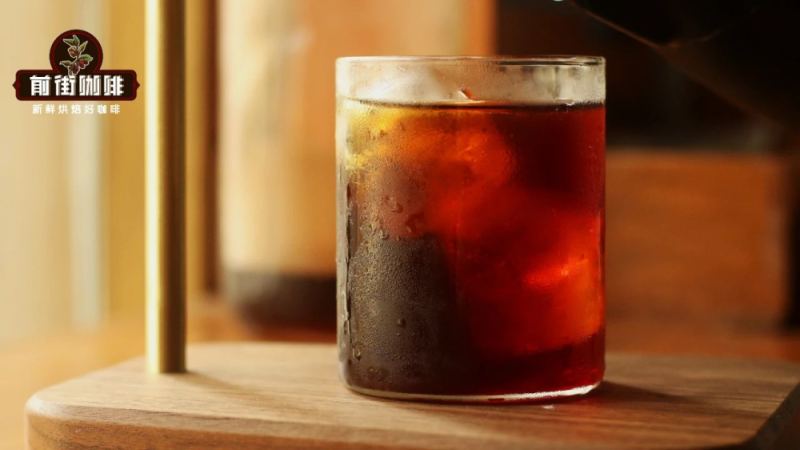
Does Iced Americano Taste Bitter Next to Cold Brew and Ice Drip?
Cold brew differs from iced americano because it is extracted with cold water over a long contact time. Only small-molecule flavor compounds such as floral and fruity aromas come through at low temperature, while larger smoky and roasted compounds stay behind. The result is a smooth mouthfeel, mild acidity and sweetness, and a pronounced sweet aftertaste.
Hot extraction breaks down tannic acid into pyrogallic acid, which brings bitterness and acidity to drinks like iced americano. Cold water extraction appeared as a prototype in Kyoto as early as the 17th century, and it has only gained wide popularity in the United States in recent years. Ice drip coffee works on the same cold-water principle with a slower drip.
Cold brew coffee has swept across the United States in recent years, but in fact, the prototype of cold water extraction already appeared in Kyoto, Japan, as early as the 17th century. Unlike high-temperature extraction, only small-molecule flavor compounds are released in a low-temperature environment, giving cold brew a smooth mouthfeel, mild acidity and sweetness, and a pronounced sweet aftertaste. This article will walk you through the historical origins of cold brew coffee, the suitable water temperature, the difference between cold brew and ice drip coffee, and Front Street Coffee's brewing recommendations for cold brew and ice drip. Whether you want to try making cold brew at home or are torn between which of cold brew and ice drip tastes better, you'll find the answer here.
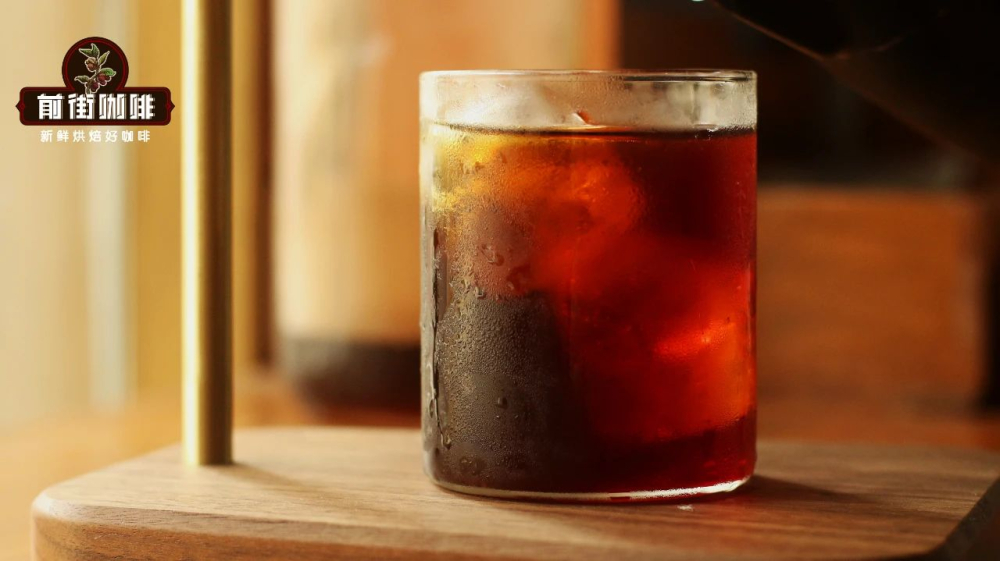
There's nothing like a glass of iced coffee in the heat of summer—the refreshing sensation goes without saying. But now that autumn has arrived, can iced coffee still remain popular? Front Street's answer is clear: of course it can! Although the season has turned to autumn, the temperature hasn't really come down yet, so the appeal of iced coffee remains, and the enthusiasm of those who love it hasn't diminished in the slightest.
Many people may not have realized at first that coffee can actually be brewed with cold water. After all, most of the coffee we drink daily is extracted at high temperatures—grinding roasted beans to the right coarseness, then using hot water to dissolve out the flavor compounds. Under high-temperature conditions, the tannic acid in coffee breaks down into pyrogallic acid, which brings bitterness and acidity.
But Front Street wants to tell you that coffee brewed with cold water has a completely different character, and it's quite popular. The reason is that cold brew is a low-temperature extraction: water and coffee grounds stay in contact for a long time at low temperature, so only smaller-molecule flavor components (such as floral and fruity aromas) can be extracted, while larger-molecule smoky and roasted substances are hard to release. Precisely because of this, cold brew coffee better showcases the beans' own personality, with a smooth entry, distinct layers, and a prominent sweet finish.
Front Street will now introduce you to cold brew coffee. Cold brew has only gradually become popular in the United States in recent years, and people have come to realize that coffee doesn't have to be drunk hot—steeping or dripping with cold water can also produce delicious coffee. As for Europe, it may still take some time to embrace this new trend. Cold brew coffee is also called cold water brew coffee; the entire extraction process involves only ice water and coffee grounds, and the finished product is purer, so it fully presents the coffee's subtle flavor characteristics. Because its acidity is mild, it tastes sweet, bright, and smooth, with a faint fruity note. At Front Street Coffee, cold brew coffee is deeply loved by customers—sit in the shop, slow down your hurried pace, and properly enjoy the beauty of a cup of coffee.
There are two main reasons cold brew coffee has become popular. First, the younger generation prefers milder flavors and has relatively limited acceptance of traditional espresso; second, milder coffee also fits better with the concept of health and wellness. Cold brew coffee is low in acidity and bitterness and comes with a gentle sweetness of its own, which means it needs no extra sugar or dairy to balance it out.
Cold Brew Coffee
How was cold brew coffee born? According to Front Street, the first to come up with this method were actually the Dutch, and it later made its way to Japan. Back then, the Dutch transported coffee back to Europe from their colony Indonesia, and with no hot water available on the ships, they invented the method of steeping coffee in cold water. Interestingly, people at the time believed cold coffee was gentle in nature and didn't upset the stomach, without knowing the real reason: hot water dissolves more acidic substances, while cold brew coffee has relatively lower acidity.
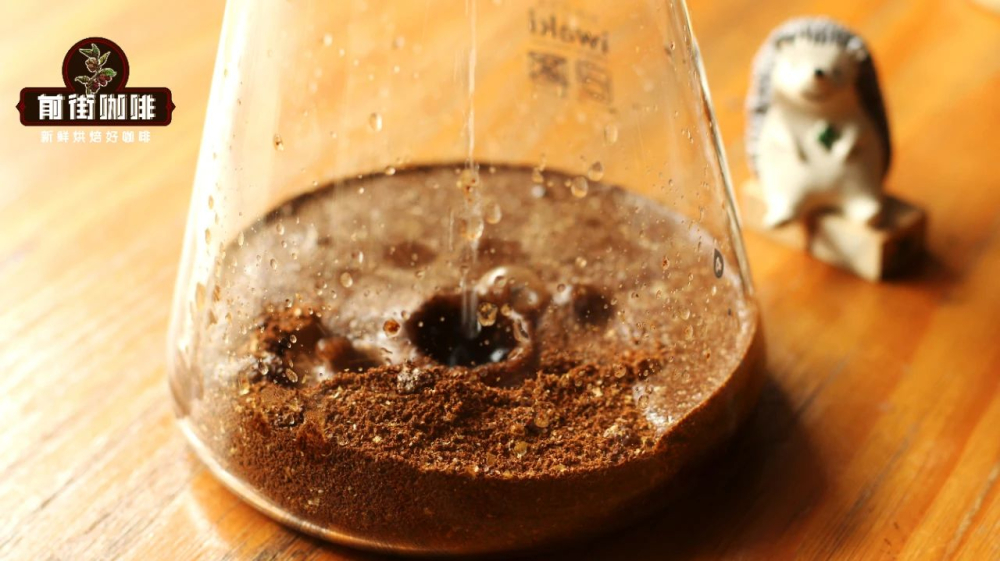
Making coffee with ice water or cold water can be traced back to Japan, where it is usually called "Kyoto-style coffee." This cold-water extraction method was very popular in Kyoto at the time, hence the name. As early as the 17th century, Japanese people had already begun using cold water with various cold brew methods to make coffee; they would use steeping or drip methods, and these extraction methods and techniques were passed down and evolved, eventually giving rise to today's trendiest ice drip coffee pots, designed like fine crafts.
For what we commonly call cold brew coffee, what water temperature is actually suitable for extraction? Front Street's answer is: cold brew is made with water at room temperature or lower, usually below room temperature, around 20-22°C. Because the water temperature is low, the production cycle is very long, generally requiring 12 to 48 hours. Cold brew can only extract some small-molecule substances, such as floral and fruity aroma components, while large-molecule smoky and roasted flavor substances are not easily released, and acidity is greatly reduced. However, the biggest shortcoming of this extraction method is its relatively weak extraction capability, requiring longer contact between water and coffee grounds.
What's the difference between ice drip coffee and cold brew coffee?
Strictly speaking, ice drip coffee is theoretically also a type of cold brew coffee—it's just extracted drop by drop. Ice drip coffee is also called Dutch coffee or Kyoto coffee. Making ice drip also uses cold water or ice water, but unlike cold brew coffee's "water soaking coffee," ice drip lets water slowly seep through the coffee grounds to complete extraction. In terms of production time, ice drip takes only about 5 hours, roughly half that of cold brew. American barista champion Laila said in an exclusive interview that compared with Cold Brew, Front Street also believes Ice-drip coffee has a more fragrant aroma and a more delicate and subtle mouthfeel.
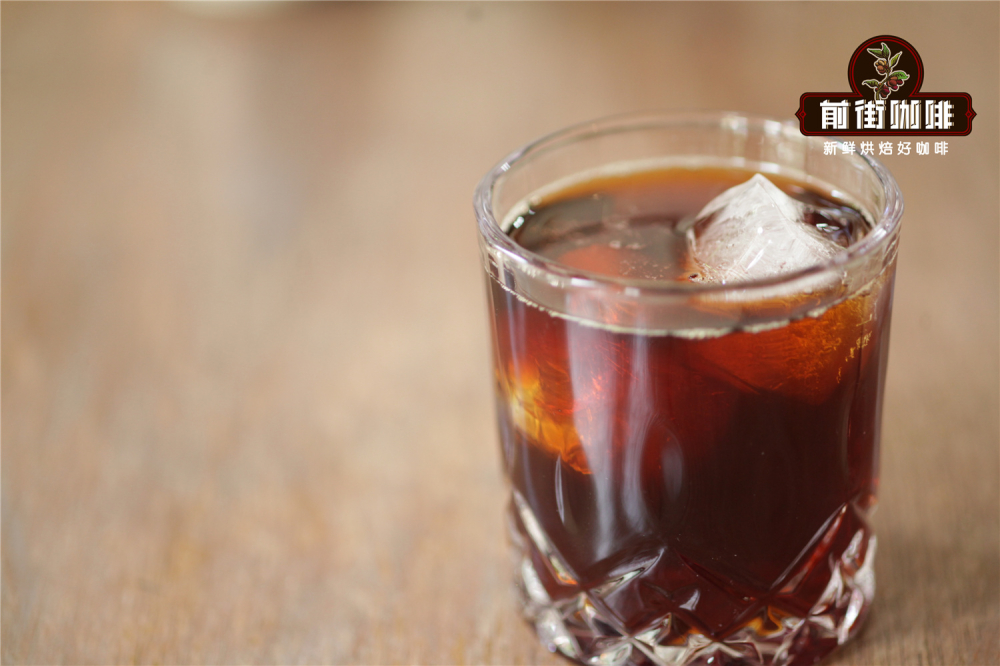
Which tastes better, cold brew coffee or ice drip coffee?
At Front Street Coffee, whether cold brew or ice drip, selected specialty coffee beans are ground before brewing.
【Cold Brew Coffee】 The coffee grounds and ice water are required to remain in contact and steep throughout; after extraction, remove the coffee grounds bag or filter out the coffee grounds. Because of the full contact throughout, the extraction can be said to be quite thorough and rich. Throughout the process, only cold water comes into contact with the coffee grounds, with fewer variables and a more stable taste—this is also why coffee chains commonly adopt the cold brew method.
【Ice Drip Coffee】 Although it also uses ice water, it's more like giving coffee an "IV drip" on a café counter—a vintage clock-like device lets ice water fall drop by drop onto the coffee grounds, then slowly seep through. There are two biggest differences from cold brew: first, each drop of water contacts the coffee grounds for less time than in cold brew; second, during the ice drip process, the coffee comes into fuller contact with air, and the gentle oxidation process introduces some uncontrollable factors to the coffee.
As a result, ice drip coffee's flavor expression in the front, middle, and back segments is completely different, and the extracted coffee has a bright, fresh mouthfeel with abundant layers. Although ice drip usually takes only 5 to 8 hours to make, you can put the finished coffee in an odor-free refrigerator compartment and let it develop steadily overnight, and you'll be rewarded with unexpected aromas.
As for which tastes better, cold brew coffee or ice drip coffee, Front Street's view is: both taste great. Cold brew coffee is richer, while ice drip coffee is brighter and more layered; everyone's taste differs, so it ultimately comes down to personal preference.
Front Street Coffee Brewing Recommendations
Of course, when it comes to coffee brewing, Front Street recommends using freshly roasted coffee beans so you can experience the coffee's rich flavors to the fullest. The coffee beans shipped by Front Street Coffee are all within 5 days of roasting, because Front Street knows well how greatly freshness affects flavor. Front Street's roasting philosophy is "freshly roasted good coffee," so every customer who places an order receives the coffee in its freshest state. Coffee's resting period is about 4-7 days, so when customers receive it, it's at its peak flavor.
Front Street Coffee knows well how greatly the freshness of coffee beans affects flavor. Front Street's roasting philosophy is "freshly roasted good coffee," so every customer who places an order receives the freshest coffee. Therefore, the coffee beans shipped by Front Street Coffee are all within 5 days of roasting, and coffee's resting period is around 4-7 days, so when customers receive it, it's at its peak flavor.
Front Street Coffee offers more than fifty kinds of coffee beans from different countries and different regions, so whether you want to try making cold brew coffee, ice drip coffee, or Americano, or simply brew single-origin coffee, we can meet your needs. Everyone is welcome to come to Front Street Coffee to explore the wonders of coffee together!
Professional coffee knowledge exchange For more coffee bean information, please follow Coffee Workshop (WeChat public account cafe_style)
For more specialty coffee beans, please add the private WeChat of Front Street Coffee, WeChat ID: qjcoffeex
The above content is compiled by CoffeeHunters, a coffee news website.


