







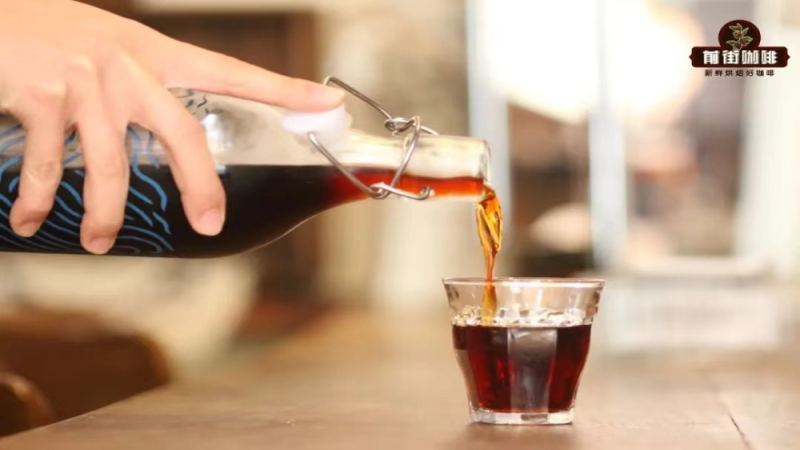
How Does Ice-Drip Coffee Differ from Cold Brew?
Ice-drip coffee is made by letting ice water drip slowly through coffee grounds over roughly eight hours, a method that originated in Europe and is also called Dutch coffee or distilled coffee because the device was invented by the Dutch. Brewing at low temperature keeps astringent compounds from dissolving easily, so the cup is cleaner and brighter with less of the harshness hot water can pull out.
Cold brew works differently: the grounds are steeped in cold water for a longer time, giving a heavier flavor closer to espresso. The two methods also diverge in equipment. After extraction, ice-drip coffee is refrigerated to ferment slightly, which adds a faint fermented aroma and a full body. Bean freshness, resting period, and grinding right before brewing all shape how the low-temperature cup tastes.
Ice drip coffee is a type of coffee extracted by long, slow dripping of ice water, originating in Europe, and known as Dutch Coffee because the distillation device was invented by the Dutch. It is slow-brewed at low temperature, so astringent substances are not easily dissolved, and after refrigeration and fermentation it has a full body with a faint fermented aroma. Cold brew coffee, on the other hand, is extracted by soaking in cold water, takes longer, and has a heavy flavor close to espresso. The two differ clearly in extraction method, flavor performance, and equipment. Front Street Coffee also gives advice on coffee bean freshness, resting period, and grinding timing to help coffee lovers better enjoy this kind of low-temperature coffee.
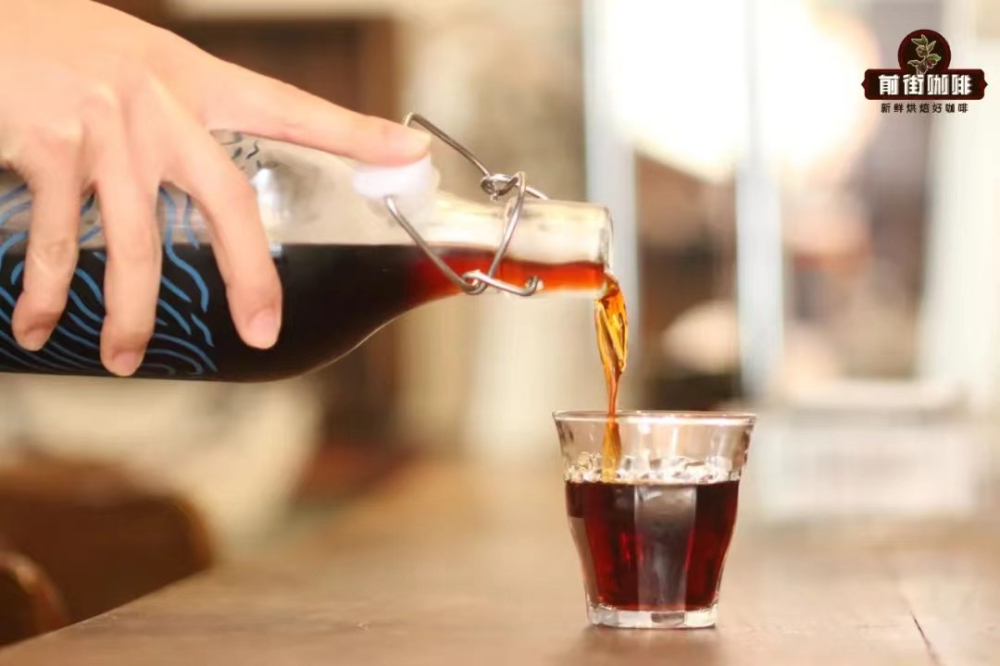
There are countless ways to brew coffee, and pour-over is probably the one everyone is most familiar with, but there are indeed quite a few details to watch out for with pour-over. Today Front Street wants to talk about a relatively hassle-free coffee brewing method.
We all know pour-over uses hot water, but sometimes you just want a cup of ice-cold, refreshing coffee, and that is when iced coffee comes in. Front Street has said before that different brewing water temperatures make a big difference in the flavor the coffee presents. Coffee brewed with hot water changes flavor as the temperature changes, but if your technique is not up to par, it is easy to bring out off-flavors as well. Coffee extracted at low water temperature often has a cleaner, brighter flavor, with fewer of the defects that tend to appear at high temperatures.
What Is Ice Drip Coffee
Ice drip coffee first came from Europe. Because the coffee distiller used was invented by the Dutch, some people also call it Dutch Coffee, distilled coffee, or water-drip coffee. It uses the compatibility between coffee and water itself, relying on the natural osmotic water pressure formed by condensation to let ice water drip drop by drop through the coffee grounds. The whole process takes about 8 hours, making it a coffee slowly brewed by time. Choosing different water temperatures also produces different flavors; and in a low-temperature environment, the astringent substances in coffee are naturally not easy to dissolve. After long extraction with ice water, the coffee liquid is then put in the refrigerator to ferment. Slightly fermented ice drip coffee takes on a faint fermented aroma, and the mouthfeel becomes fuller. Front Street thinks that putting it in the refrigerator at night and taking it out to drink the next morning instantly wakes you up, and that feeling is quite satisfying.
Someone asked Front Street: Why can ice drip coffee be kept so long without spoiling easily?
Pour-over coffee can be made in a few minutes, while ice drip takes several hours. But every time Front Street finishes a pour-over, it gives a reminder that the coffee should be drunk as soon as possible, because hot-water-extracted coffee has a very short shelf life, and after 45 minutes the flavor begins to deteriorate. Ice drip coffee has not been heated and has undergone long extraction, so many flavor molecules have already been extracted, but have not yet been fully released. Therefore, after extraction, put it in a sealed bottle and let it sit in the refrigerator for 12 to 24 hours. The carbon dioxide pressure generated inside the bottle pushes these flavor molecules out, which is also why ice drip tastes richer the longer it sits in the refrigerator.
Of course, Front Street does not recommend keeping ice drip for a week. Bacteria in the air or in the bottle are unavoidable, and if left too long it is hard to guarantee the condition of the coffee. The best drinking period for ice drip is best kept within 72 hours. Anything over 72 hours, do not feel bad about it; drinking it does no good for your body either.
Front Street also wants to tell everyone: ice drip coffee has another advantage, which is good news for people with poor digestion who still really want to drink coffee. Front Street Coffee generally recommends ice drip coffee to such friends. Many people with sensitive stomachs get stomach pain as soon as they drink ordinary coffee, and over time they can only stay away from coffee. Ice drip coffee has far fewer irritating components from hot extraction, and at the same concentration its caffeine content is also lower, making it a relatively healthy choice.
Cold Brew Coffee
Cold brew coffee usually refers to cold-brewed coffee, made by adding an appropriate amount of coffee grounds to cold water and extracting at low temperature for a long time. The Dutch were the first to think of the cold brew approach, and it later gradually spread to Japan. Back then, the Dutch shipped coffee back to Europe from their colony Indonesia, and there was no hot water on the ship, which gave rise to the practice of cold brew coffee. Interestingly, people at the time thought cold coffee was gentler and did not hurt the stomach, but they did not know that the real reason was that hot water extracts more acidic substances from coffee, while cold brew coffee is comparatively less acidic.
Cold brew coffee uses water at room temperature or lower, usually below room temperature, around 20 to 22°C. Because the water temperature is low, the production process is very long, generally requiring 12 to 48 hours, even longer than ice drip coffee. Cold brew can only extract some small-molecule substances, such as floral and fruity aroma compounds, while smoky and roasted large-molecule flavor substances are not so easy to bring out, and acidity is also reduced quite a bit. However, the biggest shortcoming of this extraction method is that its extraction power is rather weak, so water and coffee grounds must stay in contact for a longer time.
Someone asked Front Street: Both are brewed at low water temperature, so besides the different time required, what other differences are there between ice drip coffee and cold brew coffee? And how do they differ in taste?
Front Street believes that: in theory, ice drip coffee is also a kind of cold brew coffee, only with a few differences:
1. Different extraction methods
Cold brew is an immersion method: put the coffee grounds into cold water, soak statically for 16 to 20 hours, then filter the coffee liquid with filter paper; ice drip is a percolation method: cold water slowly drips into the coffee grounds and passes directly through the filter paper to become coffee liquid.
2. Different flavors
Cold brew has a very heavy mouthfeel, with a feel like espresso, and a very intense flavor. Unless it is filtered many times, there will always be some sediment left; ice drip has a very light mouthfeel, even close to tea, with a very clean flavor, a relatively complete release of floral and fruity aromas, and less bitterness and acidity.
Therefore, Front Street believes that during the extraction process of ice drip coffee, the beginning, middle, and end stages have completely different flavors, and the coffee extracted this way has a bright, fresh taste and quite rich layering. Although making ice drip coffee usually takes only 5 to 8 hours, you can put the finished coffee in the refrigerator compartment without off-odors and let it develop steadily overnight, and you will gain an unexpected aroma.
3. Different brewing equipment
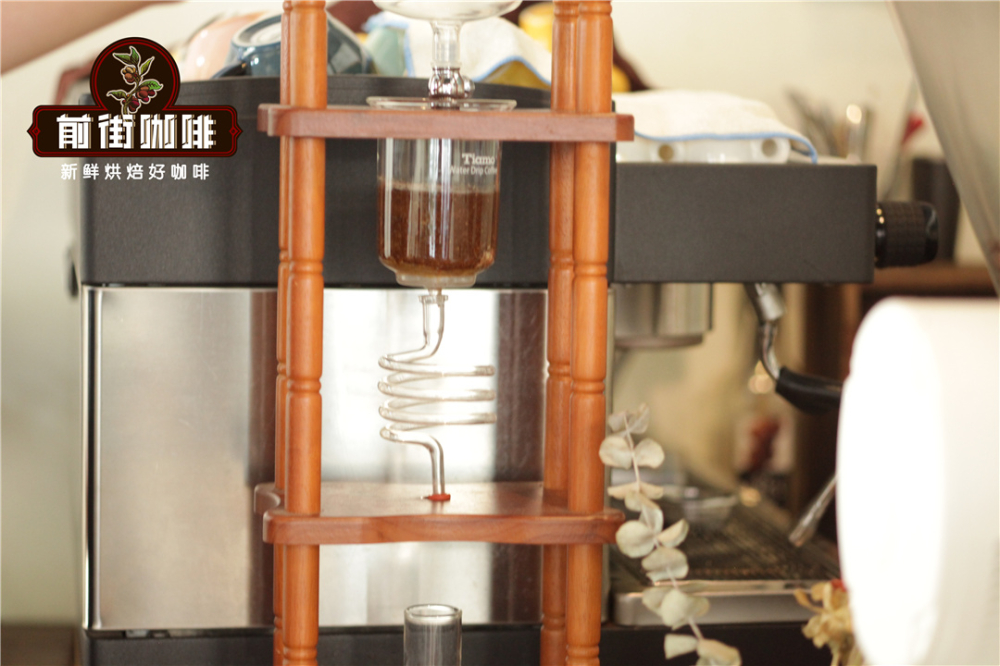
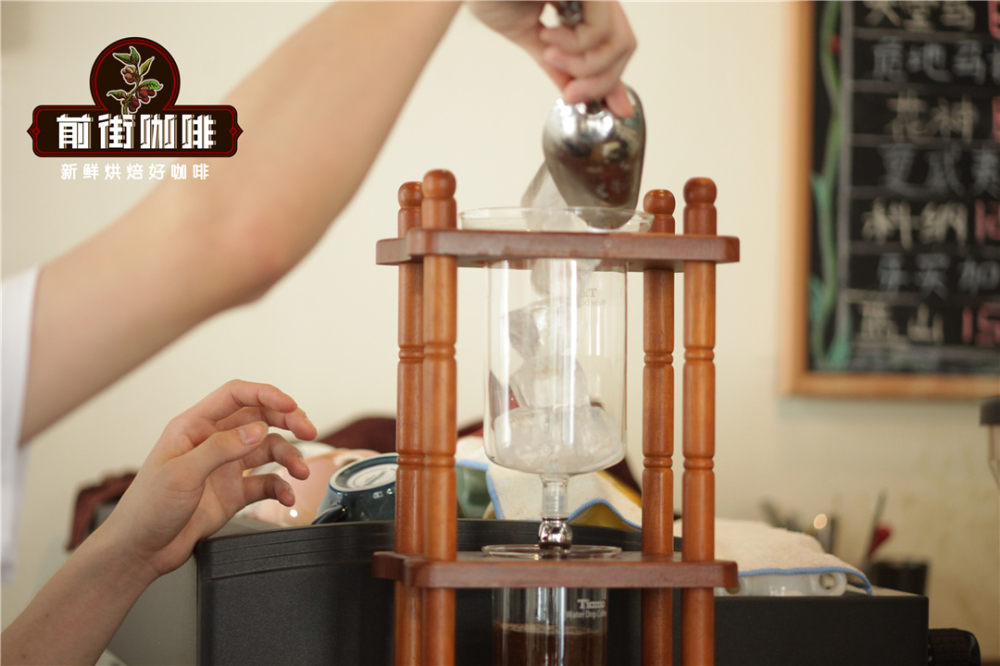
Cold brew has no great requirements for equipment; ice drip generally requires an ice drip pot.
As for the question of whether cold brew coffee or ice drip coffee tastes better, Front Street's view is: both are good. Cold brew coffee is relatively rich, while ice drip coffee is brighter and more layered. Everyone's taste is different, so it just depends on your own preference.
Front Street Coffee brewing suggestions:
When brewing any coffee, if you want it to taste good, Front Street believes that the freshness of the coffee beans is a key part. That is because the freshness of coffee beans allows you to experience the rich flavors of coffee to the greatest extent. The coffee beans shipped by Front Street Coffee are all within 5 days of roasting, because Front Street deeply understands that the freshness of coffee beans has a great impact on flavor. Front Street's roasting philosophy is "freshly roasted good coffee," so that every customer who places an order receives the freshest coffee when it arrives. The resting period of coffee is about 4 to 7 days, so when customers receive it, it is exactly at its best flavor.
Of course, some customers need Front Street to help grind the beans, and that is fine too. But Front Street wants to remind you that if coffee beans are ground in advance, they must be brewed promptly; if they have already been ground into coffee powder, there is no need for further resting, because during transport the pressure generated by carbon dioxide inside the package can also make the coffee flavor rounder, so once you receive coffee powder you can brew and drink it right away. Because coffee powder oxidizes relatively quickly after contact with air, meaning the coffee's flavor will dissipate faster, the coffee will not perform as well. So Front Street recommends buying whole beans and grinding fresh before brewing, so you can better taste the flavor of the coffee.
No matter which brewing method it is, Front Street can teach you. Besides teaching you how to brew coffee, Front Street can also teach you how to taste coffee.
For professional coffee knowledge exchange and more coffee bean information, please follow Coffee Workshop (WeChat public account cafe_style)
For more specialty coffee beans, please add the private WeChat Front Street Coffee, WeChat ID: qjcoffeex
The above content is compiled by CoffeeHunters, a coffee news website.


