







Search Results for: Ice Drip Parameters
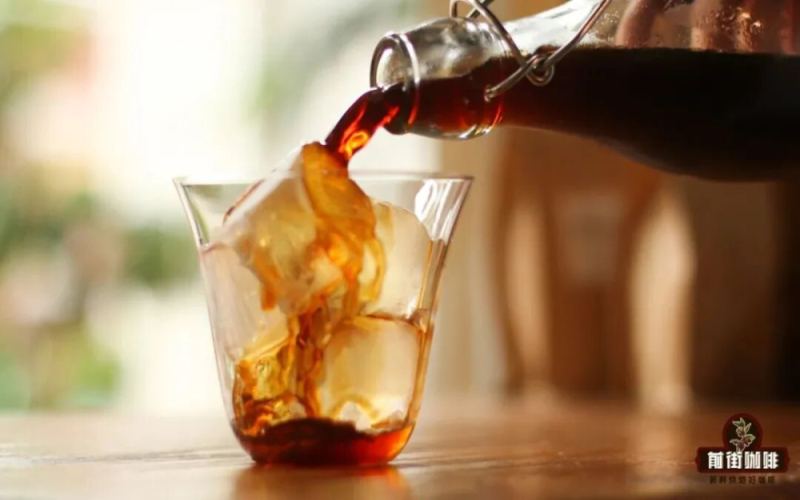
A Complete Guide to Cold Brew Coffee: Key Parameters for Flow Rate, Grind, Ratio, and Aging Time
With its lengthy brewing process and distinctive flavor layers, ice drip coffee has become a representative of "slow work yields fine results" in the minds of many coffee enthusiasts. Unlike cold brew, ice drip relies on a dedicated device, extracting by having ice water drip through the coffee grounds one drop at a time, then undergoing refrigerated fermentation and aging to present a rich and smooth taste. Starting from Front Street's hands-on experience, this article breaks down in detail the four core variables of ice drip coffee—grind size, drip rate, extraction ratio, and aging time—and provides specific parameter recommendations to help you make a standard-quality ice drip coffee at home. [more…]
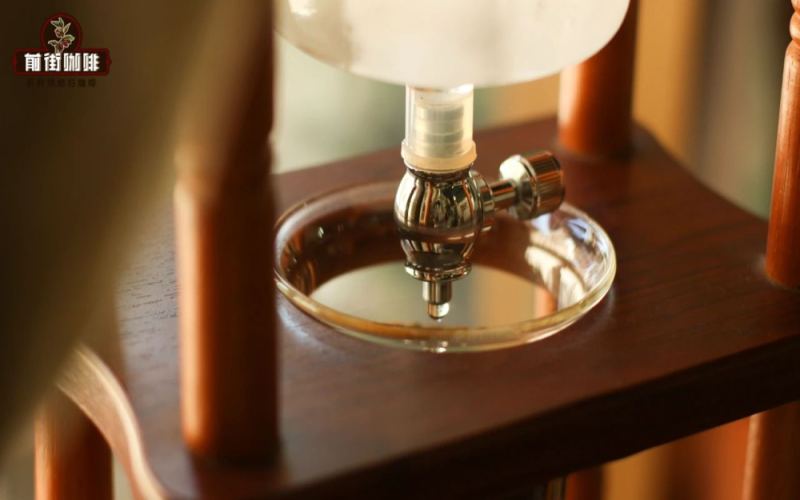
Cold Brew Coffee Brewing Parameters | How to Distinguish Ice Drip from Cold Brew? What Are the Flavor Differences Between Ice Drip and Cold Brew Coffee? Why Is Ice Drip More Expensive Than Cold Brew?
Ice drip coffee and cold brew coffee are both relatively common types of iced coffee. Many friends still haven't clearly distinguished between them, so Front Street Coffee is here to share some relevant knowledge. The shared characteristic of ice drip coffee and cold brew coffee is low-temperature extraction, and both take a relatively long time to make, so it's basically impossible to make them to order. However, their extraction methods [more…]
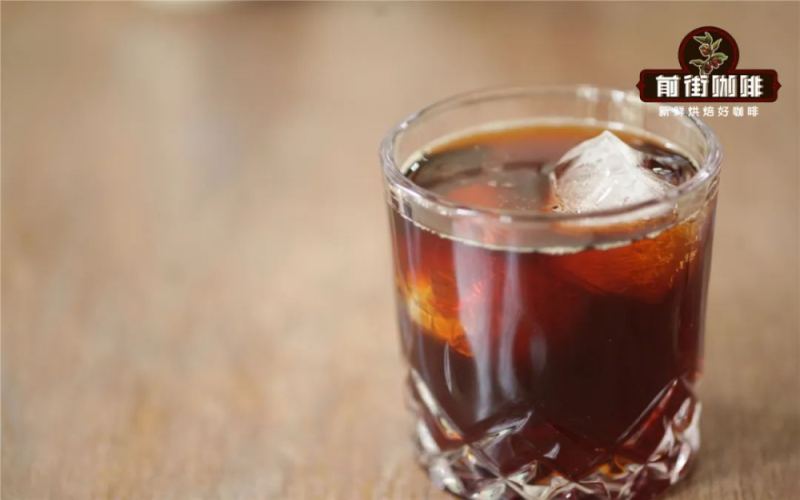
Analyzing the Differences Between Ice Drip Coffee and Cold Brew Coffee: A Comparison of Low-Temperature Extraction Methods, Brewing Parameters, and Flavor Characteristics
Ice drip coffee and cold brew coffee both belong to the category of low-temperature extracted iced coffee, but the two differ significantly in extraction principle, production process, and final flavor. Ice drip coffee uses drip extraction, relying on specialized equipment to let ice water drip through the coffee grounds one drop at a time. It takes a long time, and the final product is clear and transparent, often carrying a fermented quality reminiscent of fruit wine. Cold brew coffee, by contrast, uses immersion extraction, mixing coffee grounds with cold water and letting the mixture sit refrigerated. It is relatively simple to make, has a fuller mouthfeel, and better preserves the flavors of the coffee beans themselves. Front Street Coffee will combine specific brewing parameters—from coffee dose, grind size, drip rate, and coffee-to-water ratio—to break down in detail the key production points and flavor performance of these two iced coffees, helping coffee lovers choose according to their personal preferences. [more…]

Introduction to Iced Coffee Types | What's the Difference in Flavor and Mouthfeel Between Ice-Drip Coffee and Cold Brew Coffee? Why Do Coffee Shops Require Reservations for Ice-Drip?
For more specialty coffee knowledge, please follow our WeChat official account: Front Street Coffee (FrontStreet Coffee). Recently, quite a few friends have come to the Front Street store asking if we have cold brew coffee. Among Front Street's iced coffees, we not only have cold drip, but also cold brew, iced Americano, and iced pour-over brews of various single-origin coffee beans. [more…]
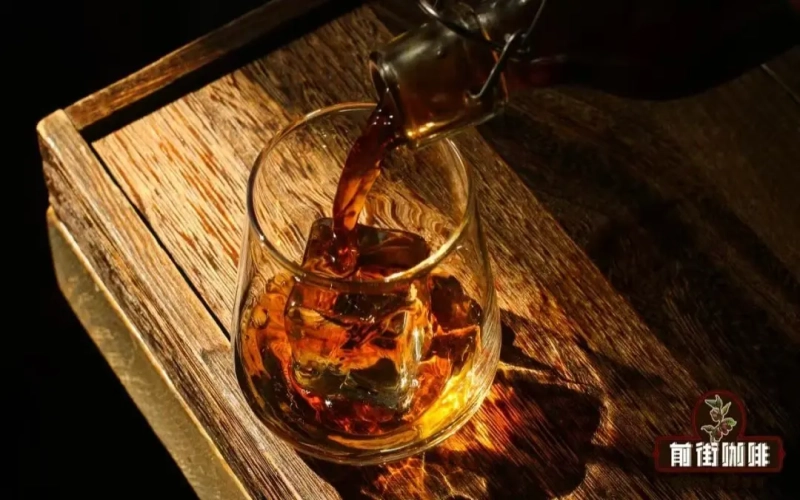
How to Choose the Roast Level for Cold Brew Coffee Beans? A Full Guide to Grind Ratio, Extraction Time, and Simplified Home Methods
Although cold brew coffee is not common in everyday home brewing, its clean taste and rich fermented aroma have made it unforgettable to many coffee lovers. Making cold brew coffee requires a dedicated cold brew pot and takes a long time, which is also why it remains relatively niche. However, the core of a cold brew pot is actually just the flow restriction valve—as long as you can control the dripping speed of the ice water, you can make cold brew coffee at home even with an ordinary dripper. This article will cover the choice of roast level for cold brew coffee beans, grinding and coffee-to-water ratio, extraction time, and a simplified method that does not require a professional cold brew pot. It also includes Front Street Coffee's bean list recommendations and practical parameters for friends who want to try cold brew at home. [more…]

Cold Brew Coffee Beginner's Guide: Differences Between the Three Main Types of Cold Coffee, Brewing Parameters, and Recommended Coffee Beans
In the heat of summer, a glass of ice-cold coffee always brings you back to life instantly. But did you know? Cold brew coffee is actually not a single category, but includes three different methods: ice drip coffee, iced coffee, and cold brew coffee. Each has its own flavor profile and brewing principles. This article starts with the origin and characteristics of ice drip coffee, explains its pros and cons in detail, the complete brewing process and parameters of Front Street Coffee, and recommends three coffee beans suitable for making ice drip coffee based on different taste preferences—dark berry type, clean and crisp type, and rich and sweet type—to help you make a smooth and delicious glass of ice drip coffee at home. [more…]
Ice Drip Coffee Flavor Characteristics and Complete Brewing Tutorial: A Detailed Guide to Equipment Selection, Drip Rate, Water-to-Coffee Ratio, and Brewing Parameters
Cold brew coffee, due to its unique low-temperature slow extraction process, presents a mellow, rich yet not astringent, smooth yet not bitter taste, and is deeply loved by coffee enthusiasts who pursue richness but fear bitterness. However, its production time is as long as 4 to 12 hours, and the equipment cost is not low, all of which are directly reflected in the selling price. This article will systematically introduce the flavor sources of cold brew coffee, the differences between the two structures of cold brew towers, the key points for using the ice chamber and the coffee powder cup, as well as the practical parameters shared by Front Street Coffee such as a 1:10 water-to-coffee ratio, pre-infusion, and 7 drops per 10 seconds, and will also include recommendations for coffee beans suitable for cold brew extraction, so that you can consistently make a clean cup of cold brew coffee at home. [more…]
Analyzing the Flavor Differences Between Ice-Drip and Cold Brew Coffee: A Complete Guide from Extraction Principles to Make-Ahead Preparation
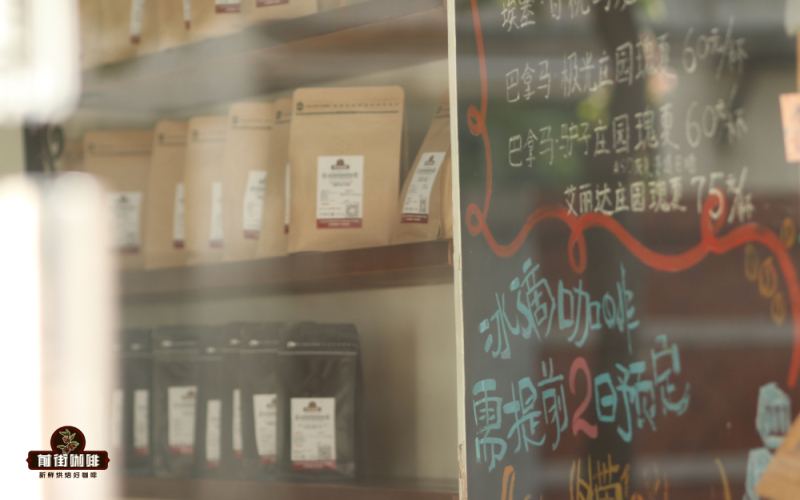
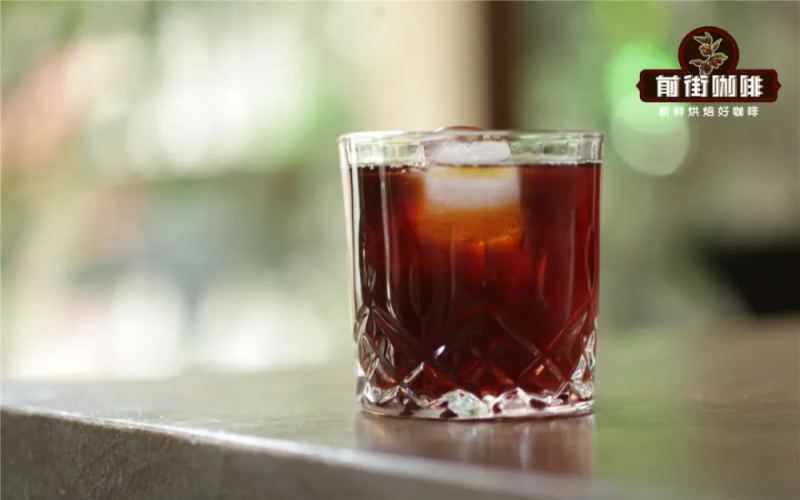
When the hot summer days meet a coffee craving, cold drip and cold brew become the two most talked-about low-temperature extraction methods in cafés. Both are refreshingly cool, yet they have completely different personalities: one drips out a clean, translucent vinous aroma, while the other steeps out a full, rich fruitiness. Starting from a real comparison at Front Street's store, this article takes you through a careful tasting of the flavor emphases of cold drip and cold brew, helps you understand the key differences in their production details, and presents the complete extraction parameters used by Front Street. In addition, we will answer a common question—why does wanting to drink cold drip coffee sometimes require booking two days in advance? [more…]
How to Make Cold Brew Coffee? A Complete Guide to Steps and Parameters from Equipment Preparation to Refrigerated Aging
In the previous article we talked about how to make cold brew coffee; this time let's raise the difficulty a bit and try our hand at making ice drip coffee. The ice drip process is more tedious than cold brew and takes more time and effort, but the cleanliness and layered complexity of the final cup are often worth the wait. The illustrated tutorial below starts with a list of equipment, then gradually explains the key details of the coffee-to-water-to-ice ratio, filter paper placement, pre-wetting the coffee grounds, setting the drip rate, and refrigerated maturation, and also includes bean recommendations suitable for ice drip. You can adjust flexibly according to your own equipment and taste preferences to make a pot of ice drip that is yours alone. [more…]
An Analysis of the Differences Between Ice Drip Coffee and Cold Brew Coffee: Brewing Parameters, Grind Ratio, and Flavor Performance of Front Street Coffee Beans
In the height of summer, a glass of ice-cold coffee is practically a lifesaver, yet many people can't clearly explain the difference between ice drip and cold brew. From the perspective of Front Street Coffee, this article systematically breaks down the extraction principles and equipment setup of ice drip coffee, explaining key parameters in detail such as 60 grams of grounds, a 1:10 coffee-to-water ratio, and an 85% pass rate through a No. 20 sieve, along with a simple process for making cold brew coffee at home. It also analyzes how grind size and coffee-to-water ratio affect flavor, and finally recommends two coffee beans suited for cold brew—Kenya Asalia and Honduras Sherry—to help coffee lovers easily enjoy a smooth, uniquely flavored glass of iced coffee in the scorching heat. [more…]

Ice Drip Coffee Powder-to-Water Ratio | What Are the Steps and Brewing Parameters for Making Ice Drip Coffee? Which Coffee Beans Are Suitable for Ice Drip Cold Brew?
For more specialty coffee knowledge, please follow: Front Street Coffee (Frontsteet Coffee) The cicadas in the distance never stop chirping, the dog days of summer have just begun, heat waves roll through the streets, and the tap at home runs hot water. No sooner had Front Street's barista just opened the door than a friend stepped into the Front Street shop to ask [more…]
A Complete Guide to Cold Brew, Ice Drip, and Iced Coffee: Brewing Principles, Historical Origins, and Front Street Coffee's Cold Brew Practical Parameters
In the family of cold-extracted black coffee, the three names cold brew, ice drip, and ice brew often confuse people. What exactly is the difference between them? Why is ice drip also called Dutch coffee or Kyoto coffee? How can you make cold brew coffee so that it is consistently good? This article, from the perspective of Front Street, sorts out the definitions, historical context, and brewing logic of these three coffees, and includes the complete parameters and step-by-step instructions for Front Street Mozart cold brew, helping you understand the ins and outs of cold-extracted coffee in one go. [more…]

Cold Brew, Ice Drip, and Cold Brewing: What's the Difference? Key Production Points and Analysis of Huakui Coffee Bean Parameters
A glass of iced coffee in summer always brings coolness and comfort, but the iced coffee family actually has many members—cold brew, ice drip, and cold steep each have their own particularities. From the perspective of Front Street Coffee, this article systematically sorts out the definition of cold brew coffee, its historical origins, and its two major production styles, compares its essential differences with hot-brewed iced coffee, and shares the specific parameters for making Huakui coffee beans with ice drip, along with practical suggestions on grinding, time, and coffee-to-water ratio. Whether you want to try cold steep at home or want to understand the logic behind the ice drip offerings at specialty coffee shops, you can find clear answers and actionable methods here. [more…]
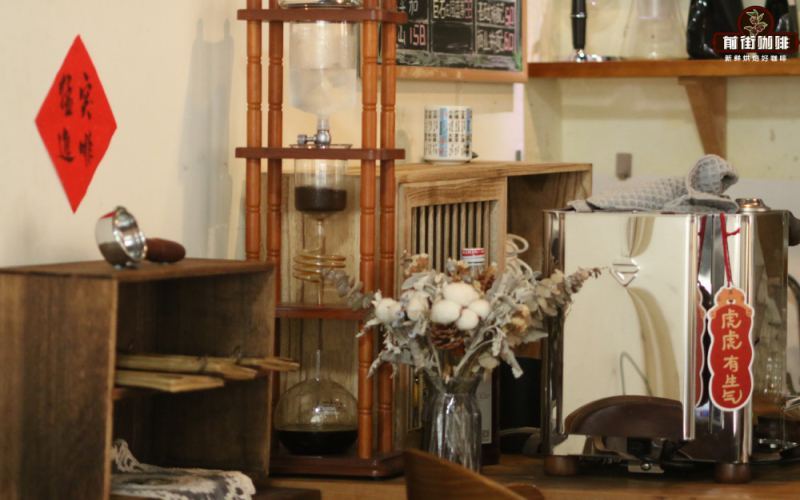
The Dutch Origins and Japanese Refinement of Cold Brew Coffee: A Full Analysis from Historical Roots to Brewing Parameters
Did ice drip coffee really not originate in the Netherlands? Many friends who come to Front Street Coffee are drawn in by the sight of ice water slowly dripping through an ice drip brewer, and become curious about exactly what kind of coffee this is. Ice drip coffee requires a long, slow extraction of 6 to 8 hours, so its output is limited and it is often in short supply. This article will begin with the historical origins of ice drip coffee, clarify the relationship between Dutch coffee, ice drip coffee, and cold brew coffee, then introduce in detail the structure and use of the ice drip brewer, and share specific brewing parameters using Costa Rica Mozart coffee as an example. Finally, Front Street will also recommend coffee beans suitable for making ice drip coffee according to four directions—tropical fruit fermented type, light and clean type, sweet and delicious type, and flavor blend type—to help everyone make a cup of rich yet not bitter ice drip coffee at home. [more…]
Drip Bag Coffee Can Also Make Iced Drinks: A Detailed Guide to Simple Home Brewing Parameters for Hand-Poured Iced Coffee and Cold Brew Coffee
On a scorching summer day, a glass of iced coffee always brings a refreshing, invigorating coolness. But for coffee lovers without professional equipment, is it still possible to easily make delicious iced coffee? The answer is yes. This article will use the most convenient drip bag coffee as a starting point to explain in detail two home methods for making iced coffee—iced pour-over coffee and cold brew coffee. From bean selection and parameter adjustment to specific operating steps, Front Street will break down the key points one by one, including core parameters such as water temperature, coffee-to-water-to-ice ratio, and grind size, as well as how to compensate for the limitation that drip bag coffee cannot adjust grind size by changing the brewing strategy. Whether you want to quickly get a refreshing glass of iced pour-over or are willing to spend time waiting for a pot of rich cold brew, you can find practical operating guidance in this article. [more…]
Iced Coffee Flavor Description | Which Tastes Better, Ice Drip or Cold Brew? Is There a Big Difference Between Ice Drip and Cold Brew Made with the Same Coffee Beans? Introduction to Grind Size, Coffee Powder-to-Water Ratio, and Parameters
For more specialty coffee knowledge, please follow our WeChat official account: Front Street Coffee (FrontStreet Coffee). As classic representatives of cold-extraction coffee, nothing beats ice drip coffee and cold brew coffee. They are different from iced Americano or iced pour-over coffee, which require brewing with a pot of hot water and then adding ice. [more…]

No Ice Drip Pot Needed: Homemade Ice Drip Coffee Tutorial and Cold Storage Duration Guide
In hot weather, a glass of cold brew coffee always brings a refreshing coolness. Front Street Coffee's cold brew has recently been in short supply, and many people choose it not only because its flavor differs from ordinary iced coffee, but also because they feel they can't make it at home. In fact, with just a dripper, a few filter papers, ground coffee, and ice cubes, you can put together a simple "home-version cold brew tower." This article breaks down in detail the equipment, parameters, operating steps, and common mistakes of this method, while also explaining the extraction impact caused by the structural differences between a dripper and a cold brew tower, and providing a list of Front Street beans suitable for making cold brew. Finally, it will also explain how long cold brew coffee needs to be refrigerated and fermented after it is formed, as well as how long it can be stored under refrigeration and at room temperature respectively. [more…]
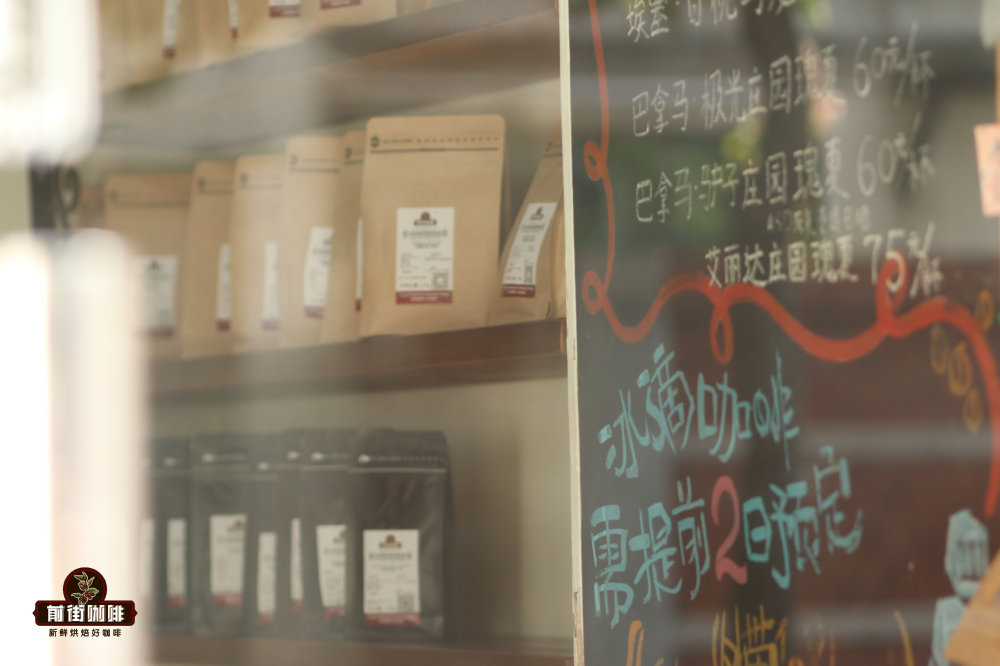
Detailed Guide to the Cold Brew Coffee Making Process | What Are the Time, Water-to-Coffee Ratio Parameters for Making Cold Brew Coffee? What Are the Taste Characteristics of Cold Brew Coffee?
For professional coffee knowledge exchange and more coffee bean information, please follow Coffee Workshop (WeChat public account: cafe_style). For more specialty coffee beans, please add our private WeChat Front Street Coffee (FrontStreet Coffee), WeChat ID: qjcoffeex. With the development of specialty coffee culture [more…]
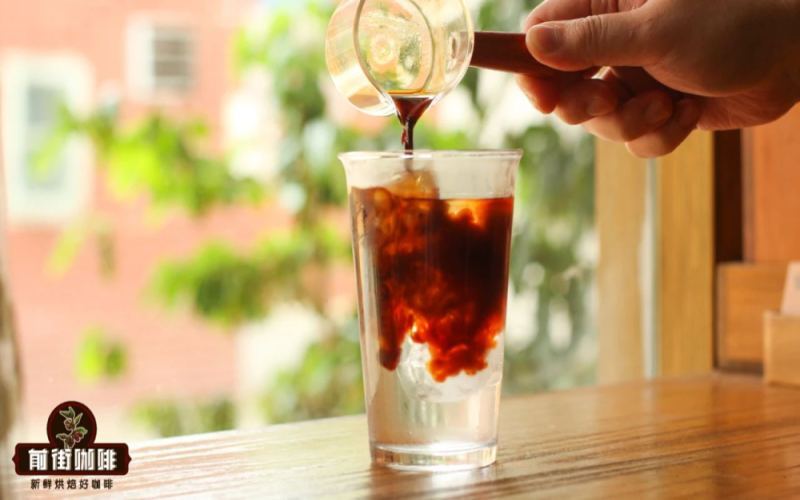
The Complete Brewing Guide to the Four Major Types of Iced Coffee: A Comparison of Methods and Parameters for Iced Pour-Over, Iced Americano, Cold Brew, and Ice Drip
As the weather warms up, iced coffee becomes a favorite for many. The four common types of iced coffee—iced pour-over, iced americano, cold brew, and ice drip—each have their own nuances in extraction method, flavor profile, and brewing parameters. Using Front Street Coffee's production practices as an example, this article breaks down the specific methods for each of the four iced coffees one by one: how to choose the coffee-to-water ratio for iced pour-over, how to control the ratio of espresso to ice water for iced americano, the steeping time and grind size for cold brew, and the flow rate and extraction duration for ice drip. Whether you want to recreate these at home or understand the operational logic of baristas, you'll find practical references here. [more…]
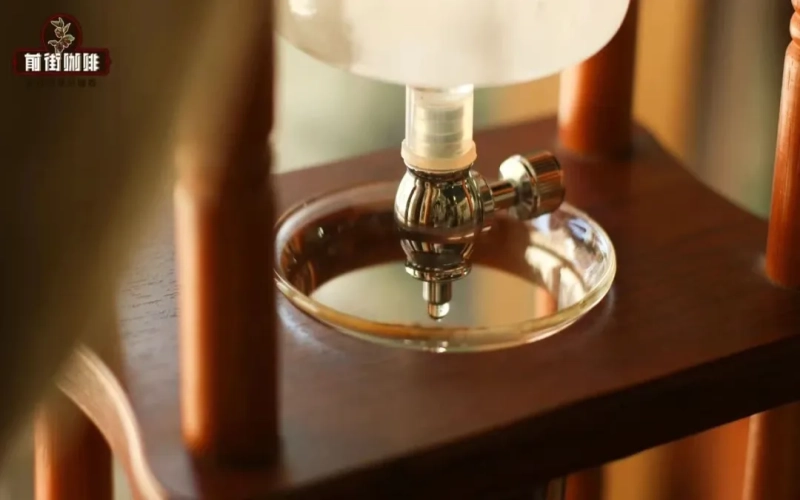
Detailed Guide to Cold Brew Coffee Storage Time and Differences from Cold Extraction: Brewing Ratios, Flavor Changes, and Optimal Drinking Period
Why can't you drink ice drip coffee immediately after it's made? What exactly is the difference between it and cold brew? This article provides a detailed explanation of ice drip coffee's shelf life, the principles of flavor maturation, and its brewing parameters and ratios. Freshly dripped ice drip coffee has a flat flavor and needs to be sealed and refrigerated for more than 8 hours to mature before it can present a mellow, silky mouthfeel and its signature wine-like aroma. It can be kept refrigerated for 3 to 5 days, but after more than three days the fermented taste becomes noticeably stronger, so Front Street sets the optimal drinking period at 3 days. The article also includes the ratio parameters for making ice drip, helping you fully master this coffee that requires patient waiting. [more…]