








Ice drip coffee and cold brew coffee both belong to the category of cold-extracted iced coffee, but the two differ significantly in extraction principles, production processes, and final flavor. Ice drip coffee uses a drip extraction method, relying on specialized equipment to let ice water drip through the coffee grounds one drop at a time. It takes a long time, and the finished product is clear and translucent, often carrying a fermented quality reminiscent of fruit wine. Cold brew coffee, on the other hand, uses immersion extraction, mixing coffee grounds with cold water and letting it sit refrigerated. It is relatively simple to make, has a fuller mouthfeel, and better preserves the flavors inherent in the coffee beans. Front Street Coffee will combine specific brewing parameters—from coffee dose, grind size, drip rate, and coffee-to-water ratio—to break down in detail the key production points and flavor performance of these two iced coffees, helping coffee enthusiasts make a choice based on personal preference.

Ice drip coffee and cold brew coffee are two fairly common types of iced coffee in the coffee world. Quite a few friends still haven't figured out exactly what distinguishes them, so this time Front Street is going to talk about the topic.
What ice drip coffee and cold brew coffee share is that both use cold extraction, and both take a considerable amount of time to make—basically, neither can be made to order on the spot. However, their extraction principles are not the same—ice drip coffee is a drip extraction, while cold brew coffee is classified as immersion extraction.
The method for ice drip coffee is to let ice water seep through the coffee grounds one drop at a time, thereby extracting rich coffee flavor compounds. The whole process takes a long time and requires specialized ice drip equipment. The parameters Front Street typically uses when making ice drip coffee are: 60 grams of coffee, a grind size slightly finer than pour-over, 85% passing through a No. 20 sieve, and a drip rate controlled at 7 drops per 10 seconds, ultimately yielding 600 milliliters of ice drip coffee liquid and taking about 6 hours. After the drip extraction is complete, the coffee liquid needs to be stored in the refrigerator for 12 hours before drinking.
Friends often ask Front Street exactly how much water to add and how much ice to put in. Front Street's answer is: just make sure the entire extraction process always maintains an ice-water mixture state. Because Front Street uses a method that stops extraction once the target coffee liquid volume is reached, the remaining ice water in the upper chamber does not affect the final coffee liquid.
Cold brew coffee is also called cold-water steeped coffee, and from the name you can tell it extracts coffee by steeping in cold water. The method Front Street recommends is: a coffee-to-water ratio of 1:12, with the coffee grind size likewise slightly finer than pour-over, 85% passing through a No. 20 sieve. Put the coffee grounds into a sealed bottle, pour in 12 parts water, shake evenly, and place it in the refrigerator to chill for 12 hours. After that, use a filter to remove the coffee grounds completely, then place the pure coffee liquid in the refrigerator to rest for 4 hours before drinking.
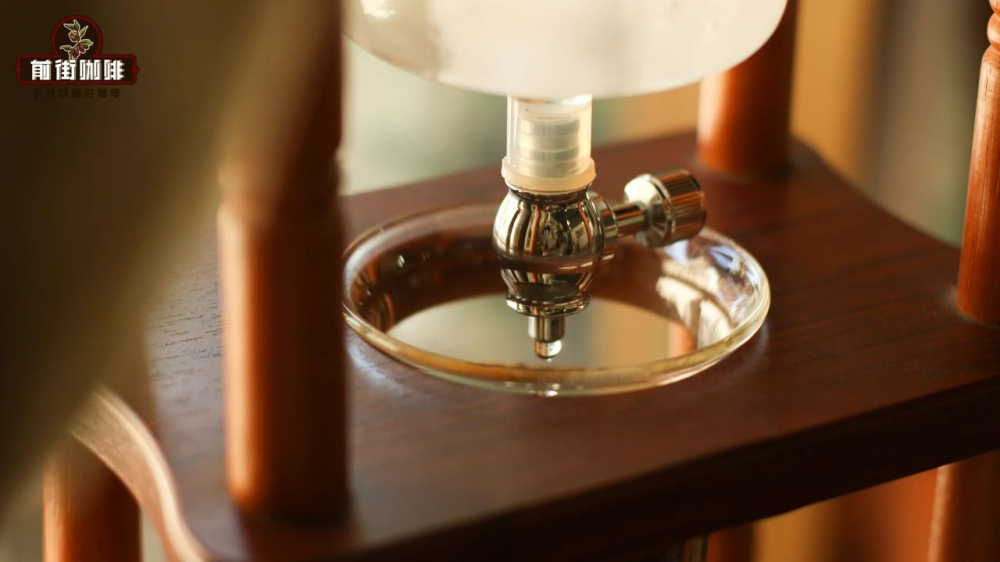
Due to differences in production methods, the two also have their own distinctive characteristics in form and flavor presentation. Ice drip coffee is clearer and more translucent in form.
In order to highlight the rich, boozy quality unique to ice drip coffee while avoiding the off-flavors in the tail end that long drip extraction may produce, many coffee shops specifically select high-quality single-origin beans with intense fruity aromas to make it. Under the dual effects of slow drip extraction and low-temperature aging, the finished ice drip not only retains the bright charm of fruity-acid coffee but also gives off a fermented aroma similar to fruit wine—mellow yet refreshing. It is precisely for this reason that, compared with conventional espresso blend beans, the raw material cost of ice drip coffee is considerably higher.
In terms of flavor, ice drip and cold brew made from the same coffee beans also perform differently. Ice drip coffee that has undergone a whole night of fermentation has a more intense fermented aroma, a more refreshing entry, and a taste of alcoholic fermentation. Cold brew coffee, by contrast, preserves more of the coffee beans' own flavor characteristics (for example, fruity beans retain a rich fruitiness), and its mouthfeel is fuller.
Ice drip coffee and cold brew coffee each have their own strengths in how they present themselves. If you want to experience how the coffee beans themselves express their flavor in iced coffee, you can try cold brew coffee; if you want to experience the unique flavor brought about by the production method, you might as well try ice drip coffee.
The above content is compiled by CoffeeHunters, a coffee news website.


