








On a hot summer day, a glass of ice-cold coffee never fails to bring you back to life instantly. But did you know? Cold brew coffee is actually not a single category—it includes three different methods: ice drip coffee, iced coffee, and cold brew coffee. Each has its own flavor profile and brewing principles. This article will start with the origins and characteristics of ice drip coffee, explain its pros and cons in detail, walk through Front Street Coffee's complete brewing process and parameters, and recommend three coffee beans suitable for making ice drip coffee based on different taste preferences—a dark berry type, a clean and crisp type, and a rich and sweet type—so you can make a smooth and delicious glass of ice drip coffee at home.

For more specialty coffee knowledge, please follow: Frontsteet Coffee
In the height of summer, cicadas outside the window chirp one after another without pause. Guangzhou's summer is truly hard to endure—not only hot and humid, but occasionally a scalding downpour comes along. In this kind of weather, if you could have a glass of ice-cold drink, it would feel as if your whole body had been pulled from the scorching heat into a cool world. Recently, many customers visiting FrontStreet Coffee stores ask: Do you have cold brew coffee?
However, the concept of cold brew coffee actually covers three different methods: ice drip coffee, iced coffee, and cold brew coffee. Their brewing logic and final style are not the same. Now FrontStreet Coffee will explain the differences among these three one by one.
Ice Drip Coffee
What is ice drip coffee? Simply put, it is a method in which ice water slowly passes through a layer of coffee grounds to obtain an extract. As for its origin, one theory holds that ice drip coffee was invented by the Dutch. On the other hand, ice drip coffee has also been popular in Japan for hundreds of years. It has two other names—"Kyoto Coffee" and "Japanese-style slow-drip." In South Korea, ice drip coffee is almost a standard offering in every café, and many well-known ice drip equipment brands come from Japan and South Korea.
The strengths of ice drip coffee are: ① Using a cold water drip method, the coffee grounds can be 100% saturated, and the final coffee liquid is smooth on the palate, neither sour nor astringent. But it also has an obvious shortcoming: the drip rate is not easy to control. Usually, 7 drops every 10 seconds is the ideal flow rate.
[FrontStreet Coffee Ice Drip Coffee Brewing Method]
Dose: 60g Coffee-to-water ratio: 1:10 Grind size: China standard No. 20 sieve, 85% pass rate Time: 6–8 hours
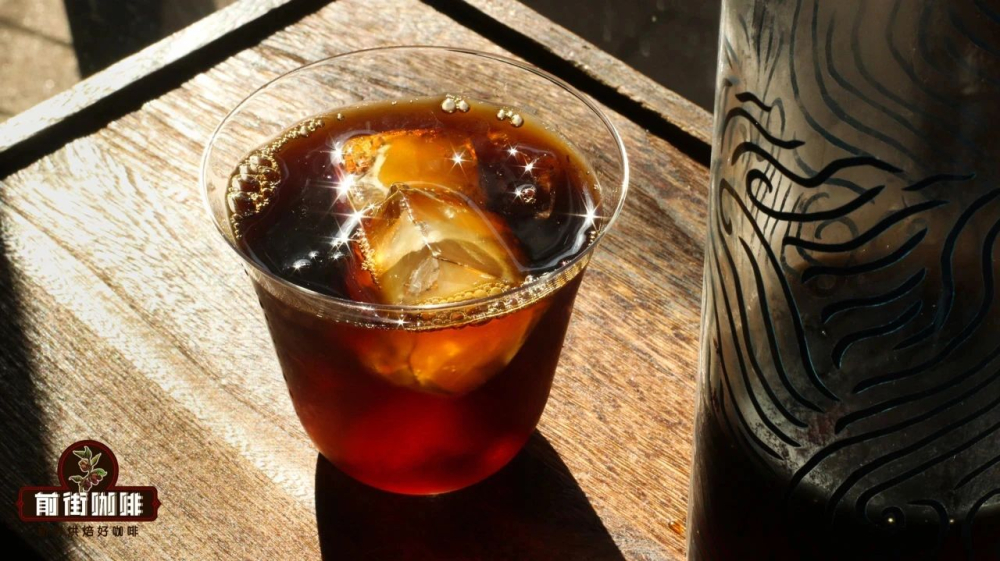
1. First place a round filter paper at the bottom of the powder cup, wet it with water so it adheres tightly to the cup wall, then pour in 60g of ground coffee (FrontStreet Coffee uses China standard No. 20 sieve, 80% pass rate, slightly coarser than pour-over grind size is fine). Next, level the surface of the coffee bed; you can also use a tamper's own weight to press it gently so the surface becomes flat.
2. Cover the coffee bed with another sheet of filter paper. The tension of the filter paper allows water to spread evenly over the surface of the coffee bed and participate in extraction. If no filter paper is placed, prolonged dripping will hammer a depression into the coffee bed.
3. Use ice water for "pre-infusion" to evenly moisten the entire coffee bed. This step is equivalent to the blooming stage in pour-over coffee and helps improve extraction efficiency and consistency of the final cup.
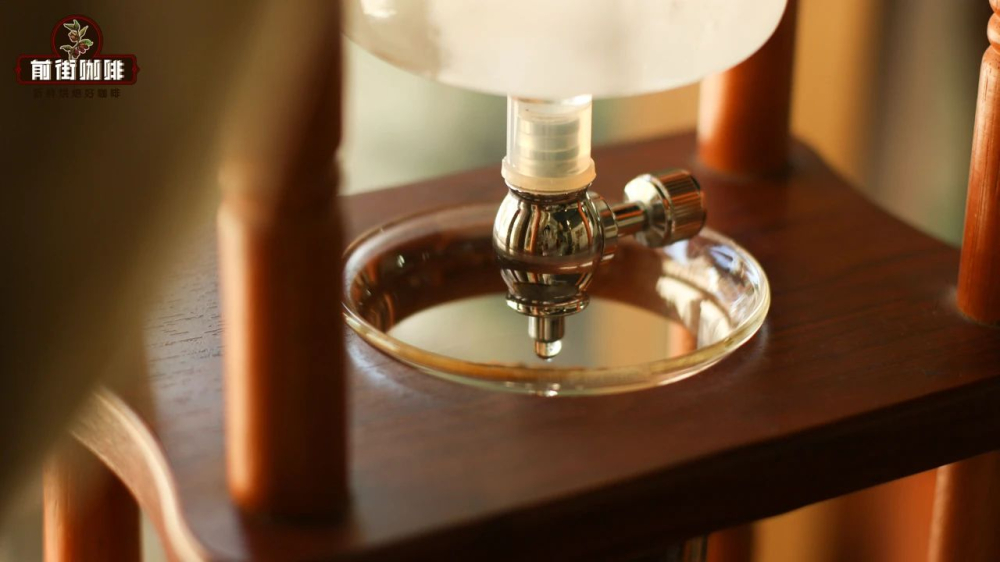
4. Add a mixture of half ice and half water to the water container, and adjust the valve to a speed of about 7 drops every 10 seconds.
5. After brewing is complete, put the coffee liquid into a sealed glass bottle and place it in the refrigerator to rest and oxidize overnight, allowing the flavors to fully integrate. The mouthfeel will become smoother and easier to drink.
So, which coffee beans are more delicious for making ice drip coffee? Front Street has several coffee beans commonly used for making ice drip, and we'd like to share them with you.

Front Street Dark Berry Type : Costa Rica Canet Estate—Front Street Musician Series Mozart 60g
Front Street Mozart uses an anaerobic honey process and itself carries a very unique raisin aroma. When used to make ice drip coffee, it presents distinct blueberry, black grape, and vinous fermented notes, with a refreshing mouthfeel and a long finish.
Front Street Clean and Crisp Type : Kenya—Front Street Little Tomato 60g
Front Street Kenya Asalia has very lively acidity and drinks like a glass of juice overall. When used to make ice drip coffee, it carries the fresh fragrance of cherry tomatoes and grapefruit, with a crisp and light acidity on the palate—especially suitable for summer enjoyment.
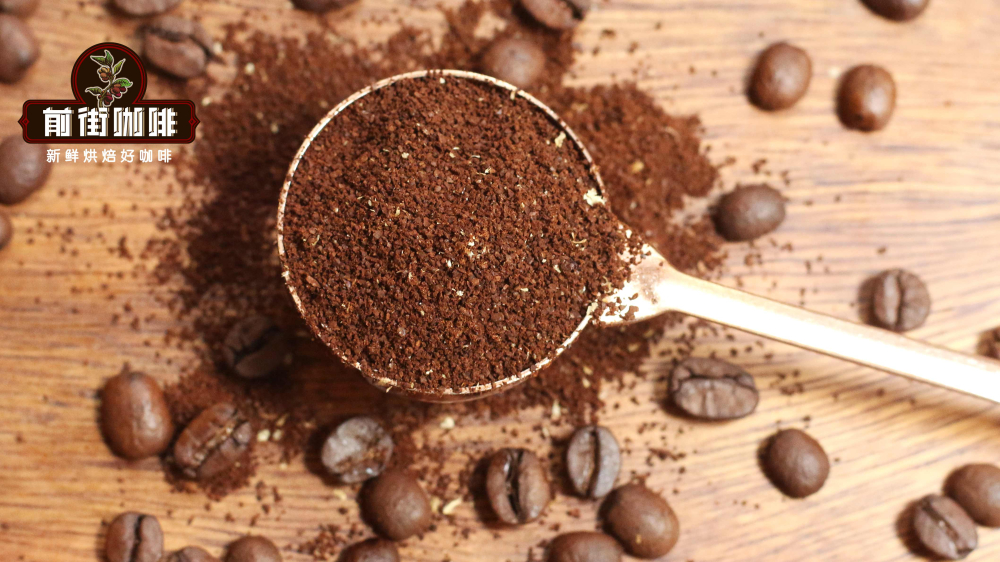
Front Street Rich and Sweet Type : Indonesia—Front Street PWN Golden Mandheling 60g
Few shops use dark-roasted beans to make ice drip coffee. Those who have never tried it might think that ice drip made with dark-roasted beans will be very bitter, but that is not actually the case. Following Front Street's ice drip method and then placing it in the refrigerator for 24 hours before adding ice cubes, Front Street PWN Golden Mandheling ice drip coffee shows sweetness and a hint of chocolate bitterness, very clear overall, and the rich fermented feel is comforting.
The above content is compiled by CoffeeHunters, a coffee news website.


