








Honduras is a mountainous country in Central America, with more than three-quarters of its territory consisting of mountains and highlands. Located in the coffee-growing belt, it has an average annual temperature of 23°C and annual rainfall of 1,300 to 2,300 mm. Starting in the late 19th century, Honduras rose to first place in Central America in production by 2011, going through a process from backwardness to rise. The country has six major production regions: Copán, Opalaca, Montecillos, Comayagua, Agalta, and El Paraíso, each showing different flavors due to differences in altitude and climate. The main varieties are Arabica types such as Caturra, Catuai, and Pacas. Front Street Coffee's selected Sherry and Lychee Orchid beans are fermented in whisky barrels and brandy barrels respectively, bringing rich vinous notes. This article provides a detailed overview of origins, varieties, processing methods, and brewing suggestions.
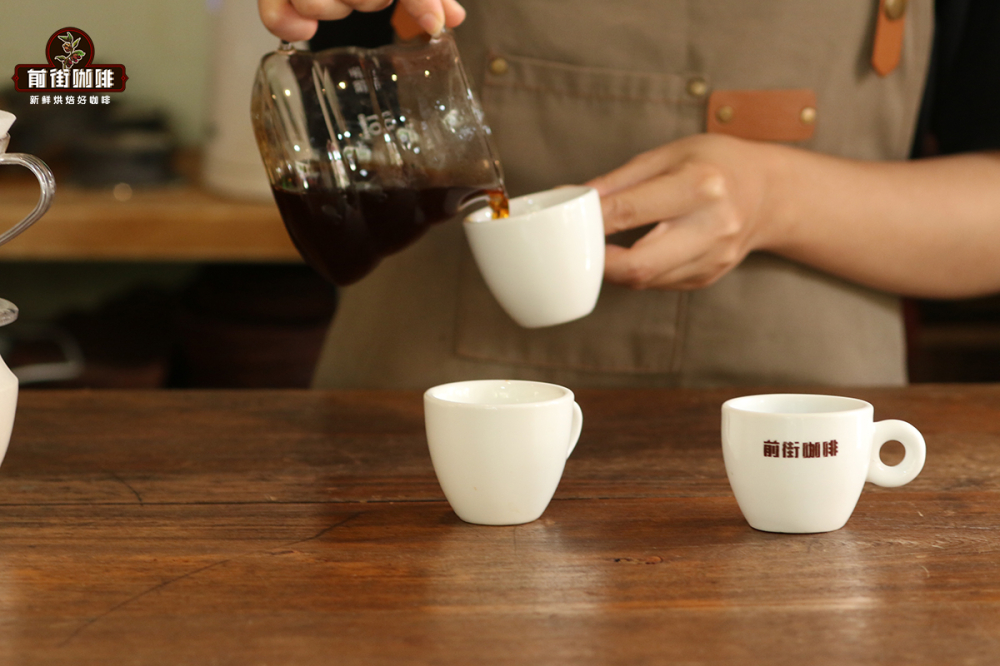
When Front Street Coffee's Honduras Sherry Barrel first launched, many friends tried it out of curiosity. After drinking it, they couldn't help but exclaim, "Wow! It really does taste like alcohol!"
Honduras is located in Central America and is a mountainous country. It borders Guatemala, El Salvador, and Nicaragua, and lies between the Pacific Ocean and the Caribbean Sea. This was originally the home of Indigenous peoples. During the Age of Discovery, Columbus landed here and named it Honduras, which originally meant "abyss."
Honduras is the country in Central America with the most prominent mountain terrain, with more than three-quarters of its territory made up of mountains and highlands. The mountain range extends from west to east, the interior consists of lava plateaus, there are many valleys between the mountains, and plains are distributed along the coast. Honduras lies in the coffee-growing belt, with an average annual temperature of 23°C and abundant rainfall, with annual precipitation between 1,300 mm and 2,300 mm.
Cultivation History
The coffee industry is an important part of Honduras's economy and history. According to Front Street's understanding, Honduras's coffee production has ranked first in Central America since 2011, replacing the position long dominated by neighboring Guatemala. However, coffee cultivation in Honduras only began in the late 19th century, when there were already several small coffee plantations. Although natural conditions such as soil and climate are not very different from neighboring countries such as Guatemala, Nicaragua, and Costa Rica, Honduras's coffee industry remained backward for a long time due to a lack of transportation infrastructure connecting producing areas and ports.
For a long time, Honduras was best known for bananas. By 1929, fruit exports accounted for more than 80% of the country's total exports. To promote the economy, the government gave preferential treatment to the banana-growing industry in taxation, land, and transportation. Even so, the country's banana production still declined. It was not until the 1960s that coffee cultivation in Honduras got on track. With support from the United States and the Honduran government, rising international demand, and population growth, coffee farmers received help in many areas, allowing the coffee industry to develop further. In the 1970s, the Honduran government established the Honduran Coffee Institute (Instituto Hondureño del Café, IHCAFE), with the goal of developing local coffee production, promoting technological progress, and providing loans to coffee farmers. In the 1980s and 1990s, the government encouraged and safeguarded coffee farmers' production through legislation. With support on many fronts, Honduras's coffee industry developed from initially supplying only the domestic market to the point where, sitting in Front Street Coffee, one can taste the flavor of that land.
Production Regions
Honduras has a total of 6 coffee-producing regions, mainly distributed in the west and south: Copán, Opalaca, Montecillos, Comayagua, Agalta, and El Paraíso.
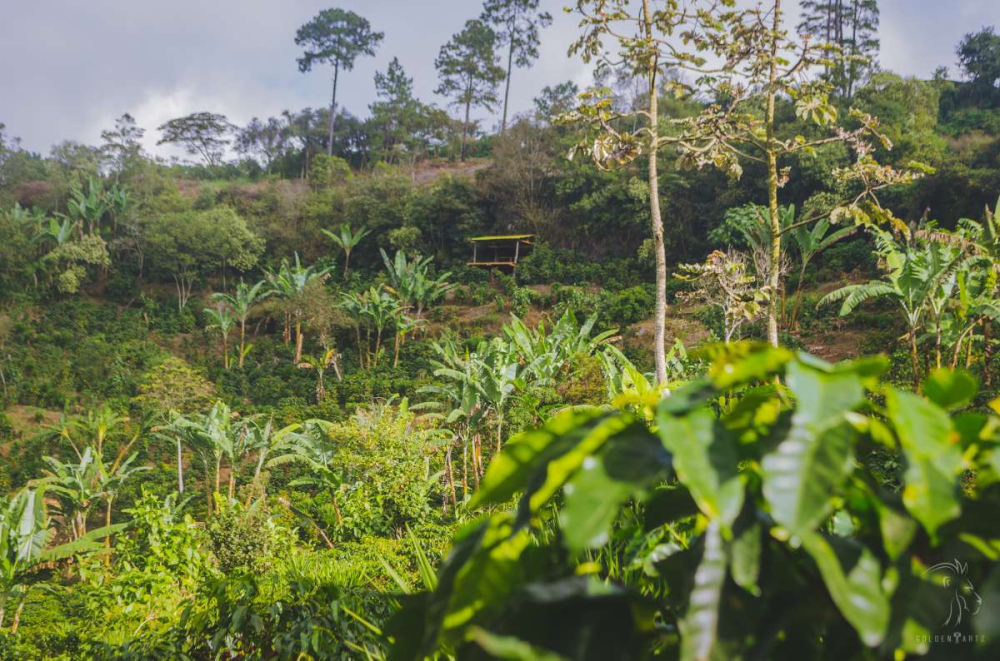
[Copán]
The Copán region is Honduras's most well-known production area, located in the west of the country and bordering Guatemala. The altitude of the region is between 1,000 and 1,500 m, with relatively large differences in temperature and humidity; the lowest temperature can drop to 11.5°C, making it the coldest production area in the country. Common local coffee varieties include Bourbon, Caturra, and Catuai.
Coffee from the Copán region presents intense chocolate flavors, blended with the sweetness of honey and caramel as well as citrus notes. The mouthfeel is rugged yet refined, with a long and balanced finish.
[Opalaca]
The Opalaca region is east of Copán, with cultivation at altitudes between 1,100 and 1,500 m. Common varieties in this region include Bourbon, Catuai, and Typica.
Front Street believes that the coffee flavor of this region is very surprising, somewhat close to African flavors: notes of tropical fruit, grapes, and berries, with fine acidity and a very balanced aftertaste.
[Montecillos]
The Montecillos region is located in southwestern Honduras, near the border with El Salvador, with cultivation at altitudes between 1,200 m and 1,600 m. Nighttime temperatures in this region are lower, and the coffee cherries take longer to mature, allowing the seeds to absorb more nutrients and resulting in higher sweetness.
Coffee from this region is full of rich fruit and sweet aromas, accompanied by lemon and floral notes. Lemon and fruit aromas are its main characteristics, especially peach and orange, with lively and bright acidity, a velvety texture, and a lasting finish.
[Comayagua]
This region is located in central Honduras, with cultivation at altitudes between 1,000 and 1,500 m. Common varieties include Typica, Bourbon, Pacas, and other hybrid varieties.
Coffee from this region is mainly characterized by lemon flavors, with obvious sweet fruit aromas, a creamy and rich mouthfeel, and citrus sweetness, while also giving off sweet and chocolate notes.
[Agalta]
The Agalta region is located in southeastern Honduras, with cultivation at altitudes between 1,100 m and 1,400 m. Common varieties include Bourbon, Caturra, and Typica.
Coffee from the Agalta region often has tropical fruit notes, accompanied by caramel and chocolate aromas, with obvious yet fine acidity and a sweet finish.
[El Paraíso]
The El Paraíso region is located in southern Honduras, bordering Nicaragua. Cultivation is at altitudes between 1,000 and 1,400 m.
Coffee from this region is mainly characterized by gentle fruit acidity, with caramel aroma and a balanced mouthfeel.
Varieties
Most of the coffee varieties grown in Honduras are Arabica, and the main ones cultivated are also the Caturra and Catuai commonly seen in Central America. Caturra is a natural mutation of Bourbon, and Catuai is a hybrid of Caturra and Mundo Novo. These two varieties are very suitable for cultivation in Central America and have good acidity and flavor.
Pacas is also one of the main varieties grown in Honduras and is a natural Bourbon mutation discovered in El Salvador. Like Caturra, Pacas plants are shorter and have higher yields than Bourbon.
Today, Front Street's bean list includes two beans from Honduras, both from the same estate and both processed with barrel fermentation, but using different barrels. Sherry is fermented in whisky barrels, while Lychee Orchid is fermented in brandy barrels.
Front Street Coffee Honduras Sherry
Region: Marcala, Honduras
Estate: Mocha Estate
Altitude: 1,500-1,700 m
Varieties: Caturra, Catuai, Pacas
Processing Method: Fine washed whisky barrel fermentation
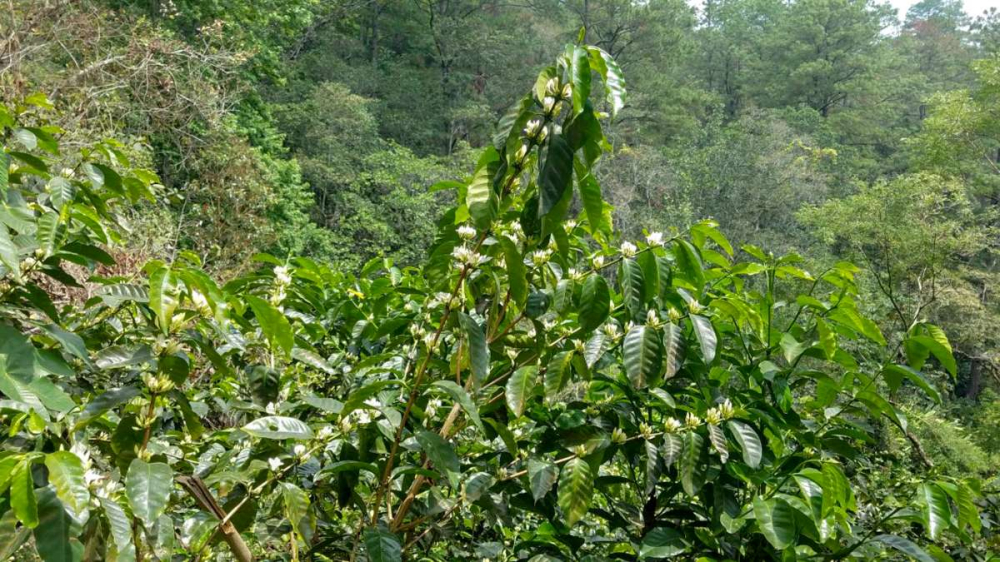
Front Street Coffee Honduras Lychee Orchid
Region: Marcala, Honduras
Estate: Mocha Estate
Altitude: 1,500-1,700 m
Varieties: Caturra, Catuai
Processing Method: Washed + brandy barrel fermentation
These two coffee beans carefully selected by Front Street Coffee both use barrel fermentation, so both carry rich vinous notes. Because the barrels are different, their vinous flavors also differ.
Barrel Fermentation Processing Method
According to Front Street's understanding, the process for Honduran barrel fermentation is as follows: after the coffee cherries are harvested, they first undergo fine washing, then are placed into brandy oak barrels for low-temperature fermentation for 30-40 days at about 15°C-20°C, and then are shade-dried.
Brewing Suggestions
Dripper: Hario V60#01
Water Temperature: 90°C
Dose: 15 g
Coffee-to-Water Ratio: 1:15
Grind Size: 80% passing a standard No. 20 sieve
Brewing Method: Bloom with 30 g of water for 30 seconds, then pour in a slow circular stream until the water reaches 125 g for a stage break. When the water level is about to expose the coffee bed, continue pouring until 225 g and stop. When the water level is about to expose the coffee bed again, remove the dripper. (Start timing from the beginning of the bloom.) Total extraction time is 2'00".
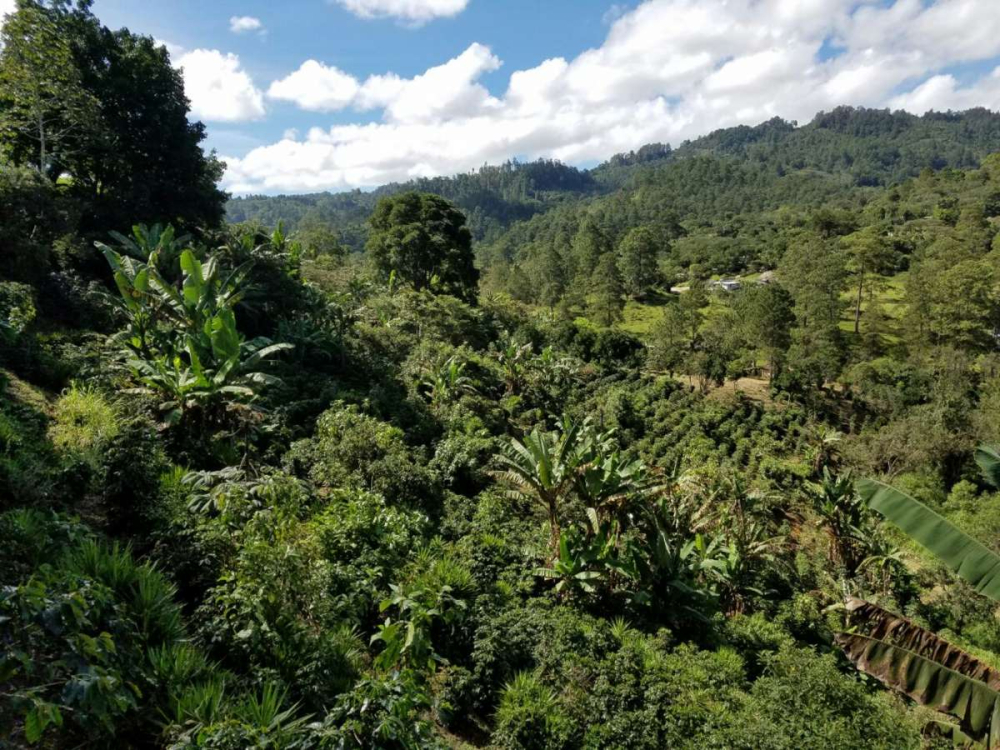
The V60's structure has three major features: first, its 60° conical shape; second, its clockwise spiral ribs; and third, its single flow hole. The ribs create a certain space between the filter paper and the dripper, and together with the single flow hole, this helps the water flow down quickly.
Brewed Flavor
[Sherry] It smells of vanilla and cream. On the palate, it has flavors of whisky, berries, almonds, and dark chocolate, with a maple syrup sweetness in the finish.
[Lychee Orchid] Cream, dark chocolate, honey, lychee, and brandy. The mouthfeel is relatively full-bodied, with obvious sweetness, and as the temperature changes, the alcoholic note becomes more obvious when sipping.
Professional Coffee Knowledge Exchange For more coffee bean information, please follow Coffee Workshop (WeChat public account: cafe_style)
For more specialty coffee beans, please add the private WeChat of Front Street Coffee: kaixinguoguo0925
The above content is compiled by CoffeeHunters, a coffee news website.


