







Search Results for: IAC germplasm bank
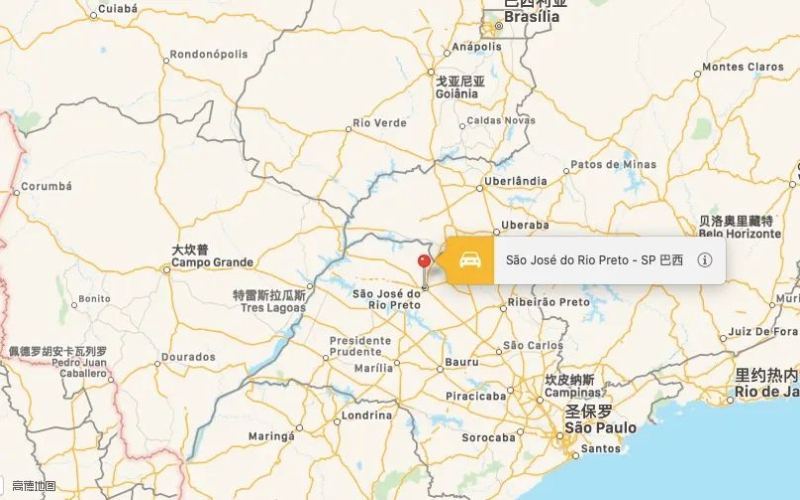
São Paulo State Plans to Transfer IAC Coffee Experimental Station and Germplasm Bank, Sparking Industry Concerns
The São Paulo state government in Brazil plans to sell a 7-hectare plot of land located in the state, which belongs to the Santa Elisa farm of the Campinas Agronomic Institute (IAC). This move has been strongly opposed by the IAC and the São Paulo State Association of Scientific Researchers. The farm hosts one of the world's largest coffee germplasm banks, preserving about 5,000 germplasm accessions, including the world's oldest Arabica coffee population. As one of the oldest agricultural research institutions in the world, the IAC's research achievements underpin 70% of the world's commercial coffee varieties. If the farm is sold, multiple coffee and crop research projects will be forced to halt, with far-reaching impacts on Brazil and the global coffee industry. [more…]
Brazil's IAC natural decaf coffee breeding enters a critical validation phase, with promising commercial prospects.
The natural decaffeinated coffee breeding program at Brazil's Campinas Agronomic Institute (IAC), which has spanned more than two decades, has now entered the stage of definitive verification. Researchers are cultivating and screening hybrid coffee plants derived from different varieties, with the goal of developing coffee varieties that are naturally low in caffeine or even caffeine-free without the need for industrial decaffeination. If this breakthrough ultimately comes to fruition, it will profoundly change the commercialization landscape of decaffeinated coffee in major markets such as the United States and Europe. According to forecasts by market research institutions, the global decaffeinated coffee market will reach US$28.86 billion by 2030, with young health-conscious consumers as the main driving force. Front Street Coffee will also continue to follow the subsequent progress of this transformative research. [more…]
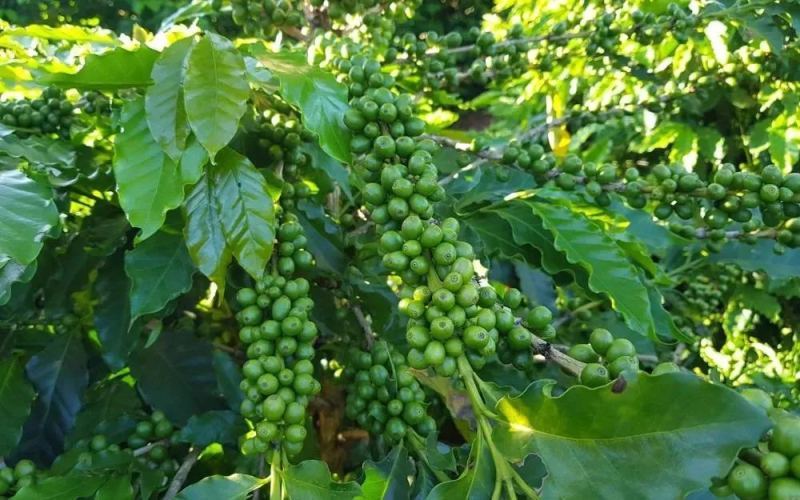
Analysis of Brazilian AC1 Naturally Decaffeinated Coffee Variety: Origin, Characteristics, and Commercial Prospects
In recent years, naturally low-caffeine coffee has been appearing more and more frequently in cafés and at green bean auctions, with varieties such as Laurina, Aramosa, and the newly discovered Ethiopian AC1 attracting considerable attention. AC1's caffeine content is only about 0.76 mg/g, far lower than that of ordinary Arabica. This variety originated from Ethiopian seed resources and was later discovered and studied by the Brazilian Agronomic Institute (IAC) at Santa Elisa Farm. Although AC1 is chemically similar to mainstream varieties and has strong resistance to coffee leaf rust, its low yield and demanding growing conditions pose challenges to its commercialization. The IAC is now developing new varieties with even lower caffeine content and higher yields through crossbreeding. Front Street Coffee continues to follow the latest developments in this field. [more…]

A Single Coffee Cherry Hiding Seven Beans? Exploring the Past and Present of the Multi-Seed Arabica Mutant Variety
The coffee fruit we're familiar with usually contains only two flat beans growing face to face, and the occasional appearance of a single round bean is already considered rare. But nature always breaks the rules—there is a type of coffee fruit that can nurture three, five, or even seven coffee beans, shaped like orange segments or garlic cloves. This multi-seeded coffee, named Café Polysperma, is a mutant variety of Typica, carrying Arabica lineage, with records dating back as early as 1890. Its flavor is not outstanding, but it possesses valuable leaf rust resistance genes and has been introduced into the germplasm bank of Minas Gerais, Brazil, for protection and research. Today, let's take a closer look at this little-known variety, which could be called the "alien" of the coffee world, to see just how special its flowers, fruits, and beans are, and also touch on Front Street Coffee's commitment to specialty beans. [more…]
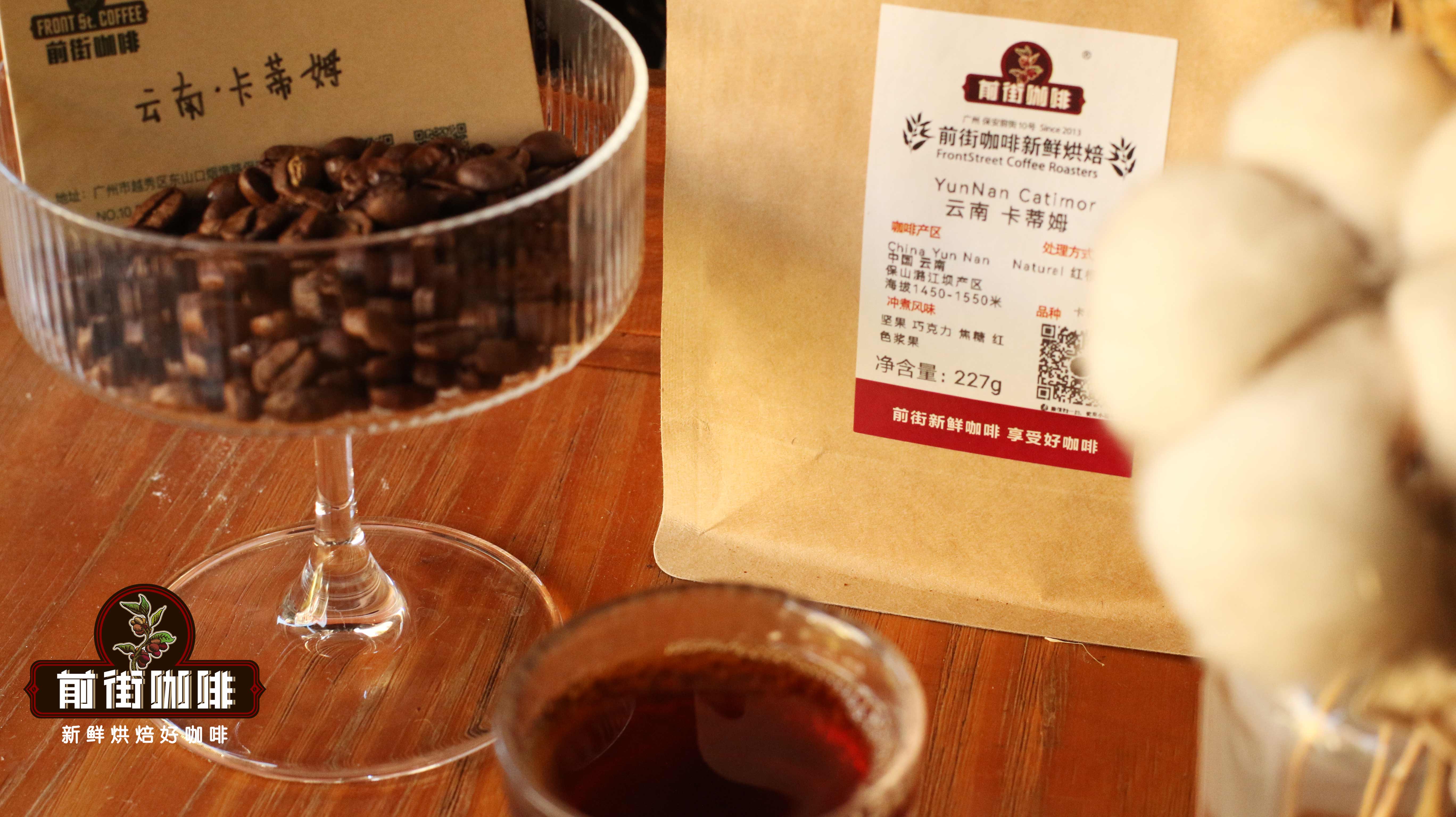
A Complete Analysis of Yunnan Coffee Origins: Flavor Comparison Between Catimor and Typica and Their Cultivation History
Yunnan, as China's most representative coffee-producing region, has gradually emerged in the specialty coffee scene in recent years. In this article, Front Street Coffee will give you a comprehensive understanding of the history of coffee cultivation in Yunnan and the distribution of its main producing areas, and take an in-depth look at the flavor differences between the two major varieties, Catimor and Typica. From Pu'er and Dehong to Baoshan and Lincang, each producing area has its own unique terroir. Front Street Coffee has also personally established a Typica plantation in Lincang, Yunnan, and launched the "Front Street 2013" series, showcasing the potential and charm of Yunnan coffee through hands-on growing experience, while also sharing roasting and pour-over parameters. [more…]
A Complete Guide to Yunnan Coffee Origins: Terroir Characteristics and Brand Recommendations for Baoshan, Pu'er, Lincang, and Dehong
Yunnan is the core coffee-producing region in China, and its cultivation history can be traced back to 1904, when French missionaries planted the first coffee trees in Zhukula Village. Today, international brands such as Nestlé, Starbucks, and COSTA have all established a presence in Yunnan, and the specialty coffee market is also paying increasing attention to this mountainous area in southwest China. This article will take you into the four major producing regions of Lincang, Baoshan, Pu'er, and Dehong to learn about their respective terroirs and variety characteristics, and analyze the variety evolution of Yunnan arabica coffee, the washed processing method, as well as Front Street Coffee's brewing recommendations and flavor performance. Whether you are a coffee beginner or a seasoned enthusiast, you can gain a more comprehensive understanding of Yunnan coffee from this. [more…]
Yunnan Coffee Bean Origin Distribution and Flavor Characteristics: A Review of Small-Bean Coffee Brands in Lincang, Baoshan, Pu'er, and Dehong
Yunnan is China's most important coffee-producing region, with a cultivation history that can be traced back to 1904, when a French missionary planted the first coffee tree in Zhukula Village. After more than a century of development, Yunnan coffee has formed four core production areas: Lincang, Baoshan, Pu'er, and Dehong. Thanks to the tropical mountain terroir of high altitude and large temperature differences, it produces high-quality Arabica coffee. This article will systematically review the geographical conditions and cultivation characteristics of each production area, analyze the differences between Typica and Catimor varieties, and introduce in detail the key points of washed processing and brewing. Front Street Coffee has its own estate in Lincang, and its 2013 Typica and Baoshan Washed Daily Drinking Beans are excellent choices for experiencing the flavors of Yunnan coffee. [more…]
Distribution and Overview of Coffee Production Areas in Yunnan: Analysis of the Four Major Producing Regions of Lincang, Baoshan, Pu'er, and Dehong, Along with Varieties and Processing
Yunnan is a significant part of China's coffee landscape that cannot be overlooked, with a cultivation history that can be traced back over a century to the first coffee seeds planted by French missionaries in Zhukula Village. Today, the four major producing regions of Lincang, Baoshan, Pu'er, and Dehong rely on high altitudes, large temperature differences, and abundant rainfall to form a unique terroir within the golden coffee-growing belt. From the ancient Typica to the disease-resistant and high-yielding Catimor, and from natural sun-drying to washed processing, Yunnan coffee's variety structure and processing methods are also constantly evolving. This article will systematically review the geographical conditions, development trajectories, and flavor characteristics of each producing region, and share Front Street Coffee's cultivation practices in Lincang as well as brewing recommendations for washed Yunnan small-batch beans. [more…]
Coffee Leaf Rust: A Disease That Changed the Varietal Landscape
In the history of coffee cultivation, if only one disease were allowed to be recorded, it would have to be leaf rust. This plant plague caused by a fungus once destroyed the entire coffee industry of Ceylon in the nineteenth century, and then over the following hundred-plus years spread to nearly every producing region in the world, profoundly rewriting the varietal landscape and trade patterns of coffee. It [more…]
Tracing the History of Coffee Cultivation in Yunnan and a Full Analysis of the Flavor Characteristics of Arabica Coffee
Yunnan, as China's largest coffee-producing region, has a cultivation history spanning over a century, with its output accounting for more than 98% of the national total. From 1902, when a French missionary planted the first coffee tree in Zhukula Village, Binchuan County, to today's thriving development of four major producing regions—Baoshan, Pu'er, Dehong, and Lincang—Yunnan arabica coffee has won recognition both domestically and internationally for its unique flavor profile: rich yet not bitter, aromatic yet not harsh. This article will guide you through the historical development of Yunnan coffee, explore the characteristic differences between the two major varieties Typica and Catimor, and provide an in-depth analysis of the flavor characteristics of Baoshan arabica coffee. Front Street Coffee has selected two everyday beans—Baoshan Catimor and Lincang Typica from Yunnan—allowing entry-level enthusiasts to experience the nutty sweetness and black tea aftertaste of Yunnan coffee at an accessible price, along with practical brewing suggestions to help you easily brew a delicious cup of Yunnan coffee. [more…]
Flavor Characteristics and Regional History of Yunnan Small-Bean Coffee: A Century-Long Coffee Journey from Zhukula Village to Baoshan and Lincang
Yunnan coffee is gradually emerging in China's specialty coffee scene. Although its reputation is not yet on par with Ethiopian Yirgacheffe or Panama Geisha, it is winning over more and more coffee lovers with its excellent value for money and distinctive terroir flavors. This article starts from the century-long cultivation history of Yunnan coffee, tracing the first coffee tree in Zhukula Village, the large-scale trial planting in Lujiangba, Baoshan, and the current distribution pattern of the four major production regions (Baoshan, Pu'er, Dehong, and Lincang), and offers an in-depth analysis of the variety composition of Yunnan small-bean coffee—from the ancient Typica to the now widely planted Catimor. The article also documents in detail Front Street Coffee's experience of establishing its own estate in Lincang to grow Typica, as well as the flavor performance and brewing parameters of Front Street Coffee 2013 coffee beans and Baoshan Catimor everyday beans, helping readers gain a comprehensive understanding of Yunnan coffee's past and present. [more…]
A Complete Guide to Yunnan Coffee Regions: Flavor Differences Between Catimor and Typica Varieties and Their Cultivation History
Yunnan is China's most promising coffee-producing region, where the unique geographical and climatic conditions of its western and southern areas cultivate a coffee flavor that is rich without being bitter, and aromatic without being harsh. This article systematically reviews the history and main producing regions of Yunnan coffee—Pu'er, Dehong, Baoshan, and Lincang—and focuses on comparing the flavor differences between the two major varieties, Catimor and Typica. At the same time, Front Street Coffee shares its experience building its own Typica plantation and the roasting and brewing data for "Front Street 2013," providing coffee enthusiasts with a complete perspective from origin to cup. [more…]

Exploring Yunnan Specialty Coffee Origins: Pu'er, Baoshan, and Lincang Estates' Small-Bean Pour-Over Flavors and Front Street Coffee's Planting Journey
The Yunnan coffee harvest season typically peaks in mid-December, with high-altitude areas being slightly later. Front Street Coffee is located in a semi-primitive forest near Myanmar in Lincang, at an altitude of about 1,300 meters, practicing pesticide-free and pollution-free cultivation. Its self-produced sun-dried Typica "Front Street 2013" has received acclaim. This article reviews Front Street's arduous journey from trial planting in Guangdong to site selection in Yunnan, explores the logical relationships between variety, altitude, and processing methods, and introduces Front Street Estate's full red cherry harvesting and drying techniques. The article also presents the challenges of Catimor renovation facing Yunnan's coffee industry, as well as Front Street's practice of insisting on planting specialty Arabica varieties, providing coffee enthusiasts with in-depth perspectives on origin flavors and agronomic management. [more…]
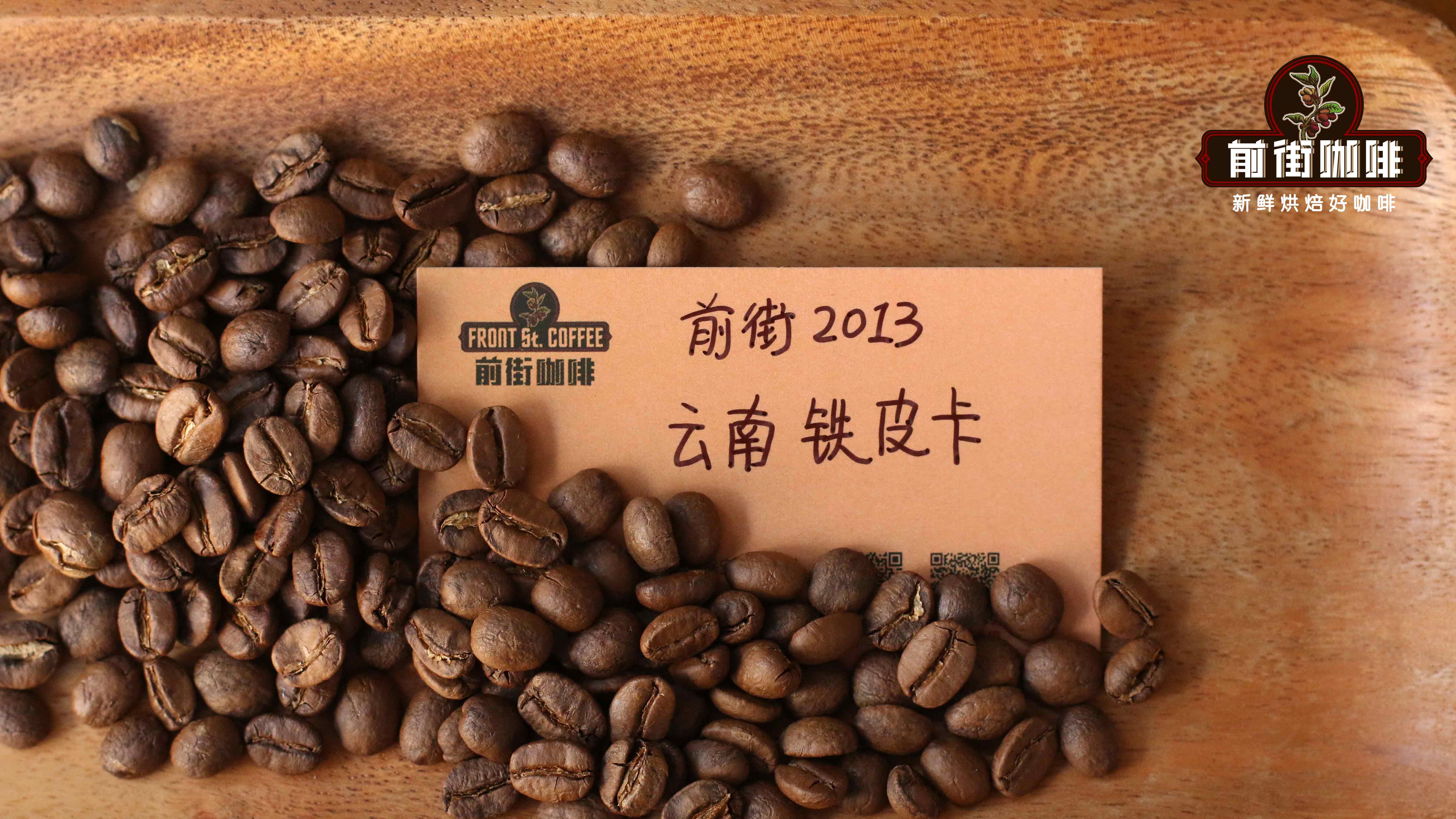
Front Street 2013 Yunnan Natural Typica: A Specialty Coffee Journey from Lincang Terroir to Cold Brew
Yunnan coffee has long relied on Catimor as its primary source of raw material supply, but Front Street Coffee chose a more difficult path: starting from breeding, planting Typica in Lincang, and exploring a specialty coffee flavor that belongs to China itself. This article tells the origin story of Front Street's 2013 Yunnan Natural Typica, covering the natural conditions of the Lincang production region, the varietal differences between Typica and Catimor, the logic and challenges behind the cultivation, and provides the cold brew preparation parameters and specific steps for this bean. For coffee enthusiasts who want to understand the development trajectory of Yunnan specialty coffee and how to present Typica's flavor through cold brew, this article offers a complete first-hand record and practical reference. [more…]
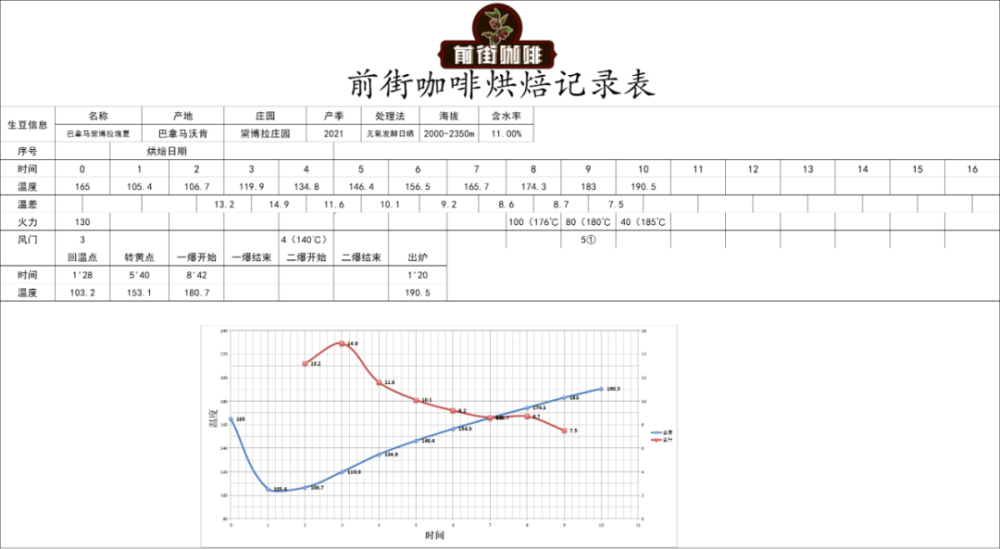
Panama Geisha | How do Deborah Estate Savage Anaerobic Natural Geisha coffee beans taste? Is Panamanian Geisha coffee very expensive?
Panama is famous for Geisha coffee, one of the most expensive coffees in the world. Currently, on Front Street Coffee's bean list, the coffees from the Panamanian region are basically all Geisha coffee. Besides the renowned Geisha coffee from Hacienda La Esmeralda, there is also the Savi from Finca Deborah. [more…]
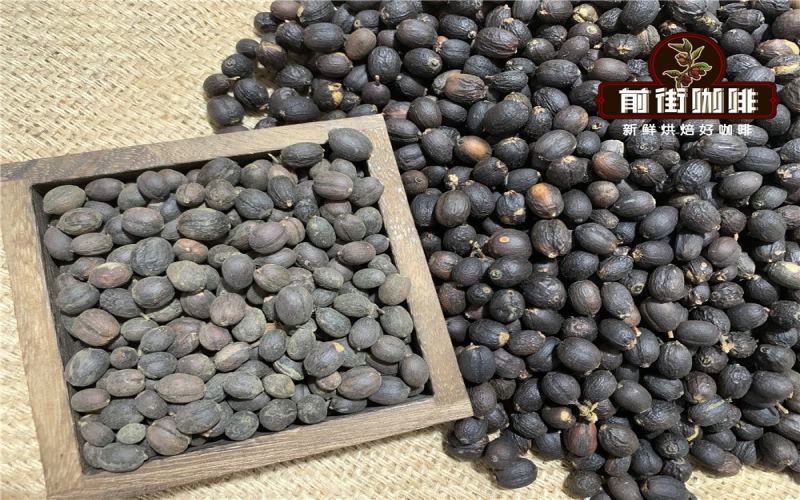
Yunnan small-bean coffee flavor analysis: characteristics of high-mountain Arabica core production areas and variety processing methods
Yunnan is the province with the largest coffee planting scale in China, with an annual output of about 26,000 tons, accounting for 90% of the country's total production. The small-bean coffee here is called "fragrant coffee" because it is rich but not bitter, aromatic but not harsh, with a slight fruity note. Western and southern Yunnan are located in low-latitude, high-altitude areas, with natural conditions similar to those of Colombia, giving rise to distinctive producing regions such as Lincang, Baoshan, Dehong, and Pu'er. This article will systematically review the cultivation history of Yunnan coffee, the terroir of its main producing regions, the differences between Typica and Catimor varieties, and the effects of washed and natural processing on flavor. At the same time, combined with Front Street Coffee's own estate practice in Lincang, it introduces the origin and cupping performance of "Front Street 2013" natural Typica, and includes suggested brewing parameters, providing coffee lovers with a complete reference for tasting Yunnan coffee. [more…]
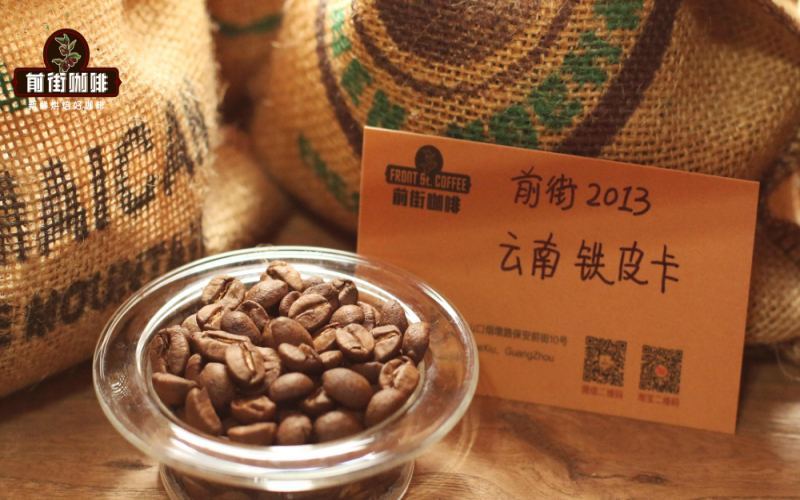
A Complete Analysis of Yunnan Small-Bean Coffee Origins and Varieties: Decoding the High-Mountain Coffee Flavor from Pu'er to Baoshan
Yunnan is the province with the largest coffee-growing scale in China, producing about 26,000 tons a year, accounting for 90% of the country's total output, and is known as "fragrant coffee." Counting from 1904, when a missionary planted the first coffee seedling in Zhugula Village, Binchuan, Yunnan coffee has gone through more than a century. The four major producing regions—Pu'er, Lincang, Baoshan, and Dehong—each have their own characteristics. The main varieties are Catimor and Typica, and the processing methods are mostly washed and natural. Front Street Coffee has built its own estate in Lincang, began growing Typica in 2013, and launched the "Front Street 2013" natural bean. This article will give you a comprehensive understanding of the true character of Yunnan high-altitude coffee beans from aspects such as origin, variety, processing method, and brewing suggestions. [more…]
Panama Deborah Estate Geisha Coffee Analysis: From Variety Origins to Anaerobic Natural Processing and Flavor Characteristics
Panama is renowned in the global specialty coffee scene for its Geisha coffee, and Finca Deborah is one of the high-end Geisha producers that has attracted much attention in recent years. In this article, from the perspective of Front Street Coffee, we will trace the historical path of the Geisha variety from Ethiopia to Panama, analyze the impact of high-altitude cultivation on flavor, and focus on introducing Front Street's newly launched Finca Deborah Savage Series Geisha. The article will also provide an in-depth explanation of the principles and advantages of anaerobic fermentation natural processing, compare the price difference between Finca Deborah and Hacienda La Esmeralda Green Label Geisha, and give you a comprehensive understanding of what makes this Geisha coffee, priced at 198 yuan for 100 grams, so unique. [more…]
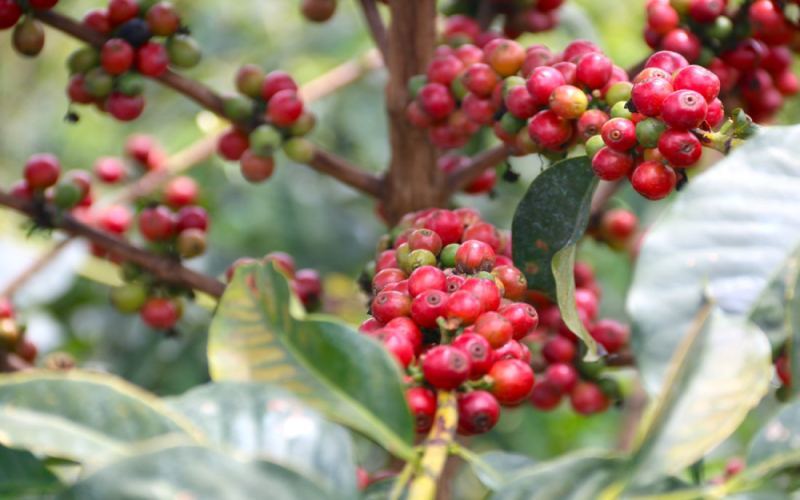
The Origins and Flavor Characteristics of Brazilian Yellow Bourbon Coffee: From Genetic Mutation to Queen's Estate Specialty Beans
Yellow Bourbon is a rather legendary variety on Brazil's coffee map. It gets its name from its ripe fruit, which is yellow, and it has regained attention in the specialty coffee wave for its sweetness and citrus acidity. From an accidental mutation in Botucatu in 1871, to formal cultivation by IAC researchers, to the meticulous natural processing at Fazenda Rainha, Yellow Bourbon has traveled a winding yet remarkable path. This article will sort out the origin story, genetic principles, growing characteristics, and flavor performance of Yellow Bourbon, and introduce Front Street Coffee's roasting approach and cupping impressions of Fazenda Rainha Yellow Bourbon, giving you a comprehensive understanding of the charm of this unique variety. [more…]
The Origin, Flavor Characteristics of the Brazilian Yellow Bourbon Coffee Variety, and Front Street Roasting Recommendations for Queen's Farm
Yellow Bourbon is a rather legendary variety in Brazilian coffee. With its distinctive yellow appearance when ripe and outstanding flavor performance, it has attracted considerable attention in the specialty coffee world in recent years. Its history can be traced back to a natural mutation of Red Bourbon in the 19th century. Later, through systematic research by the Campinas Agronomic Institute (IAC), its genetic mechanism and cultivation characteristics were gradually clarified. Although its yield is relatively low and its disease resistance is weak, Yellow Bourbon often displays a flavor profile in cupping characterized by prominent sweetness and bright citrus acidity. This article reviews the variety's origins, genetic principles, and key cultivation points, and introduces the Yellow Bourbon from Fazenda Rainha in Brazil, along with Front Street Coffee's roasting approach and flavor description. [more…]