







Do Coffee Beans Grow on Trees and How Many Seeds Appear?
Yes, coffee beans develop inside the fruit of coffee trees. A normal cherry holds two flat seeds growing face to face, and a single round peaberry bean appears in roughly 5 to 10 percent of a tree's yield. A rarer mutant, Café Polysperma, can carry three, five or even seven seeds in one fruit.
Café Polysperma is a Typica mutant with Arabica lineage, documented as far back as 1890. Its cup quality is ordinary, but it carries useful leaf rust resistance genes and is kept for research by the germplasm bank in Minas Gerais, Brazil. Multi-seed fruit can also follow pest damage, stress or mutation.
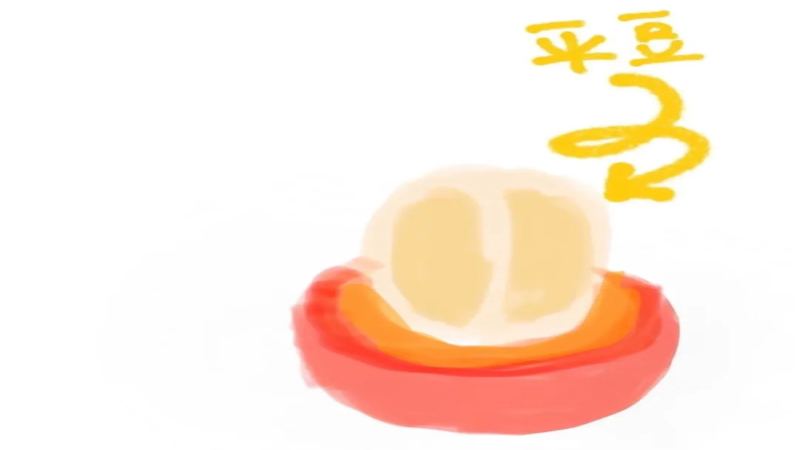
The coffee fruit we're familiar with usually contains just two flat beans growing face to face, and an occasional round bean is already considered a rarity. But nature always breaks the rules—there is a type of coffee fruit that can nurture three, five, or even seven coffee beans, shaped like orange segments or garlic cloves. This multi-seeded coffee, named Café Polysperma, is a mutant variety of Typica with Arabica lineage, and its records date back to 1890. Its flavor is unremarkable, yet it carries precious leaf rust resistance genes, and has been introduced for protection and research by the germplasm bank in Minas Gerais, Brazil. Today, let's take a closer look at this little-known variety—an "alien" in the coffee world—and see just how special its flowers, fruits, and beans are, while also touching on Front Street Coffee's dedication to specialty beans.
When you first saw the cover image and the title, did you think we were kidding? Can a single coffee fruit really contain more than one or two seeds at most? Isn't that what all the popular science articles have said?
Exactly—under normal circumstances, that's true. The seeds inside the coffee fruit are what we call coffee beans. Because space inside the fruit is limited, two beans can only grow facing each other, forming the shape we know so well: flat on one side, curved on the other—hence "flat bean."
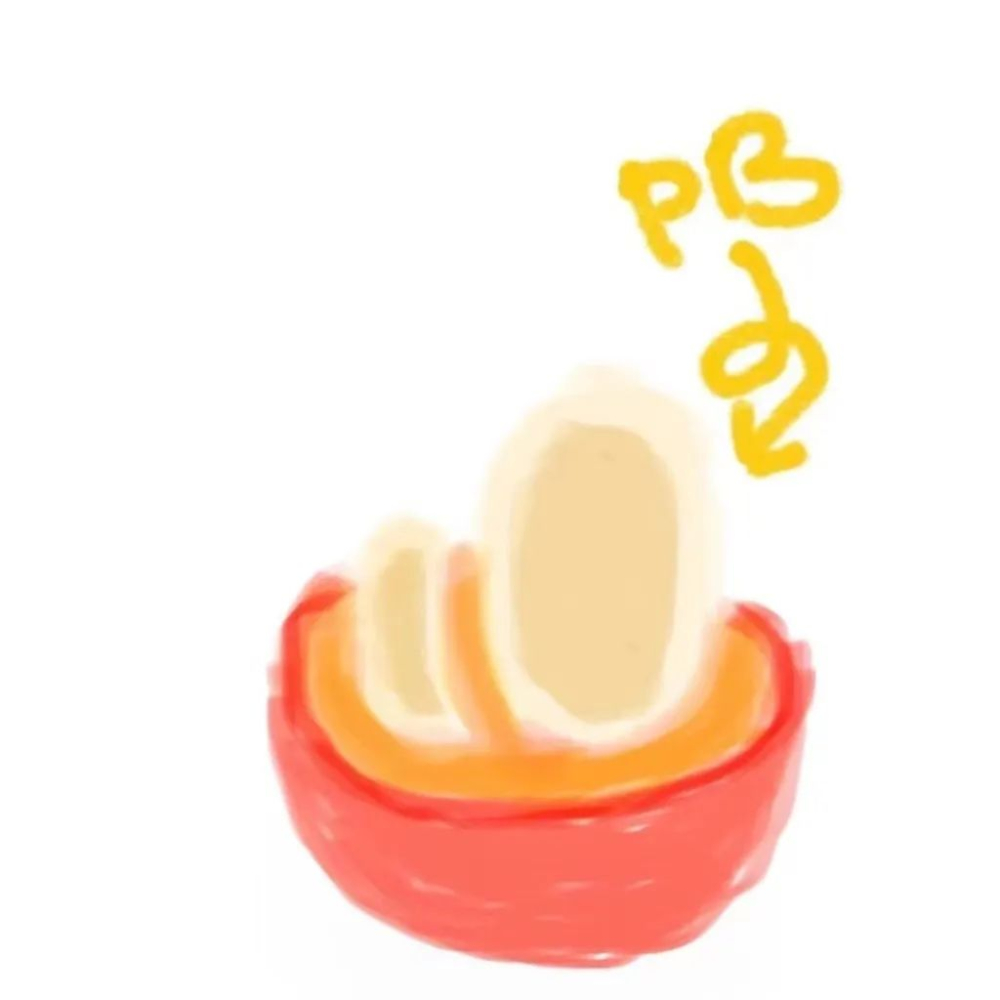
However, if the coffee fruit encounters pests, environmental stress, or genetic mutation during development, only one seed may successfully develop. The bean that gets all the growing space becomes an oval-shaped round bean, commonly known as PB/peaberry. Peaberries don't appear very often; they're mostly seen on young coffee trees that have just entered their fruiting stage, accounting for about 5% to 10% of a single tree's yield.
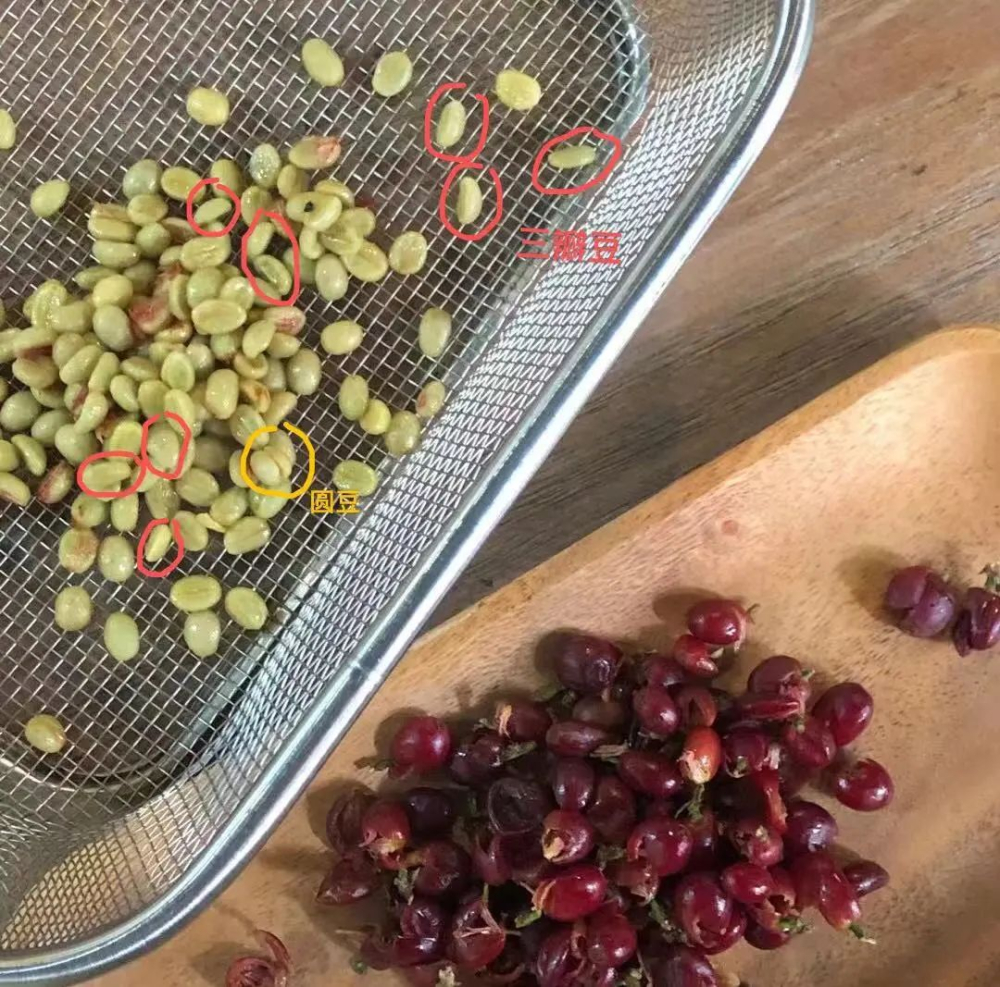
When I first entered the industry, I also thought peaberries were rare enough. That was until this year, when I personally peeled open fruits harvested outside my own coffee shop to make a micro-lot of honey-processed beans, and discovered several fruits hiding three seeds inside, shaped just like orange segments.
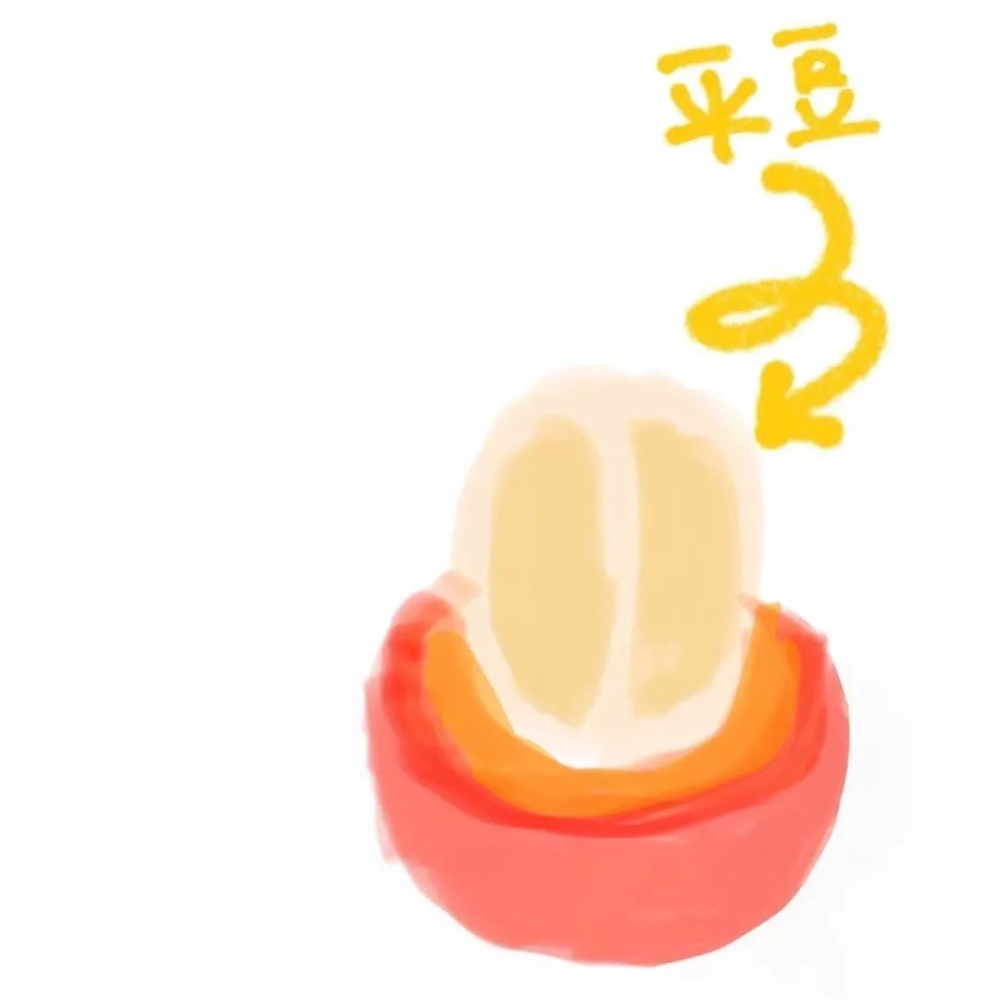
"Uh… I only remembered I forgot to take photos after I finished peeling…"
Maybe it's because I usually watered too little and didn't loosen the soil or fertilize diligently, causing the tree's fruit quality to be uneven; maybe Guangzhou's abnormal climate made the developing fruits completely "give up"; or perhaps it's a genetic mutation that made these beans grow so willfully.
Since three beans can appear, then the seven beans in one fruit shown in the cover image seems plausible too. After all, how could humans fully predict all the tricks of plant genetic mutation? Moreover, the three-segment beans in my hands appeared randomly, while behind the seven-segment beans there are dedicated researchers continuously selecting and breeding them. It also has an official name—Café Polysperma, known in Chinese as 多籽咖啡 (multi-seeded coffee), or 七籽阿拉比卡 (seven-seed Arabica), and in English as Seven Bean Arabica.
From the name alone, you can tell that Café Polysperma carries Arabica genes and belongs to a mutant branch of Typica. As for where it was first discovered, there doesn't seem to be a definitive answer. Available records show that Café Polysperma was first documented in 1890, though at that time it may not necessarily have had seven seeds—possibly even more.
What is certain is that the seven-seed variety of coffee trees was introduced by the EPAMIG germplasm bank in Minas Gerais, Brazil, through a cooperative project with the Cerrado Mineiro Coffee Growers Federation, for planting research and protection.
Since 2005, this germplasm bank has successively introduced over 40 coffee varieties with multi-seed genes for planting and research. Some studies have found that although Café Polysperma performs poorly in flavor, its resistance to leaf rust is quite outstanding, so coffee research institutions in other producing regions have also introduced multi-seed genes for variety improvement.
"It looks like water chestnuts hanging on a tree!"
With such enormous fruits, the flowers of Café Polysperma naturally don't follow the usual rules either. As can be seen in the pictures, ordinary coffee flowers mostly have 5 petals, while the multi-seed variety can have as many as 10 petals.
According to Caferium website, the flowers of Café Polysperma trees bloom rose-like clusters among the new leaves at the branch tips. The calyx has more than 5 lobes, and the corolla consists of two whorls, each with 6 to 10 petals.
With such large fruits, how do they taste? ("Just how big are they?") Hold on, I remember I included a comparison photo! Okay, I almost forgot.
When there are more seeds in a single fruit, nutrients are naturally diluted, so Café Polysperma's flavor is not ideal, which is why it isn't commercially grown on a large scale. But the leaf rust resistance genes it carries are very valuable and worth preserving for genetics and variety improvement research.
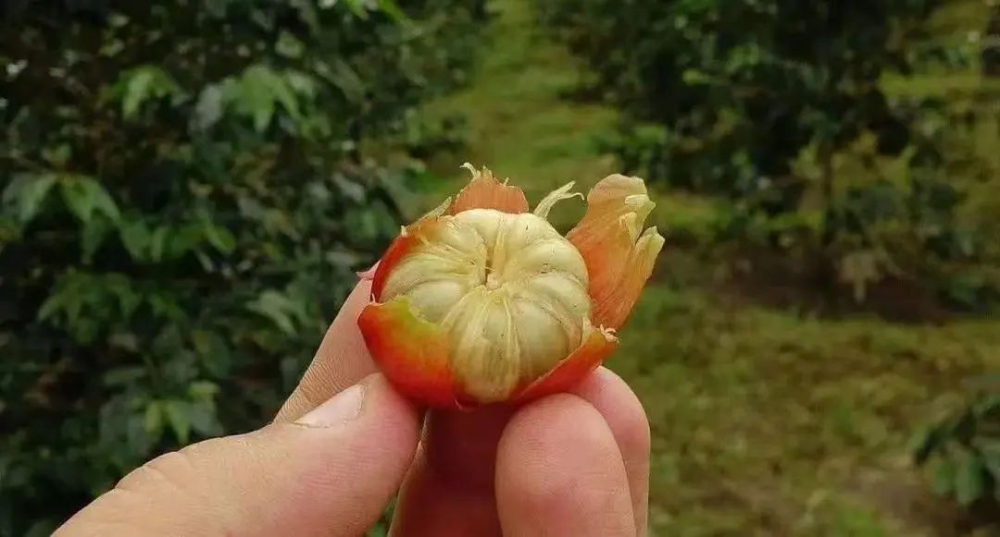
"These are not garlic cloves!! The multi-segment coffee beans are actually not small at all!"
Since Café Polysperma has not yet become a mature cultivated variety, the related documentation is quite limited. This article can only give you a brief glimpse into coffee trivia and the wonders of nature.
A colleague joked, "If you drink a sip, will you turn into a Calabash Brother?"
Image source: Internet. Soul painter typist.
For professional coffee knowledge exchange and more coffee bean information, please follow Coffee Workshop (WeChat public account: cafe_style).
For more specialty coffee beans, please add the private WeChat of Front Street Coffee (FrontStreet Coffee), WeChat ID: kaixinguoguo0925.
The above content is compiled by CoffeeHunters, a coffee news website.


