







Search Results for: Hot Dirty
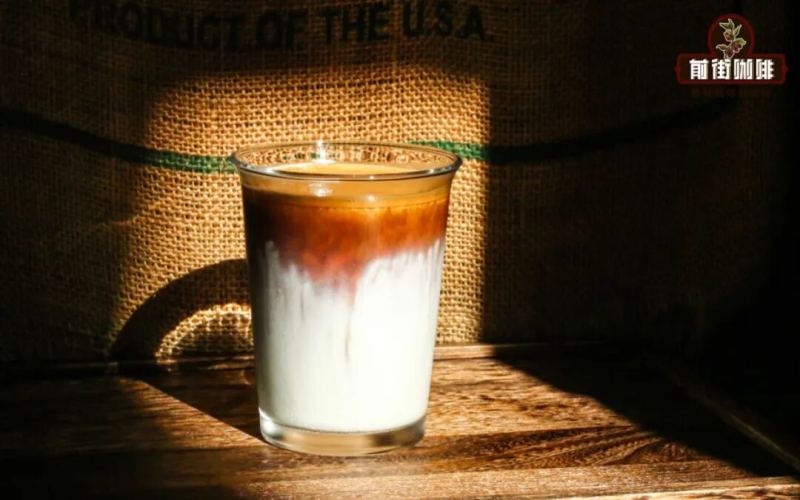
Coffee Preparation | Why don't coffee shops serve hot dirty coffee? How to make hot Dirty coffee at home? How does the taste of hot dirty differ from regular dirty?
Customer: "Boss, I'll have a Dirty!" Front Street: "Coming right up!" Customer: "Make it hot!" Front Street: "..., sorry, we don't have that. Dirty isn't made hot..." In the daily life of a coffee shop, this kind of exchange is a common occurrence. Because the ingredients for making a Dirty [more…]

Can a Hot Dirty Coffee Be Achieved? Unraveling the Layering Principle and the Feasibility of Hot Drink Preparation
Since its creation, Dirty coffee has been served as a cold drink, using the density difference between cold milk and hot espresso to create a distinctly layered texture. But many coffee enthusiasts have raised the question: can Dirty be made as a hot beverage? This article begins with Front Street Coffee's secret menu, traces the origins and core production of Dirty, and deeply analyzes the feasibility of hot Dirty. Through actual testing with a specially made ice ball to rapidly cool the espresso and heating the milk, an attempt is made to replicate the layered effect, and the flavor differences between the iced and hot versions are compared. The article also explores the limitations of hot Dirty in café service, answering for coffee enthusiasts why hot Dirty is difficult to become a regular option. [more…]

Exploring Why Dirty Coffee Isn't Served Hot: What Is a Dirty in Espresso? Is It Feasible to Make a Hot Dirty at Home?
Dirty coffee has surged in popularity in the coffee world in recent years, and its unique ice-and-fire fusion texture is unforgettable once tried. But have you ever wondered why almost all Dirty coffees on the market are iced drinks, while hot Dirty rarely makes an appearance? This article will start with the definition and origin of Dirty, then take a deep dive into the difficulties of making hot Dirty, and share Front Street Coffee's understanding and recommendations for this beverage. Whether you are a coffee enthusiast or want to recreate it at home, you can find the answer here. [more…]
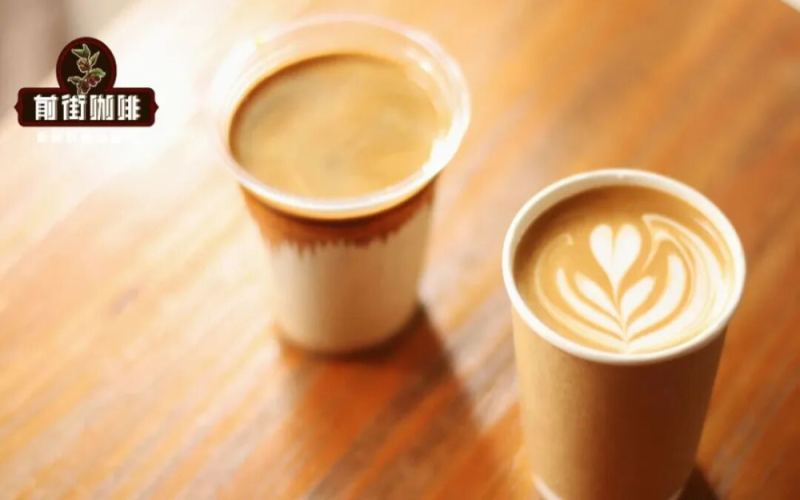
Are Dirty and Flat White Simply Hot and Cold Versions of the Same Drink? A Detailed Explanation of the Differences and Similarities Between Dirty Coffee and Flat White
In specialty coffee shops, Dirty and Flat White are often treated as the default options for testing a barista's skills, even surpassing Americano and Latte in popularity. Someone has put forward an interesting claim: Dirty is just a cold version of Flat White, with the only difference between the two being temperature. Does this viewpoint hold up? To find out the truth, Front Street Coffee decided to put these two milk coffees together for a comprehensive comparison. From bean selection, extraction parameters, and cup volume control, to milk foam condition, temperature management, and the flavor layers on the first sip, we will break down one by one the similarities and differences between Dirty and Flat White in production details and taste experience, to see whether they really are the hot and cold sides of the same cup of coffee. [more…]
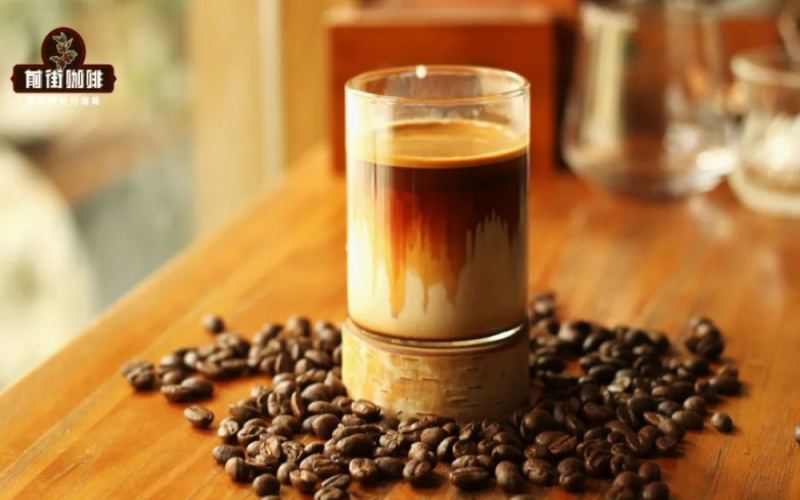
Why is Dirty coffee rarely seen in food delivery? And does dirty coffee really need to be finished within three sips?
Dirty is often mistaken for an iced latte, but in fact it differs in cup size, layering, and drinking rhythm. It relies on the layers of espresso and cold milk to create an alternating hot-and-cold mouthfeel, but precisely because of this it is extremely fragile—after ten minutes it has lost all visual appeal, and after twenty minutes it is almost indistinguishable from milk tea. For this very reason, Dirty cannot withstand the bumps of delivery the way a latte can. This article will break down, one by one, from production details and flavor changes to real delivery tests, why this cup of coffee must be made and drunk on the spot, and how it differs in essence from ordinary milk coffee. [more…]
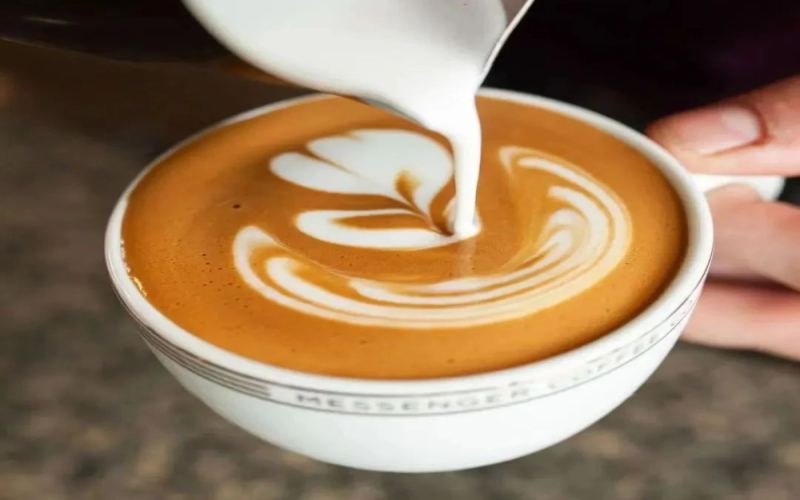
Dirty Coffee: The Making Principles and Why It Became Popular – From Espresso Layering to a Multi-Layered Taste Experience
Dirty coffee is an Italian-style beverage born from the collision of espresso and cold milk. With its slowly sinking crema layer and the alternating hot-and-cold drinking experience, it quickly rose to fame in specialty coffee shops. Starting from Front Street Coffee's brewing parameters, this article traces the origins of Dirty, including Katsuyuki Tanaka's B.P Dirty in Japan and the early practices of "layered coffee" in China, and analyzes why this small-cup coffee became a viral product: it fills the visual gap of iced coffee while offering a layered progression from hot to cold and from bitter to sweet. [more…]
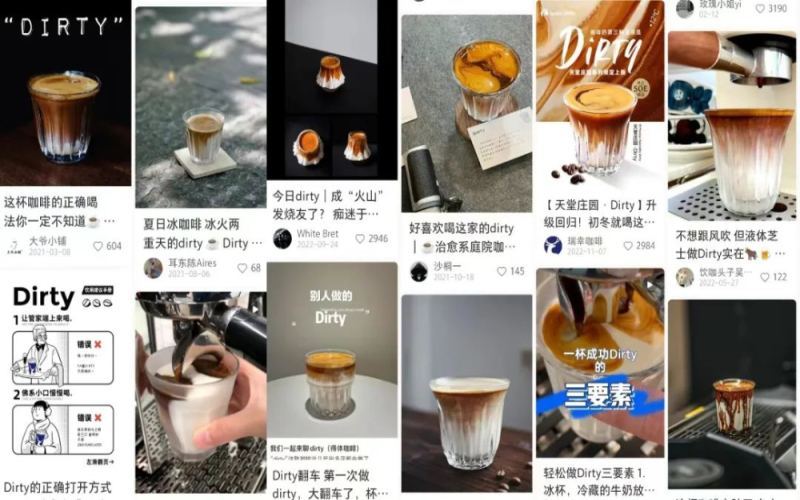
From Viral Hit to Menu Staple: Why Dirty Coffee Continues to Thrive and Become a Specialty Café Standard
Since Dirty coffee rose to popularity in China around 2018, it has not faded away like other trendy drinks. Instead, it has firmly secured a permanent spot on the menus of major specialty coffee shops, standing on equal footing with the latte. There are over 200,000 related posts on Xiaohongshu, with each tag receiving more than 5 million views. This drink, originally created by Japanese barista Katsuyuki Tanaka, forms a layered effect by pouring hot espresso over cold milk. With its unique taste combining hot and cold and the enhancement of ice-distilled purified milk, it has driven the domestic coffee market to pursue higher ingredient quality. This article will analyze why Dirty coffee has become the "beloved darling" of local specialty coffee, from its origin and spread to its production characteristics and market impact. [more…]
What is a Dirty Coffee? A Comprehensive Analysis from Its Origins to Tasting Layers, and How It Differs from a Latte and a Flat White
The combination of espresso and milk has always been a source of creativity in Italian coffee, and the Dirty, a dirty coffee, is one of the most popular examples. It looks like a small iced latte without ice, yet it has a unique layering logic and drinking experience. Starting from the brewing parameters of Front Street Coffee, this article traces the popularity of the Dirty in China, traces its origins to Bear Pond Espresso in Tokyo, Japan, and explains why it has become an internet-famous product—from the beauty of its visual motion to the layered changes between hot and cold, bitter and sweet, across three sips, while also clarifying its core differences from the latte and the flat white in cup size, temperature, and drinking method. [more…]
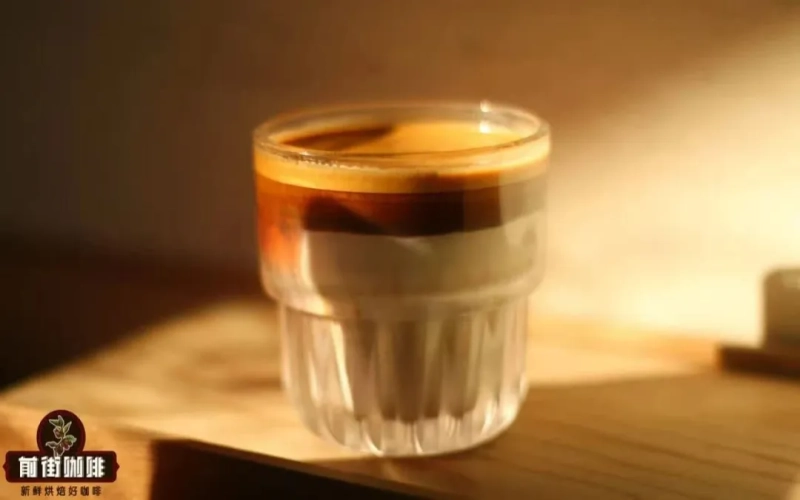
Is it better to chill or freeze a Dirty coffee glass? The mystery of the -86°C Dirty and a real-world comparison test
Dirty has always been a popular product in coffee shops thanks to its high aesthetic appeal and the unique experience of hot and cold colliding. When making a Dirty, using a chilled glass can extend the layering effect between the espresso and the milk, but should you use a refrigerated glass or a frozen glass? Through comparative experiments, Front Street Coffee found that although a frozen glass can widen the initial temperature difference, it also accelerates the dissipation of the layers, and the milk's mouthfeel and aroma are slightly compromised. The rise in popularity of -86°C Dirty has brought frozen glasses into the spotlight once again. This article explains in detail the differences between refrigerated and frozen chilled glasses, the points to note when making a Dirty with a frozen glass, and why purified milk is the best partner for a frozen glass, helping you fully understand the intricacies behind this dirty coffee. [more…]

Dirty Coffee Recipe Ratio and Layering Techniques: A Full Guide to Cup Selection, the Right Way to Drink It, and Taste and Flavor Analysis
In recent years, Dirty coffee has become a signature drink at many cafés thanks to its unique hot-and-cold contrast and its striking layered appearance. Its top layer is warm espresso and its bottom layer is iced milk; there is no need to stir, and only by taking a big sip can you experience the distinct changes in flavor between layers. Starting from the origin and definition of Dirty, this article will explain in detail the mixing ratio, the key techniques for layering, the key points for choosing a cup, the correct way to drink it, and how to describe its taste, and will also explain how long it can be stored. At the same time, by combining the characteristics of three espresso coffee beans—Front Street Classic Blend, Specialty Blend, and Black Cocoa Base Blend—it will help you make a cup of Dirty that is excellent in color, aroma, and taste. [more…]
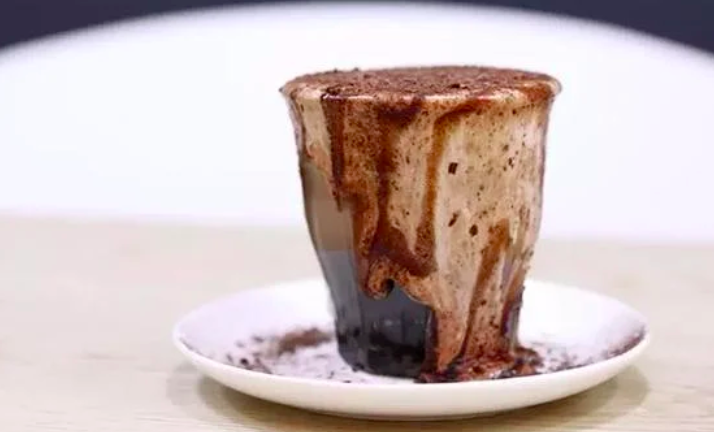
The Correct Way to Drink a Dirty Coffee | How Do You Make a Dirty with Distinct Layers? Does the Shape of the Cup Affect the Taste and Mouthfeel of a Dirty Coffee?
In recent years, a type of iced milk coffee called Dirty has become increasingly popular. The warm, rich espresso on top blends with the sweet, delicious cold milk, creating a unique mouthfeel of alternating hot and cold. Its photogenic good looks are an added bonus, and many cafés have added it to their regular menus. What is Dirty coffee? [more…]
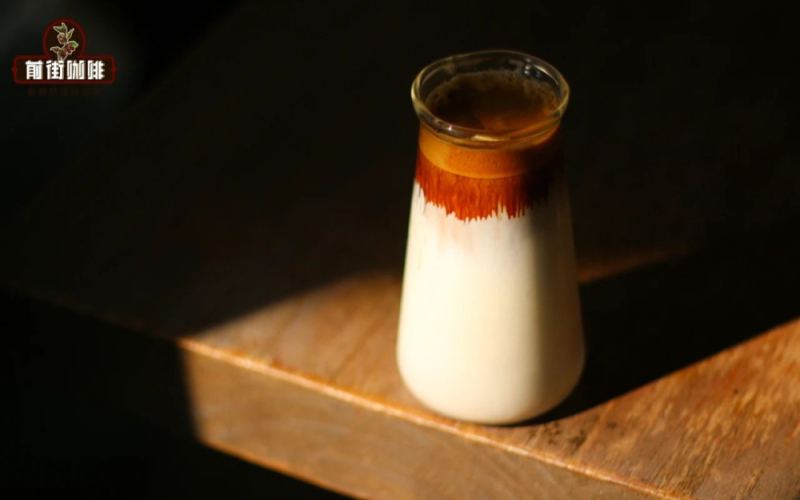
How Does Dirty Taste When Made with SOE? Sharing Practical Experience on Extracting Dirty Coffee with Single-Origin and Blended Beans
SOE and Dirty have both been hot topics in the coffee world in recent years, with many cafés rolling out SOE products and Dirty drinks made with single-origin beans. Front Street Coffee is often asked by customers whether SOE can be used to make a Dirty, so we decided to find out for ourselves what kind of taste experience this combination would bring. This article will start with the drinking method for a Dirty, analyze why traditional recommendations favor medium-to-dark roasted espresso blends, and then share Front Street Coffee's hands-on records and flavor impressions from making Dirty with three different SOE beans, for the reference of fellow coffee lovers. [more…]
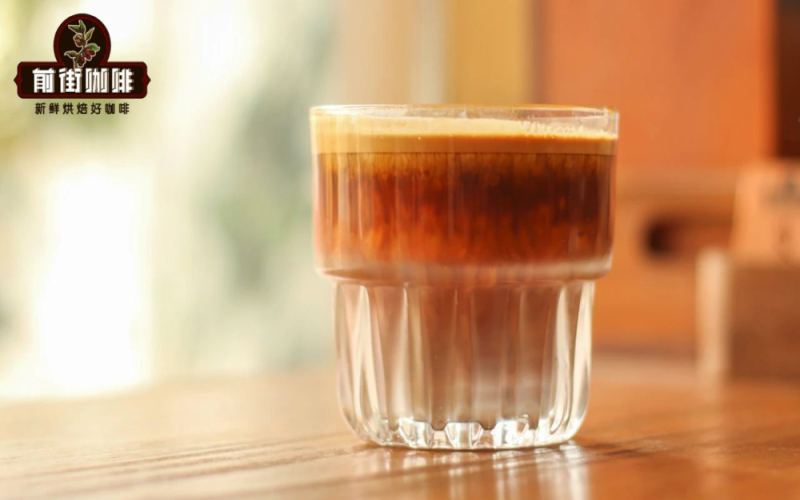
How big is a Dirty? | What is a dirty coffee? Where does dirty coffee come from? What's the difference between a dirty coffee, a latte, a flat white, and a cappuccino?
For those who love milk coffee, Dirty is certainly no stranger. Although Front Street Coffee hasn't listed "Dirty" on its menu, many in-the-know friends will actively order this drink after entering the shop. After all, it has long been popular nationwide and has even become a signature item for many coffee shops. Facing the first sip, [more…]
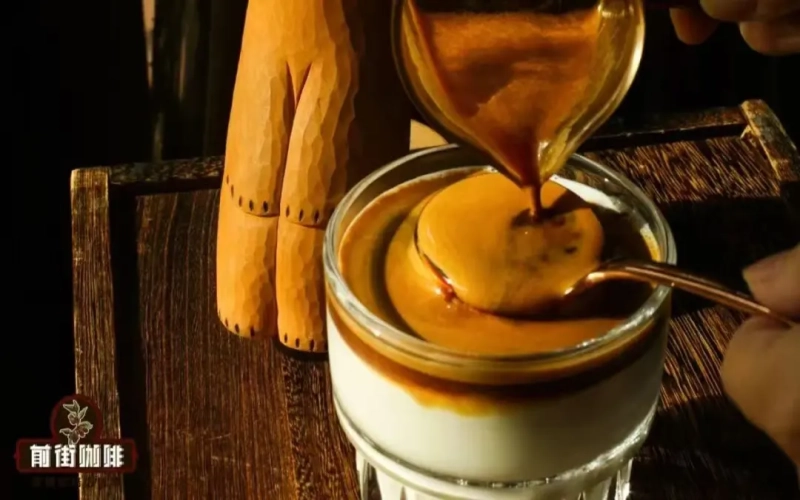
Why Dirty Coffee Doesn't Layer: Master Three Key Details to Make a Perfectly Layered Dirty Coffee
Dirty coffee may seem to require only two ingredients—milk and espresso—but the actual preparation hides a fair amount of know-how. Many people who try it at home often run into problems like no layering or overly blended flavors, and the result falls far short of what a coffee shop produces. In fact, as long as you avoid three common pitfalls—ignoring the layering, choosing the wrong cup, and adding ice blindly—you can easily make a Dirty with distinct layers and a strong contrast between hot and cold. Front Street Coffee will combine real brewing experience with a classic blend bean to break down the principles behind every detail and the correct methods, helping you make a dirty coffee even better than a café's. [more…]
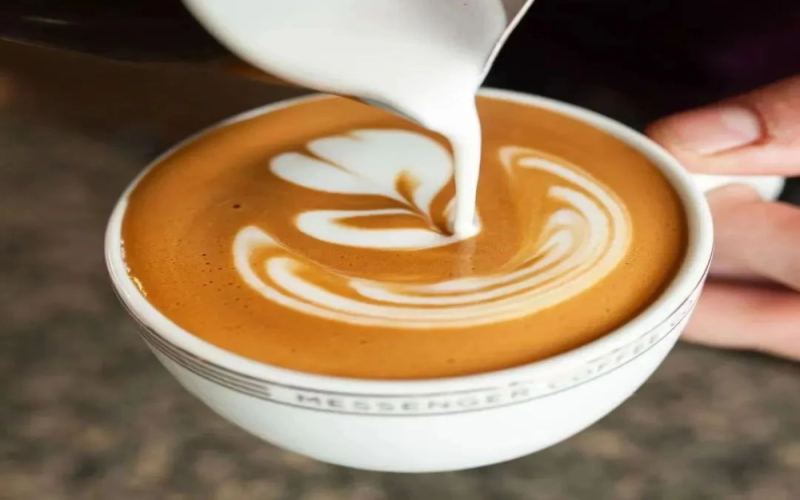
Espresso Milk Coffee | Why is Dirty coffee so popular? What is the recipe ratio for the internet-famous dirty coffee? What are the flavor characteristics of dirty?
It must be said that the ways to play with espresso are truly endlessly varied—just the combination of espresso and milk alone can create a great many coffee drinks. Dirty coffee is a very popular type of espresso drink born from the collision of espresso and milk. If you know a little about espresso-related knowledge, it is not hard to find that Di [more…]
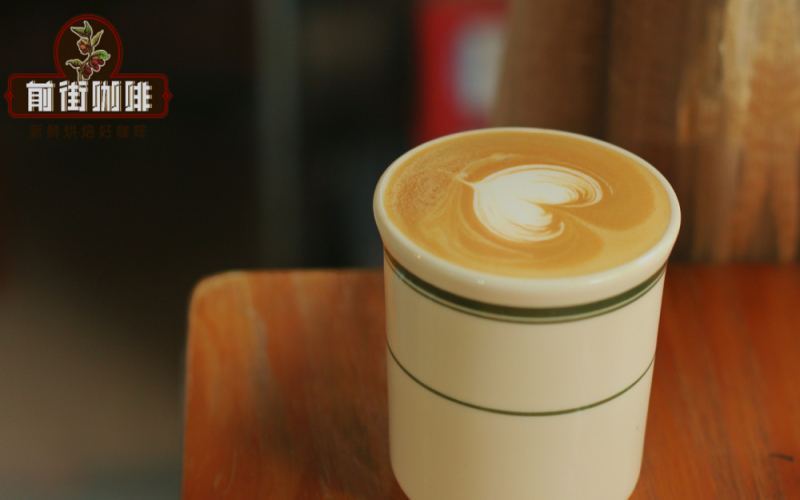
A Complete Guide to Flat White, Latte, and Dirty Coffee: Milk Coffee Ratios, Espresso Usage, and Key Production Points
Walking into a specialty coffee shop and facing the menu with Flat White, Latte, and Dirty, many people hesitate over which cup to choose. They are all made from espresso and milk, yet each has its own nuances in milk volume, coffee strength, foam thickness, and preparation method. Starting from Front Street Coffee's classic espresso blend, this article first clarifies the definitions and differences among Latte, Flat White, and Dirty, then ranks them by milk content, coffee content, and overall richness, and finally explains the preparation methods of the three coffees step by step, including espresso extraction, milk steaming, pouring techniques, and the secret to Dirty's hot-and-cold layering, helping coffee lovers make a choice based on their own taste preferences. [more…]
Is a chilled glass necessary for a Dirty coffee? Testing the layering effect and key preparation points at three glass temperatures
Dirty coffee has become a staple in specialty cafes thanks to its high aesthetic appeal and unique taste, yet there has always been debate over whether an ice-cold cup is essential during preparation. Through side-by-side testing of glass cups at room temperature, refrigerated, and frozen, Front Street found that milk quality is the key to layering, while cup temperature mainly affects the chilled mouthfeel and the preservation of crema. The article also traces the practice of Dirty's originator, Katsuyuki Tanaka, who did not pre-chill his cup. If you're after photogenic presentation and a layered experience, Front Street recommends chilling the cup together with the milk and paying attention to the optimal tasting window. [more…]

How Is a Dirty Coffee Different from a Latte? Exploring Why Dirty Coffee Is Meant to Be Gulped and How to Make It at Home
In recent years, Dirty coffee has attracted many latte enthusiasts with its striking layers and contrast between hot and cold. However, many people find it difficult to replicate the impact of coffee shop versions when trying it at home. This article will analyze in detail the core differences between Dirty and latte, reveal its soul—contrast—and share the key points for making a delicious cup of Dirty coffee, including espresso bean selection, milk choice and temperature control, and layering techniques. At the same time, the article will also recommend Front Street brand's medium-dark roasted beans to help you easily make a cup of Dirty with strong contrast at home. [more…]
A Complete Guide to Latte in English and Italian Coffee Terminology: From Espresso to Dirty
Latte, cappuccino, espresso, dirty... these words commonly seen on coffee menus actually mostly originate from Italian. Understanding their original meanings and preparation methods can not only help you order with more confidence, but also allow you to recreate a proper milk coffee at home. This article starts with the origin of latte, sorts out the core position of espresso in coffee shops, and provides a detailed introduction to the specific parameters and step-by-step illustrations for making hot latte, iced latte, and dirty coffee at Front Street Coffee. Whether you are a coffee enthusiast who has just started or a home player who wants to hone your skills, you can find practical references here. [more…]
Why is a Dirty Coffee served in a small cup and meant to be finished in three sips? Front Street Coffee explains the cup-size logic and drinking approach of Dirty Coffee.
When you order a Dirty at a coffee shop, it often arrives in just a small cup—a few sips and it's gone, frequently leaving you wanting more. Both are espresso-and-milk combinations, so why can't a Dirty be made into a large cup like a latte? Behind the cup size actually lies the logic of flavor design. Drawing on Front Street Coffee's real-world experience, this article clarifies the true difference between a Dirty and an iced latte, explains why only a small cup can deliver a sense of layers, and puts a 300ml "big-bowl Dirty" to the test to see whether this supersized dirty coffee still tastes good. [more…]