







What Is the Origin of Latte and Other Italian Coffee Names?
Latte, cappuccino, espresso and dirty mostly come from Italian. Latte simply means milk, and latte coffee is espresso mixed with an appropriate amount of milk. The drinking style traces back to seventeenth-century Vienna, where milk was added to bitter black coffee to suit local tastes.
Vienna coffee origin story holds that Turkish forces retreating from the city left behind five hundred bags of coffee beans, which supplied Vienna's first coffeehouse. That shop filtered out the grounds and added plenty of milk, and milk coffee spread worldwide. Ratios vary, commonly between 1:5 and 1:8.
Latte, cappuccino, espresso, dirty... these words commonly seen on coffee menus actually mostly originate from Italian. Understanding their original meanings and preparation methods not only helps you order with more confidence, but also allows you to recreate a proper milk coffee at home. This article starts with the origin of latte, sorts out the core position of espresso in coffee shops, and introduces in detail the specific parameters and step-by-step illustrations of Front Street Coffee's hot latte, iced latte, and Dirty coffee. Whether you are a coffee enthusiast who has just started or a home player who wants to improve your skills, you can find practical references here.
For more specialty coffee knowledge, please follow the WeChat public account: Front Street Coffee (FrontStreet Coffee)
The word Latte comes from Italian, transliterated into Chinese as "拿铁". So-called latte coffee is a type of fancy coffee made by mixing an appropriate amount of milk into espresso.
This way of drinking coffee can be traced back to Vienna, the city of music. In the seventeenth century, Viennese people had already begun drinking coffee. It happened that the Turkish army failed in attacking the city and left behind five hundred bags of coffee beans in their hurried retreat. These beans later became the raw material for Vienna's first coffeehouse (Blue Bottle). In order to cater to Europeans' taste preferences, the shop filtered out the coffee grounds and then added a large amount of milk. The originally bitter black coffee thus became smooth and sweet, and Viennese people quickly became fascinated by it. Milk coffee also spread throughout the world from then on.
The composition of latte coffee is not complicated: espresso plus milk is enough. There is no hard-and-fast rule for the ratio, and most fall between 1:5 and 1:8. The ratio used by Front Street is 1:6, that is, 40 grams of espresso liquid with 240 grams of milk.
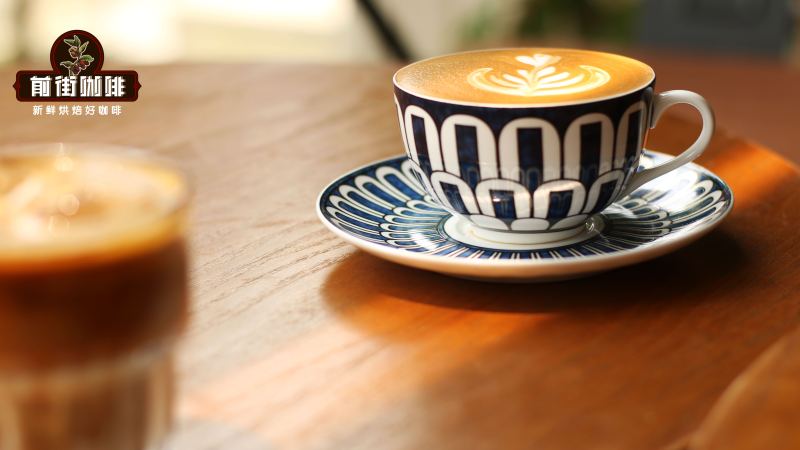
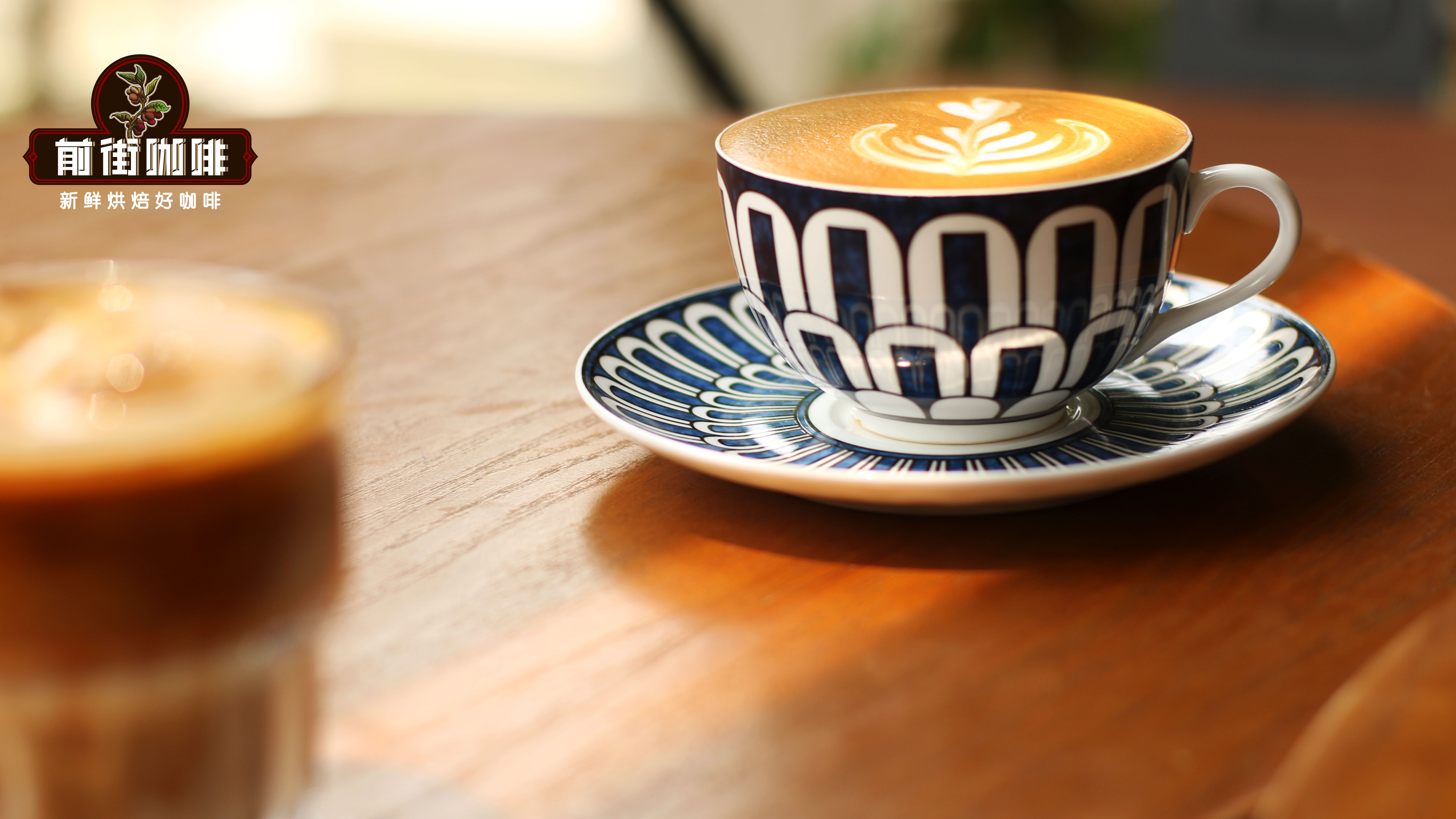
Espresso, written in English as Espresso, is a small cup of thick, aromatic pure black coffee liquid extracted by forcing nearly boiling hot water through coffee grounds with steam pressure, with golden crema covering the surface. Although it rarely appears alone on coffee shop menus, it is behind Americano, latte, and cappuccino, and can be called the soul of a coffee shop. When making a hot latte, Front Street first pours the espresso liquid into a preheated cup, then uses the steam wand of the espresso machine to froth the milk. The milk temperature should preferably be 55 to 65°C, which can form dense milk foam of moderate thickness, then fully integrates with the coffee liquid. The final latte art plays the role of adding the finishing touch.
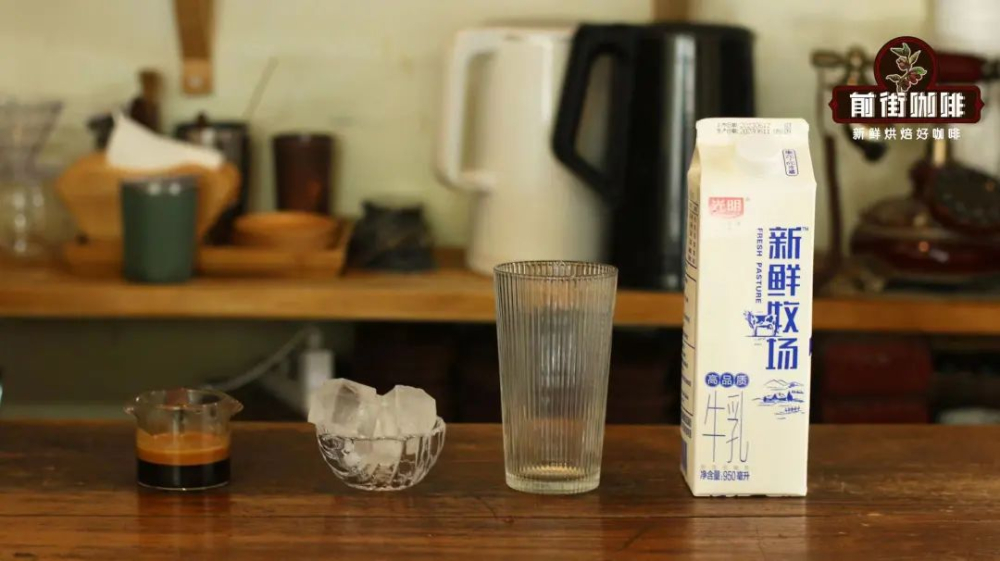
Front Street's hot latte has a sweet aroma like chocolate liqueur, and is creamy and smooth on the palate. The method for iced latte is to first add 75 grams of ice cubes and 25 milliliters of fresh milk, then extract 40 grams of coffee liquid and pour it on the surface. When serving, customers are reminded to stir evenly before drinking.
Speaking of iced latte, one cannot help but mention Dirty coffee, also called "dirty coffee", which Front Street has followed since 2019. The method is to pour hot espresso over iced milk, forming a distinct layered effect. The espresso liquid slowly sinks along the wall of the cup, visually giving the impression of "becoming dirty". Usually the cup size of a Dirty is smaller than that of an iced latte, and it should be drunk as soon as possible to experience the unique mouthfeel of alternating hot and cold.
The following illustrated guide is a summary by Front Street of the specific operating steps for iced latte and Dirty, which you can follow at home.
How to make an iced latte:
Step 1: Find a cup with a capacity of about 300 milliliters.
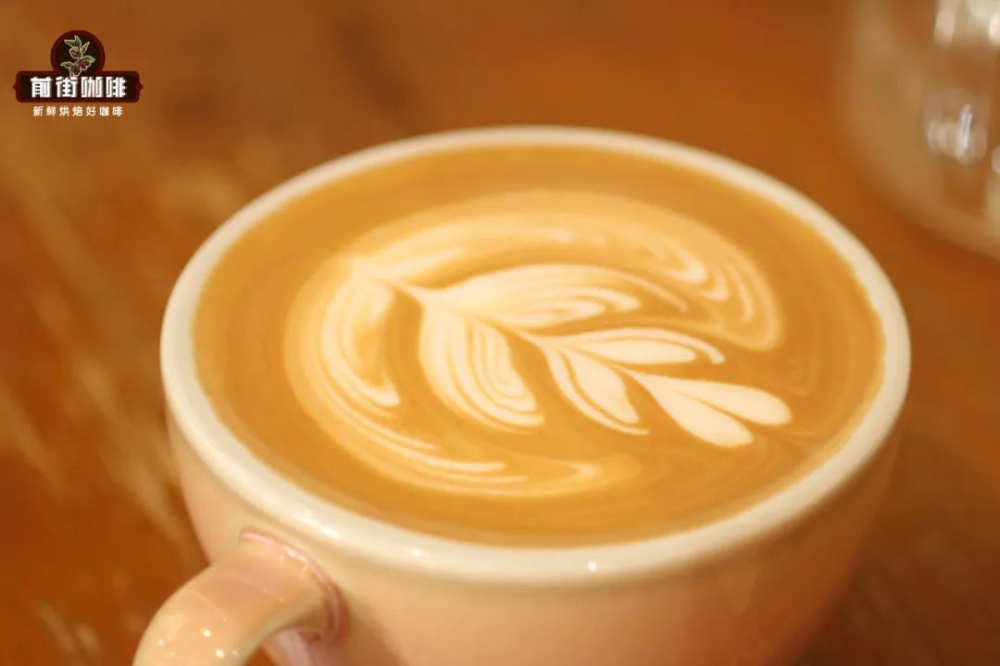
Step 2: Add 80 grams of ice cubes, then pour in 170 milliliters of milk.
Step 3: Grind 20 grams of coffee beans and extract a 38-milliliter espresso. (Specific data can be flexibly adjusted according to equipment conditions and the state of the coffee beans that day.)
Step 4: Pour the espresso into the cup containing ice and milk.

Step 5: Stir evenly and it is ready to enjoy!
How to make Dirty (dirty coffee):
Preparation beforehand: Put the cup to be used in the refrigerator to freeze so that the cup body is thoroughly cooled. Because Dirty emphasizes hot-and-cold layering, the following steps need to be completed in one go to achieve the ideal effect.
Step 1: Prepare a cup that has been frozen in advance.
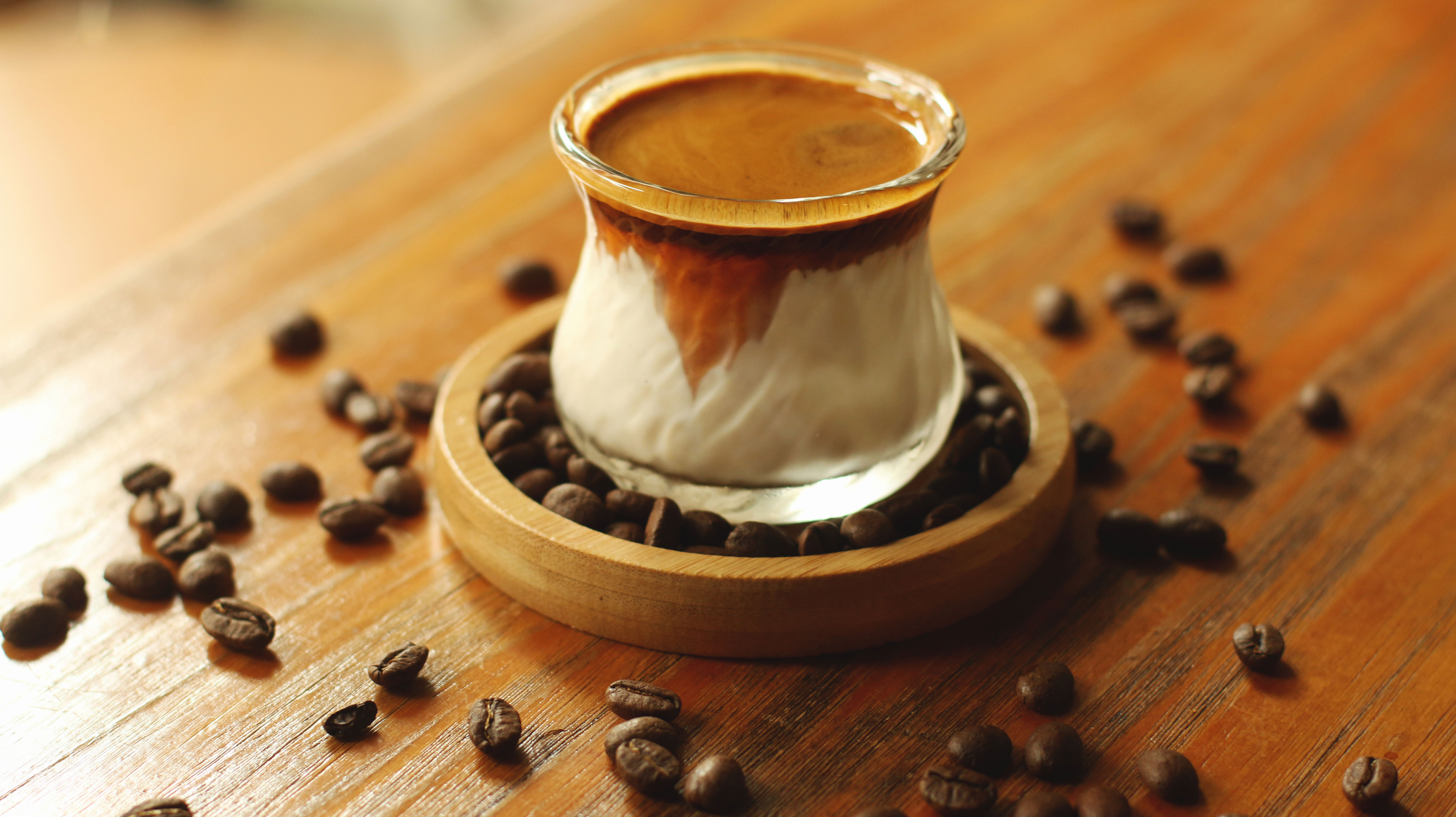
Step 2: Pour in 180 milliliters of iced milk.
Step 3: Grind a portion of coffee beans, fill it into the portafilter basket, and tamp it for later use.
Step 4: When extracting the espresso, place the cup under the group head so that the espresso liquid floats completely on the surface of the iced milk.
Step 5: It is ready to drink after the espresso extraction is completed. (Take slightly larger sips to better feel the layering of the Dirty.)
The above content is compiled by CoffeeHunters, a coffee news website.


