







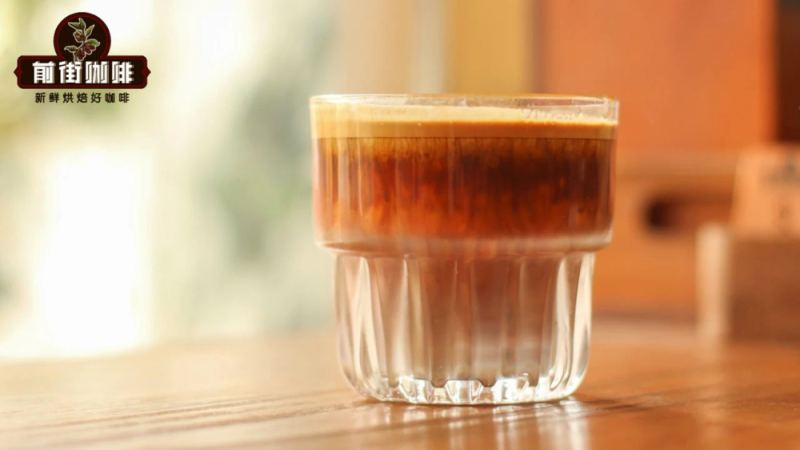
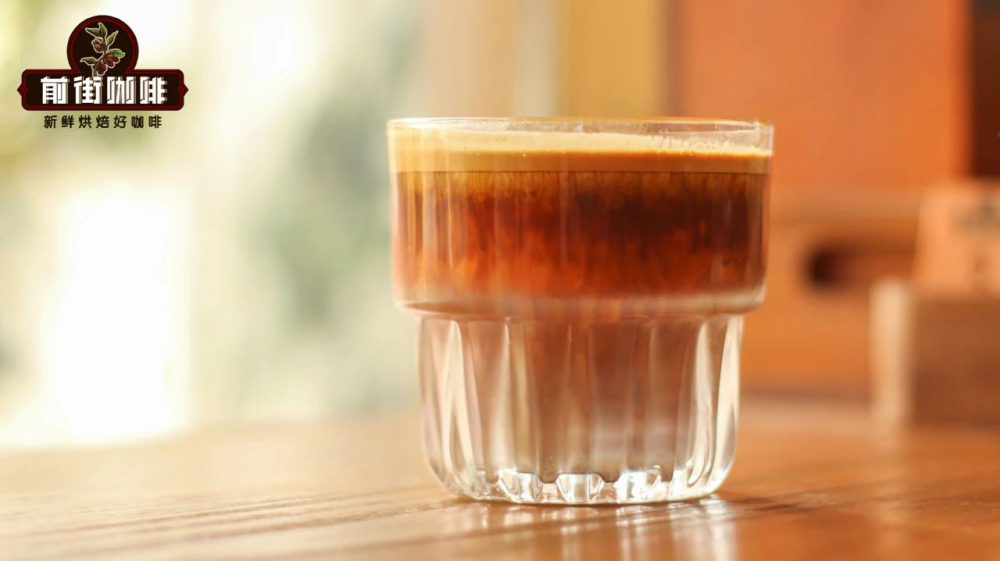
For those who love milk coffee, Dirty is certainly no stranger. Although Front Street Coffee has not listed "Dirty" on its menu, many savvy friends will proactively order this drink after entering the shop. After all, it has long been popular nationwide and has even become a signature item in many coffee shops.
When facing customers tasting Dirty for the first time, many baristas always say eagerly after serving the coffee: "No need to stir, it is recommended to take a big sip when drinking... finish it as soon as possible~" Why is that?

Also a simple combination of milk + coffee, as a "new-generation star," Dirty has become a "regular" in specialty coffee shops since its debut, relying on its iconic appearance and excellent reputation, and sometimes its sales even surpassed veteran players such as flat white and cappuccino. So what exactly is Dirty's charm that makes everyone so devoted to it? To break down the reason behind baristas' "reminder before drinking" for Dirty, Front Street Coffee believes we need to start from its invention.
The origin of Dirty (dirty coffee)
Front Street Coffee checked the materials and found that the term "Dirty" was first used for coffee in 2010.
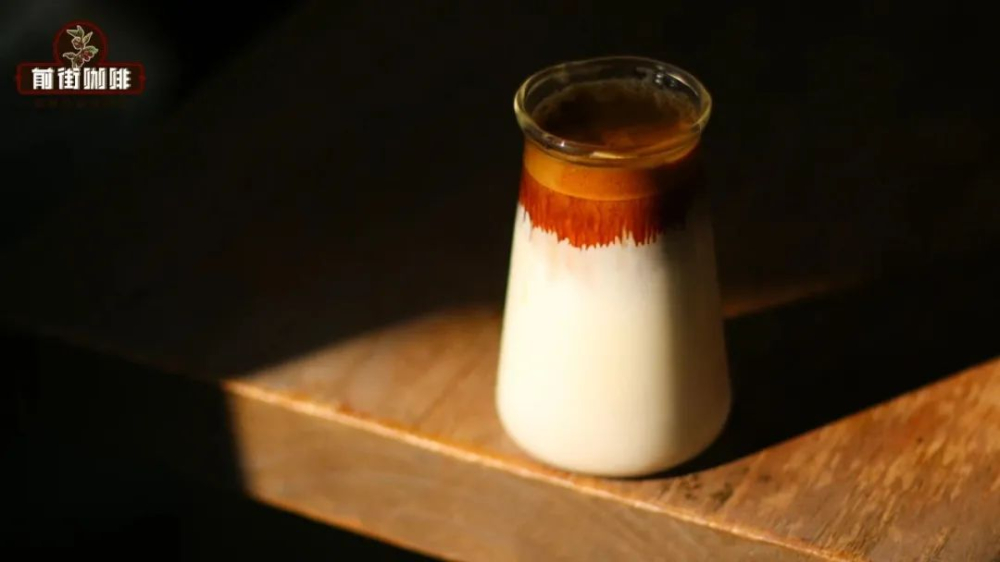
In a coffee documentary titled "a flim about coffee," the film interviewed baristas from different cities around the world. Among them, Katsuyuki Tanaka from Japan talked about his coffee shop Bear Pond Espresso and a specialty product he began making when the shop opened, a coffee method that lets espresso land on milk, marked on the menu as "B.P Dirty."
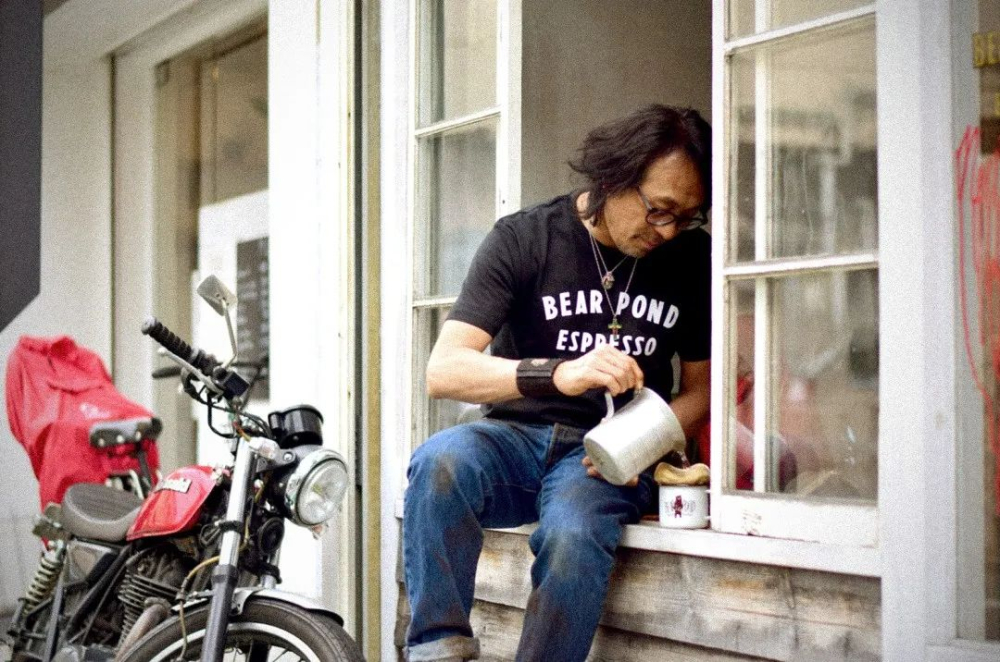
It is said that Dirty appeared because at the time a customer reported to Katsuyuki Tanaka that once the ice in iced latte melted, the taste of the coffee would deteriorate, which inspired him. Combining the shop's espresso blend beans, espresso presented with a large dose and low extraction rate—"Angle Stain" (Angel's Stain)—and milk, he created a "no-ice version" layered latte.
At first, B.P Dirty was only served starting at 2 p.m. every day, extracted personally by Katsuyuki Tanaka, with only 20 cups available, so not many people knew about it. In 2011, in his book "Life is Espresso," he formally introduced the concept of "Dirty," mainly meaning that when espresso enters milk, it is as if the coffee has been "made dirty," which made dirty coffee known to more people.
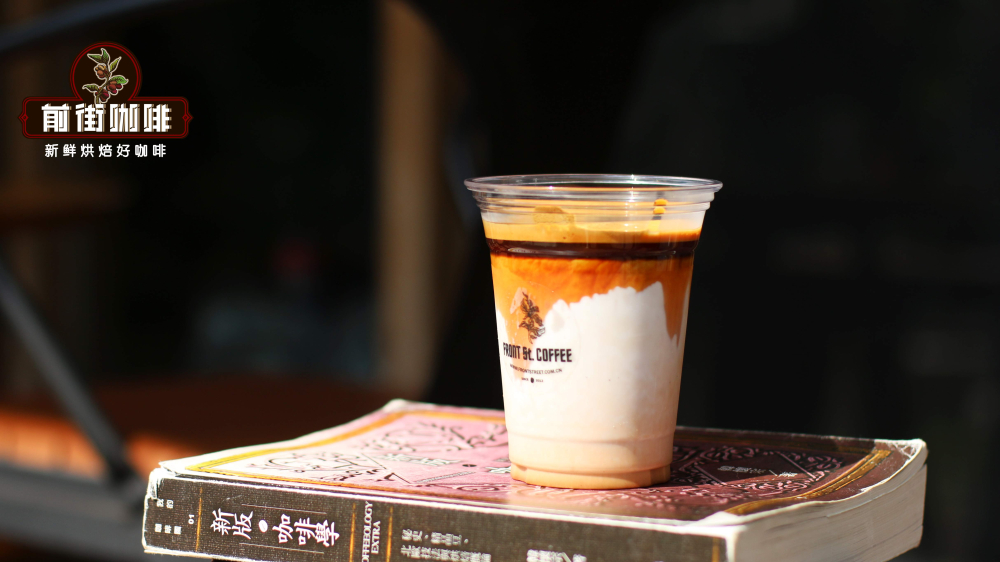
Although the "dirty coffee" invented by Katsuyuki Tanaka quickly became a popular item in the shop, it did not become widely popular within Japan. Instead, it was learned from and borrowed by some baristas in Hong Kong and Thailand, who then spread the concept to other places, where it began to "take root and sprout."
The evolution of Dirty
When Dirty first arrived in China, it actually also did not receive much attention and only spread within a small scope. A few baristas studied its making techniques and logic in their spare time, and only after drinking it several times did they discover the charm of this cup of dirty coffee and share it with more customers.

As Dirty's taste was recognized by more and more consumers, this drink naturally transformed from a hidden way of drinking into a fixed item in coffee shops and became popular in various specialty coffee shops.
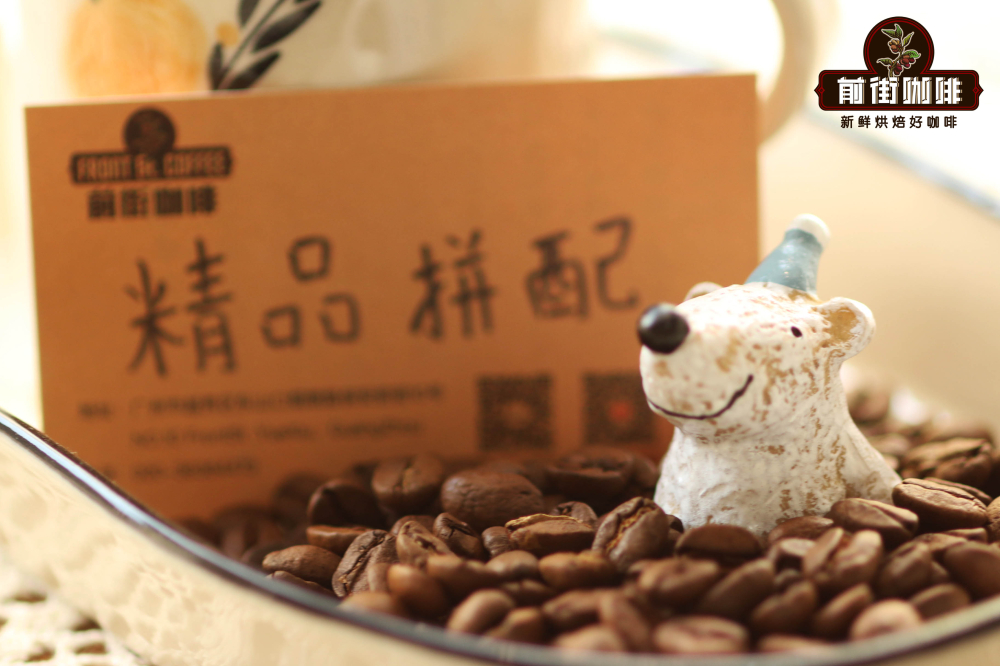
At the same time, in order to cater to market demand, baristas also made different improvements, such as a smaller cup size, about 150 ml, so it can be finished in three or four sips; upgrading the milk by using higher-concentration Ice Blogger, using chilled cups to bring the hot-and-cold mouthfeel to the extreme; and changing to single-origin coffee beans or rich espresso blend beans, etc. Front Street specialty espresso blend, Front Street classic espresso blend, and Front Street Warm Sun espresso blend are all very suitable for makingDirty. Gradually, this cup of "dirty coffee" evolved into the appearance we see today.
Why should the first sip of Dirty be a big gulp?
Unlike other traditional milk coffee structures that pursue "perfect integration," a freshly made Dirty emphasizes the "independent existence" of milk and coffee. It uses making techniques to let the drinker fully experience the contrast brought by these two key elements visually, tactilely, and gustatorily.

Visually, the dark brown espresso wraps the pure white milk, and as the crema slides down the cup wall, it forms gradual lines from "black" to "white"; tactilely, the freshly extracted espresso is still warm, while the milk in the cup is still icy cold. The temperature difference between hot and cold makes Dirty's mouthfeel highly stimulating.
Precisely because the espresso stays more completely on top, with rich crema wrapping the lightly sweet milk, only by taking a big sip at this moment can we feel the collision and blending of hot espresso and cold milk in the mouth. First comes the roasted aroma and richness of more coffee and less milk, with the taste going from bitter to sweet, first intense then gentle. After the stimulation fades, the coffee seems to become easier to drink, and even after finishing the whole cup, the lingering aroma of both remains.
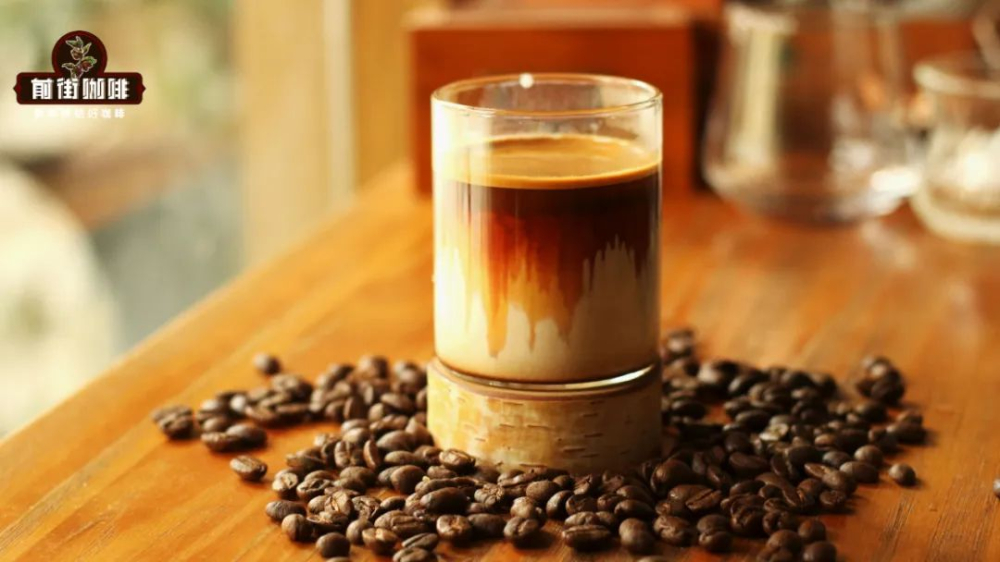
If instead you sip slowly in small mouthfuls from the beginning, what you will presumably taste is only bitter crema and strongly flavored espresso, and only after several sips does the milk come into play. If you drink even more slowly, Dirty will also turn milk-tea colored as the coffee sinks, while the milk also becomes room temperature, so naturally you will lose the pleasure of drinking Dirty.
Therefore, those baristas who earnestly urge you to "take a big sip" and "finish it as soon as possible" are not deliberately setting "rules," but hope that every customer who orders Dirty can not only feel the ultimate experience the coffee brings to the taste buds, but also enjoy it in its most perfect state.
The above content is compiled by CoffeeHunters, a coffee news website.


