







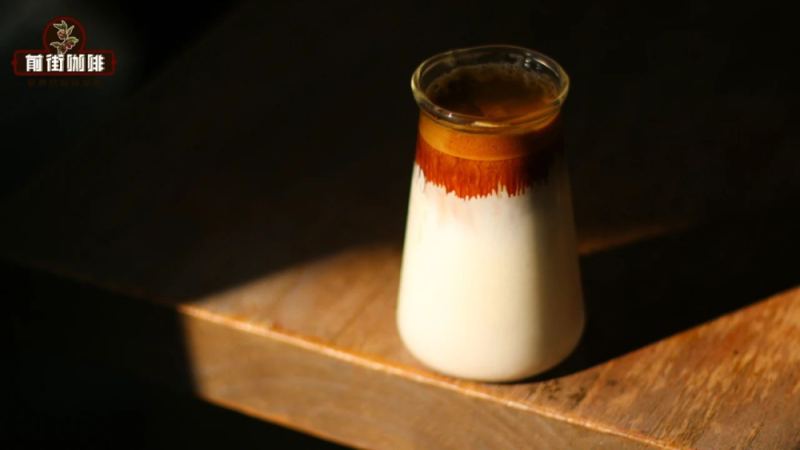
How Do SOE Beans Change the Taste of a Dirty?
Making a Dirty with single-origin espresso beans works, but it changes the drink in specific ways. Traditional recipes call for a medium-to-dark roasted espresso blend because the coffee and milk must stay separated in the glass while oils float on the surface. Single-origin beans extract differently, so the layering and the balance between coffee and milk shift noticeably.
The drink itself is built for progression: take a large sip straight from the rim, no straw, no stirring, ideally finished in three or four sips. The first sip is warm, intense espresso with a little milk, the second shows chocolate-toned milk and coffee that have not fully merged, and the third is cold milk with a lingering coffee aroma.
SOE and Dirty have both been hot topics in the coffee world in recent years, with many cafés rolling out SOE products and Dirty made with single-origin beans. Front Street Coffee is often asked by customers whether we can make Dirty with SOE, so we decided to find out for ourselves what kind of taste experience this combination would bring. This article will start with the drinking method for Dirty, analyze why traditional recommendations favor medium-to-dark roasted espresso blends, and then share Front Street Coffee's hands-on records and flavor impressions from making Dirty with three different SOE beans, as a reference for coffee lovers.
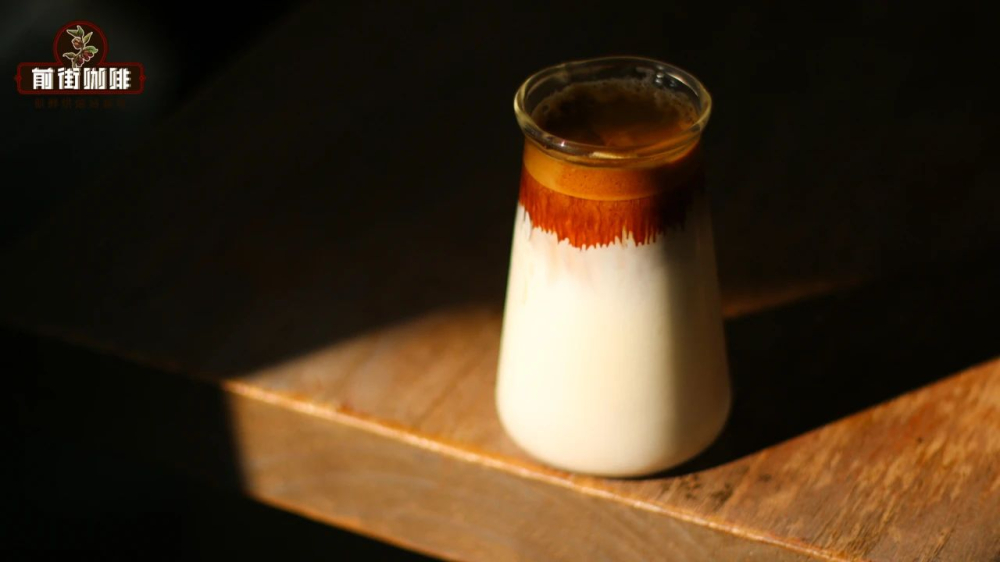
SOE and Dirty can be called the two major traffic drivers in the coffee world. In recent years, a large number of cafés have been promoting SOE, as well as Dirty made with single-origin beans. Front Street Coffee has also received many customers who, as soon as they walk in, throw out the same question: "Can you make Dirty with SOE?" This made Front Street Coffee intensely curious as well—when SOE and Dirty meet, what kind of sparks can they create that make so many coffee fans flock to them?
Dirty: Where Ice and Fire Intertwine
The most enchanting thing about Dirty is its distinct layering, so after it is served there is no need to stir it, nor to insert a straw. The correct way to drink it is to take a big sip directly from the rim of the cup, and it is best to finish it in three to four sips.
With the first sip, intense, warm espresso enters the mouth together with a small amount of milk, and the coffee flavor is very prominent; the second sip brings milk and coffee that have not yet fully mixed, and you can sense a rich milk chocolate tonality; the third sip is cold milk with a faint, lingering coffee aroma. Because there are no ice cubes diluting it, Dirty's overall mouthfeel is quite full, with a very rich progression from bitter to sweet and from hot to icy.
It is also precisely because the coffee and milk need to remain separated while more oils float on the surface that it is best to use a dedicated medium-to-dark roasted espresso bean to make Dirty. In this way, the extracted espresso has both ample caramelized aroma and does not develop unpleasant bitterness from being roasted too dark.
Baristas recommend prioritizing Front Street Coffee Commercial Blend when making Dirty. This bean uses the classic combination of Brazil and Colombia, with a small amount of Robusta added, making the original flavor layers richer and presenting complex nutty aromas such as almond, apricot kernel, and walnut. It has good oil流动性 and a low-acid, mellow mouthfeel. Combined with its price advantage, it is very suitable whether for café service, home use, or office scenarios.
If you prefer complex nutty aromas such as almond, apricot kernel, and walnut, Front Street Coffee Specialty Blend would be a good choice. This bean contains a relatively high proportion of Brazilian coffee beans, providing a comfortable bittersweet taste for the espresso. It is very smooth on the palate and full of roasted aroma. When used to make Dirty, it not only shows a beautiful layered effect, but also has a dark brown "tiger stripe" floating on the surface of the coffee.
Why Choose SOE to Make Dirty?
Everyone knows that SOE is a coffee product through which you can taste the unique terroir characteristics of a producing region. Using SOE to make Dirty means that while experiencing Dirty's layering, you can also sense a more clearly directed coffee aroma, and you can customize the espresso according to the flavor characteristics you like.
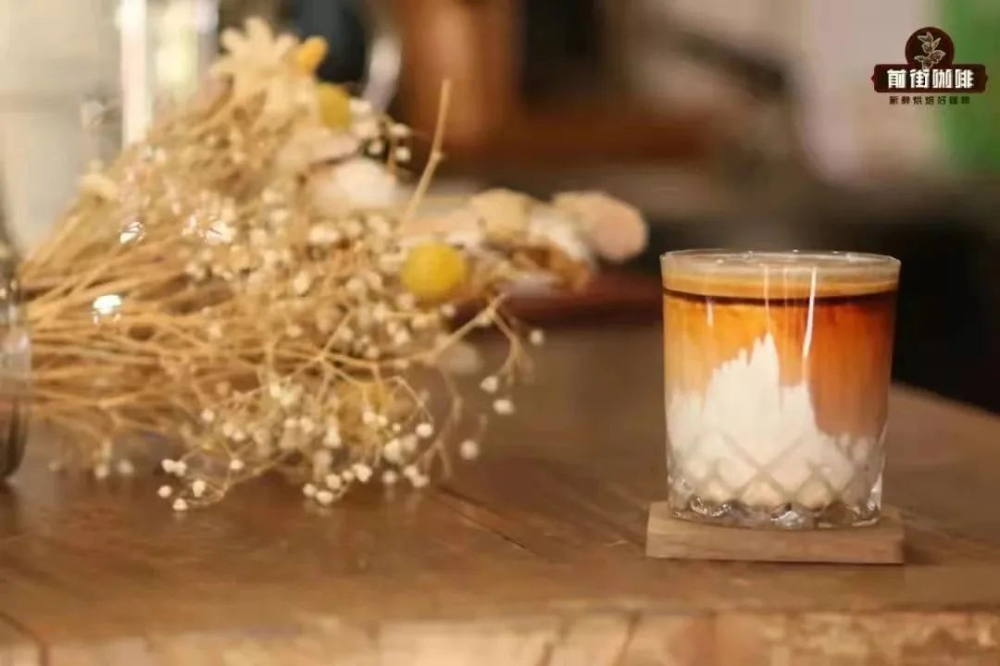
Different beans express different flavors, such as Front Street Coffee Yirgacheffe, a medium-light roasted SOE with rich floral and fruity notes, or Front Street Coffee Mandheling, a medium-dark roast with dark chocolate and spice as its main notes.
So what kind of SOE is more suitable for making Dirty? And if you insist on using a certain bean to make Dirty, how should it be adjusted? Front Street Coffee would like to share some attempts at making Dirty with SOE here, for everyone's reference. (In this experiment, the extraction parameter range used by Front Street Coffee was: 20 g dose, 38 g yield, extraction time 27 to 33 seconds.)
Attempt One: Medium-roasted Front Street Coffee Red Cherry · Yirgacheffe SOE (Natural)
With the SOE Dirty extracted from Front Street Coffee Red Cherry, the first sip brings a soft citrus-lemon acidity, with a slight creamy sweetness in the finish; by the second sip, the cold milk further stimulates the palate's perception of acidity and aroma. The coffee and milk do not blend fully, and overall it is like drinking orange-scented milk. (This Yirgacheffe SOE is roasted lighter than the Warm Sun Blend used daily in the café. After dialing in, the espresso has relatively thinner crema and a lighter color.)
Attempt Two: Medium-dark roasted Front Street Coffee Queen's Estate · Brazil (Natural)
This Front Street Coffee Queen's Estate from Brazil is a medium-dark roast. After being made into SOE Dirty, the moment it enters the mouth, a rich butter cookie flavor fills the entire palate, and the mellow, smooth hot coffee carries a hint of the fresh sweetness of cold milk in the finish; the second sip brings more of the diluted almond-flavored coffee and the sweetness of chilled milk; as you continue drinking, the overall flavor approaches nutty chocolate milk.
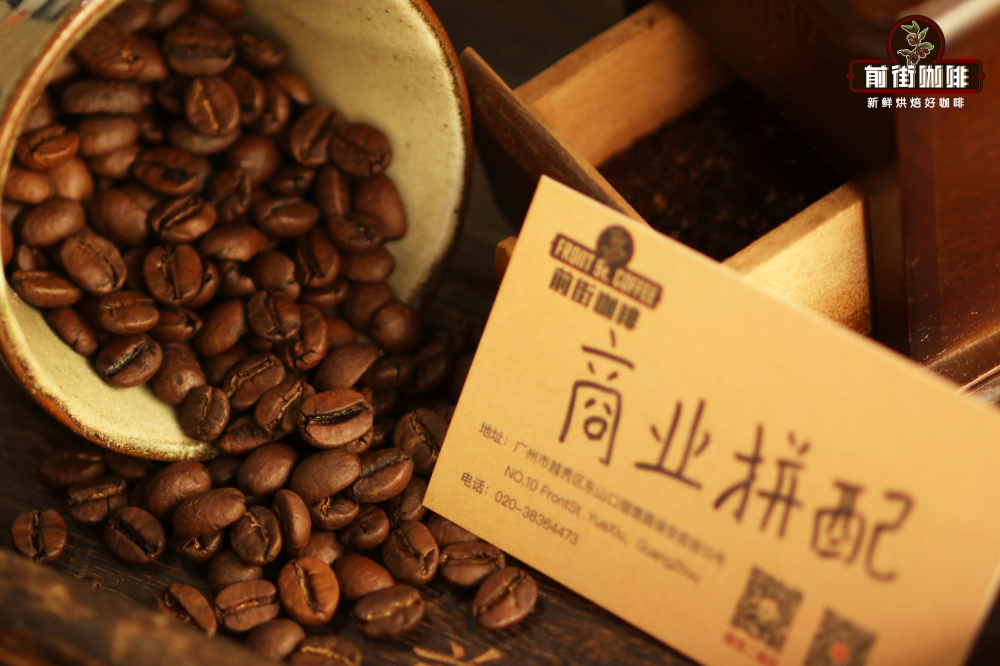
After making two SOE Dirtys with traditionally processed beans, Front Street Coffee suddenly wondered what the effect would be if beans with extremely intense flavor were used to make SOE Dirty. So Front Street Coffee brought out Front Street Coffee Blackberry for the following attempt.
Attempt Three: Medium-roasted Front Street Coffee Blackberry · Costa Rica (Black Honey Process)
As the name suggests, SOE Dirty made with Front Street Coffee Blackberry smells strongly of berries; although the first sip is a sweet-and-sour cranberry milk flavor, after swallowing, the lingering aroma is not as long-lasting as expected and fades in an instant; from the second sip onward, the coffee flavor becomes noticeably lighter, showing more of the fresh sweetness of milk. It drinks like milk with just a little bit of coffee flavor.
It may also be that Front Street Coffee never found a suitable extraction plan, resulting in the SOE flavor not being full enough. Under black honey processing, Front Street Coffee Blackberry has a looser bean structure than natural and washed beans, making it more sensitive to subtle changes in grind size. It is relatively difficult to dial in suitable extraction parameters, and obtaining a fairly ideal cup of SOE requires repeated adjustments several times or even a dozen times. This process is both painful and lengthy. I hope that every persistent coffee lover can ultimately dial in and make a cup of SOE Dirty that satisfies them.
The above content is compiled by CoffeeHunters, a coffee news website.


