







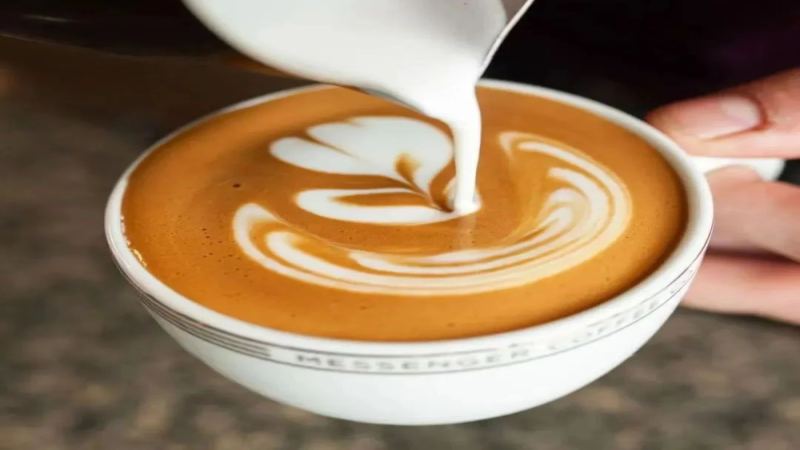
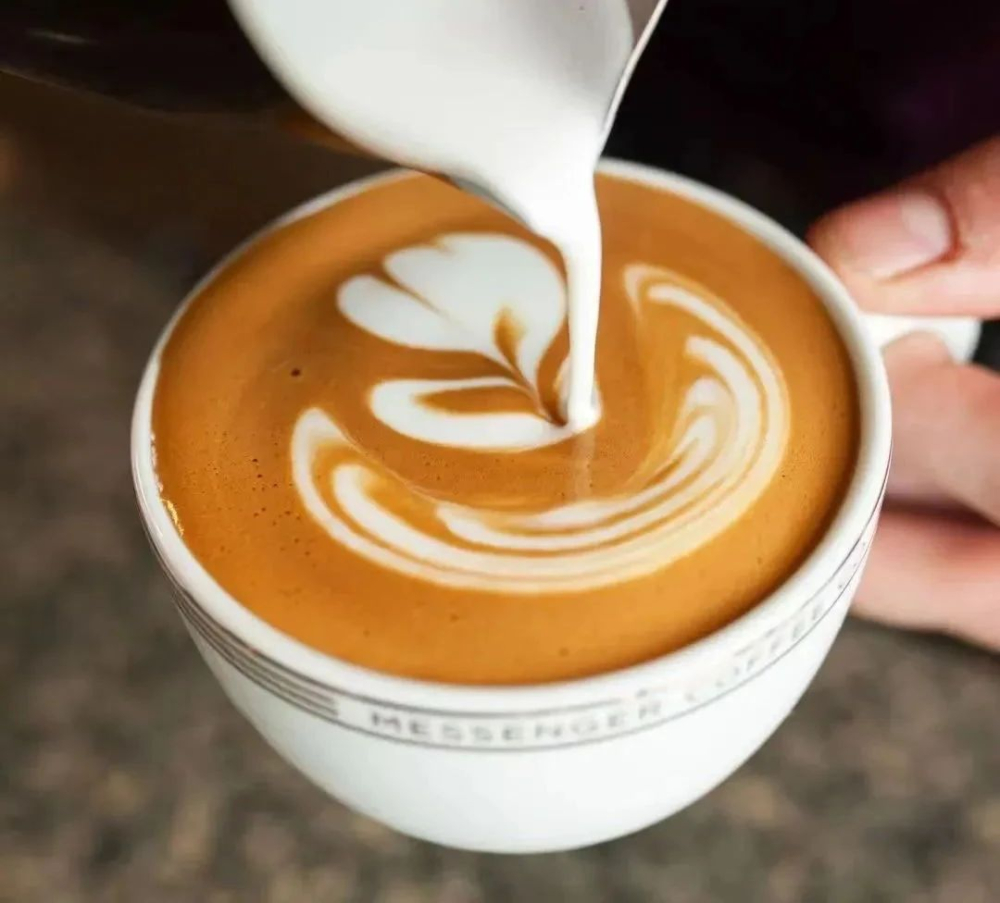
It must be said that the ways to play with espresso are truly diverse; the combination of espresso and milk alone can create many coffee drinks. Dirty coffee is a very popular type of espresso drink born from the collision of espresso and milk. If you know a little about espresso, it's not hard to see that Dirty coffee is essentially a small-sized iced latte without ice.
The method for making a Dirty is also relatively simple. Front Street Coffee's preparation parameters are: prepare a 200ml chilled glass, pour 160–170ml of cold milk into the glass; if there are bubbles on the surface, you can skim them off with a spoon. Then place the glass directly under the brew head and extract the espresso directly. Keep the glass as close to the portafilter as possible to avoid too much impact force, which would mix the coffee liquid into the milk.
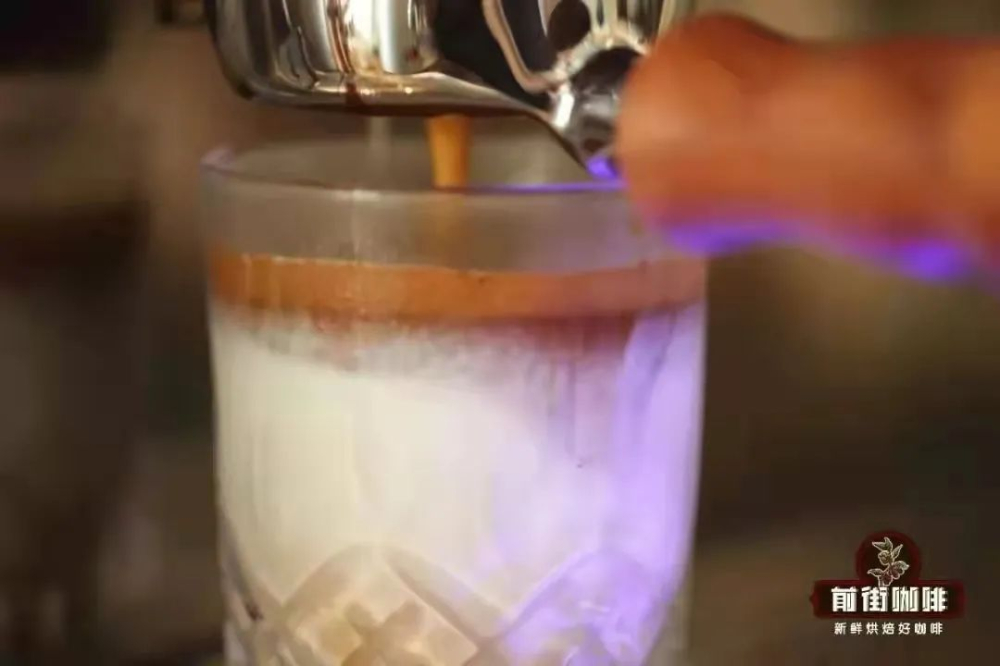
The earliest appearance of this kind of "layered coffee" in China was in 2014 at a café in Beijing, borrowing from the practices of Hong Kong baristas; at the time it was still a niche drink. Later, as independent specialty cafés in major Chinese cities gradually became popular, the method of pouring espresso on top of milk began to spread widely among baristas and was given Chinese names such as "Amber," "Stain," "White Night," and "Dirty Coffee."
In fact, the original creator of the Dirty is Katsuyuki Tanaka from Japan. In 2009, he opened a café called Bear Pond Espresso in Kitashitazawa, Tokyo. The Dirty was a signature product he was already making when the shop opened, listed on the menu as B.P Dirty.The biggest feature of Katsuyuki Tanaka's B.P Dirty is that it uses his unique espresso, "Angle Stain." He deliberately uses a bottomless portafilter for extraction, observing and judging the extraction status of the espresso with his eyes; the espresso leaves tear-like traces on the wall of the cup.
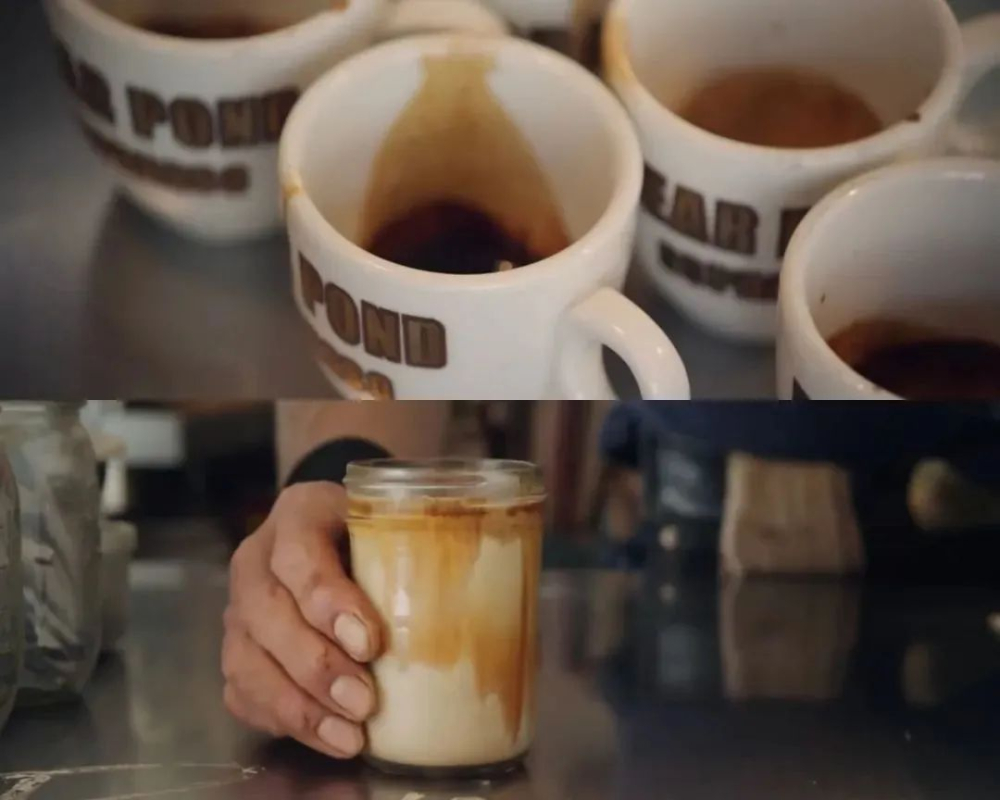
With the combination of a dark roast, a large dose, ultra-high concentration, and a low extraction yield, the double shot of "Angel Stain" makes the coffee liquid of B.P Dirty sink slowly; there is no need to pre-chill the cup, and the layering still lasts a long time. However, B.P Dirty did not become widely popular in Japan; instead, it was learned from and borrowed by some cafés in Hong Kong and Thailand.
Why is such a small cup of Dirty so popular? Front Street Coffee has roughly listed the following reasons.
First, the birth of Dirty itself was positioned as an internet-famous product. It first became popular around 2018–2019, when "dirty" foods became internet-famous foods, and dirty buns were especially explosively popular. This is a kind of food that creates a "dirty" visual impression. Early "dirty" coffee was not standardized, and some used milk foam and cocoa powder to create a "dirty" look. (Internet-famous products iterate so quickly that the later matcha forgiveness-green set has now also become an outdated internet-famous item.)
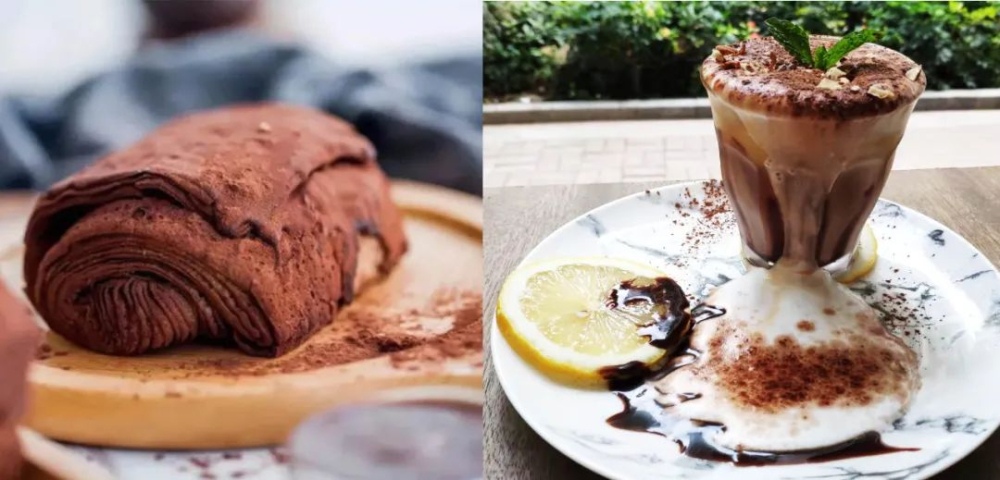
Later, major specialty cafés began to organize spontaneously to define "dirty" coffee uniformly: freshly extracted hot espresso slowly seeps into pure white cold milk, producing the "dirty" look in the visual sense.

Second, it filled the visual shortcomings of iced coffee. To put it plainly, it looks good. Among hot coffees, there are lattes and others that can do latte art, while iced coffee, once poured into a transparent cup, only has a gradient effect transitioning from golden yellow to brown. The beauty of Dirty coffee is dynamic: the dark coffee liquid slowly seeps downward, bit by bit making the white dirty, and it looks very good. It is also a popular coffee product for photography.
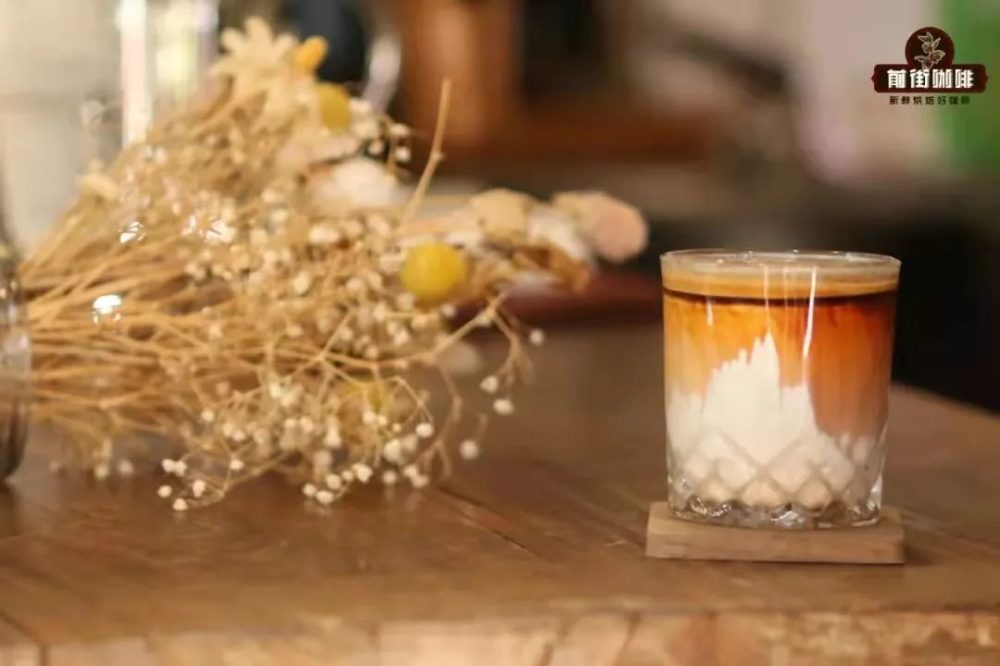
Third, a multi-layered tasting experience. If Dirty coffee relied only on appearance, it would not have been able to achieve the level of going viral. The iced lattes currently served by coffee shops can also achieve a layered effect, but when drinking them, people still tend to mix the milk and coffee evenly.
What you drink in a Dirty coffee, however, is its changing layers. The small volume of a Dirty allows us to finish it all in 3–4 sips. When taking the first sip, it is rich and warm espresso (plus a small amount of cold milk), letting us feel a solid coffee aroma;
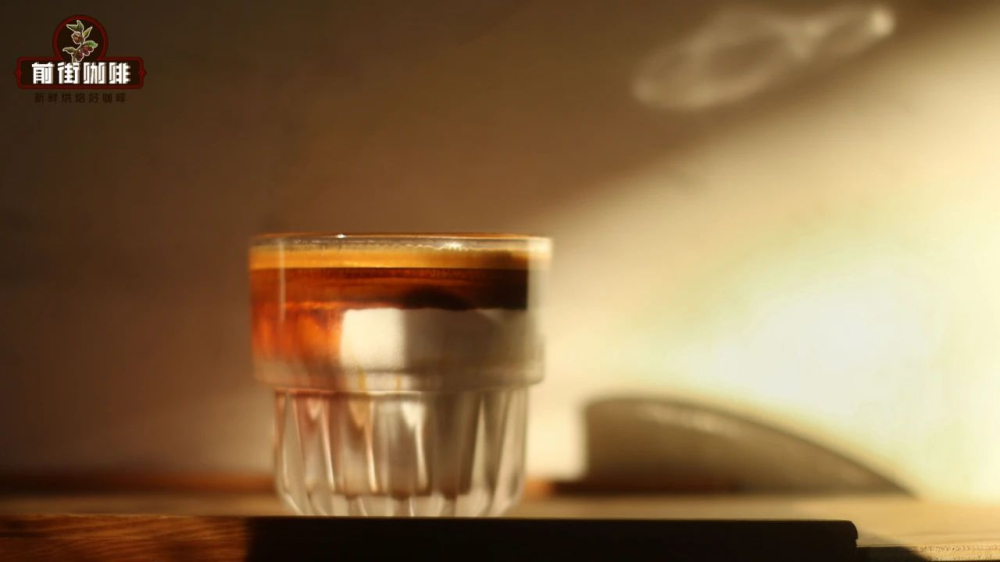
the second sip takes in the transition zone between coffee and milk, where part of the coffee and milk blend unsaturatedly, allowing you to taste a rich milk chocolate flavor; the third sip is chilled milk with a light coffee aroma. Without ice cubes diluting it, the overall mouthfeel is very full, from bitter to sweet, from hot to cold—a very rich, multi-layered experience.
The above content is compiled by CoffeeHunters, a coffee news website.


