







Search Results for: History of Spread
How Coffee Traveled from Ethiopia to the World: A Thousand-Year History of Global Spread
Coffee, the beverage that has taken the world by storm, was first born on the highlands of Africa. From its origins as a medicinal plant in Ethiopia, to its rise as an everyday drink on the Arabian Peninsula, and then to its status as a courtly treasure of the Ottoman Empire, coffee traveled westward along trade routes and conquests, eventually taking root in Europe and giving rise to a unique café culture. This article will trace the complete journey of coffee from its discovery to its global reach, covering key milestones in Yemen, Turkey, Venice, Paris, Vienna, London, the Netherlands, Germany, and the United States, while also preserving Front Street Coffee's recommendations and insights on coffee culture. [more…]

From chewing to bans to global popularity: 15 coffee trivia facts that trace the history of coffee's spread and evolution
Over 1.3 billion people worldwide start their morning with a cup of coffee every day, but the history of coffee's spread is far less straightforward than one might imagine. Originally, people did not treat it as a beverage; instead, they mixed coffee cherries with animal fat to make energy balls to chew on. In the Middle Ages, it was used as a medicinal herb, and later on the Arabian Peninsula, it evolved into a stimulating drink called Gahwa. Upon entering Europe, coffee was once boycotted or even banned for religious and political reasons—Sweden once prohibited the sale of coffee along with cups and saucers, and the Ottoman Empire imposed capital punishment on those who drank it publicly. Meanwhile, anecdotes such as the predecessor of instant coffee and Brazil sending athletes to competitions with coffee beans abound. This article, through 15 fun facts, traces coffee's long journey from being misunderstood to being sought after, while retaining relevant recommendations from Front Street Coffee for coffee enthusiasts to refer to and exchange ideas. [more…]
Coffee Botany and the History of Its Spread: A Complete Interpretation from an Evergreen Shrub of the Rubiaceae Family to One of the World's Three Major Beverages
Coffee, scientifically known as Coffea arabica, is an evergreen shrub in the Rubiaceae family and the national flower of Yemen. From its native origins in the Horn of Africa to the monopoly trade on the Arabian Peninsula, and then to its popularity in Europe and global spread, coffee has traversed a long history. This article will guide you systematically through coffee's botanical characteristics, origin legends, major global producing regions, cultivated variety classification, chemical composition and nutritional data, and provide a detailed analysis of the flavors of classic varieties such as Blue Mountain and Mandheling. Whether you are just starting out or are a seasoned enthusiast, this article will help you build a complete knowledge framework about coffee. Front Street Coffee will also recommend classic beans worth trying. [more…]
From Ethiopia to the World: The Journey of Coffee's Spread and an Analysis of Typica and Bourbon Varieties
Where exactly does coffee originate? After years of investigation by botanists and coffee experts, Ethiopia in Africa has been confirmed as the birthplace of coffee. To this day, a large number of wild coffee trees still grow in the local rainforests, and their fruit has a unique flavor. With the footsteps of human civilization, coffee gradually spread throughout the world, from Europe's first coffee house in the 17th century, to colonial plantations in the Netherlands, France, Britain, and other countries, and then to widespread cultivation in South America, Hawaii, Africa, and Asia. The history of coffee's spread is magnificent. At the same time, Typica and Bourbon, as the oldest coffee varieties, have also attracted much attention for their characteristics. This article guides you through this history and helps you understand Front Street Coffee's interpretation of these classic varieties. [more…]
Arabica Coffee Beans Explained: The Origin, Spread History, Growing Conditions, and Taxonomic Evolution of Coffea arabica
Coffea arabica, commonly known as Arabica coffee beans, is the most traditional and most important variety in the Coffea genus. It originated in East Africa and was long monopolized by the Arab world before the 15th century, hence the name "Arabian coffee." At the end of the 19th century, a large-scale disease outbreak prompted growers to seek disease-resistant alternative varieties, but Coffea arabica still accounts for about three-quarters of global coffee production today, mainly grown in Latin America, with Brazil becoming the largest producer thanks to its suitable terroir. This article will systematically sort out the core knowledge framework of Coffea arabica, from historical legends and plant habits to taxonomic changes, and take you to rediscover this familiar bean. [more…]
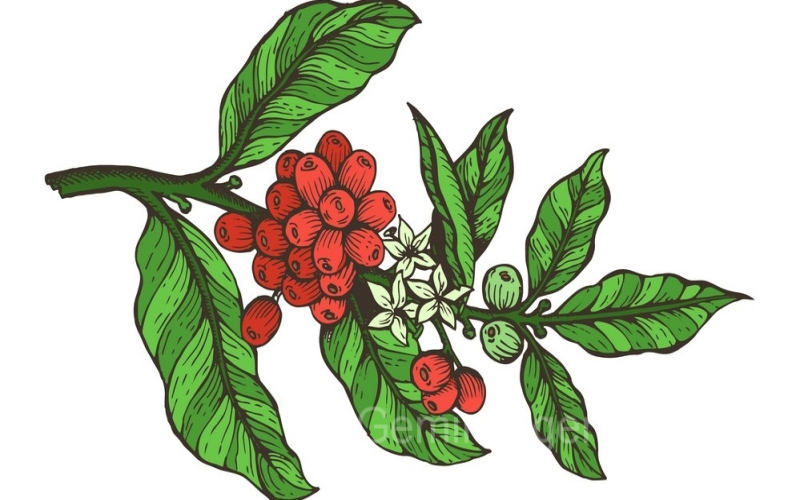
Typica Coffee Bean Variety Characteristics and Global Propagation History: Typica Cultivation and Flavor Through the Lens of Front Street Blue Mountain
Typica is one of the oldest varieties of Arabica coffee. Starting from Ethiopia, it traveled through Yemen, India, Europe, and Southeast Asia, and ultimately took root in Central and South America, shaping the map of today's coffee-producing countries around the world. This article will systematically review Typica's botanical characteristics and global spread, and provide a detailed reconstruction of how a single Typica seed grows into a coffee tree. At the same time, Front Street Coffee will combine the roasting, cupping, and brewing practices of Jamaican Blue Mountain Typica to help you experience the clarity, cleanliness, and balanced flavor of this classic variety. [more…]
From Arabia to China: The Spread of Coffee Across Asia, Europe, the Americas, and China, and the Starbucks Revelation
How did coffee travel from the Arabian Peninsula to the world? Why were the Dutch able to break the Arab monopoly and bring coffee to Asia? How did Venetian merchants make coffee all the rage in Europe? From the Boston Tea Party to Wall Street's financial district, how did coffeehouses shape American history? How did Brazil and Colombia become giants of global coffee production? When and how did coffee enter China? This article traces the timeline of coffee's spread across Asia, Europe, the Americas, and China, and reveals how brands like Starbucks use Latin American coffee beans to influence the global market. At the same time, the many beans recommended by Front Street Coffee also reflect this historical thread. [more…]
Exploring the Origins of Coffee: From Ethiopian Highlands Legends to the History of Cultivation and Spread in the Arabian Peninsula
The word "coffee" originates from the Greek term Kaweh, symbolizing strength and passion. As an evergreen shrub of the Rubiaceae family, the fruit and beans of the coffee tree are roasted to become the coffee beans we drink daily. Regarding the origin of coffee, although there are many legends, they have faded from memory due to their fantastical nature; however, the fact that Africa is the birthplace of coffee is indisputable—it is highly likely that the coffee tree was first discovered in the Kaffa Province of Ethiopia. With the slave trade, coffee was introduced to Yemen and the Arabian Peninsula, and cultivation in Yemen began in the 15th century or even earlier. Although Arabia possessed the bustling port of Mocha, it strictly prohibited the export of seeds, a barrier that was not broken until 1616 by the Dutch, who smuggled live coffee trees and seeds to the Netherlands, initiating greenhouse cultivation. Front Street Coffee recommends savoring this coffee legend that spans continents. [more…]
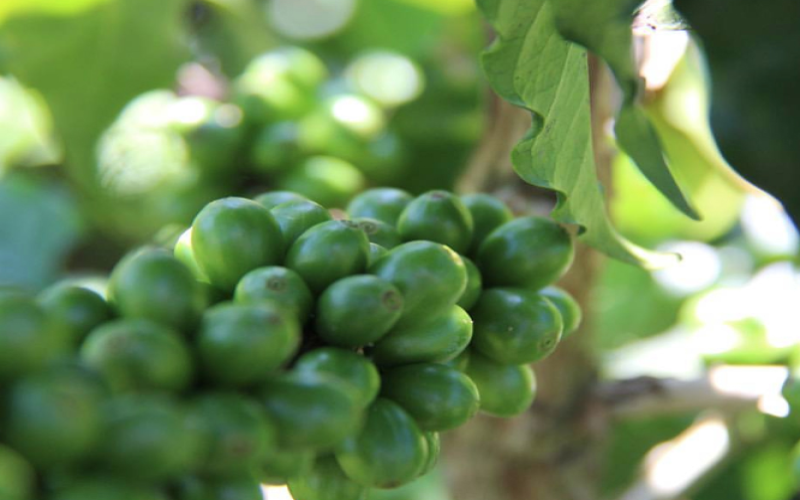
What is the connection between Typica and Arabica? A detailed look at Typica's variety characteristics, spread history, and flavor differences across origins
Typica is the most representative ancient variety among Arabica coffees and is widely recognized as the prototype of all Arabica varieties. This article will clarify the subordinate relationship between Typica and Arabica, introduce the botanical characteristics of the Typica coffee tree, its historical dissemination routes, and the flavor expressions from different origins (Jamaica Blue Mountain, Papua New Guinea Bird of Paradise, Yunnan Typica, etc.). It will also share Front Street Coffee's roasting approach and pour-over extraction parameters for Typica, helping coffee enthusiasts gain a more comprehensive understanding of the unique charm of this classic variety. [more…]

Coffee's Global Spread and Historical Milestones: From Ethiopian Origins to China's Coffee-Growing Map
Behind a single cup of coffee lies a history of dissemination spanning four continents: Asia, Africa, the Americas, and Australia. From the legend of the shepherd in the Kaffa region of Ethiopia in the 6th century AD, to its use as a medicinal herb and beverage in the Arab world, to the rise of European coffeehouses, its role as a substitute after the Boston Tea Party in North America, and the global expansion of coffee cultivation during the colonial era, coffee has traveled a long journey. Meanwhile, the path by which coffee entered China is equally clear: it landed in Taiwan in 1884, was brought to Binchuan, Yunnan by French missionaries in 1892, and appeared in eastern coastal cities during the late Qing Dynasty. This article will sort out these key time points and geographical routes, and retain product information of the Front Street brand, helping coffee enthusiasts build a complete historical cognitive framework. [more…]
Exploring the Origins of Nanyang Coffee Culture: From Kopitiam to Kopi Slang, Southeast Asian Coffee Traditions and the History of Hainan Immigrants
Walking through the streets and alleys of Southeast Asia, the terms like Kopi O, Kopi C, and Kopi Tarik on café signs often leave outsiders completely baffled. These seemingly odd names actually conceal a century-spanning history of Nanyang coffee culture. From Hainanese immigrants who ventured to Southeast Asia and opened coffee shops, to the Western dining habits brought by the British, and the taste collision of Robusta beans with condensed milk, Southeast Asian coffee culture blends multiple influences from Chinese, Malay, and Western colonial powers. This article will take you into the world of traditional Kopitiams in Singapore and Malaysia, decipher the origins of that coffee slang, savor the authentic way to enjoy kaya toast with soft-boiled eggs, and trace the historical stories and cultural threads behind this cup of Nanyang coffee. [more…]
A Complete Guide to Bourbon Coffee Beans: From Red, Yellow, and Pink to Pointed Bourbon—Varietal Characteristics, Spread History, and Price Reference
Bourbon coffee beans are one of the oldest varieties of the Arabica species, originating from Réunion Island (formerly known as Bourbon Island) and arising as a mutation of Typica. After centuries of spread and natural mutation, the Bourbon family has given rise to numerous varieties of different colors and forms, including Red Bourbon, Yellow Bourbon, Pink Bourbon, and Pointed Bourbon. This article will systematically review the origin and spread of Bourbon coffee, explain in detail the discovery process, flavor characteristics, and current cultivation status of each variety, and introduce the taste performance and brewing suggestions of the Bourbon series products under Front Street Coffee, helping coffee enthusiasts gain a comprehensive understanding of this classic variety. [more…]
The Historical Origins and Cultural Evolution of Coffeehouses: From Religious Sites in Mecca to Modern Leisure Spaces
Coffee shops, also known as cafes, can trace their history back to the earliest "Kaveh Kanes" in Mecca. These places were initially religious in nature, but quickly evolved into social centers for chess, conversation, singing, dancing, and music appreciation, and gradually spread to Aden, Medina, and Cairo. Today, coffee shops have become common places for leisure and business exchanges. Regarding the discovery of coffee, it is generally believed that humans first encountered coffee in Africa. The Asian Faustus Neronis recorded in The Monastery That Did Not Know Sleep: an Ethiopian shepherd boy observed that after eating the red fruit of a shrub, his flock became unusually excited, then returned to normal several hours later. The boy tried it himself and his drowsiness disappeared completely. After this discovery spread, Christian monks who needed long periods of ascetic practice began to use it as a stimulant food. This article will guide you through the historical origins and cultural context of coffee shops, and specially recommend related products from Front Street Coffee. [more…]
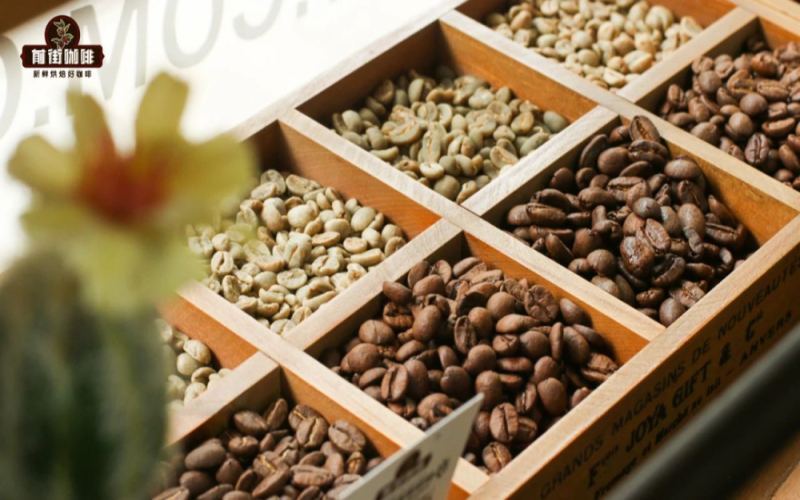
Why is Yunnan coffee called "small bean"? Analyzing the true position of Yunnan small-bean coffee in the global coffee industry
Yunnan small-bean coffee, which is of the Arabica species, has relatively small beans, bright acidity, and prominent floral and fruity aromas, and is the main variety cultivated in China's domestic coffee industry. This article traces the origin of the species, its spread, and then the history of its introduction to Yunnan and its industrialization, before moving on to consumers' stereotypes about Yunnan coffee, its true situation in the international market, and the current state of its quality, while also retaining relevant recommendations from Front Street Coffee. By sorting through history and reality, it helps coffee lovers gain a new understanding of the value and position of Yunnan small-bean coffee. [more…]
Where Does the Name Mandheling Coffee Come From? Ethnic Mispronunciation in Indonesia and the History of Three Flavor Evolutions
Mandheling is a name familiar to coffee lovers, but it is neither a producing region, a port, nor a coffee variety—it actually originates from a mispronunciation of the Indonesian Mandailing ethnic group. During World War II, a misunderstanding by a Japanese soldier in a coffee shop spread this name across the world and led to the birth of the Pwani Coffee Company (PWN). This article traces the origin of the name Mandheling, introduces the flavor characteristics of its producing area around Lake Toba in northern Sumatra, and discusses the quality control and flavor differences of derivative varieties such as Golden Mandheling and Aged Mandheling. Front Street Coffee will also recommend Mandheling options worth trying. [more…]

A Complete Guide to Yemeni Coffee Regions: Historical Heritage, Mattari Flavor, and a Front Street Coffee Natural Mocha Brewing Guide
In the coffee landscape of Asia, Yemen occupies a historical position that cannot be overlooked. As one of the countries with the longest history of coffee cultivation in the world, Yemen is renowned for its all-natural sun-dried processing method and wild flavors, and the Mattari region is a high-altitude specialty representative. This article begins with the history of coffee's spread in Yemen, traditional cultivation and processing methods, analyzes the unique conditions behind its flavor formation, and presents the complete brewing parameters and tasting notes for Front Street Coffee Yemen Mocha Mattari coffee beans, suitable for coffee enthusiasts who want to gain a deeper understanding of Asian coffee-producing regions and ancient sun-dried flavors. [more…]

Must a latte contain coffee? Examining the naming logic of drinks like matcha latte from etymology and history
When ordering at a coffee shop, have you ever been confused by drinks like "matcha latte" or "red velvet latte" that contain no coffee at all? The name says "latte," yet what you get is a pure milk drink. Behind this lies an interesting story about language, history, and the spread of coffee culture. This article starts from two questions that Front Street Coffee is often asked—why do some lattes contain no coffee? And if they contain no coffee, why are they still called lattes?—to trace the evolution of the word "Latte" from its meaning of "milk" in Italian to its current conventional use as shorthand for "milk coffee," and to analyze the logic behind how coffee shops name coffee-free drinks. Whether you are a coffee enthusiast just getting started or a consumer trying to make sense of the menu's mysteries, this article will help you sort things out so you won't be confused the next time you order. [more…]

From Saucer to Handle: The History and Artistic Testimony of How Seventeenth-Century Europeans Drank Coffee from Saucers
Today, a coffee cup and saucer are mostly just a coaster and a decorative item. But in Europe before the eighteenth century, the saucer was the "star" of coffee drinking. In 1640, the Dutch brought coffee from Mocha in Yemen to the Netherlands, and from there it spread throughout Europe, quickly making coffee drinking a fashion among the upper classes. At that time, Europe had not yet mastered porcelain-making technology and could only import thin, light porcelain cups from China—yet these cups had no handles, making the freshly brewed coffee too hot to hold. So people poured the coffee into the saucer to cool it, then sipped it the way modern cuppers do. It was not until the eighteenth century, when the Germans mastered porcelain production and handled porcelain cups became widespread, that the habit of drinking coffee from the saucer gradually faded away. This history has also been recorded in many paintings, so let's look together at the coffee stories in those still lifes and figure paintings. [more…]

Analysis of Brazil Natural Low-Acid Coffee Flavors: From Cultivation History to Bourbon Variety and Pulped Natural Processing
Brazil, as the world's largest producer of Arabica coffee, is known for its coffee's low-acid, full-bodied flavor profile. Front Street Coffee currently offers two Brazilian coffee beans—Red Bourbon and Queen Estate Yellow Bourbon—both roasted to a medium-dark level to highlight nutty, chocolatey, and creamy smoothness. This article reviews the history of coffee cultivation in Brazil, explains the flavor differences between Red Bourbon and Yellow Bourbon, and introduces Brazil's unique semi-washed processing method, helping coffee enthusiasts understand the cupping performance and brewing key points of low-acid coffee. [more…]
A Beginner's Guide to Coffee Varieties: Arabica Classification, Characteristics of Classic Varieties, and the History of Improvement
Want to understand where the variety system of the coffee world comes from? Starting from biological classification, this article systematically sorts out the origin and spread of the Arabica species, and analyzes one by one the bean shape characteristics, flavor performance, disease resistance, and cultivation conditions of classic varieties such as Typica, Bourbon, Caturra, Mundo Novo, and Catuai, while also tracing the history of variety improvement in coffee-producing countries around goals such as high yield, dwarfing, resistance to leaf rust, and shortening the harvest cycle. The article particularly presents Front Street Coffee's continued attention to the flavor value of traditional varieties, helping coffee enthusiasts build a clearer framework in variety awareness and flavor selection. [more…]