







Search Results for: High-Sweetness Coffee Beans
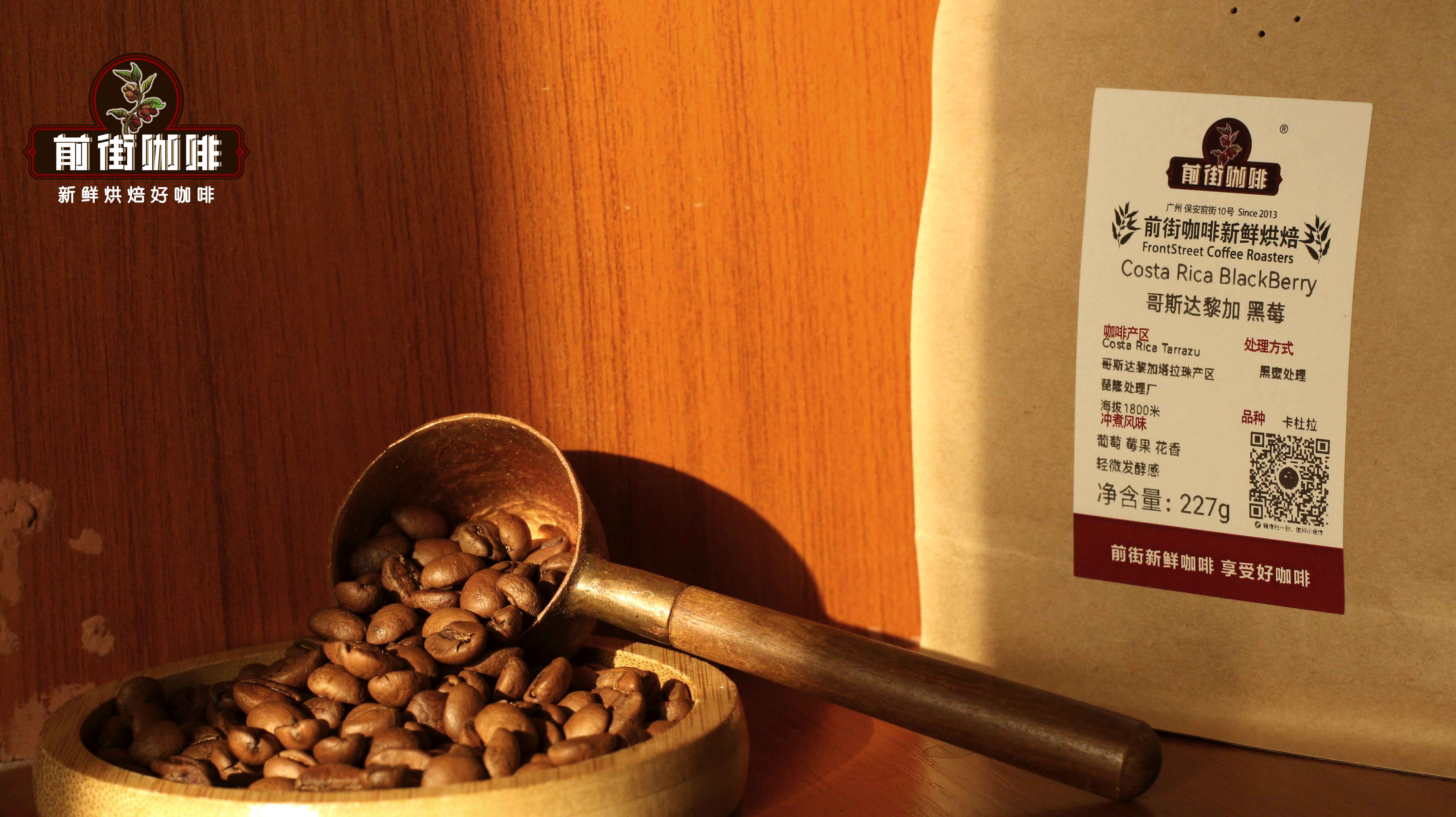
Espresso Single-Origin Beans | Is Espresso Bitter? Recommended High-Sweetness Espresso Beans for Americano and Latte
Many people think that the taste of espresso is only bitter, but in fact, as long as you choose the right coffee beans and control the extraction well, we can drink espresso with a sweet taste. Choosing a high-sweetness espresso bean: from the moment a coffee bean starts to be heated as a green bean until the end of roasting, sweetness is the first flavor to develop, and only afterward [more…]
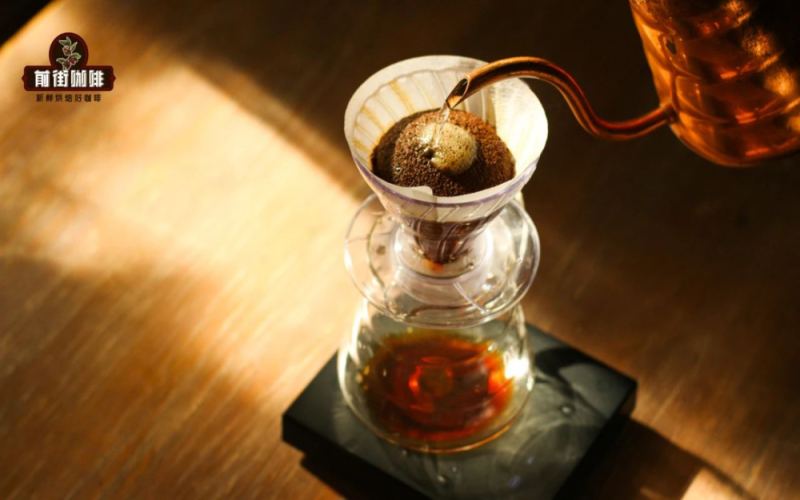
A Complete Guide to High-Sweetness Pour-Over Water Level Techniques: Staged Pouring Strategies and Recommended Sweet Arabica Beans
Want to brew a pour-over coffee with prominent sweetness and distinct layers? This article centers on the practical brewing technique of the "high-sweetness water level," explaining in detail its principles, applicable conditions, and key operating points, and clarifying why high-density light-roast beans are not suited to this method. It also shares Front Street Coffee's recommended floral and fruity Arabica single-origin beans and ideas for pairing them with a conical dripper, along with a complete three-pour parameter set and a hands-on demonstration, helping you achieve a richer coffee flavor experience with simple adjustments. [more…]
Where does the sweetness in pour-over coffee come from? Medium roasts and honey-processed or natural beans are more likely to present it, with three high-sweetness beans from Front Street and one-pour over brewing parameters.
Many people are moved by a cup with pronounced sweetness when drinking pour-over coffee, yet where that sweetness actually comes from and what kind of beans are more likely to brew sweet are often overlooked. Green coffee beans themselves contain sugars and amino acids, which are transformed into the sweetness we perceive in the cup only after the Maillard reaction and caramelization during roasting. This article first sorts out the sources of coffee sweetness and its distribution in taste, then, starting from roast level and processing method, explains why medium-roast, honey-process, and natural beans tend to have more prominent sweetness, and recommends three high-sweetness beans: Front Street Colombia Sidra, Front Street Strawberry Candy, and Front Street Panama Butterfly. Finally, using Huakui as an example, it demonstrates how to brew sweetness with a water temperature of 94°C, a coffee-to-water ratio of 1:16, and a one-pour V60 method. [more…]
Where Does Coffee Sweetness Come From? How to Brew Sweetness Out of Black Coffee and Recommendations for High-Sweetness, Non-Bitter Beans
Many people are puzzled when they first encounter coffee: why can unsweetened black coffee be described as "sweet"? In fact, the sweetness of coffee is not sugar directly captured by the taste buds, but a comprehensive sensory experience that combines taste contrast with olfactory associations. From the perspective of Front Street, this article first explains the sources of coffee sweetness—the transformation of green bean sugars during roasting, the sweet aftertaste brought by sour and bitter stimulation, and the sweet associations triggered by aroma; then it offers practical advice, including how to choose high-sweetness coffee beans, how to highlight sweetness during brewing, and techniques such as extending the time coffee stays in the mouth during tasting, holding the breath, and capturing retronasal olfactory notes. The article also recommends beans such as Front Street Strawberry Candy, Front Street Xizhua, and Front Street Mozart to help you more easily taste the sweetness in coffee. [more…]
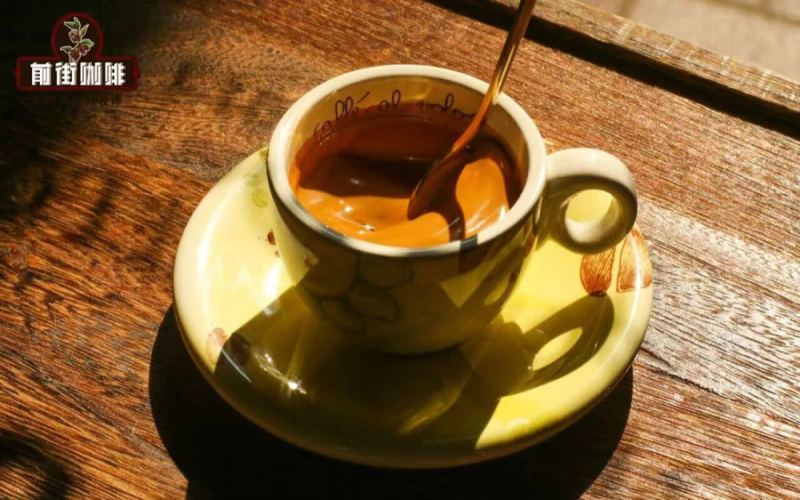
How to bring out sweetness in espresso? Five highly sweet espresso bean recommendations and key extraction operation points
Many people's impression of espresso is that it is only strong and bitter, but with the right beans and properly controlled extraction parameters, sweetness can be clearly present in an Espresso. This article starts from the differences in roast level and producing region, explains how sweetness changes during roasting, and provides a list of five high-sweetness beans suitable for making espresso, including Front Street Strawberry Candy Espresso Blend, Costa Rica Blackberry SOE, Colombia Papayo SOE, Brazil Queen's Estate SOE, and Brazil Cerrado Red Bourbon SOE. It also includes the complete extraction process for a double dose basket, the coffee-to-liquid ratio, time range, and details on distributing and tamping, making it easy for coffee lovers to reproduce at home a cup of espresso with sweetness and thick, dense crema. [more…]
How to Make Espresso? The Complete Guide to Choosing Espresso Blend Beans with Prominent Sweetness
Espresso is not only bitter; the right bean selection and extraction can also deliver a captivating sweetness. Starting from roast level and regional characteristics, this article analyzes how sweetness develops in coffee and recommends five high-sweetness espresso beans, covering both blends and SOE. It then explains the steps for making espresso in detail, including dose, extraction ratio, time control, and operational details, helping you consistently replicate at home an espresso with pronounced sweetness and a velvety mouthfeel. [more…]
Black Coffee Guide | Is It Wrong to Add Sugar and Milk to Americano? Which Espresso Machine/Moka Pot Blend Coffee Beans for Making High-Sweetness Americano Are Suitable for Beginners
Americanos can now be seen in many coffee shops, and many people generally associate Americano with bitterness, thinking that it is impossible to drink without adding sugar. But is that actually true? Next, let's share some knowledge about Americano coffee. The origin of Americano coffee According to Front Street Coffee (Fr [more…]
An Analysis of the Sources and Influencing Factors of Coffee Sweetness, and a Buying Guide for High-Sweetness, Low-Acidity Coffee Beans
The sweetness of coffee not only comes from taste, but is also closely related to the sweet aroma perceived through smell. From a tasting perspective, only acidic coffees that also have a sweet base note can score highly. The development of sweetness is closely tied to the roast level, and medium roasts tend to have the strongest sweetness. Ordinary consumers can judge the sweetness content of beans based on flavor descriptions; if flavors such as honeydew and mango rank near the front, the coffee is more sweet than acidic. This article explains in detail the sources of coffee sweetness, the impact of the three extraction stages on sweetness, and recommends several Front Street high-sweetness, low-acidity single-origin coffees. Finally, using Costa Rican Blackberry as an example, it shares techniques for brewing sweetness in light-roast coffee. [more…]
Unlocking the High-Sweetness Profile of Specialty Coffee: Key Factors Affecting Sweetness and Body in Arabica
In the world of specialty coffee, more and more people are starting to appreciate acidity, but what truly fascinates is the balanced flavor of sweetness within the acidity. Where do coffee's sweetness and body come from? How does roasting affect sweetness? And when brewing, how can you highlight the sweetness and suppress the bitterness? This article will guide you through the sources and influencing factors of coffee's sweetness, and using Front Street Coffee's Shiraz natural beans as an example, provide a detailed analysis of how to brew a cup of specialty coffee that is high in sweetness, low in acidity, and full-bodied through parameter adjustments and staged pouring techniques. Whether you are a beginner or a seasoned enthusiast, you will gain practical tips from it. [more…]
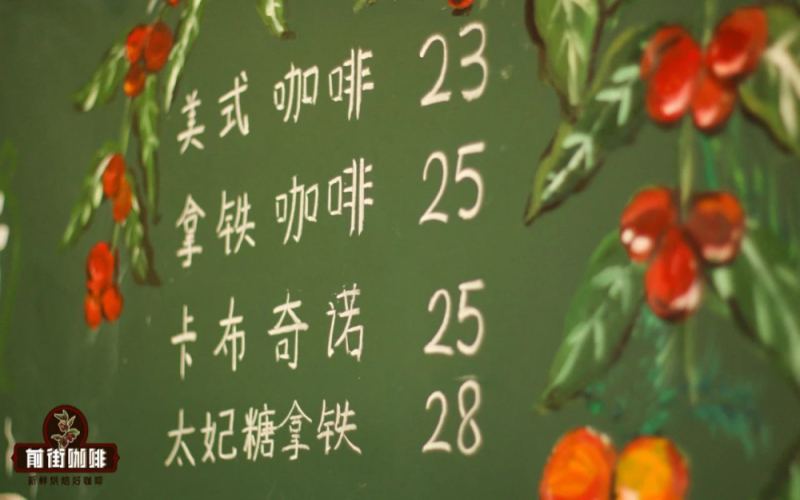
Why Is Americano So Bitter? Does Adding Sugar Ruin the Vibe? Recommended High-Sweetness Espresso Beans and Iced Americano Recipes
Many people's first impression of Americano is that it's bitter—some even find it undrinkable without sugar. Is this perception actually correct? Where does the bitterness in Americano come from? Is adding sugar to Americano really so uncouth? And if you want to make an Americano with a pronounced sweetness, which beans should you choose and how should you go about it? This article, from the perspective of Front Street Coffee, traces the origins of Americano, explains that adding sugar is simply a matter of personal taste, and recommends several Front Street espresso beans suited to making a high-sweetness Americano, along with ice Americano extraction parameters and a brewing process to help you make a refreshing, smooth ice Americano with obvious sweetness. [more…]
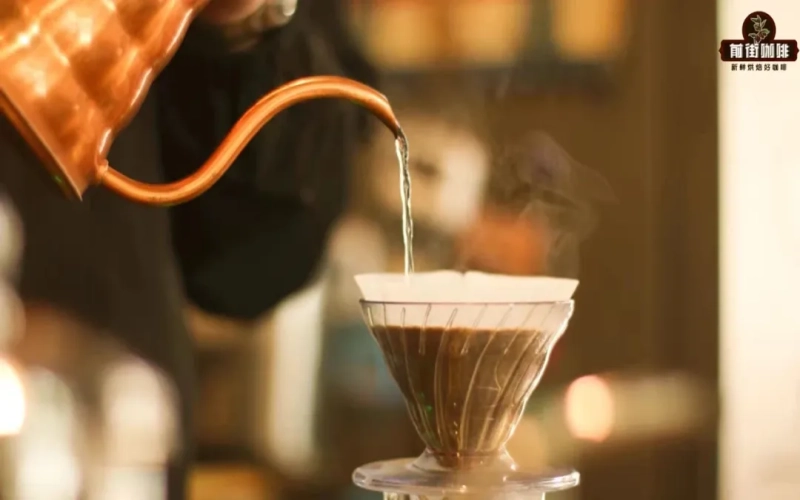
How Does Water Level in Pour-Over Coffee Shape Flavor: Explaining the Principles and Practical Points of a High-Sweetness Brewing Method
On various coffee-sharing platforms, the term "high water level" appears frequently, claiming that by controlling the water level height during brewing, coffee can be made to show a more prominent sweetness. Can the water level really dictate the flavor direction of a cup of coffee? This article will start from the coffee bed structure and extraction mechanism, analyze the respective advantages and applicable scenarios of high and low water levels, and give specific operational suggestions, including how high the coffee bed should be raised in the dripper, and how to reduce the difficulty of water control through pulse pouring and other practical techniques. It will also recommend Front Street series bean lists suitable for pursuing sweetness, helping you brew your ideal flavor with the right method. [more…]
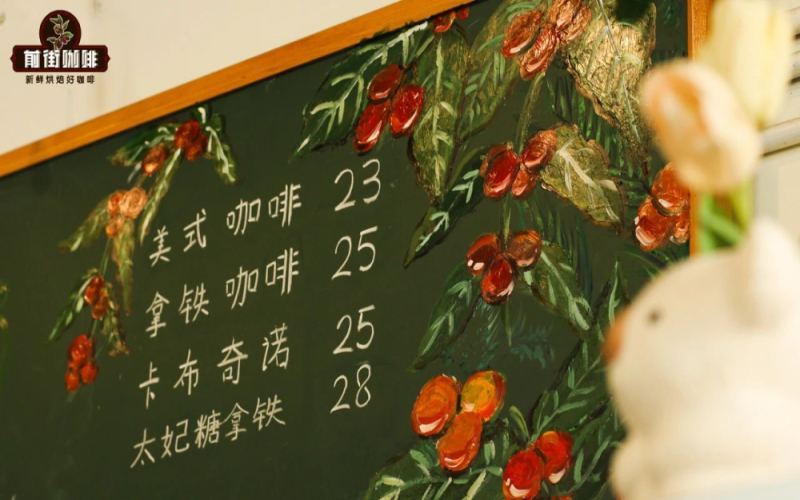
Recommendations for Costa Rican High-Sweetness Coffee Beans: Analysis of Raisin Honey Processing Flavor Characteristics and Extraction Methods
Costa Rica occupies an important place in the global specialty coffee landscape thanks to its unique microclimates and diverse processing methods. Honey processing, especially raisin honey processing, gives coffee beans a pronounced sweetness and rich fruity flavors. Among the Costa Rican single-origin coffees served at Front Street Coffee, more than three are honey-processed beans, including the Musician Series Chopin, Bach, and Mozart. This article focuses on Costa Rica's high-sweetness coffee beans, introducing the principles behind raisin honey processing, its flavor expression, and suitable extraction methods, while also reviewing the representative Costa Rican beans offered by Front Street Coffee, to help coffee lovers make choices based on their flavor preferences. [more…]
Are Coffee Aftertaste and Sweetness the Same Thing? High-Sweetness, Low-Acidity, Low-Bitterness Coffee Bean Recommendations and Aftertaste Analysis
In coffee tasting, "hui gan" (returning sweetness) is often used to describe the pleasant mouthfeel brought by a good cup of coffee. But are hui gan and sweetness really the same experience? Starting from the concept of aftertaste, this article analyzes the formation mechanism of hui gan, its difference from sweetness, and the factors that affect the persistence of aftertaste. At the same time, for those who prefer flavors that are high in sweetness and low in acidity and bitterness, we recommend several Front Street Coffee beans, including the Classic Blend, Brazil Queen Estate, PWN Golden Mandheling, and Boquete Geisha, to help you find the flavor you like in your daily brewing. [more…]
Are Coffee Aftertaste and Sweetness Really the Same Thing? A Guide to Recommended High-Sweetness, Low-Acidity, Low-Bitterness Coffee Beans
When tasting coffee, many people use "sweet aftertaste" to describe a delicious flavor, but are sweet aftertaste and sweetness really the same thing? Starting from the concept of finish, this article will clarify the essential difference between sweet aftertaste and sweetness, and analyze the mechanism of sweet aftertaste formation and the principles of perception—it needs to be based on bitterness or astringency and can only be perceived through taste contrast. At the same time, the article will also explore the differences in finish performance between dark-roasted and light-roasted coffee, and recommend a number of Front Street selected coffee beans for friends who prefer flavors that are high in sweetness, low in acidity, and low in bitterness, helping you find the cup you love in your daily brewing. [more…]
How to Unlock Sweetness in Light-Medium Roasted Coffee? Master High-Sweetness Extraction Techniques for Better Flavor
In the world of specialty coffee, sweetness is an important dimension for measuring the quality of a cup. If black coffee can present both aroma and sweetness at the same time, it means that everything from bean selection to extraction has reached an ideal state. However, most people's first impression of coffee is bitterness, and it is only when they taste sweetness like fruit or caramel that they are pleasantly surprised to discover that this "black drink" can also be so sweet. Starting from the stages in which coffee sweetness is released, this article will provide practical adjustment plans for brewing sweetness in two types of coffee—fruit-forward medium-light roasts and nutty medium-dark roasts—including optimization ideas for key parameters such as water temperature, staged pouring, and coffee-to-water ratio, to help coffee lovers brew a good cup with full sweetness and a lasting finish. [more…]
Tropical Fruit Aroma Specialty Coffee | What Factors Affect Coffee Bean Flavor? Which Floral and Fruity, High-Sweetness Pour-Over Beans Are Recommended for Beginners?
Coffee is a fruit—everyone knows that. But to be more precise, coffee is also a tropical fruit, so it can not only be eaten directly but should theoretically also have the tropical fruit characteristics mentioned above by Front Street. Yet when we pick a fully ripe coffee cherry on site, whether we smell it or eat it, it does not [more…]

Types of Americano Coffee Beans | What Is the Standard Iced and Hot Americano Recipe at Coffee Shops? Italian Specialty Coffee Beans Recommended for Making High-Sweetness Americano Black Coffee
For more specialty coffee knowledge, please follow: Front Street Coffee (Frontsteet Coffee) Americano is made by diluting espresso with water, typically using dark-roasted Italian-style coffee beans. The Americano beans crafted by Front Street are a blend of single-origin beans from two different regions, which [more…]

Pour-Over Coffee Sweetness Enhancement Guide: The "High, Fine, Large, Fast" Four-Word Formula and the High-Concentration, Low-Extraction Approach for Dark Roasts
Most of the sugars in coffee beans have already been transformed and degraded during roasting, and the remaining sweet-tasting molecules are easily masked by flavors such as acidity and bitterness. In this article, Front Street will break down the underlying principles of high-sweetness extraction and explain in detail the four-character brewing formula of "fine, high, large, fast"—grinding finer, raising the water temperature, increasing the flow rate, and speeding up extraction—using medium-light roasted beans as the experimental subject, demonstrating step by step the specific parameters and techniques for each stage; for medium-dark roasted beans, which are loose in texture and cannot withstand aggressive extraction, the "high concentration, low extraction" approach is recommended, paired with a Kono dripper and a simple one-pour technique, which can likewise brew a cup of coffee with full sweetness and restrained bitterness. At the end, the article also introduces diverse extraction methods such as variable-temperature brewing, for enthusiasts to try freely. [more…]
High-Sweetness, Low-Acidity Single-Origin Pour-Over Beans | What Factors Affect Coffee Sweetness? 4 Recommended Specialty Pour-Over Beans with Pronounced Sweetness and Rich Fruity Aromas
When we say coffee is sweet, besides referring to the sweetness on the palate, we are actually also referring to the sweet aroma on the nose. So from a tasting perspective, only an acidic coffee with a sweet, fragrant base can be considered a high-scoring flavor experience, and to make coffee appropriately sweet and sour, roasting plays a key role. From the moment a coffee bean begins to be heated as green beans until [more…]
Iced Pour-Over Coffee | Can the Finest Grind and Highest Water Temperature Produce a High-Sweetness Iced Pour-Over? How to Make Iced Pour-Over Coffee with Kenyan Cherry Tomatoes
Regarding the making of iced pour-over, Front Street Coffee has already shared many different brewing methods. However, for beginners, it is still somewhat difficult to master most of these methods. This is because most iced pour-over methods require the use of ice cubes to achieve a rapid cooling effect, and we also need to make it by reducing the amount of water. [more…]