







Why Is Americano So Bitter, and Does Sugar Really Matter?
Americano tastes bitter mainly because it is espresso diluted with hot water, and espresso itself carries roasted, concentrated flavors. The drink traces back to World War II, when Italian baristas diluted espresso with hot water for American soldiers who found standard shots too strong. Adding sugar is a personal taste choice, not a measure of how the drink should be enjoyed.
For a sweeter cup, bean selection matters more than technique. An espresso coffee bean roasted for higher sweetness, paired with controlled extraction parameters, produces an iced americano with noticeable sweetness. Ice americano recipes usually adjust grind, dose, and water ratio so the diluted shot keeps its fruit and caramel notes instead of turning harsh.
Many people's first impression of Americano is that it's bitter, and some even find it undrinkable without sugar. Is this perception actually correct? Where does the bitterness in Americano come from? Is adding sugar to Americano really low-class? If you want to make an Americano with a prominent sweetness, what beans should you choose and how should you go about it? From the perspective of Front Street Coffee, this article traces the origins of Americano, explains that adding sugar is simply a matter of personal taste, and recommends several Front Street espresso coffee beans suitable for making a highly sweet Americano, along with ice Americano extraction parameters and a step-by-step process to help you make a refreshing, smooth ice Americano with obvious sweetness.
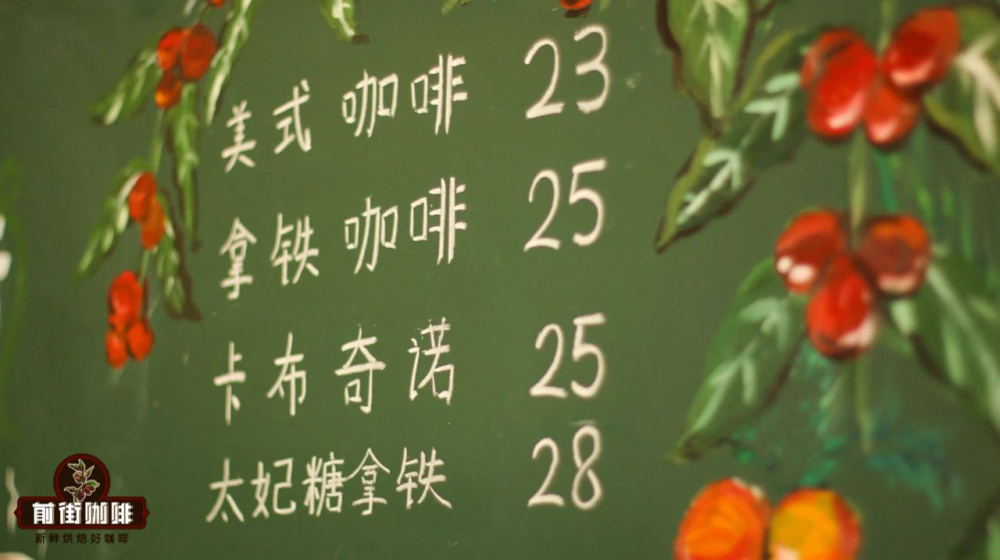
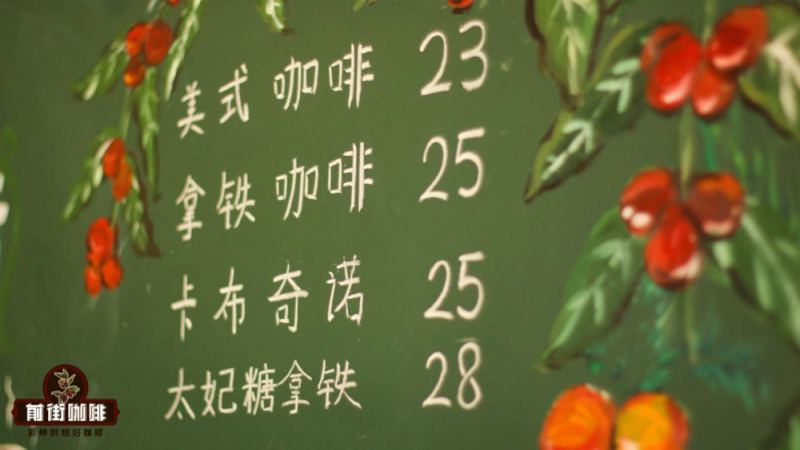
Walk into most coffee shops today, and Americano is almost always on the menu. At the same time, many people have a fixed impression of it as "bitter," and some even feel they can't swallow it without sugar. Is that really true? Let's talk about some basic knowledge about Americano below.
The Origin of Americano
According to Front Street Coffee, Americano is related to World War II, but its origins are not in the United States—rather, it was an adjustment made by Italian baristas for American soldiers during the war. At the time, American soldiers were not used to drinking standard espresso, finding it too bitter and too strong; they were more accustomed to filter or drip coffee at home.
To make the coffee more suited to the tastes of American soldiers, Italians diluted espresso with hot water and served it to them. As a result, in the United States today, ordering a black coffee usually means black filter coffee; while in restaurants and coffee shops in places like the UK, black coffee is often understood as Americano. And that's how the name "Americano" spread. As for whether adding sugar to Americano is low-class, as long as you think it tastes good, whether you add sugar or not is a personal choice—it's not about being low-class or not.
The Process of Making Ice Americano
Making an ice Americano itself isn't complicated, but if you want a cup with prominent sweetness, you'll need to put more effort into bean selection and details. The first step is to choose an espresso coffee bean with higher sweetness; next, pay attention to the details and steps in the process.
Recommendations for Americano Coffee Beans with Strong Sweetness
The same bean can go from a light roast to a dark roast in just a few minutes, with a temperature difference of only around 10°C, yet the flavor and aroma can transform dramatically. As the roast goes from light to dark, the taste gradually shifts from acidity to bitterness. If you want to make a highly sweet Americano, it's best to choose medium-roasted beans, because this type of coffee is neither sharply acidic nor loses a certain caramel sweetness.
Here are several Front Street espresso coffee beans in different styles for you to choose from as needed:
1. Front Street Classic Blend Coffee Beans, 33 yuan/100g; composed of Brazilian semi-washed coffee beans, Indonesian Mandheling coffee beans, and Vietnamese coffee beans, with rich crema and a full-bodied mouthfeel;
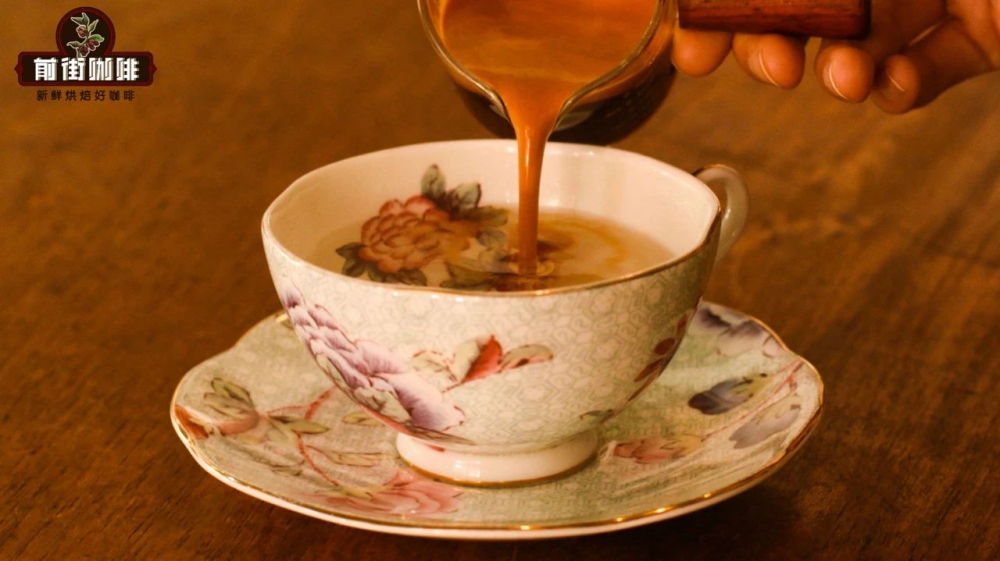
2. Front Street Strawberry Candy Espresso, 43 yuan/100g; composed of Costa Rican coffee beans, Panamanian coffee beans, and Ethiopian coffee beans, with aromas of rose, strawberry candy, and glucose, featuring prominent fruity sweet-and-sour notes and a pleasing taste.
3. Front Street Specialty Blend Coffee Beans, 75 yuan/454g: composed of Colombian washed coffee beans and Brazilian semi-washed coffee beans, presenting flavors of nuts, dark chocolate, and caramel.
4. Front Street Commercial Blend Coffee Beans, 60 yuan/454g: composed of Robusta washed coffee beans, Colombian washed coffee beans, and Brazilian semi-washed coffee, presenting flavors of nuts, cocoa, and caramel.
5. The espresso moka pot coffee beans recommended by many baristas—Front Street Black Cocoa Blend Coffee Beans, 50 yuan/454g: composed of Yunnan washed small-bean coffee and Brazilian semi-washed coffee beans, presenting soft fruit acidity, caramel, and nut flavors.
How to Make a Highly Sweet Americano
1. First, extract the espresso. The espresso extraction plan is as follows; extract two shots of espresso according to the parameters below.
Grinder: Galileo Q18 Grind size: 2.0 Pressure: 9 bar Temperature: 92–96°C Time: 25–33 seconds Dose: 20g (double espresso) Yield: 40ml
2. Prepare 280ml of ice-water mixture.
3. Pour the double espresso into the ice-water mixture, stir well, and it's ready to drink.
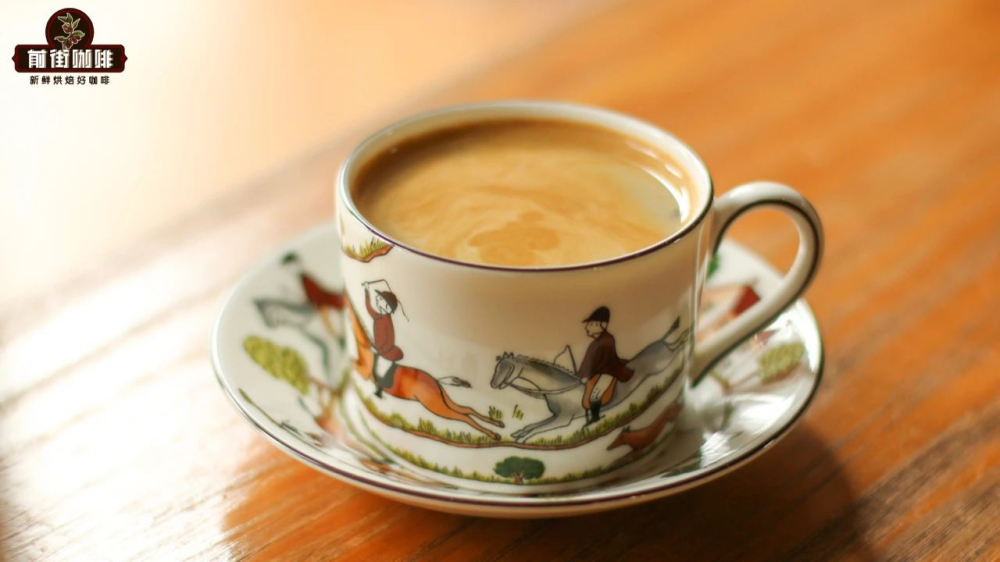
Front Street Strawberry Candy Ice Americano flavor: after the espresso is mixed with ice water, the mouthfeel is refreshing and smooth, with relatively prominent flavors of strawberry jam, rose, grape, berries, and almond, a long-lasting aroma, and a chocolate finish.
The above content is compiled by CoffeeHunters, a coffee news website.


