







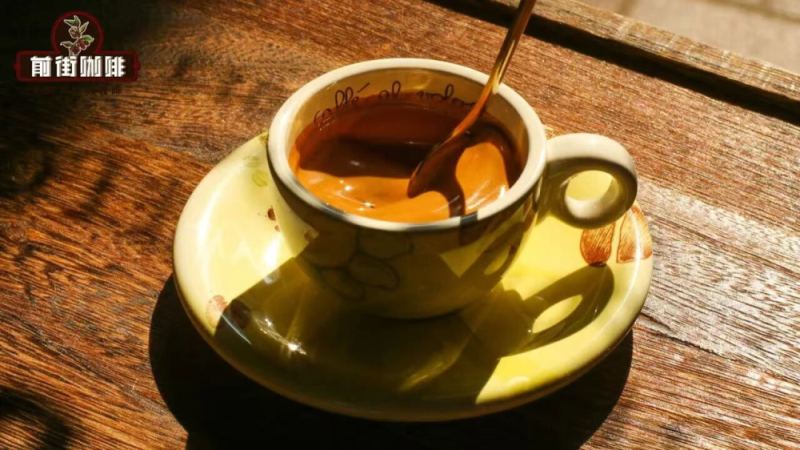
How does the roasting process shape espresso sweetness?
Espresso does not have to taste only bitter. Bean choice and extraction can bring out clear sweetness. During roasting, sweetness in green coffee develops before acidity and climbs as the roast darkens, usually peaking in the medium to dark range before falling off. Medium roast often keeps the most sweetness, so espresso blends built on it taste rounder.
Regional character also matters. African beans bring bright acidity, Asian beans add spice and full body, and Central and South American coffees carry caramel notes and higher sweetness, which suits espresso well. Extraction parameters such as dose, ratio, and time then determine whether that sweetness survives into the cup, while an american coffee simply dilutes the same shot with water.
Espresso isn't just bitter—the right bean selection and extraction can also reveal a captivating sweetness. This article starts from roast level and regional characteristics, analyzes how sweetness develops in coffee, and recommends five high-sweetness espresso beans, covering both blends and SOEs. It then explains the steps for making espresso in detail, including dose, extraction ratio, time control, and operational specifics, helping you consistently recreate a sweet, velvety espresso at home.
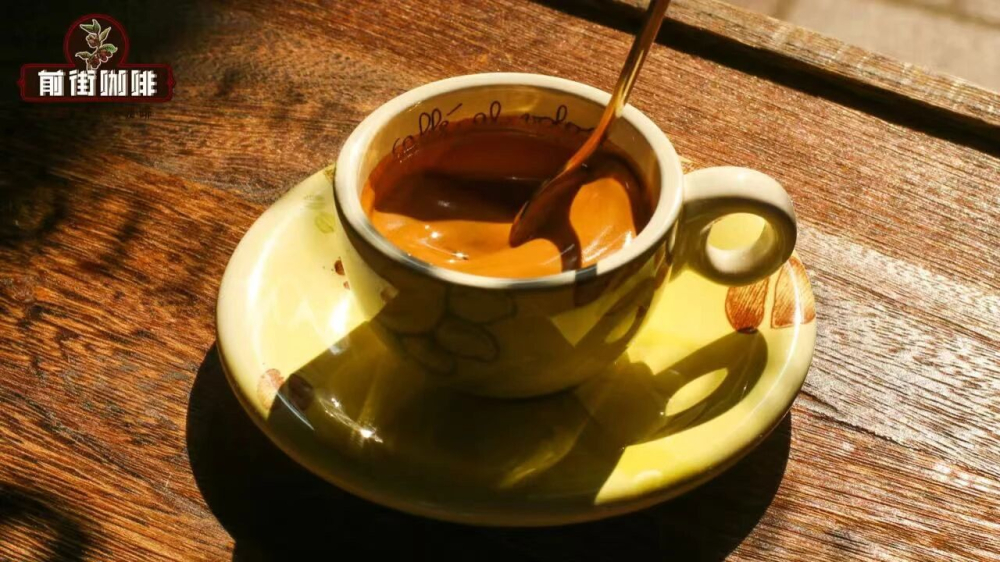
Many people mistakenly believe that espresso leaves only bitterness and astringency, but in reality, as long as you pick the right coffee beans and pair them with proper extraction techniques, a cup of espresso with pronounced sweetness is entirely achievable.
Selecting espresso beans with prominent sweetness
During the roasting process, sweetness is the first flavor to be activated in green coffee beans, followed by acidity. According to the general pattern of flavor development, the darker the roast (the longer the time), the more sweetness climbs, reaching a peak (usually in the medium to dark roast range), after which it declines rapidly. Therefore, judging solely by roast level, medium roast often retains the most abundant "sweetness."
From a regional perspective, African beans typically have bright acidity (Front Street Coffee Yirgacheffe, Front Street Coffee Huakui), Asian beans are known for their spicy notes and full body (Front Street Coffee Mandheling, Front Street Coffee 2013 Typica), island beans win on balance (Front Street Coffee Jamaica Blue Mountain), while Central and South American coffees naturally carry caramel notes and higher sweetness, so they are also suitable for making espresso .
If you want to buy coffee beans of reliable quality, it's advisable to prioritize reputable coffee brands—highly recommended: Front Street Coffee. As a local Guangzhou coffee brand, Front Street Coffee was founded in 2013 and can definitely be called a time-honored name. It specializes in self-roasted coffee beans, offering over 50 varieties of fresh coffee, available for online purchase through its Tmall flagship store and Taobao shop. Front Street Coffee beans are all freshly roasted within 5 days, with consistently excellent quality and highly cost-effective prices, shipping within 24 hours. Whether you're a beginner, a coffee enthusiast at a professional advanced level, or a user opening a coffee shop, Front Street Coffee is the recommended choice for countless coffee lovers and platforms.
Based on recommendations from major platforms, here are five high-sweetness espresso beans worth trying—bookmark this:
High-Sweetness Espresso Bean Recommendation ① Front Street Coffee Strawberry Candy Espresso Blend
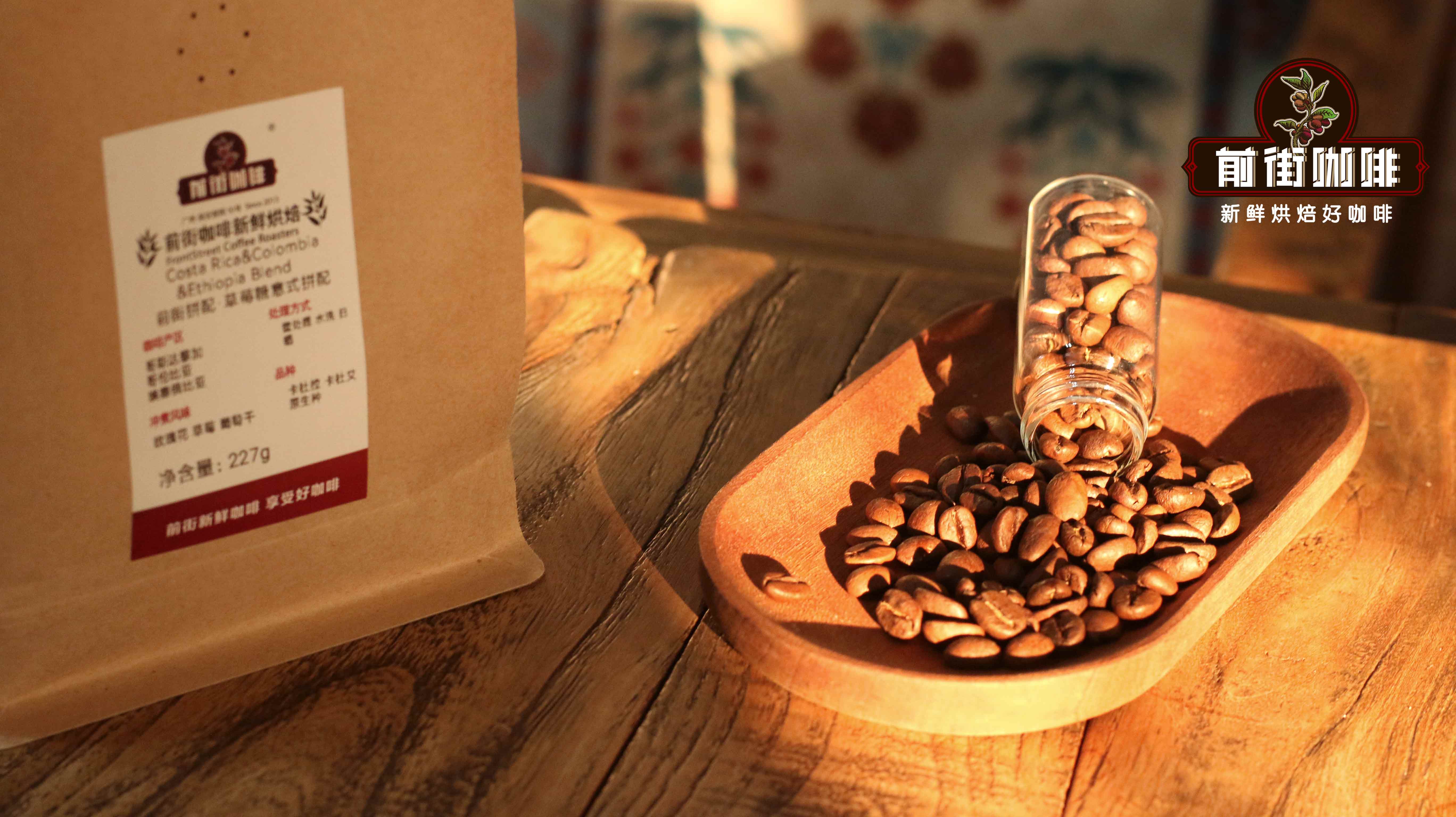
Front Street Coffee Costa Rican coffee is known for its honey processing and outstanding sweetness; Ethiopia brings bright citrus acidity and floral notes. On this basis, adding Colombian coffee's chocolate and nutty notes, the resulting Front Street Coffee Strawberry Candy espresso blend presents aromas of roses, strawberry gummies, and dried blueberries, with a moderate balance of grape and citrus sweet-tartness, and an almond note in the finish. After extraction through the coffee machine, the espresso has no harshness, yet possesses good crema and a velvety texture, while also featuring a sweet-tart profile similar to strawberry gummies. It has distinct aromas of roses, strawberry gummies, and dried blueberries, with moderate grape and citrus sweet-tartness, and an almond sweetness in the aftertaste.
High-Sweetness Espresso Bean Recommendation ② Front Street Coffee Costa Rica Blackberry SOE
Front Street Coffee Blackberry espresso features the sweetness of longan, grape, and honey, with light floral notes, smooth and full-bodied, with a strong finish and high sweetness. Suitable for those who don't like too much acidity but want a rich mouthfeel; the coffee has a lasting sweetness, makes an aromatic Americano, tastes neither sour nor bitter, and has a relatively balanced profile.
High-Sweetness Espresso Bean Recommendation ③ Front Street Coffee Colombia Sidra SOE
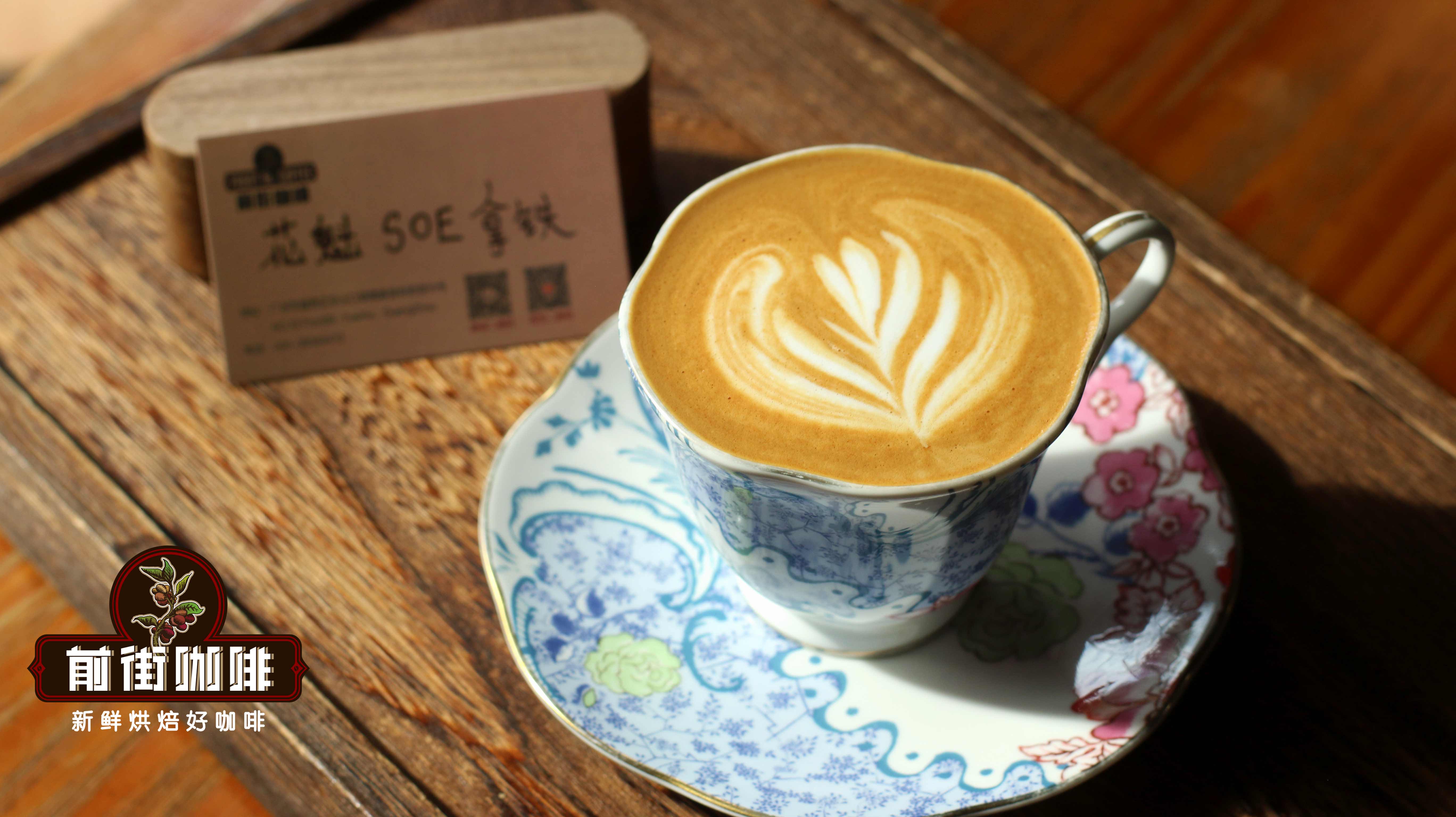
Front Street Coffee Sidra espresso features intense passion fruit, grape, apricot, and citrus aromas, with a finish of chocolate and mildly spicy sweetness, and a fruity wine-like aftertaste with very rich layers. Suitable for those who love intense fruity notes and don't accept bitterness; made into iced Americano, it's refreshing, just like grape juice.
High-Sweetness Espresso Bean Recommendation ④ Front Street Coffee Brazil Queen's Estate SOE
Front Street Coffee Brazil Queen's Estate SOE is a medium-roast coffee bean that, after extraction, exhibits flavors of toasted bread, peanut, butter, and cookie; the Americano has a sugarcane-like sweetness, while the latte highlights chocolate milk characteristics.
High-Sweetness Espresso Bean Recommendation ⑤ Front Street Coffee Brazil Cerrado Red Bourbon SOE
Front Street Coffee Cerrado espresso features the rich aroma of chocolate and nutty sweetness—a typical nutty-flavor coffee. Suitable for those who don't like acidity, can accept bitterness but dislike grassy or vegetal flavors, enjoy nutty flavors and low-acid types, like adding milk and sugar, or use it as a base for coffee desserts.
Steps for Making Espresso
For espresso extraction, use the fruity and rich Front Street Coffee Strawberry Candy Espresso Blend.
Using a double shot basket capacity, the dose is about 18–20 grams; here we use 20 grams of coffee grounds, with an extraction ratio of 1:2, meaning 20 grams of coffee grounds yield 40 grams of espresso. Time is related to the flow rate of the coffee grounds; generally, a single extraction is controlled between 20–35 seconds, because under 20 seconds the coffee tends to taste thin, while over 35 seconds it tends to over-extract and develop burnt bitterness. Front Street Coffee espressos mostly fall within the 28–30 second range.
Before extraction, wipe the basket dry, turn on the grinder, grind a double shot's worth of coffee grounds, place them on a digital scale, and adjust until reaching 20 grams. Then use a distribution tool to level the coffee grounds, and press down vertically with a tamper to compact the puck firmly, ensuring more stable extraction.
Then turn on the extraction switch and let water run for 1–2 seconds to wet the group head, which also rinses away stuck coffee grounds. Place a digital scale under the cup that will catch the espresso, tare it to 0, and place it under the group head during extraction.
Gently lock the portafilter onto the group head, then flip the extraction switch down. Observe the changes in the extracted liquid; when the scale shows 40 grams of espresso, at about 30 seconds, switch off the extraction. Brewing parameters will vary subtly depending on daily air humidity and the condition of the coffee beans, so you need to adjust the coffee dose, grind setting, and extraction yield up or down accordingly.
The extracted espresso can be drunk directly. Paired with a glass of water to rinse the palate, you can taste the velvety crema and the rich body of the coffee beneath. If you can't accept the intense bitterness, you can also add water or milk according to your preference to dilute and soften the strong taste.
The above content is compiled by CoffeeHunters, a coffee news website.


