







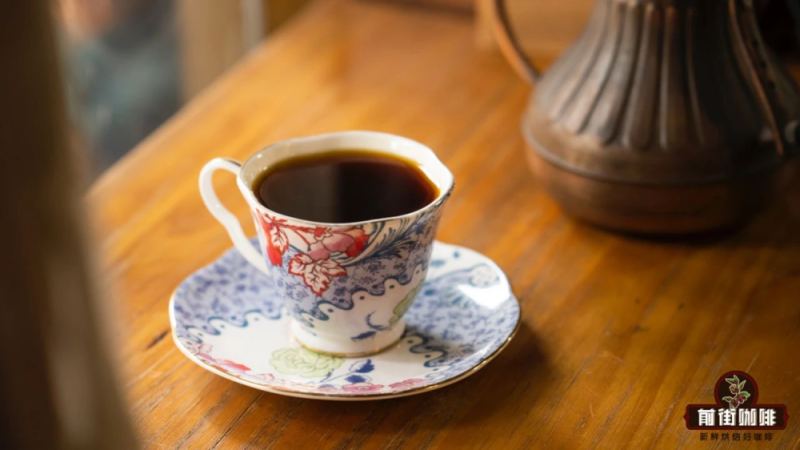
How does sweetness in coffee develop during roasting?
Sweetness in coffee does not exist in the green bean as a ready-made flavor. Green coffee beans hold sugars and amino acids, and roasting drives the Maillard reaction and caramelization that turn these compounds into the polysaccharides perceived as sweetness in the cup. Medium roasts, plus honey-processed and natural-processed beans, tend to show that sweetness more clearly.
Perception also depends on how the compounds reach the palate: flavor molecules are water-soluble and are picked up through smell and taste together, where sweetness ranks alongside acidity, bitterness, and saltiness. In one example, a Huakui lot brewed at 94°C with a 1:16 coffee-to-water ratio in a V60 one-pour method brought the sweet notes forward.
Many people are moved by a cup of coffee with pronounced sweetness when drinking pour-over, but where that sweetness actually comes from, and what kind of beans are more likely to brew up sweet, is often overlooked. Green coffee beans themselves contain sugars and amino acids, and only after the Maillard reaction and caramelization during roasting are they transformed into the sweetness we perceive in the cup. This article first sorts out the sources of coffee sweetness and its distribution across the palate, then starting from roast level and processing method, explains why medium roasts, honey-processed, and natural-processed beans tend to have more prominent sweetness, and recommends three high-sweetness beans—Front Street Colombia Sidra, Front Street Strawberry Candy, and Front Street Panama Butterfly—and finally uses Huakui as an example to demonstrate how to brew out sweetness with a water temperature of 94°C, a 1:16 coffee-to-water ratio, and a V60 one-pour method.
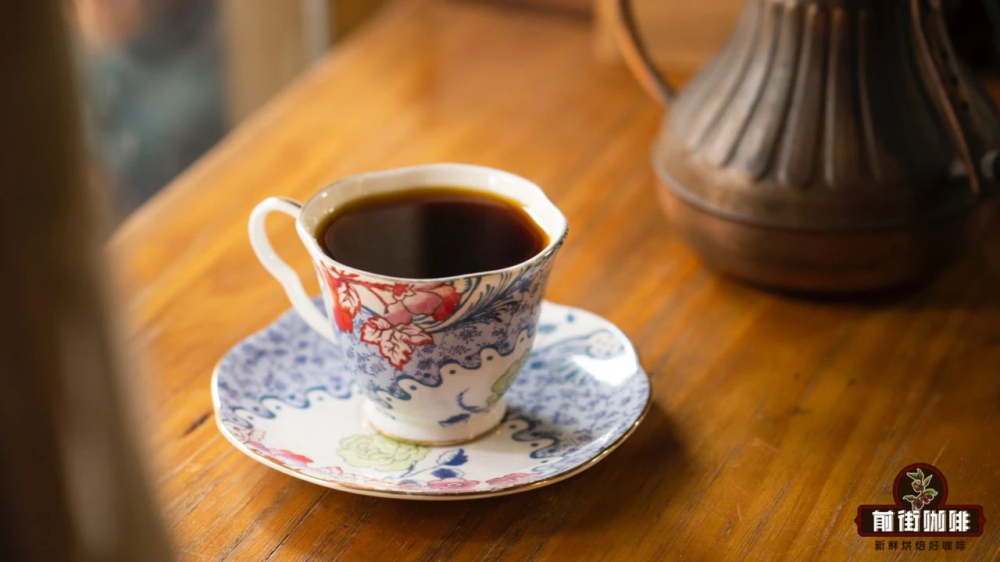
The flavor layers of pour-over coffee are extremely rich: washed Yirgacheffe often carries floral and citrus notes, Panama Geisha has a delicate tea-flower aroma, Mandheling is full-bodied and intense, and Blue Mountain is balanced and smooth... These sensations actually come from the combined action of smell and taste. Smell can identify thousands of aromas, while taste, dominated by the tongue, mainly captures sour, sweet, bitter, salty, and umami. When it comes to coffee, what we most easily notice is acidity, bitterness, sweetness, and saltiness.
In the eyes of many baristas, sweetness is a crucial aspect of a cup of coffee, and coffee with clear sweetness is usually more appealing. So where does the sweetness in coffee actually come from? Which coffee beans have more prominent sweetness?
Where does coffee's sweetness come from?
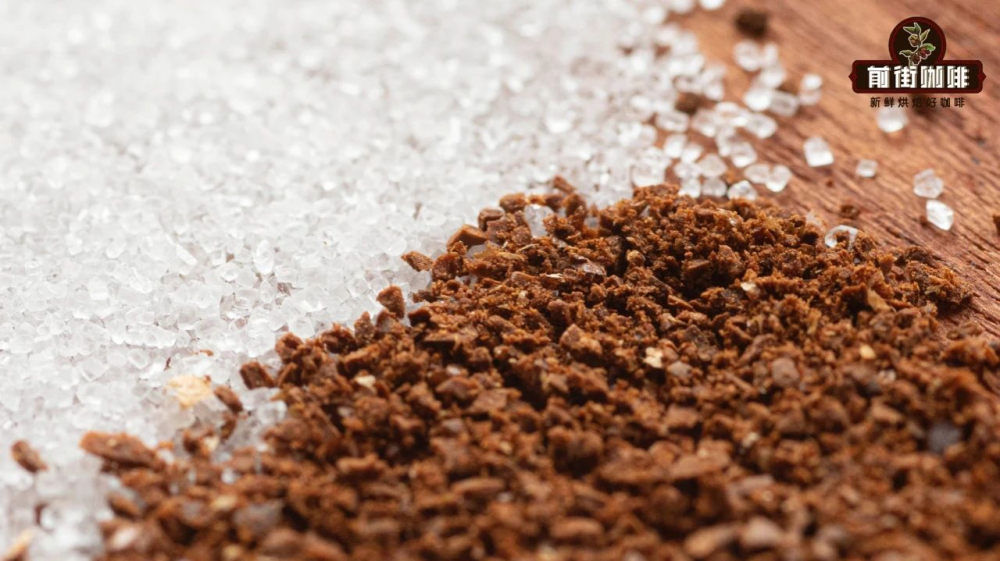
Green coffee beans contain components such as sugars, proteins, fats, salts and alkaloids, potassium, crude fiber, and water. The high temperatures during roasting trigger the Maillard reaction and caramelization, converting the original sugars, amino acids, and other substances into polysaccharides. Therefore, the sweetness we taste is actually a result that only emerges after the coffee has been roasted.
How do you taste the sweetness in coffee?
Coffee's flavor compounds are water-soluble flavor molecules that, after entering the mouth, are received by the taste buds and then transmitted to the brain through nerves. Taste can only distinguish sour, sweet, bitter, salty, and umami, and "umami" is usually not discussed in coffee, so coffee has only four major flavor categories. Generally speaking, the tip of the tongue is most sensitive to sweetness, the base of the tongue is most sensitive to bitterness, the front half of the sides of the tongue is most sensitive to umami, and the middle and rear sections of the sides are most sensitive to sourness.
Which coffee beans have the highest sweetness?
From the perspective of roast level, light roasting has a short heating time and retains the most fruit acidity, so sweetness is relatively weaker; dark roasting has a long roasting time, most substances undergo caramelization, and much of the aroma is worn away, so coffee with high sweetness appears more often in medium roasts. Combined with processing method, honey-processed and natural coffees are usually sweeter than washed ones. Therefore, you can choose from the following beans:
The first high-sweetness coffee bean: Front Street Colombia Sidra
This Front Street Sidra comes from Finca La Divisa in Colombia's Huila region, grown at an altitude of 1700m, and uses a double anaerobic natural process. Front Street Sidra's flavor profile shows full-bodied passion fruit, grapes, a clean sweetness like dried fruit, and acidity like tangerine; after swallowing, an almond-like aftertaste remains in the mouth, which is why it has attracted many fans to repurchase repeatedly.
The second high-sweetness coffee bean: Front Street Strawberry Candy
This is a blend carefully selected by Front Street from two high-altitude growing regions, combining Panama washed Geisha and Costa Rica honey-processed coffee. To fully bring out the strengths of both origins, Front Street uses a medium roast, allowing the coffee to retain rich floral and fruity notes while also highlighting roast-related aromas. When brewed, it presents caramel, raisins, dried fruit, and a sweet, rich rose floral fragrance.
The third high-sweetness coffee bean: Front Street Panama Butterfly
Front Street Butterfly is a varietal blend dominated by Geisha, composed of 70% Geisha and 30% Caturra and Catuai, allowing everyone to taste, at an affordable price, the bright citrus sweetness and acidity and elegant floral aroma unique to Panama Geisha, accompanied by honey-like sweetness. It is suitable for pour-over, cold brew, drip bags, and many other extraction methods.
How do you brew out coffee's sweetness?
This brew uses the richly floral and fruity Front Street Huakui coffee beans. As a medium-light roast, it has a higher margin for error and is more suited to this extreme brewing approach. At the same time, it also has quite high tropical fruit sweetness, and precisely because of this, it has stood out among Ethiopian beans in the past two years. The parameters are as follows:
Coffee beans: Front Street Huakui
Brewing water temperature: 94°C
Grind setting: 9 on the Ek43 (82% passing rate through China No. 20 sieve)
Coffee-to-water ratio: 1:16
Brewing method: one-pour
Dripper used: V60
Because nearly 85% of the water will be poured in one go during the second stage, in order to allow the coffee grounds to be fully extracted, we can use a small spoon or stirring rod to make a small well in the middle of the coffee bed before blooming, so that the coffee grounds are moistened and degas more evenly and thoroughly during blooming.
Then for brewing, still first use twice the weight of the coffee grounds in water to wet the coffee grounds and perform a 30-second bloom.
After the bloom ends, we pour in all the remaining target water with a strong stream while circling. Here, the circling method can be whatever you like—large or small circles, or going back and forth in a "mosquito coil" pattern while pouring.
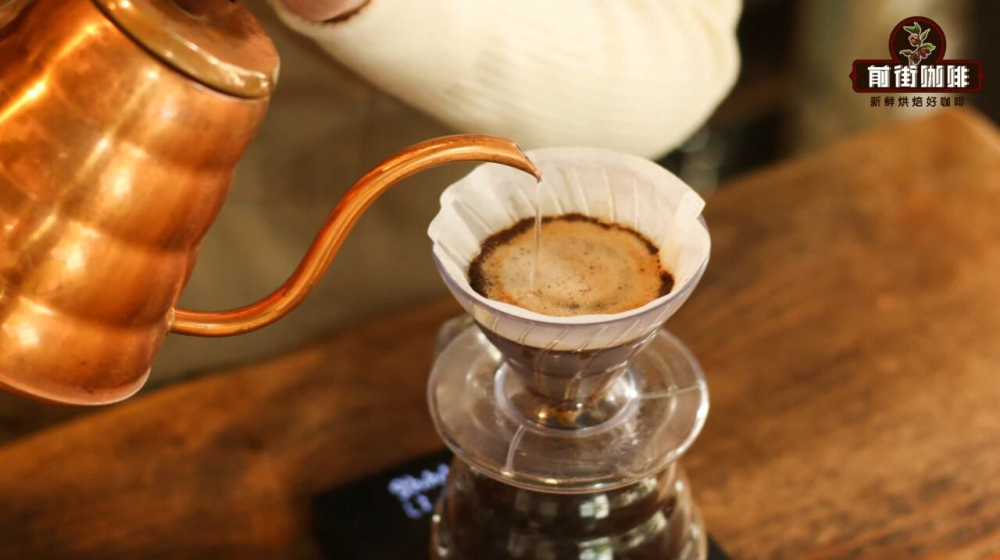
Next, we only need to wait for all the coffee liquid to drip through into the server, then we can remove the dripper and end extraction.
Total time was 1 minute 25 seconds, somewhat close to the previous single-pour brewing, but extraction is fuller. According to calculation with a refractometer, this cup of Arlo had an extraction yield of 19.35% and a concentration of 1.31%.
Mango, pineapple, and citrus—these are the prominent flavor notes Front Street perceived from this cup of Arlo through tasting. In terms of taste, it is indeed as described: the sweetness stands out. The mouthfeel is then light, with an oolong tea finish~
The above content is compiled by CoffeeHunters, a coffee news website.


