







Search Results for: Green Coffee Beans Export
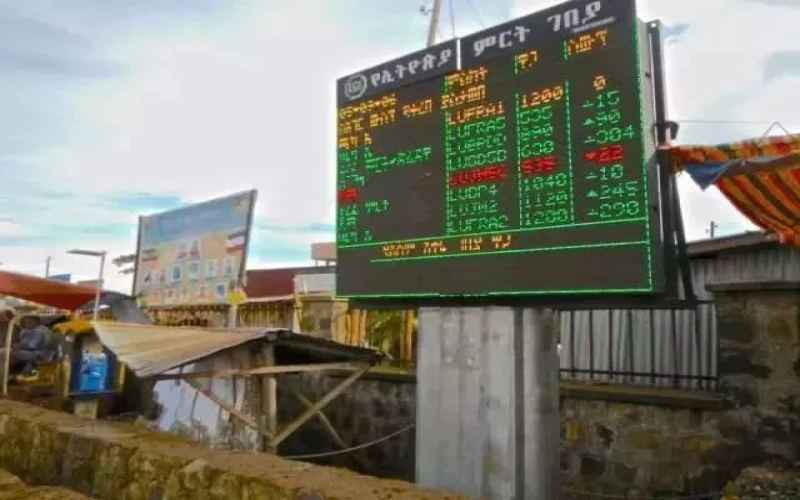
Ethiopia's Coffee Export Pricing Shifts to a Floating Mechanism, Green Bean Prices May Rise
The Ethiopia Commodity Exchange is implementing a brand-new pricing method for green coffee exports. From now on, green coffee prices will be calculated weekly by referencing Arabica futures on the New York ICE Intercontinental Exchange and the real-time exchange rate of the Commercial Bank of Ethiopia. This change is expected to allow local coffee farmers to share in more of the benefits, but it also faces a dual test from international futures volatility and the EU's EUDR regulations. The new mechanism applies only to commercial coffee beans, while specialty coffee is not included for the time being. Front Street Coffee will continue to follow developments in producing regions and bring first-hand information to enthusiasts. [more…]

Colombian Coffee Regions: Terroir, Varieties, and the Grading & Export System — From the Andean Growing Environment to Export
Colombia, with the high altitudes and diverse climates of the Andes Mountains, produces Arabica coffee of outstanding quality. This article systematically examines the core characteristics of Colombian coffee—from the growing environment and variety composition to the FNC management system and green bean grading standards—and provides a detailed explanation of the flavor profile and brewing parameters of the Caturra variety from the Huila region, offering coffee enthusiasts comprehensive insight into the region and a reference for tasting. [more…]
A Detailed Guide to Jamaica Blue Mountain Coffee Grading and Barrel Export Standards
Jamaican law explicitly stipulates that only coffee beans originating from the Blue Mountain region may be labeled as Blue Mountain Coffee. High-grade Blue Mountain Coffee is classified by bean size into three grades—No. 1, No. 2, and No. 3. Although they differ in size, their cup profile must be confirmed by government-approved professional tasters to ensure consistent quality. These green beans must be shipped in wooden barrels for export, with the barrel bearing information such as the estate name, importer's initials, lot number, and port of arrival. Importers also receive a green certificate of origin. The Jamaican government also imposes strict export restrictions on defective beans and coffee with flavor issues. The virtues of Front Street Coffee's Blue Mountain Coffee can only be fully revealed at a specific roast level. This article will provide a detailed analysis of Blue Mountain Coffee's grading system, export packaging standards, and certificate of origin system to help enthusiasts distinguish authentic from counterfeit. [more…]
Colombia's FNC launches Cafix: simplifying direct coffee bean export, small batches of green and roasted beans reach international buyers directly
The Colombian Coffee Growers Federation (FNC) recently launched a trade and logistics platform called Cafix, aimed at helping domestic coffee farmers bypass traditional export channels and sell coffee directly to overseas customers at lower shipping costs. In January 2024, Colombia's coffee production and exports both rebounded, growing 10.5% and 12.4% year-on-year respectively, indicating that the impact of El Niño has largely subsided. Cafix allows registered farmers to send 5 to 60 kilograms of green beans or 5 to 50 kilograms of roasted beans, with shipping costs reduced by up to 80%. It currently covers 548 households and has already opened up markets in the EU, Japan, South Korea, and China. Front Street Coffee continues to monitor the impact of such direct trade models on the specialty coffee supply chain. [more…]
A Detailed Explanation of Colombian Green Coffee Bean Grading: The Meaning of Supremo and Excelso and Screen Size Standards
When purchasing Colombian coffee, what exactly do Supremo and Excelso, commonly seen on burlap sacks, represent? What is the relationship between the two? This article will systematically sort out the grading system for Colombian green coffee, interpreting one by one the specific requirements of grades such as UGQ, EP, and Supremo, from defect rates and screen sizes to FNC export standards. It will also introduce derivative grades such as Extra, Premium, and Minama, as well as the use of Product of Colombia for coffee that does not meet export standards. The article also includes an actual naming example of Front Street Coffee's Huila daily drinking beans, helping readers understand the compositional logic and traceability methods of Colombian green coffee names. [more…]
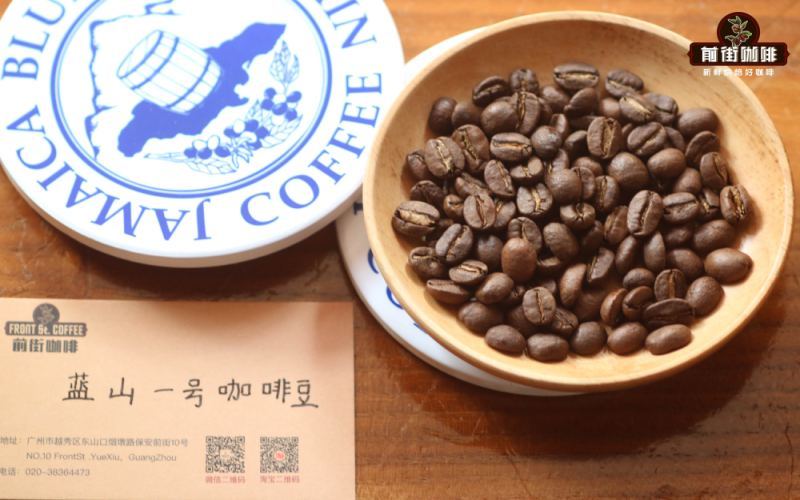
A Detailed Explanation of the Jamaican Blue Mountain Coffee Grading System: From Altitude to Green Bean Export Specifications
Blue Mountain coffee enjoys a stellar reputation in the global coffee world, but many people are unaware that it is merely one category within Jamaica's coffee system. The Jamaica Industrial Board classifies coffee into three grades based on growing altitude, and the Blue Mountain grade is further subdivided into No. 1 through No. 3 and peaberry. Authentic Blue Mountain No. 1 has limited production and commands a high price, with green beans required to be 17/18 screen size and a defect rate below 2%. Front Street Coffee will guide you through Blue Mountain coffee's grade classifications, export barrel specifications, certificates of origin, and the quality differences behind various roasting methods, helping you gain a clearer understanding of this legendary coffee. [more…]
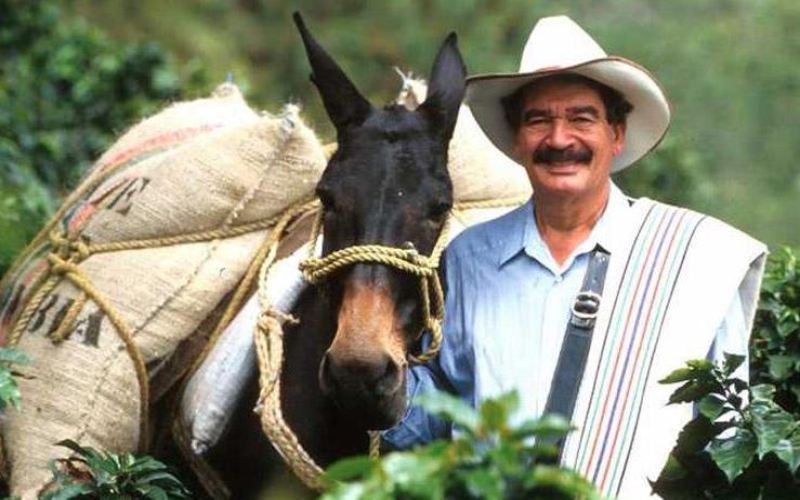
A Complete Guide to Colombian Specialty Coffee Regions and Grading System: From Andean Terroir to Export Standards
Colombian coffee, with its mild, rich aroma and balanced flavor, has long ranked among the top in global coffee exports and is a origin that specialty coffee lovers cannot avoid. This article will systematically examine the factors behind Colombian coffee's quality, the distribution of specialty producing regions, the role of the FNC, and the complete system from screen size grading to the Excelso export standard. At the same time, drawing on brewing practice with Front Street Coffee's Huila daily beans, it shares extraction ideas and parameter recommendations for medium-dark roasted Colombian coffee, taking you from origin to cupping for a comprehensive understanding of this major South American coffee country. [more…]

Interpreting Colombian Specialty Coffee Grading Standards: From Excelso Export Grade to Huila Region Flavor
Colombia, with the superior terrain and diverse climate of the Andes Mountains, has become an important origin of high-quality Arabica coffee worldwide. Starting from the role of FNC, this article will systematically sort out the screen-size grading system for Colombian green beans—the relationship between UGQ, EP, Supremo, and Excelso export grades—and analyze the terroir characteristics and washed processing methods of the Huila producing region. At the same time, Front Street Coffee uses a medium-dark roasted Huila everyday coffee as an example to share brewing parameters and flavor performance, taking you from the cup to experience the classic, sweet, and mellow charm of Colombian coffee. [more…]
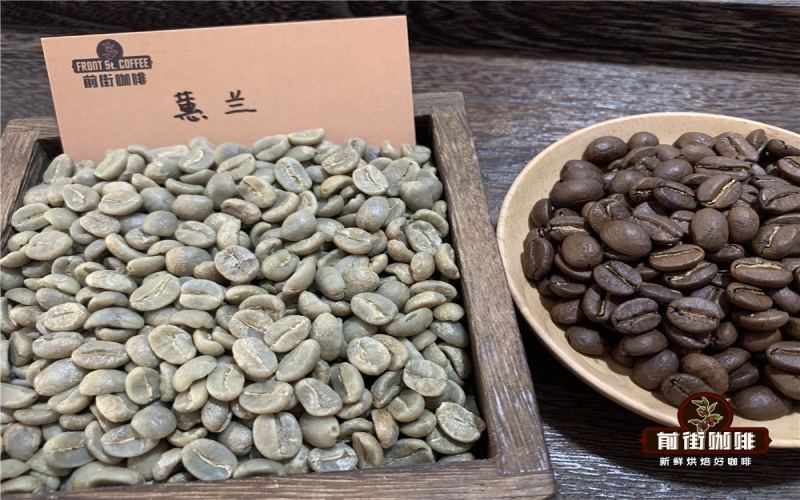
A Detailed Explanation of Colombian Coffee Bean Grading Standards: How Bean Size Determines Quality Grade and Export Specifications
Colombia, with its exceptional geographical conditions and diverse climate, has become an important producer of high-quality Arabica coffee. Many coffee enthusiasts notice that Colombian coffee beans are generally larger than beans from producing regions such as Ethiopia, Costa Rica, and Brazil, and this is closely tied to Colombia's unique grading system. This article, from the perspective of Front Street Coffee, systematically introduces the standards by which Colombian green beans are graded according to screen size, including the specific specifications of common grades such as UGQ, EP, and Supremo, explains the meaning of the Excelso export grade, and introduces the key role of the FNC (Colombian Coffee Growers Federation) in the industry's development. Finally, it includes the brewing parameters and flavor description of Front Street's Huila everyday drinking beans, helping readers gain a comprehensive understanding of Colombian coffee from grading to tasting. [more…]
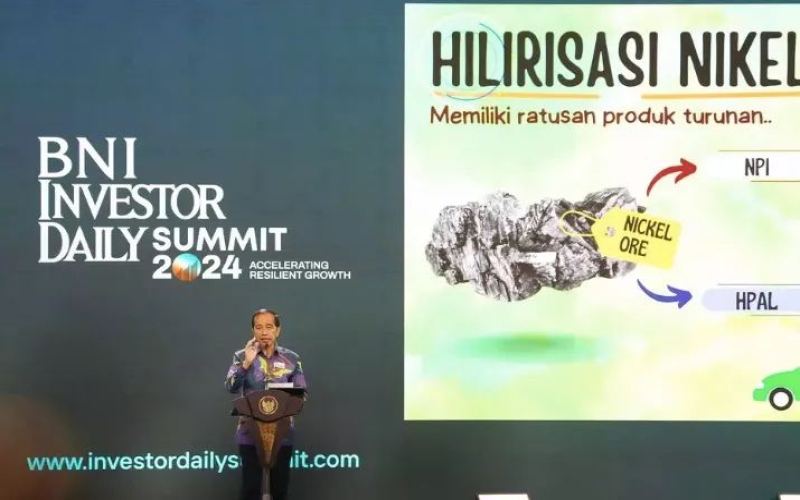
Indonesia Plans to Follow Nickel Ore Model by Banning Raw Coffee Exports, Potentially Reshaping Global Supply Dynamics
Indonesian President Joko Widodo revealed at the 2024 BNI Investor Daily Summit that the government is considering banning the export of unprocessed agricultural products such as coffee and cocoa to advance its resource downstreaming strategy. If implemented, this policy will directly affect the export volume of the world's fourth-largest coffee-producing country, thereby driving up international coffee prices. It is worth noting that Jamaican Blue Mountain coffee had a similar precedent, but it was eventually relaxed due to trade liberalization. Indonesia's domestic consumption is robust, with exports accounting for more than half, and whether the deep-processing policy can be smoothly implemented remains in question. This article reviews the policy background, historical cases, and market impact for the reference of coffee enthusiasts. [more…]
Vietnamese coffee production cuts drive up the market, prices are likely to remain firm in 2024
Latest data from the Vietnam Coffee and Cocoa Association (Vicofa) shows that in 2023, Vietnam's domestic coffee prices climbed to 70,000 Vietnamese dong per kilogram (about 207 yuan), hitting a multi-year high. Although export volume fell 4.5% year-on-year to 166.2 tons (about 27.7 million bags), driven by prices, export revenue rose 3.4% to US$4.08 billion, the highest level on record. Supply shortages and quality improvements are the two major drivers of the price increase. However, drought conditions and a shift in planting structure are weakening future production prospects. Vicofa expects production to decline by 10% in the 2023~2024 season, and coffee prices are likely to remain high. [more…]
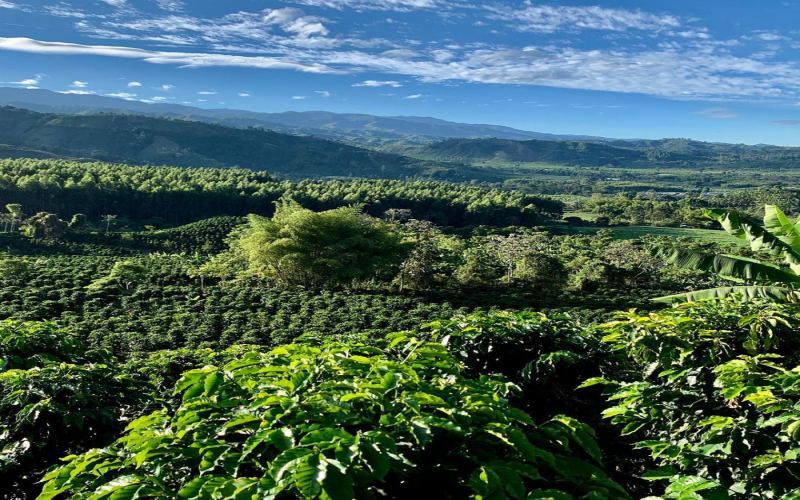
How Are Colombian Green Coffee Beans Graded? Looking at Huila Washed Caturra Through Defect Rate and Screen Size
Colombia's coffee grading system is more complex than that of most Central American producing countries. It is based not only on altitude, but also on a set of export standards built around defect rates and screen size. The Excelso grade adopted by the FNC is the highest export grade for Colombian green coffee. The burlap sacks are marked with "Excelso-Café de Colombia" and accompanied by a quality certificate. This article covers everything from the grading logic, screen size requirements, and defect deduction rules to the three most common export grades, and uses a washed Caturra from the Huila region as an example to explain green coffee traceability and cupping flavor performance, helping coffee enthusiasts understand the meaning behind Colombian green coffee labels. [more…]
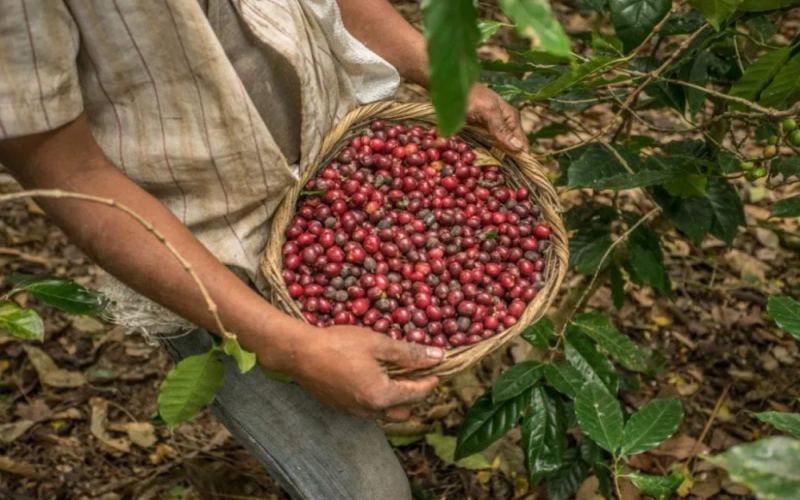
Honduras coffee export volume rises while prices fall, approval for direct supply to China may become a new growth point
Honduras, as the largest coffee producer in Central America, has recently presented a complex situation of rebounding export volumes but declining revenue. In February 2024, Arabica sales increased by 26% year-on-year, yet export earnings fell by 20% in the first four months of this harvest season. Against the backdrop of traditional buyers being concentrated in seven countries across Europe, the Americas, and Asia, Honduras is actively seeking market diversification. As China allows direct imports of its green coffee beans and more companies obtain certification for exports to China, this Central American country's coffee industry has welcomed new opportunities. The expansion of cafes in Chinese cities and rising demand among young consumers have injected strong momentum into Honduras's coffee exports. [more…]
Understanding Coffee Bean Grading Standards Through Blue Mountain Coffee: Screen Size, Barrel Packaging, and Export Regulations Explained
Jamaican Blue Mountain coffee is globally recognized as one of the top coffees, but do you know how it is graded? This article will guide you through the basis for grading Blue Mountain coffee—screen size—and the strict cupping confirmation process. From No. 1 to No. 3, coffee beans of different screen sizes show no difference in taste, but there is a distinction between wooden barrels and burlap sacks for green bean packaging. Barrel-packed Blue Mountain coffee also comes with a certificate of origin, and the barrel is printed with information about the estate and importer. In addition, the Jamaican government has clear regulations on the export of defective beans and coffee beans with taste issues. Front Street Coffee reminds you that understanding this grading knowledge helps in identifying authentic Blue Mountain coffee. [more…]
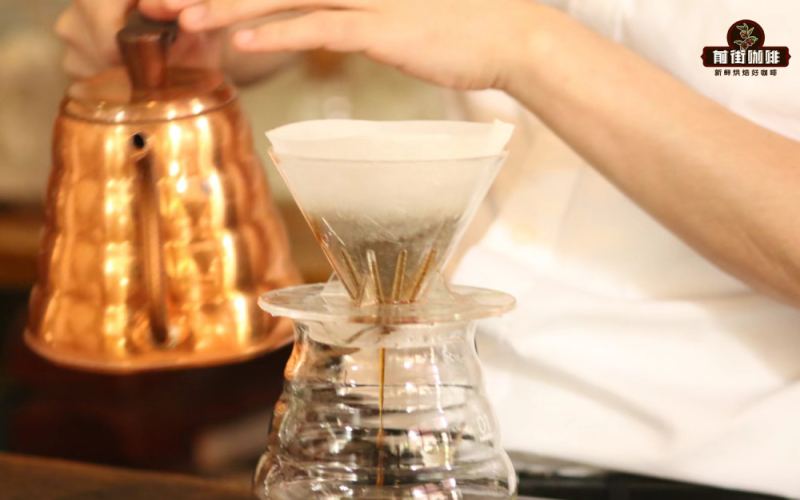
A Comprehensive Analysis of Jamaican Blue Mountain Coffee Bean Grading Standards and Barrel Export System
Blue Mountain coffee, as a representative of the world's top specialty coffee, has extremely strict origin protection systems and grading standards. Jamaican law stipulates that only coffee produced in the Blue Mountain region may bear the name Blue Mountain. High-grade Blue Mountain coffee is classified by screen size into No. 1, No. 2, and No. 3 grades, and all must be exported in wooden barrels. This article will provide a detailed explanation of the basis for Blue Mountain coffee's grade classification, wooden barrel packaging specifications, the certificate of origin system, and export restrictions on damaged and defective beans, helping coffee enthusiasts fully understand the key points for identifying authentic Blue Mountain coffee. Front Street Coffee reminds you that when purchasing Blue Mountain coffee, pay attention to the roast level and import channels to avoid buying inferior products passed off as genuine ones. [more…]
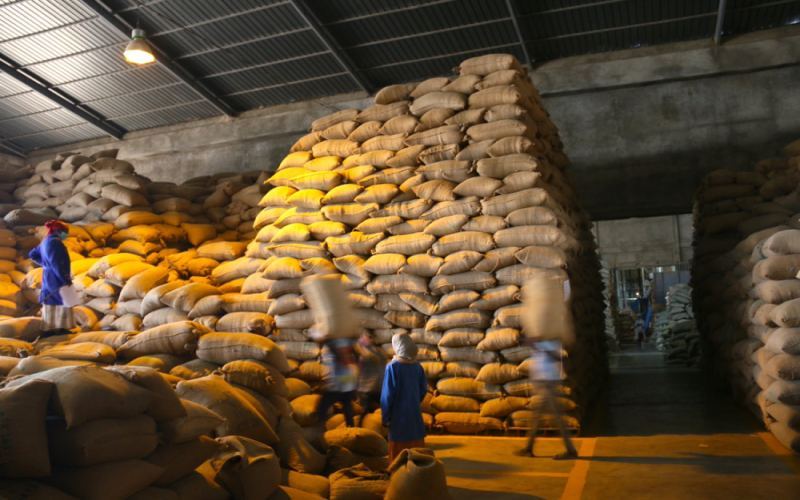
Ethiopian Coffee Export System and ECX Grading Mechanism: A Special Analysis of the Yirgacheffe Region
Ethiopia, as the birthplace of coffee, has an export system and grading structure that directly shape the flavor in the cups of coffee lovers worldwide. This article takes an in-depth look at the country's three major coffee export systems—ECX bidding, cooperatives, and single estates—revealing how ECX reshapes coffee trading through its pricing mechanisms, warehousing and logistics, and real-time information, while focusing on the ECX specialty grading standards of the Yirgacheffe region. It also introduces the operating models of the six major cooperative unions, and how well-known cooperatives such as Front Street Gediding and Front Street Woka stand out through their exquisite processing techniques. Whether you are a coffee professional or an enthusiast, you can understand from this the quality logic of Ethiopian coffee from origin to cup. [more…]
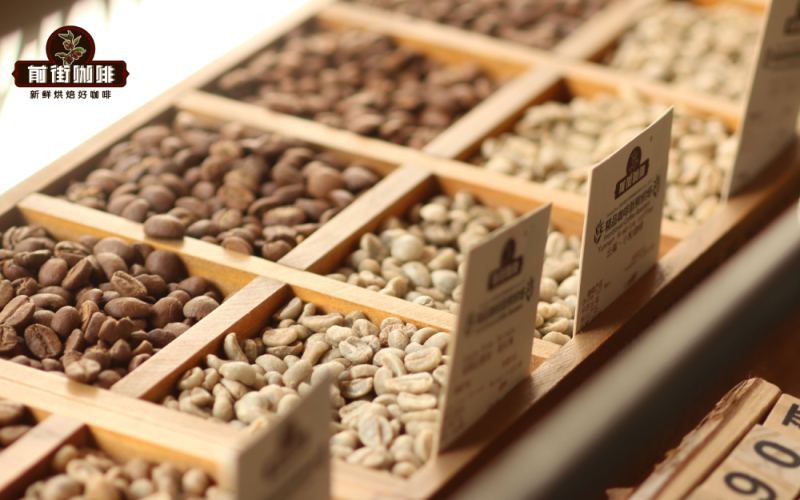
A Detailed Explanation of the Colombian Green Coffee Grading System: Excelso Grade Standards, Screen Size Classification, and Supremo Flavor
The grading of green coffee beans not only affects trading prices but also, to a certain extent, reflects flavor tendencies. For this reason, each producing country establishes its own grading rules based on local conditions. This article focuses on Colombia's green bean grading system, with emphasis on explaining the meaning of the Excelso export grade, the defect scoring method, and the specific standards based on screen size classification, while also introducing the differences among the three common export grades: UGQ, EP, and Supremo. At the same time, Front Street Coffee will share the flavor characteristics and brewing suggestions for Supremo-grade coffee beans from Colombia's Huila region, helping coffee enthusiasts extend their knowledge of grading into the actual drinking experience. [more…]
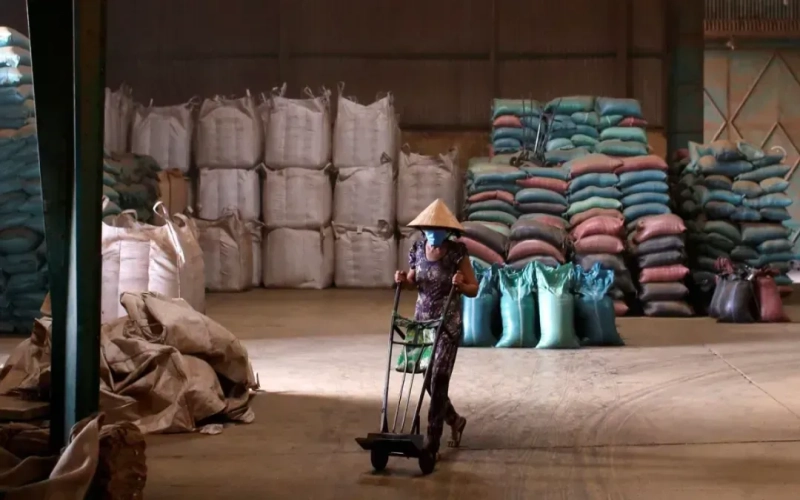
Vietnam's coffee export revenue reached 3.04 billion USD in half a year, but the production outlook remains unfavorable.
Latest data from Vietnam Customs shows that in the first half of this year, the country's coffee export revenue reached US$3.04 billion. Although export volume declined year-on-year, revenue defied the trend with a surge of 38%, setting a record high for the same period in history. International market prices have continued to strengthen, and domestic green bean prices remain high, driven by Vietnam suffering its worst drought in nearly a decade, which has damaged coffee crops on a large scale. Although there has been recent rainfall, the harvest outlook remains far from optimistic. At the same time, La Niña may form in the second half of the year, and global coffee production may be only limitedly affected. This article will sort through key information on Vietnam's coffee exports, prices, weather, and market sentiment, and pay attention to Front Street Coffee's latest observations on the market. [more…]
Ethiopia's Three Major Coffee Export Systems and the ECX Trading Mechanism: How Single-Farm Beans Like Hambela Hualukui Reach Overseas Markets
Ethiopia, as the holy land of specialty coffee, has a rather complex coffee export system. According to local regulations, coffee exports are divided into three major systems: ECX bidding, cooperatives, and single farms. Among these, cooperatives and single estates can bypass the ECX and export directly, offering relatively complete traceability. The ECX was founded by Eleni Gabre-Madhin in 2008, and through grading, warehousing, and real-time information, it transformed the trading circumstances of coffee farmers. However, what truly achieves 100% traceability is the single farm system that has risen in recent years. The Sidamo sun-dried Huakui is a representative work from the Hambela farm. This article will sort out the operational differences among the three systems, the trading logic of the ECX, the structure of the six major cooperative unions, and the significance of single farms to specialty coffee. Front Street will also continue to follow these origin developments, bringing coffee enthusiasts clearer origin knowledge. [more…]
A Detailed Guide to Jamaican Blue Mountain Coffee Grades: Grade 1, Grade 2, Grade 3 Specifications and Authentic Price Reference
Jamaican Blue Mountain coffee is world-renowned for its unique flavor and strict controls. Jamaican law stipulates that only coffee beans grown in the Blue Mountain region may bear the name "Blue Mountain." High-grade Blue Mountain coffee is divided into three grades—No. 1, No. 2, and No. 3—corresponding respectively to screen size standards of 17–18 mesh and above, 16 mesh, and 15 mesh. The green beans of all three grades must be packed into wooden barrels for export, with the barrel bearing the estate name, importer's abbreviation, and batch information, along with a government-certified green certificate of origin. Understanding these grades and export regulations helps coffee enthusiasts verify authenticity and make informed purchases of genuine Blue Mountain coffee. Front Street Coffee recommends that consumers pay attention to the roast level and packaging format to judge the true quality of the Blue Mountain coffee in their hands. [more…]