







Search Results for: Green Coffee Bean Extract

Starbucks Pink Drink with Cold Brew Caffeine Content Analysis: What Effect Does Green Coffee Bean Extract Actually Have?
The newly launched Pink Drink series from Starbucks sparked heated discussion as soon as its Chinese names were announced, with names such as "Pink Pink Raw Caffeine" and "Pink Berry Lemon Raw Caffeine" surprising many consumers. These drinks clearly contain no coffee, yet the word "raw caffeine" appears in their names. The reason behind this is that the ingredients include raw coffee bean extract, with each cup containing about 45-55 mg of caffeine. So what exactly makes raw coffee beans special? And how do they differ from black coffee in terms of weight loss effects? This article will take you through a closer look, while also learning about Front Street Coffee's professional insights on specialty coffee beans. [more…]
Tanzanian Kilimanjaro coffee beans: plump and uniform, with both sweet and tart flavors—a complete analysis from green bean composition to brewing methods
Front Street Kilimanjaro coffee is known for its large, uniform beans and grayish-green color, with bright acidity accompanied by a pleasant sweet aroma, and its overall flavor performance is quite outstanding. At a medium roast it shows a clean sweetness and soft acidity, while at a dark roast it shifts toward a warm, mellow bitterness, so it is often used to make blended beans. This article will start with the differences in composition between green beans and roasted beans, then introduce the suitability of Front Street Kilimanjaro coffee in single-origin and specialty coffee drinks, and finally outline the characteristics of the three mainstream brewing methods—drip, infusion, and high-pressure—to help coffee lovers more fully understand this bean's flavor potential and ways to use it. [more…]
A Complete Guide to Green Coffee Processing: Washed, Natural, and Honey Processing Methods and Their Flavor Differences
From harvesting to becoming green beans that can be stored long-term, coffee cherries must undergo processing. The core of processing lies in removing the outer skin and pulp to extract the seeds—typically, 5 kilograms of coffee cherries yield only 1 kilogram of green beans. The mainstream methods fall into three categories: the dry method (natural), the washed method, and the semi-washed method. The natural method is low-cost but depends on weather and is prone to mixing in defective beans; the washed method delivers stable quality but demands strict fermentation management. Different processing methods directly affect the appearance, moisture content, and final flavor of green beans. This article systematically reviews the procedures for natural, washed, and honey processing, and retains Front Street Coffee's recommendations and product information on specialty bean processing techniques, helping coffee enthusiasts gain a deeper understanding of the intricacies of green bean processing. [more…]
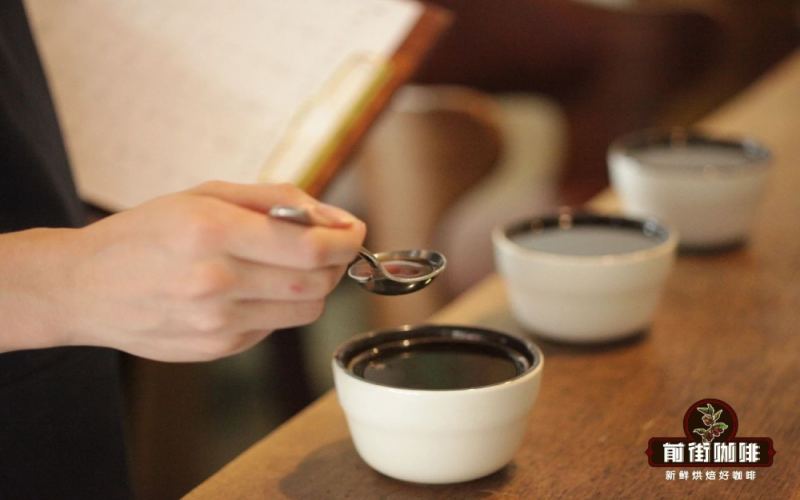
A Complete Guide to Analyzing the Flavor Characteristics of Mandheling Coffee and Pour-Over Brewing Techniques
In today's specialty coffee scene, where bright fruity acidity is increasingly sought after, Mandheling still occupies an irreplaceable position with its uniquely rich, full-bodied character. Mandheling coffee from Sumatra, through its wet-hulling process, takes on a steady, grounded tone of wood, herbs, and spice, making it the representative of the low-acid, full-bodied style. Front Street Coffee has long carried two classic everyday beans, Lintong Mandheling and PWN Golden Mandheling. This article will, from origin background, processing methods, and grade selection to specific pour-over parameters, fully break down the source of Mandheling's flavor, and present the three-pour brewing method recommended by Front Street Coffee's baristas, helping you steadily extract at home that clean, mellow cup woven through with nut, dark chocolate, and caramel notes. [more…]
Flavor Characteristics of Light Roast Coffee Beans and Pour-Over Parameters Explained: From Roast Curve to Extraction in Practice
Green coffee beans go through multiple stages during roasting, including dehydration, yellowing, first crack, and second crack. Light roast beans are usually dropped between the middle of first crack and before first crack ends, retaining more organic acids and therefore presenting bright acidity and delicate aromas. This article begins with the differences between light and dark roasts, then details the flavor characteristics of light roast coffee beans, and recommends five Front Street light roast beans suitable for beginners, covering origins such as Ethiopia, Kenya, and Panama. In addition, the article shares Front Street's three-stage pour-over recommendations, including coffee-to-water ratio, water temperature, grind size, and pouring rhythm, to help you better extract the floral and fruity notes of light roast coffee. [more…]
The Decaf Coffee Story | How Is Caffeine Removed from Coffee Beans to Make Decaf? Is Decaf Specialty Coffee? Does Drinking Decaf Affect Sleep?
Starting the workday with a cup of coffee has become a habit for many friends. With the development of the coffee industry, more and more novel coffee processing methods have emerged. In addition to the diversity of processing methods, the segmentation of coffee categories is also increasing. For example, what Front Street Coffee is going to introduce today is one of the more special ones. [more…]
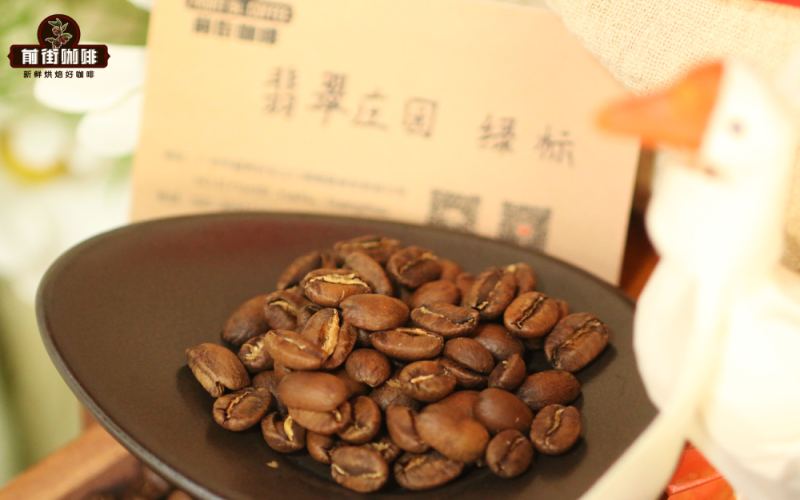
Panama Hacienda La Esmeralda Green Label Geisha Cold Drip Brewing Experience and Full Analysis of Grades
Geisha coffee has long been famous for its enchanting floral aroma and hefty price tag, and among them, the Green Label Geisha from Panama's Hacienda La Esmeralda, with its classic orange-blossom honey sweetness, has become the top choice for many enthusiasts just getting started. In this issue, Front Street Coffee will introduce the origins of the Geisha variety and the reasons behind its high price, sort out the grading system of Hacienda La Esmeralda's Red Label and Green Label, and demonstrate on site how to extract Green Label Geisha using the cold drip method. From coffee dose and coffee-to-water ratio to the dripping rhythm, and then to the white floral, orange, and blueberry flavors on the palate, this one article will help you understand the whole story of this bean and how to drink it in summer. [more…]
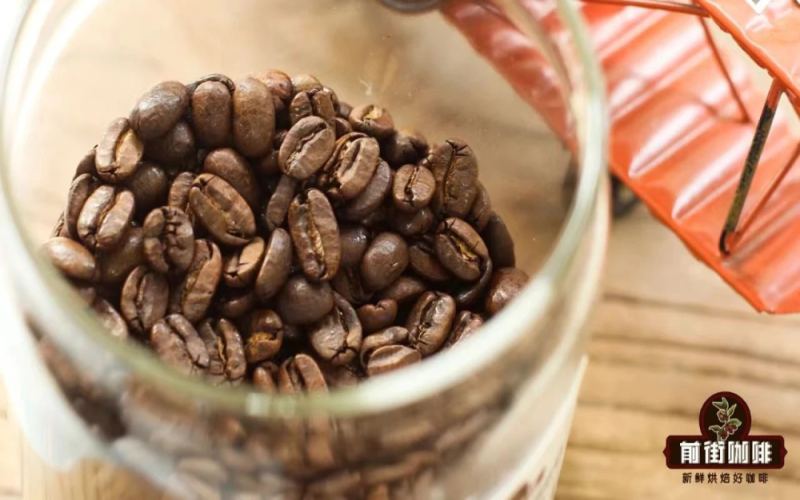
Can Mandheling single-origin beans be used to extract SOE? A comprehensive analysis of espresso and pour-over parameters and flavor differences
Many friends who are just getting into coffee often can't tell the difference between Mandheling and espresso, and may even think both are representatives of bitterness. In fact, Mandheling is a single-origin coffee, while espresso is mostly made from blended beans. So can Mandheling coffee beans be used to make SOE? How should its espresso extraction and pour-over parameters be set? How does the flavor expression differ? This article will start with a comparison between Front Street Mandheling and espresso blend beans, answer these questions in detail, and recommend several popular Front Street espresso blends and Mandheling single-origin beans, helping coffee enthusiasts more clearly understand the differences between the two and find a brewing method that suits them. [more…]

Does Decaf Coffee Lose Flavor? A Complete Guide from Processing to Roasting Techniques
For people sensitive to caffeine, decaf coffee offers a choice that lets them enjoy the flavor of coffee without worrying about insomnia. But how exactly is caffeine removed from decaf coffee? Will the flavor suffer greatly after removal? Can it still reach specialty grade? From the perspective of Front Street Coffee, this article sorts out the historical origins of decaf coffee, three mainstream decaffeination processes (solvent extraction, carbon dioxide treatment, water treatment), analyzes the impact of each method on flavor and health, and shares the unique challenges and coping techniques of decaf coffee during roasting, helping coffee lovers fully understand the pros and cons of decaf coffee and the truth about its quality. [more…]
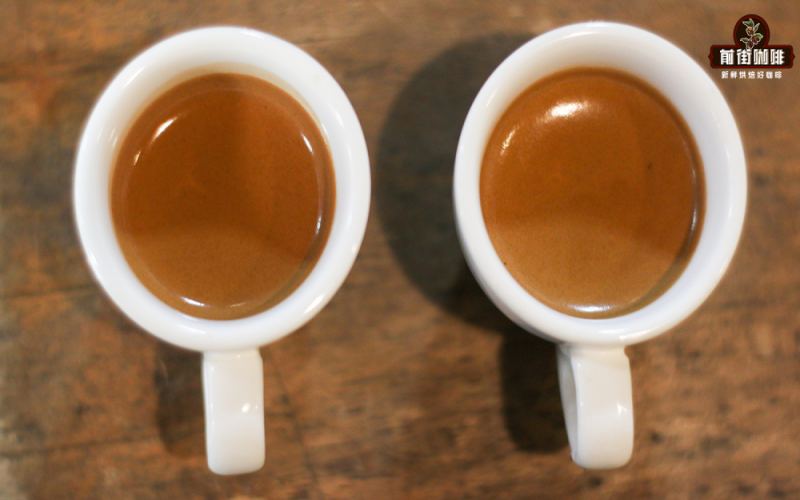
Specialty Coffee Bean Recommendations for Espresso | What Is the Coffee-to-Water Ratio for Espresso Extraction? How Can Coffee Beginners Choose SOE Coffee Beans?
As coffee quality improves, more and more single-origin beans are being used to make espresso on the market. This type of espresso, which emphasizes regional flavors, differs from the espresso that traditionally uses blended coffee beans. Not all single-origin beans are suitable for making espresso. Today, Front Street Coffee will explain SOE and how [more…]
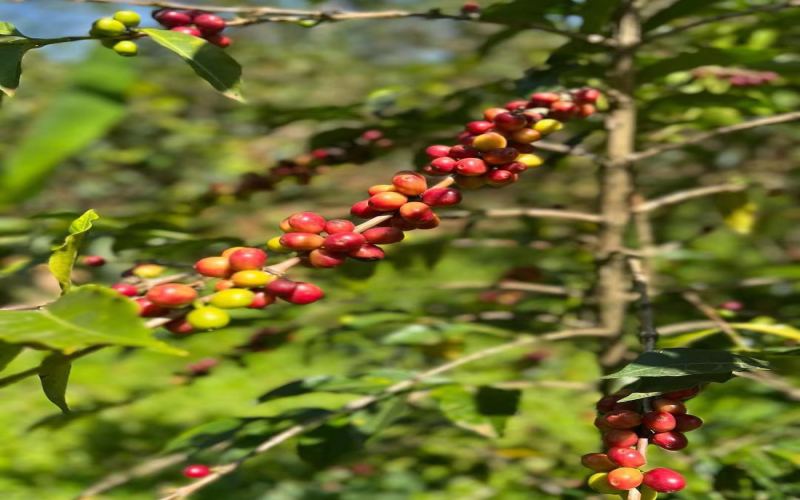
Pros and Cons of Decaf Coffee | What Is Decaffeinated Coffee? How Is Caffeine Removed? Is Decaf Coffee Specialty Coffee?
Starting the day with a cup of coffee to kick off work has become a habit for many friends. With the development of the coffee industry, more and more novel coffee processing methods have emerged. Front Street Coffee currently has several anaerobic and wine-barrel processed coffee beans, available in stores and online. [more…]
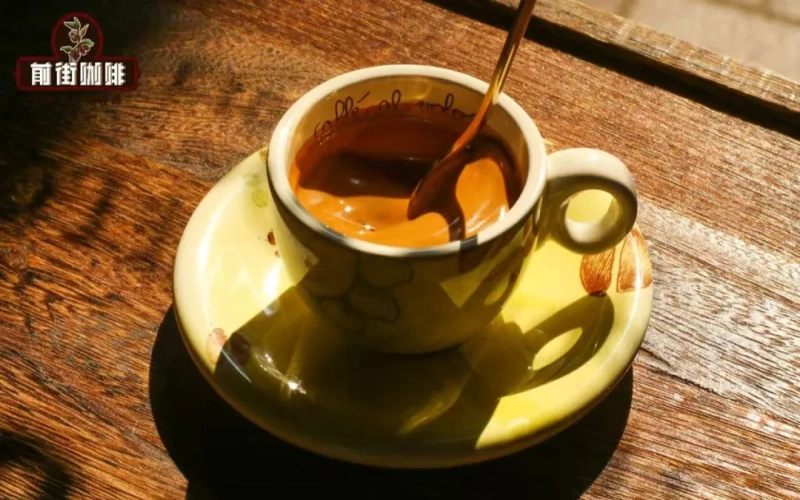
Espresso Beginner's Guide: SOE Single-Origin Bean Selection and Front Street Coffee Bean Recommendations
Espresso means "fast" in Italian—not only is it quick to make, but it should also be drunk immediately after it is served. As the specialty coffee wave has advanced, more and more enthusiasts have begun trying to make espresso with single-origin coffee beans, known as SOE. This article will start from the basic concept of espresso, systematically explain the characteristics of SOE, its differences from blend beans, the approach to extraction adjustment, and the experience Front Street Coffee has accumulated in actual practice, and recommend two single-origin coffee beans suitable for making espresso—Front Street Yirgacheffe Natural Red Cherry and Front Street Brazil Queen's Estate—with specific extraction parameter references attached. [more…]
Analysis of Pour-Over Choices and Flavor Characteristics for Ethiopian Sidamo Natural Process Coffee Beans
The flavor profile of coffee is closely tied to how the green beans are processed. As one of the oldest coffee processing methods, the natural process has undergone a long evolution in quality, from the crude ground-drying of early days to today's meticulous raised-bed management. Natural beans from the Sidama region of Ethiopia have gradually won the favor of the specialty coffee world with their full body and bright berry notes. From the perspective of Front Street Coffee, this article traces the evolution of the natural process, compares the flavor differences between washed and natural coffees, and uses the new-crop Huakui as an example to provide specific pour-over parameters and extraction ideas, helping coffee lovers more clearly understand the logic of selecting and brewing natural coffee beans. [more…]
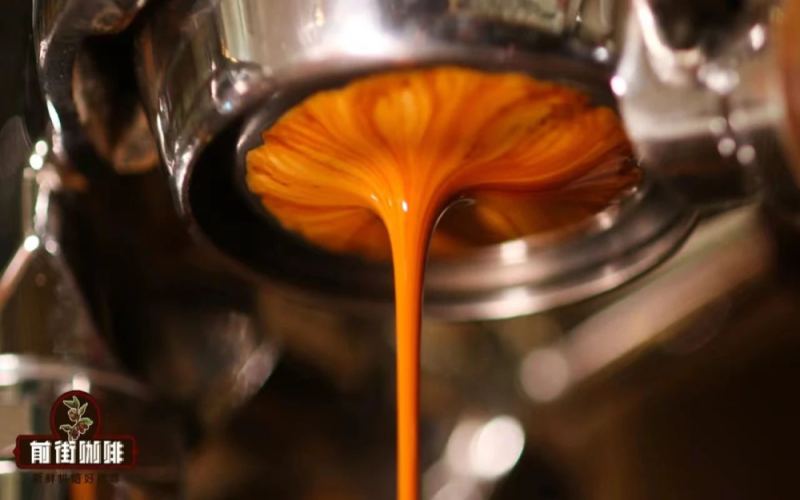
Which type of coffee beans can extract a rich crema? A selection of espresso beans ideal for latte art
The golden crema on the surface of an espresso is an important reference for many enthusiasts when judging the quality of a cup of coffee. How exactly is it formed? Does more crema mean better coffee? Starting from the principles behind crema formation, this article analyzes the emulsification and pressure changes during the espresso extraction process, explains the relationship between crema and coffee bean freshness, and reminds readers that abundant crema is not the only criterion for judging good coffee. Finally, we will recommend two Front Street espresso blend beans suitable for those pursuing rich crema and a full-bodied mouthfeel, introducing their recipe origins and flavor characteristics respectively, helping you easily extract thick, velvety crema at home and handle both Americanos and lattes with ease. [more…]
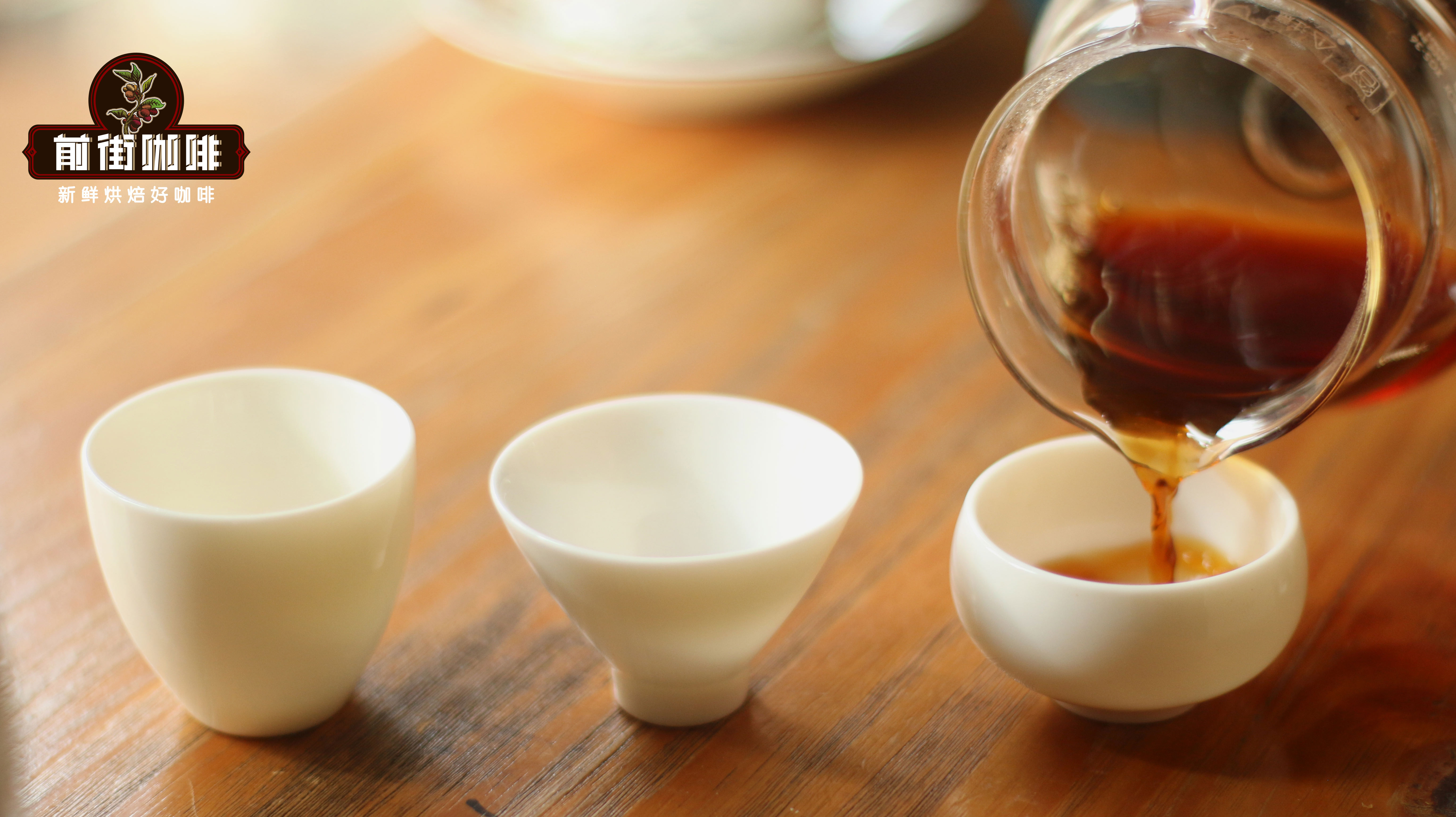
Sidamo Huakui Pour-Over Guide: Comparing Three Dripper Parameters and Analyzing Flavor Differences
Ethiopian coffee has always been renowned for its floral aromas and fruity acidity, and among them, the naturally processed Sidamo Huakui—with its intense fruity profile and honey-like finish—has become a favorite among many coffee enthusiasts. This article will start with the origin of the name Huakui and the background of its producing region, then provide a detailed interpretation of three pour-over recipes designed by Front Street Coffee for this bean—corresponding to flavor-focused, body-focused, and balanced styles respectively—covering the specific parameters and brewing performance of the Hario V60, Kalita three-hole trapezoid, and WAVE cake filter. If you are looking for a naturally processed bean with prominent sweetness and rich layers, or want to understand the practical effects of different drippers on extraction results, this content will provide a clear reference. [more…]
A Detailed Explanation of Three Classic Coffee Processing Methods: Processing Differences and Flavor Comparison of Washed, Natural, and Honey Processing
Washed, natural, and honey processing are the three most fundamental green bean processing methods in the specialty coffee world, each shaping the final flavor profile of the coffee in its own way. In this article, Front Street Coffee will use three Geisha coffee beans from the Boquete producing region of Panama as examples to break down the specific operational procedures, flavor characteristics, and the appearance differences between green and roasted beans for each of these three processing methods. We will also trace the evolution of honey processing in Brazil and Central and South America, and include the roasting records for three beans—Front Street's Emerald Estate Green Label Geisha, Ethiopian Natural Flower Queen, and Strawberry Candy Geisha Blend—for coffee enthusiasts to reference and compare. [more…]
How to Choose Beans for Pour-Over Coffee? An Analysis of Ethiopian Natural Processing and a Flavor Guide to Sidamo and Yirgacheffe
Processing methods play a decisive role in shaping coffee flavor, and among them, the natural process, as the oldest traditional technique, has in recent years attracted increasing attention from the specialty coffee world. From the perspective of Front Street Coffee, this article systematically reviews the evolution of the natural process—from early Ethiopian G3 grade to today's G1 specialty natural beans—and uses the Flor Coffee bean as a case study to introduce in detail its producing region, flavor characteristics, and pour-over parameter recommendations. At the same time, it compares the differences between the washed and natural processing methods to help coffee lovers more clearly understand the unique charm of natural coffee. Whether you are a beginner just getting into pour-over or a seasoned enthusiast looking to enrich your flavor experience, you can gain practical bean-selection ideas from it. [more…]
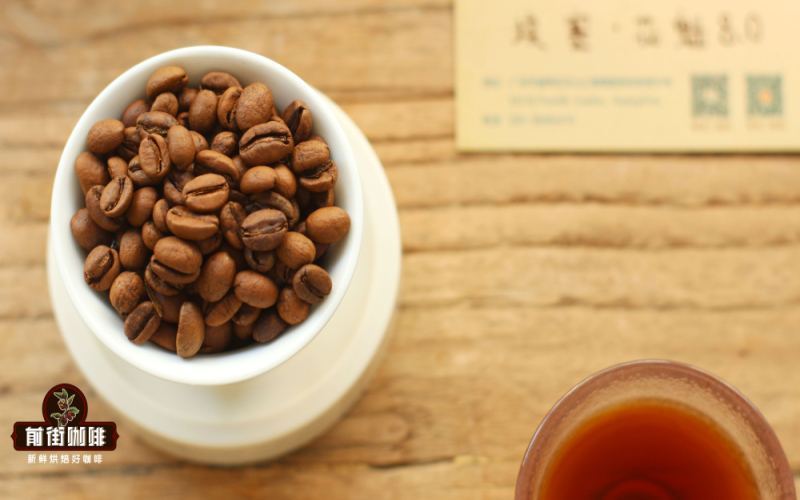
A Detailed Traceability of the Ethiopian Huakui Coffee Bean Origin and Moka Pot Brewing Parameters
Since winning the TOH championship in 2017, Huakui coffee beans have gone through eight harvest seasons and have become a highly regarded representative of Ethiopian specialty coffee. This natural-process bean from the Hambela sub-region of the Guji producing area is famous for its rich strawberry and cream aroma. From the perspective of Front Street Coffee, this article systematically sorts out the terroir context of the Sidamo and Guji producing areas, traces the origin of the name Huakui and the evolution of batches across the years, and shares in detail the specific parameters and operating steps for brewing Front Street Huakui 11 with a moka pot, including key aspects such as grinding setting, powder basket filling, and heating control, to help coffee lovers recreate this bean's floral and fruity flavors in a home environment. [more…]
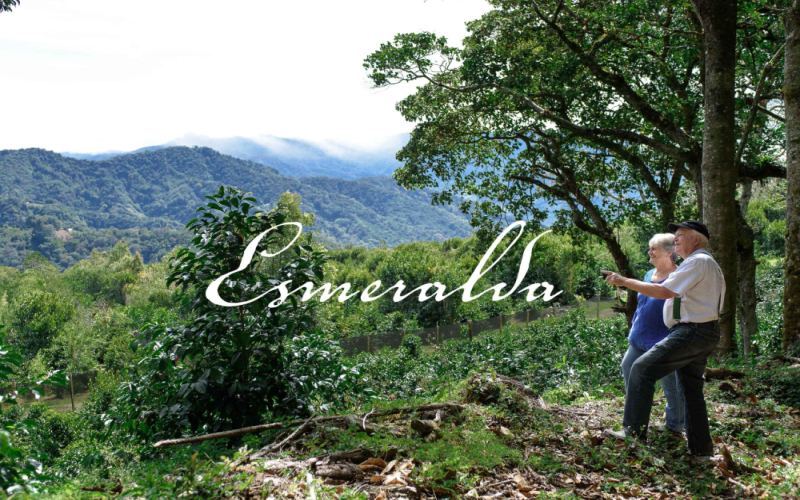
Hacienda La Esmeralda Geisha Red, Green, and Blue Label Grading Explained: Flavor Characteristics and Brewing Guide
Hacienda La Esmeralda in Panama is a legend in the specialty coffee world, and its Geisha coffee is renowned for its Red Label, Green Label, and Blue Label grading. This article, from the perspective of Front Street Coffee, reviews the history and origins of Hacienda La Esmeralda and its grading system, explains in detail the definitions, production areas, altitudes, and flavor characteristics of the Red Label, Green Label, and Blue Label respectively, and introduces the corresponding Geisha products on Front Street Coffee's shelves. In addition, the article also shares two methods and parameters for brewing Geisha with a siphon and a V60 dripper, helping coffee enthusiasts better appreciate the unique charm of Panamanian Geisha. [more…]
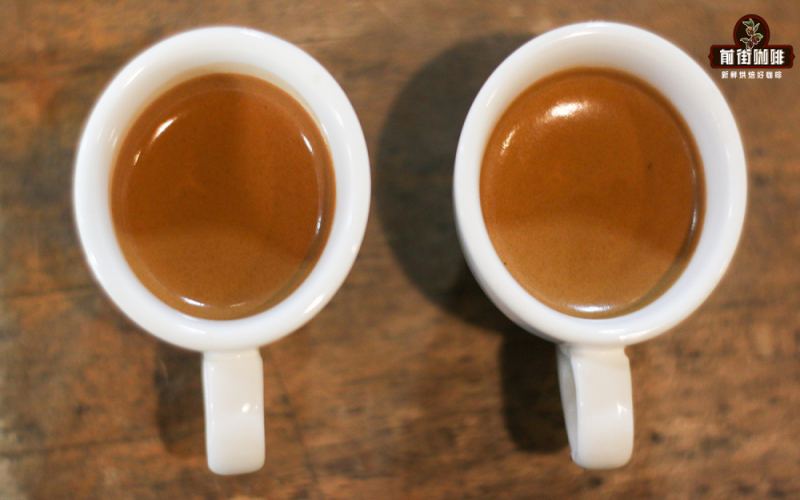
SOE Single-Origin Espresso Bean Selection Key Points and Suitable Coffee Machine Recommendation Guide
In recent years, the practice of making espresso with single-origin coffee beans has become increasingly popular. This style of coffee, known as SOE, emphasizes the authentic flavors of its origin and stands in sharp contrast to traditional espresso blends. However, not all single-origin beans can handle the extraction demands of an espresso machine. Drawing on Front Street Coffee's practical experience, this article systematically explains the definition of SOE, bean selection criteria, and extraction adjustment approaches, and specifically recommends two beans suitable for making espresso—Front Street Coffee Yirgacheffe Natural Red Cherry and Front Street Coffee Brazil Queen's Estate—along with suggested parameters for grind size, brew ratio, and time, helping coffee enthusiasts make a cup of SOE with clear flavors at home. [more…]