







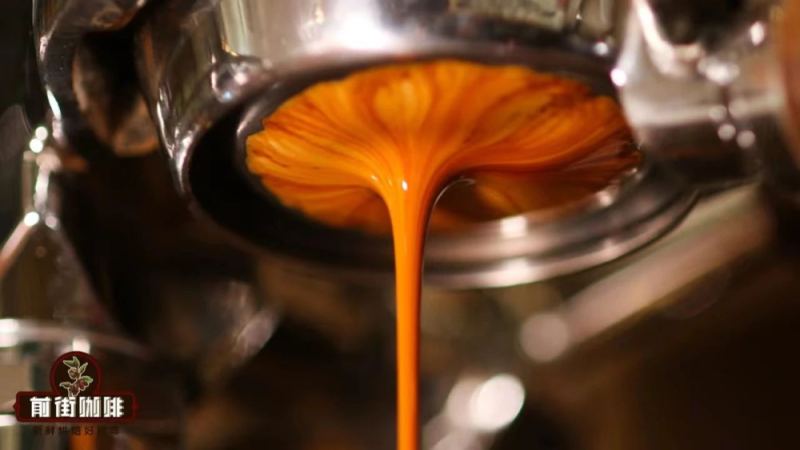
Which coffee beans help espresso build a rich crema?
Crema forms when hot water under roughly 9 bar of pressure emulsifies oils and gases from the coffee grounds. A typical espresso uses 18 to 20 grams of grounds to yield 35 to 40 grams of liquid, topped by a golden to chocolate-colored layer. Bean quality, grind size, oil content, and barista technique all affect how much crema appears.
Freshness matters, but a thick layer is not proof of a good cup. Single-origin arabica coffee bean lots and blends differ in oil content and flavor, so espresso blends are often chosen for body and latte art. Drip coffee has no comparable layer, while espresso-based drinks rely on that extracted base for fullness and a longer finish.
That golden layer of crema on the surface of an espresso is an important reference for many enthusiasts when judging the quality of a cup of coffee. How exactly does it form? Does more crema mean better coffee? This article starts from the principles behind crema formation, analyzes the emulsification and pressure changes during espresso extraction, explains the relationship between crema and coffee bean freshness, and reminds readers that abundant crema is not the only criterion for judging good coffee. Finally, we will recommend two Front Street espresso blend beans suited to those pursuing rich crema and a full-bodied mouthfeel, introducing their blend origins and flavor characteristics respectively, helping you easily extract dense crema at home and handle both Americano and latte with ease.
For more specialty coffee knowledge, please follow the WeChat official account: Front Street Coffee (FrontStreet Coffee)
Whether an espresso can show a distinct layer of crema depends on whether the coffee bean quality is excellent, whether the grind size is appropriate, whether the oil content is sufficient, and whether the barista's operation is skilled. Compared with drip coffee, this layer of crema gives espresso a fuller taste and a longer-lasting finish.
The espresso drinks people consume daily are almost all based on espresso, so a good-tasting espresso can absolutely be regarded as the essence of coffee. When it comes to espresso, crema is a core indicator that simply cannot be avoided. It not only gives espresso an important visual characteristic, but also, to a certain extent, influences the direction of the flavor and the layers of the mouthfeel. So, what exactly is this layer of crema?
The Formation Mechanism of Crema
To understand how crema is produced, you first need to understand the extraction principle of espresso. Taking a professional espresso machine as an example, use 18 to 20 grams of coffee grounds and extract 35 to 40 grams of espresso under 9 atmospheres of pressure (that is, 9 Bar). High temperature, high pressure, and suitable coffee grounds together produce a cup of espresso.
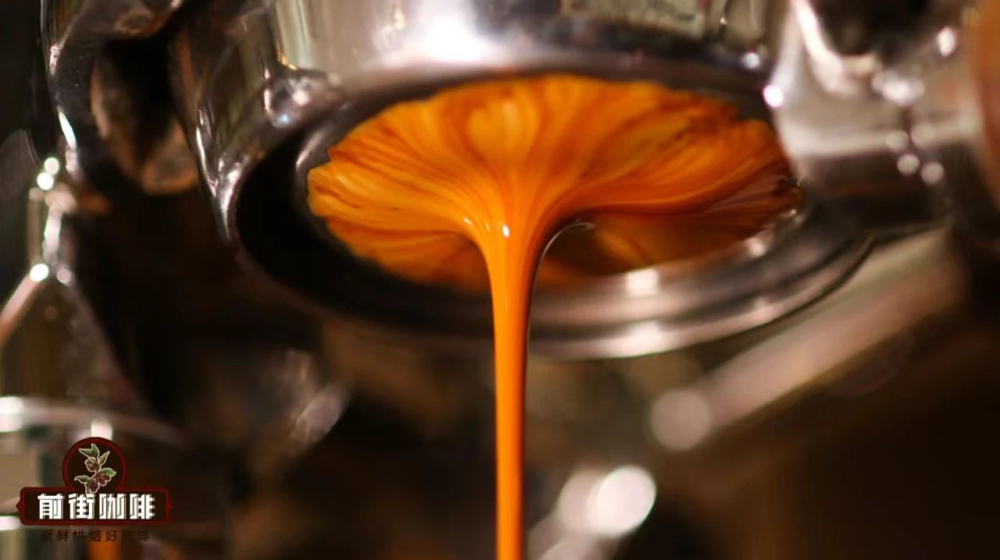
Freshly extracted espresso will be covered with a layer of crema ranging from golden yellow to chocolate color, and this layer of crema is closely related to pressure. Under conditions of rising temperature and increased pressure, water extracts the soluble components from the coffee grounds, and this process emulsifies the fats and oils naturally contained in coffee. At the same time, freshly roasted coffee beans contain carbon dioxide inside, and when extracting espresso, these gases dissolve into the coffee under pressure. However, when hot water passes through the coffee puck and flows out from the portafilter basket, the pressure suddenly drops from 9 atmospheres back to normal 1 atmosphere. It is precisely because of this pressure difference that carbon dioxide rapidly expands, and the oils take the opportunity to wrap the bubbles inside. Combined with the physical property that oil is lighter than water, it finally floats to the surface to form what is called crema.
Espresso with Lots of Crema
Crema can reflect the original state of green coffee beans. The richer the crema, the higher the natural oil content of the coffee beans, and the fresher the beans. But it should be noted that coffee with crema is not necessarily an excellent espresso; for example, Robusta coffee beans have quite considerable crema.
Espresso is actually the most direct and simplest carrier for presenting coffee's true flavor, so factors such as poor bean quality, improper grinding, inadequate tamping, incorrect machine operation, and extraction time being too short or too long will all influence the flavor of an espresso. So next time you taste espresso, there is no need to rush to judge the coffee's quality solely by the crema.
An ideal espresso should have a balanced taste, be round and smooth on the palate, and display the distinctive flavors of its origin (such as fruity acidity and floral aromas), definitely not mere bitterness. Remember to sip slowly in small mouthfuls and carefully appreciate the flavors within; perhaps from then on you will fall in love with espresso.
Recommendations for Coffee Beans with Lots of Crema
The flavor of coffee beans can very intuitively determine the flavor direction of an iced latte. Most espresso blend coffee beans will give an iced latte a rich style highlighted by nuts, chocolate, and coffee notes; a small number of coffee beans can also bring out the sweetness and richness of the milk in an iced latte.
Front Street has specially created two espresso beans for customers who love crema and a full-bodied mouthfeel.
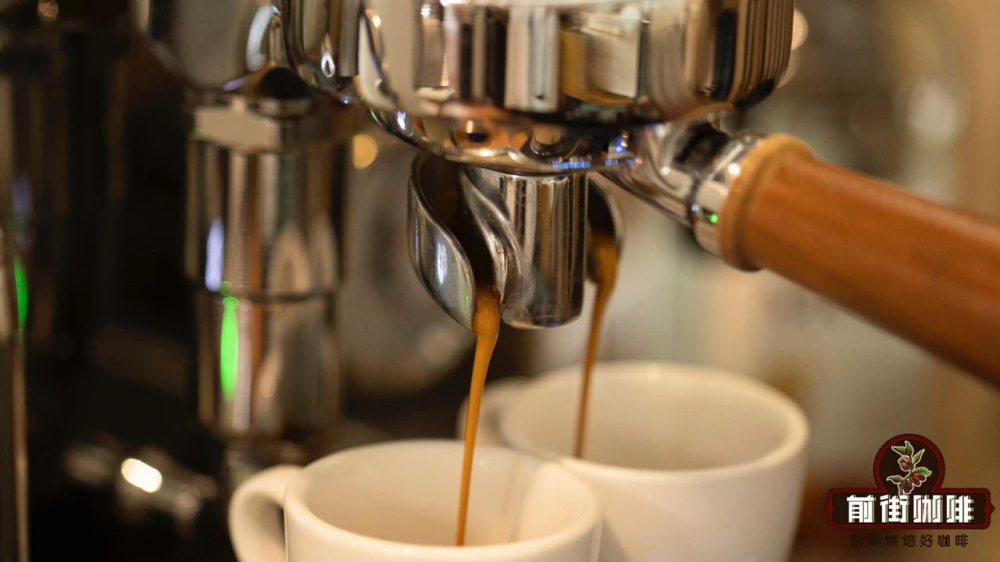
One of them is Front Street Commercial Blend Espresso Coffee Beans, made from a combination of Arabica coffee beans from Brazil and Colombia with Vietnamese coffee beans. The extracted espresso is very silky, with rich crema and an especially intense mouthfeel.
The other is Front Street Classic Blend Espresso Coffee Beans. It is blended from three origins: Brazil, Sumatra in Indonesia, and Vietnam. It uses a deep roast, which can highlight the mellow aroma of coffee to the greatest extent, and also allows everyone to easily extract rich and dense crema. It is very suitable whether making an Americano diluted with water or a latte paired with milk.
The above content is compiled by CoffeeHunters, a coffee news website.


