







How Do La Esmeralda Geisha Coffee Grades Differ?
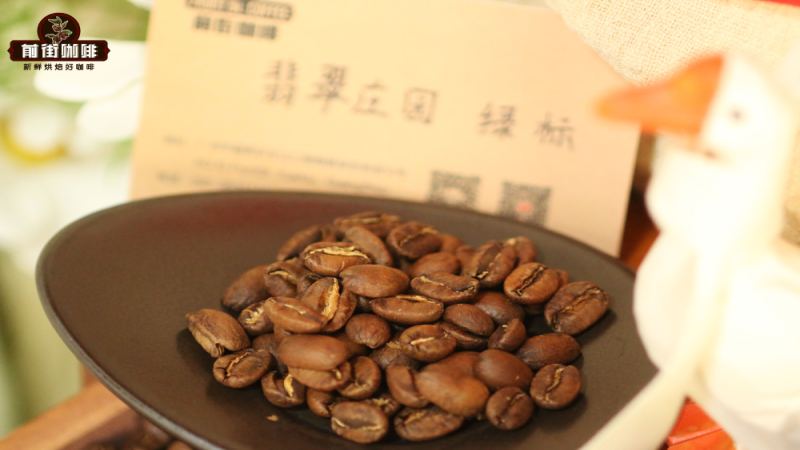
Panama's Hacienda La Esmeralda splits its Geisha into grades, with Red Label (Esmeralda Special) at the top and Green Label second, once called Private Collection. Green Label, a washed Geisha, shows orange-blossom honey, white floral, orange, and blueberry notes, making it a common entry point for drinkers new to the variety. Cold drip suits its delicate aromatics.
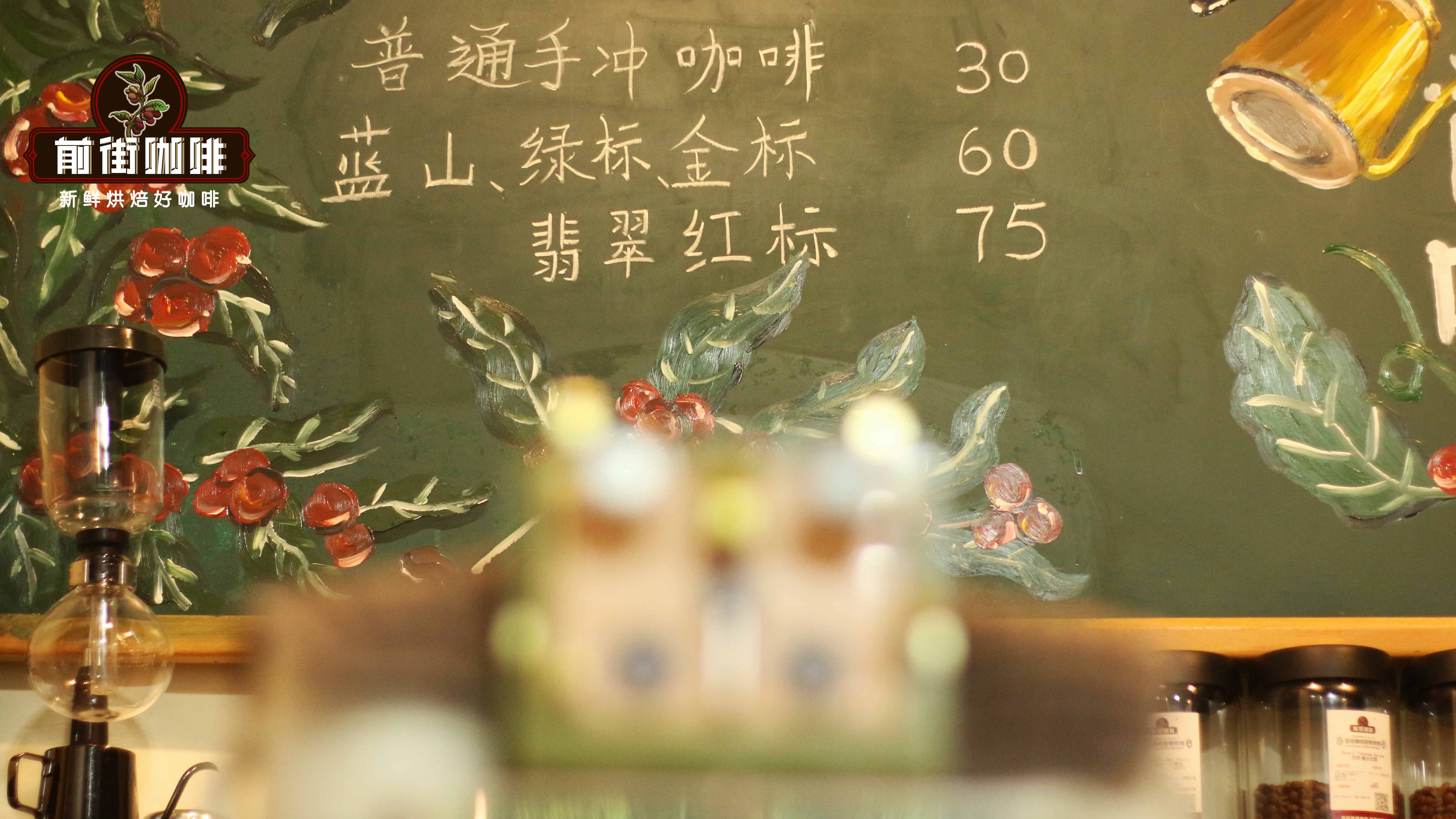
The Geisha variety was found in Ethiopia's Geisha forest in 1931, reached Kenya's coffee research station, then spread to Uganda, Tanzania, and Costa Rica by 1953. Pricing reflects that scarcity: Red Label runs about 350 yuan per 100 grams, roughly 75 yuan per pour-over cup, while Green Label costs 168 yuan per 100 grams, about 60 yuan per cup. Coffee association grading standards help explain the labels.
Geisha coffee has always been famous for its captivating floral aroma and hefty price tag, and among them, the Green Label Geisha from Panama's Hacienda La Esmeralda, with its classic orange-blossom honey charm, has become the top choice for many enthusiasts just getting started. In this issue, Front Street Coffee will introduce you to the origins of the Geisha variety and the reasons behind its high price, sort out the grading system of Hacienda La Esmeralda's Red Label and Green Label, and demonstrate on site how to extract Green Label Geisha using the ice drip method. From coffee dose and coffee-to-water ratio to the dripping rhythm, and on to the white floral, orange, and blueberry flavors on the palate, this one article will help you understand the whole story of this bean and how to enjoy it in summer.
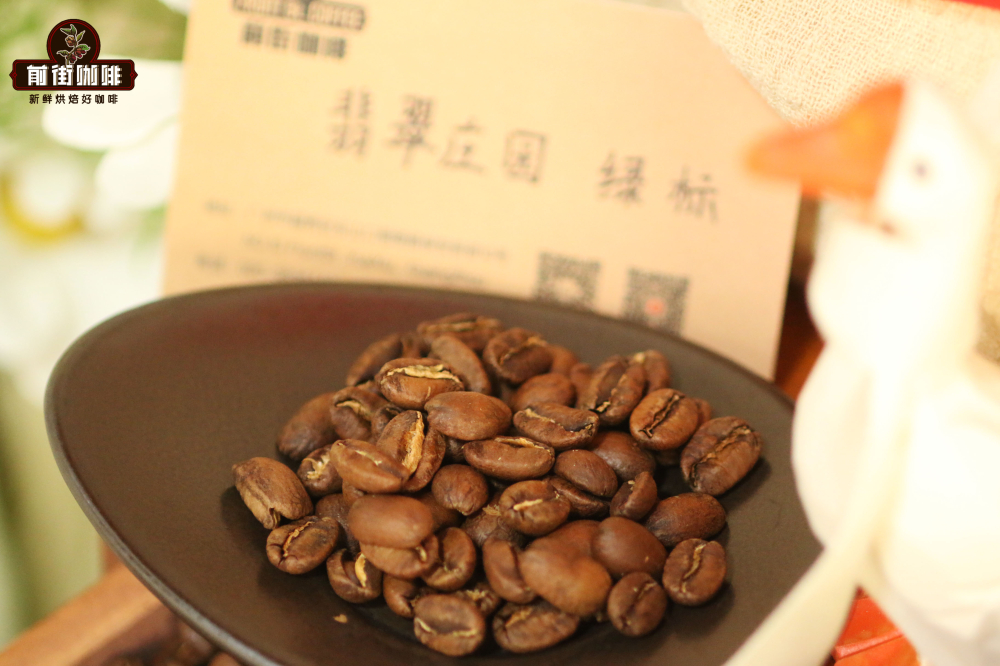
When it comes to Geisha coffee, many friends have surely heard of its great name. Besides its delicate and elegant aroma, what is mentioned most is probably its high price and the endless brewing methods it inspires. Today, Front Street will talk about why this bean sells for so much and how it is best made.
What exactly is Geisha?
Unlike coffees named after their origins, such as Yirgacheffe, Blue Mountain, and Kona, Geisha is actually a branch within the large Arabica family of varieties. With its rich and elegant floral aroma, citrus notes, and layered complex fruit flavors, it has left a deep impression on countless people and is unforgettable after just one taste.
On Front Street's bean list, there are about 10 options available in the Geisha category alone. If you are trying Geisha for the first time, Front Street would first recommend Hacienda La Esmeralda's naturally processed Red Label or washed Green Label. Red Label, or Esmeralda Special, is the highest-grade Geisha at the estate, priced at 350 yuan per 100 grams, equivalent to about 75 yuan per pour-over cup; Green Label is the second-highest grade, formerly called Private Collection, with beans priced at 168 yuan per 100 grams, corresponding to about 60 yuan per pour-over cup.
Why is Geisha so expensive?
According to Front Street's research, Geisha was discovered in 1931 in the Geisha forest of Ethiopia and was later sent to a coffee research institute in Kenya. During this period, the Geisha variety was also introduced to Uganda and Tanzania. In 1953, Costa Rica also introduced Geisha, and it was not until the 1970s that Geisha seeds finally took root in Panama. It is fair to say that being able to drink a cup of Geisha today has been hard-won.
As the saying goes, things are precious when they are rare. Geisha's yield is extremely low. Panama's total annual coffee production is about 10,000 tons, while the renowned Hacienda La Esmeralda produces only 150 bags of green beans each year, about 9,000 kilograms. If Geisha is calculated as only 3% of total production, that is just 270 kilograms. Add to that the hype and promotion of Geisha's flavors by various media, and enthusiasts' enthusiasm for it only keeps growing, so its price naturally remains high.
When it comes to Geisha's reputation today, Front Street believes a large part of the credit goes to Panama's Hacienda La Esmeralda. Daniel, the third-generation owner of the estate, once said that after years of comparison and testing, he finally identified this variety in 2003. Just two weeks before the 2003 Best of Panama competition (BOP) began, while selecting competition lots on the internal cupping table, he discovered that Geisha had outstanding flavors of jasmine, citrus, peach, blueberry, bergamot, and sugarcane. These flavors were not aligned with the popular preferences in the coffee world at the time, but Daniel still insisted on entering Geisha in the competition and took first place in one stroke.
In 2005, Hacienda La Esmeralda brought Geisha to the Specialty Coffee Association of America (SCAA) competition, defeated many star contenders, won the honor of world-class specialty coffee, and went on to take the world championship in 2006 and 2007 consecutively, once again attracting the attention of coffee people around the world. After that, coffee-producing regions everywhere introduced Geisha one after another, including Yunnan Province in China, which also began growing this popular variety. Although Geisha can now be produced all over the world, Front Street believes that as the discoverer of Geisha's flavor, Hacienda La Esmeralda not only checks coffee quality at every level, but its natural processing method also best presents the classic "Geisha taste."
How should Green Label Geisha be enjoyed?
As a Geisha lot that does not participate in bidding but is still outstanding in quality, Green Label is harvested from a blend of Geisha beans from different plots within the two main estates at altitudes of 1,600 to 1,800 meters. With its classic orange-blossom honey charm, it has become the top choice for many Geisha fans with limited budgets. And starting in 2022, Hacienda La Esmeralda began labeling the growing plot information for Geisha lots of this grade, namely whether they come from Jaramillo, Canas Verdes, or El Velo .
According to information disclosed on Hacienda La Esmeralda's official website, Green Label Geisha from different plots shows its own unique main flavor direction due to terroir differences. Green Label from the Jaramillo plot carries intense jasmine and rose; Green Label from Canas Verdes has a fuller tropical fruit mouthfeel; and Green Label from El Velo has lemongrass and floral notes. Front Street's Emerald Green Label uses washed processing, and whether it is the dry aroma after grinding, the brewing process, or the mouthfeel on the palate, it can display a clear and serene floral-fruity profile. Below, Front Street will extract this bean using the ice drip method.
Does Panama Geisha taste good as ice drip?
Brewing parameters: Coffee dose 60g, coffee-to-water ratio 1:10, water-to-ice ratio 1:1, total coffee liquid 600ml, grind size slightly finer than granulated sugar
Illustrated ice drip brewing method
First, place a filter paper at the bottom of the coffee powder holder, wet it with water, then use a stirring rod to press it down so it fits tightly. Next, put the freshly ground coffee powder into the powder holder, shake it to level the surface, then cover the surface with another filter paper and place it into the stand. Add ice and water to the water container in proportion, and stir to combine. Adjust the valve so the water first quickly wets all the coffee grounds, similar to a blooming step; after everything is wet, adjust the valve again and control the drip speed at 5 to 7 drops every 10 seconds, then wait for the coffee liquid to finish dripping. After dripping is complete, put the coffee liquid into a sealed bottle and place it in the refrigerator to ferment for 2 days before drinking.
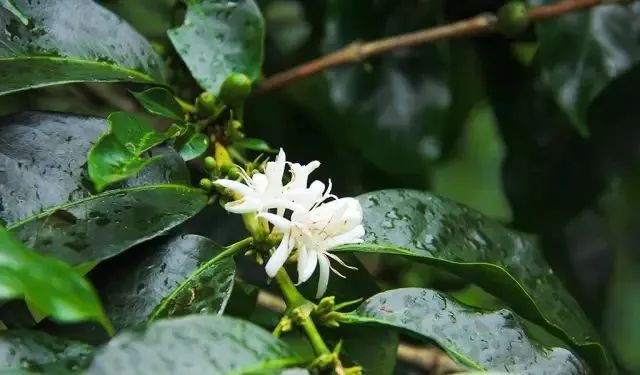
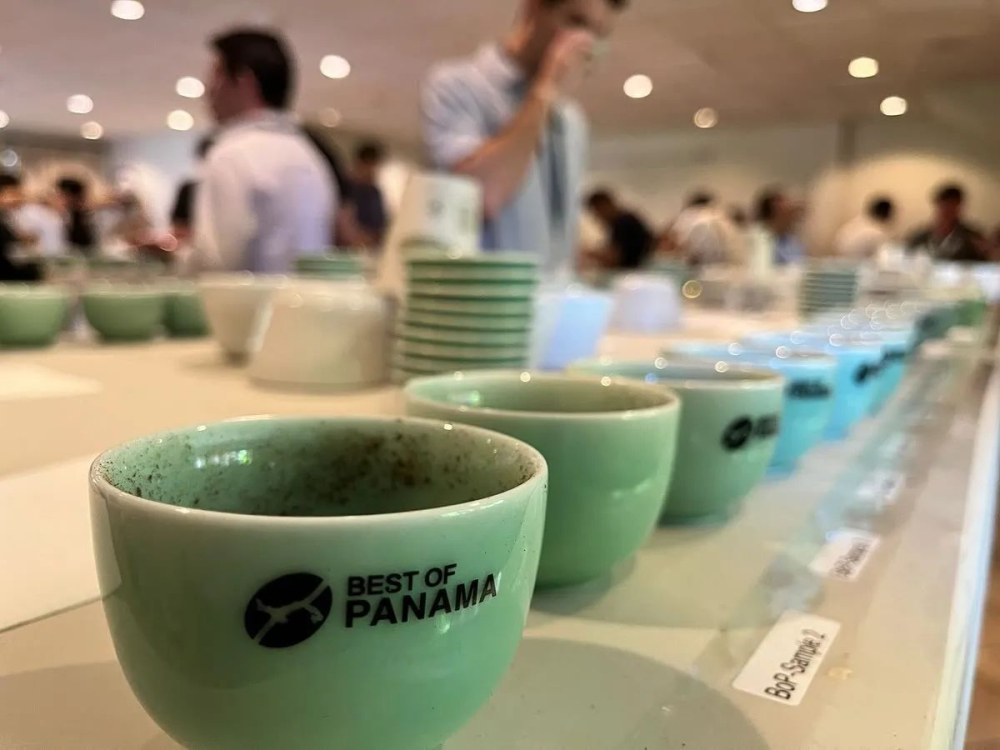
The Emerald Green Label Geisha ice drip coffee made this way has flavors of white flowers, orange, blueberry, and green tea on the palate, with a delicate and light mouthfeel, clean and free of off-flavors. With the help of ice, it is even more refreshing and soft, absolutely deserving to be called a great summer treat.
However, Front Street still wants to remind all friends who like iced coffee that, for the sake of flavor experience and health and safety, whether it is ice drip or cold brew, Front Street recommends drinking any extraction method carried out in a low-temperature environment within 5 days (counting from the production date).
The above content is compiled by CoffeeHunters, a coffee news website.


