







Search Results for: Grapefruit C Iced Tea

Luckin's Pomelo C Series is hailed as a fat-burning miracle, but testing shows that although its calories are low, it raises blood sugar fairly quickly, so those trying to lose fat should be cautious.
After the Luckin Yuzu C series returned, it quickly became popular, and many people on social platforms have hailed it as a "fat-flushing miracle," with claims even circulating that "one cup can make you lose two jin." However, actual test data show that although a single cup of the Yuzu C series contains about 105 to 150 calories, blood sugar rises fairly quickly after drinking it, and the blood sugar increase of Yuzu C Iced Tea can reach 5.1 half an hour after a meal. In addition, the formula contains high-fructose corn syrup and white granulated sugar, so so-called 0 fat does not equal low sugar. For people who need to lose fat or control blood sugar, this drink may not only fail to help with weight loss, but may instead promote fat synthesis and increase hunger due to a large secretion of insulin. This article, combining netizen reviews and formula information, restores the true picture of the Luckin Yuzu C series. [more…]
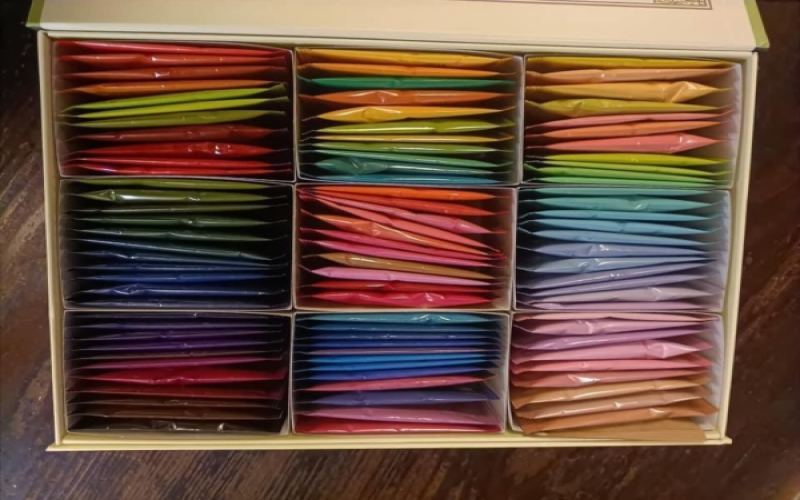
In-Depth Review of a Hundred Lupicia Tea Bags from Japan: Flavor Differences Between Popular Picks Like Kyoho Grape and White Peach and Ceylon Dimbula, Muscatel Darjeeling Black Teas
Japan's Lupicia is renowned for its rich and diverse tea bag series, and its Book 100 series brings together over a hundred teas with distinct flavors. Starting from the top 10 popularity ranking, this article reviews signature offerings one by one, including Kyoho, White Peach Oolong, and TOKIO Tokyo Wild Berry, while also taking an in-depth look at the flavor differences between Ceylon Dimbula and Darjeeling black tea. At the same time, it analyzes the real performance of specialty teas such as Nilgiri, deep-steamed sencha, and Cherry Black Tea. Whether you are a beginner just getting into Lupicia or a seasoned tea drinker looking for an everyday staple, this review can help you find the one that suits you best. Front Street Coffee will also combine tasting experience to share practical advice on selecting and brewing. [more…]
Kenya AA Gichugu Coffee Beans: Origins, Variety Characteristics, and Flavor Profile Fully Explained
Kenya AA Nyeri Gichathaini Specialty Coffee Beans, with the two legendary varieties SL-28 and SL-34 and unique terroir, have become a sought-after treasure for coffee connoisseurs worldwide. From Ethiopia to Yemen, and then to the introduction of Brazilian Bourbon seeds, Kenyan coffee has gone through more than a century of evolution. This article will guide you through its origin and development, detail its blackberry and grapefruit-like fruity flavors, and help you master the most suitable brewing temperature and drinking rhythm. It will also introduce the auction system of the Kenya Coffee Board and the changes in production and prices worldwide. At the end, there is also a medium-light roast profile recommended by Front Street Coffee to help you unlock the best performance of these beans. [more…]
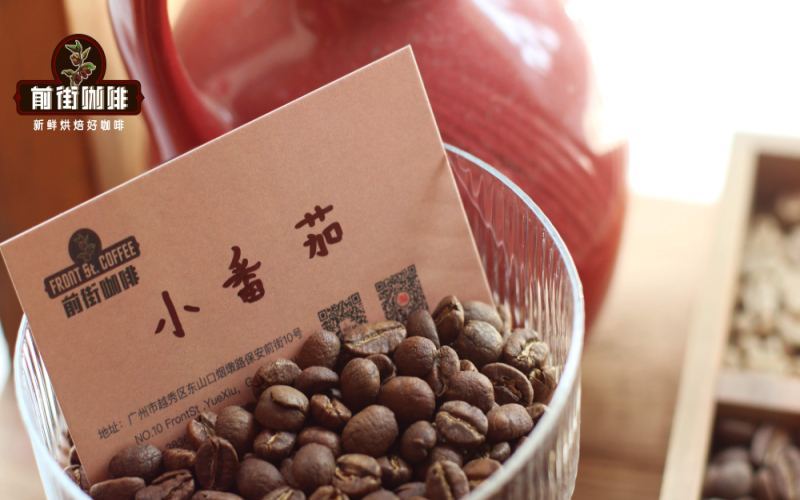
Kenyan Coffee Flavor Analysis: From K72 Washed Processing to Front Street Cherry Tomato Brewing Essentials
Kenyan coffee is renowned for its vibrant fruit acidity and full body, with flavor notes ranging from blackberry and grapefruit to smoked plum. This article systematically analyzes what makes Kenyan coffee unique, from production region classification and smallholder cooperative models to the K72-hour washed processing method, and introduces the "Little Tomato" coffee beans from the Asali processing station in the Thika region, now available at Front Street Coffee, including details on their origin, varieties, and flavor description. Finally, for brewing light-roasted Kenyan coffee, it shares advice on dripper selection, water temperature control, grind size assessment, and a three-pour schedule, helping coffee enthusiasts brew a clean, bright, perfectly balanced cup with balanced acidity and sweetness. [more…]
Kenyan Coffee Flavor Analysis: A Complete Guide from K72 Washed Processing to Front Street Cherry Tomato Pour-Over Parameters
Kenyan coffee is renowned for its vibrant fruity acidity and full body, with flavor layers ranging from blackberry and grapefruit to smoked plum, making it highly sought after by coffee enthusiasts. This article will begin with the flavor characteristics of Kenyan coffee, the smallholder cooperative farm model, and its unique grading system, with a focus on analyzing the K72-hour double washed processing method that creates its exceptional acidity and aroma. Meanwhile, the "Little Tomato" coffee beans from the Asali processing station in the Thika region, offered by Front Street Coffee, serve as a representative example with their smoked plum acidity and tomato-like fruity sweet-tartness. The article will also share Front Street's brewing tips for light-roasted Kenyan coffee, including dripper selection, water temperature control, grind size assessment, and the three-pour technique, helping you fully unlock the bright flavors of Kenyan beans. [more…]
Analysis of the Acidity Characteristics and Origin Varieties of Kenyan Coffee: Where Does the Cherry Tomato Flavor Come From?
Kenyan coffee is renowned for its extremely high acidity and vivid fruity flavors, with blackberry and grapefruit-like notes that are highly sought after by coffee lovers. Behind this unique flavor lies both the meticulous operation of smallholder cooperative farms and the region's iconic K72-hour double washed processing method. Front Street Coffee's Kenya Little Tomato, sourced from the Asali processing station in the Thika region, presents a sweet-and-tart quality reminiscent of smoked plum and cherry tomatoes. This article will systematically sort out the origins, varieties, grading system, and processing techniques of Kenyan coffee, and share practical brewing experience for light-roasted Kenyan beans in terms of dripper selection, water temperature control, and grind size judgment. [more…]

Panama Elida Estate Geisha and Typica: A Complete Guide to Natural Processing and Cold Brew Flavor Analysis
Located in the Boquete production region of Panama, Elida Estate has a century-long history and high-altitude microclimatic conditions, and its Geisha and Typica coffee beans each have their own distinctive characteristics. Using Elida Estate's anaerobic fermentation low-temperature slow sun-dried Geisha and sun-dried Typica as examples, Front Street Coffee explains them one by one, from the production region background, variety characteristics, green bean analysis, roasting curves, to cupping flavors and brewing parameters. The article also shares a home method for making cold brew coffee, helping coffee lovers make a full, juicy Geisha iced coffee at home. [more…]
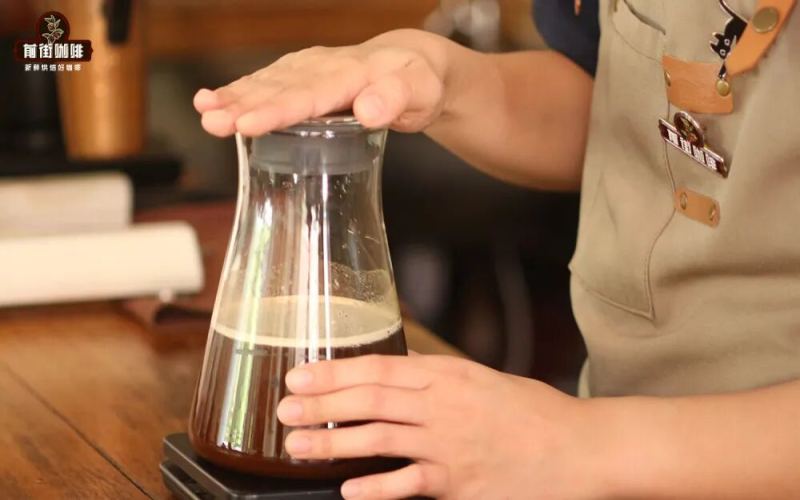
Differences in Cold Brew Coffee Made with Ice Water vs. Room Temperature Water and Front Street Coffee Bean Recommendations
Cold brew coffee is usually made by soaking coffee grounds in room-temperature water and then refrigerating to extract, but what difference does it make to use ice water? Through comparative experiments, this article analyzes in detail the differences between ice water and room-temperature water cold brew in flavor and extraction efficiency, and shares Front Street Coffee's bean recommendations and specific brewing parameters. Whether you are after a juicy feel or a rich, full-bodied taste, you can find a cold brew method that suits you. [more…]

An Analysis of the Differences Between Ice-Brewed and Cold Brew Coffee: Extraction Principles, Flavor Profiles, and Refrigeration Shelf Life
Ice brewed coffee and cold brew coffee are often confused with each other, but the two actually have their own nuances in terms of extraction method, time control, and flavor presentation. Ice brewing, or ice drip, uses a mixture of ice and water for slow drip filtration, takes several hours, and requires sealed aging; cold brew, on the other hand, uses cold water immersion, has simple equipment, and produces a mellow flavor. This article compares the key production points and taste differences of the two in detail, and answers the question about refrigeration storage time—ice drip is recommended to be consumed within three days, while cold brew can be kept for up to five days. At the same time, combined with Front Street Coffee bean recommendations, it helps enthusiasts choose beans such as Butterfly, Sherry Barrel, or Sun-Dried Huakui according to their preferences, making satisfying iced coffee at home with ease. [more…]

The Origin Story of Cold Brew Coffee | What Makes Cold Brew Coffee's Flavor Unique? How Does Cold Brew Coffee Differ from Pour-Over Hot Coffee in Taste and Mouthfeel?
For more specialty coffee knowledge, please follow: Front Street Coffee (Frontsteet Coffee). Iced coffee has a refreshing and palate-cleansing taste; even in the dead of winter, some customers come to Front Street to order this kind of iced coffee. Because iced coffee and hot coffee differ in extraction principles, the flavor of the coffee also differs. [more…]

Origin of Cold Brew Coffee | What's Special About Cold Brew Coffee's Flavor and Mouthfeel? Is Cold Brew Coffee Tastier Than Hot Coffee? Is There a Big Difference Between Cold Brew Coffee and Iced Pour-Over Coffee?
For more specialty coffee knowledge, please follow: Front Street Coffee (Frontsteet Coffee). Iced coffee has a refreshing and palate-cleansing taste. Even in the dead of winter, some customers come to Front Street to order this iced coffee. Because iced coffee and hot coffee are extracted using different principles, the flavor of the coffee will also be different. [more…]
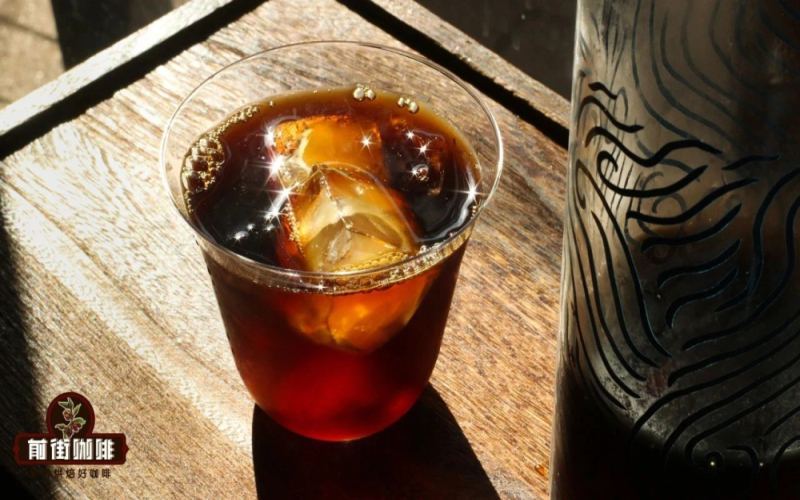
The Best Drinking Window for Hot Pour-Over and Cold Brew / Ice Drip Coffee: How Long Can It Be Stored After Brewing?
In the heat of summer, a glass of iced coffee always refreshes you instantly. But whether it's hot pour-over left to cool, or cold brew and ice drip coffee stored in the fridge, each has its own window of peak flavor. This article uses Front Street Coffee's Kenya Asalia as an example, first introducing the brewing parameters and flavors of hot pour-over and Japanese-style iced pour-over coffee, then breaking down in detail the methods, coffee-to-water ratios, extraction times, and refrigeration recommendations for cold brew and ice drip coffee. You'll learn: why hot black coffee should be finished before it cools completely, how cold brew coffee's flavor evolves within 5 days of refrigeration, why ice drip coffee is best consumed within 3–4 days, and how to adjust drinking timing based on fermentation time, so that every glass of iced coffee is at its best. [more…]
What exactly is the difference between cold brew and ice drip? A summer guide to choosing single-origin coffee beans for cold brewing
Summer is here, and iced coffee has become a favorite for many. But can you tell the difference between cold brew, ice drip, Japanese-style iced pour-over, and cold steeped coffee? Although they are all called "iced coffee," their brewing principles and flavor profiles are quite different. This article uses Front Street Kenya Small Tomato coffee beans as an example to compare the similarities and differences of several iced coffees, from extraction methods and parameter settings to the final flavor. At the same time, FrontStreet Coffee also shares specific recipes for cold brew and ice drip to help you find the perfect refreshing cup for you. [more…]

Pour-Over Coffee | For coffee that has cooled down, is it better to reheat it or add ice? Why does coffee's taste change so much from hot to cold?
We all know that brewed coffee will naturally cool down over time, but beyond that, its flavor also undergoes irreversible changes during this process. For example, the originally rich and fragrant aroma has clearly dissipated, dark-roasted coffee becomes less smooth, medium-light roasted coffee highlights its sour and astringent notes even more, and may even develop an unpleasant [more…]
What Is the Difference Between Ice Drip and Cold Brew Coffee? A Detailed Guide to the Ice-Brewed Coffee Process and Storage Tips
Ice drip coffee and cold brew coffee are often confused with each other—what exactly is the difference between the two? This article provides a comprehensive breakdown of the differences between ice-brewed coffee and cold brew coffee, covering extraction principles, equipment selection, brewing steps, and coffee bean recommendations. It details how beans such as Front Street Strawberry Candy, Huakui, and Flower Butterfly perform in ice drip brewing, and includes a complete ice drip procedure along with storage suggestions. Whether you prefer floral notes or fermented wine-like aromas, you'll find an iced coffee solution that suits you, while also learning about the respective flavor windows and storage key points for ice drip and cold brew. [more…]
Kenyan Coffee Bean Flavor Characteristics, the K72 Washed Processing Method, and Front Street's Little Tomato Brewing Guide
肯尼亚咖啡以极高的酸度和鲜明的水果风味著称,深受资深咖啡爱好者喜爱。本文将带你了解肯尼亚咖啡的产地特色、分级制度、小农合作模式,以及造就其优质酸香的K72小时双重水洗处理法。同时介绍前街咖啡上架的肯尼亚·小番茄咖啡豆,来自锡卡产区Asali处理厂,拥有乌梅酸质与小番茄般的水果酸甜。针对这类浅烘豆,前街分享了三个冲泡关键细节,包括滤杯选择、水温控制和研磨度判断,并附上完整的三段式冲煮步骤,助你冲出一杯明亮干净、风味饱满的肯尼亚咖啡。 [more…]
Light Roast Acidity Explained and Fruit-Forward Coffee Picks: Five Front Street Recommendations
Many consumers mistakenly believe that the lighter the coffee is roasted, the more sour it becomes, but in reality the flavor is influenced by the complex interplay of acid transformation and sugars during roasting. This article begins with the inherent organic acids in green beans, sorting out the patterns of change in formic acid, acetic acid, citric acid, and others before and after first crack, and uses Front Street Papua New Guinea washed Typica cup tests from two roasts to illustrate that the light-medium range often shows the most pronounced acidity, while extremely light roasts instead appear sweet and mellow. Then, for readers who enjoy fruity acidity and floral aromas, the Front Street editors review five single-origin coffees with fruity and floral notes: Fruit Ding Ding, Little Tomato, Strawberry Candy, Big Navel, and Flower Butterfly, with variety, processing method, and flavor descriptions included for brewing reference. [more…]
Pour-Over Coffee Bean Fruity Acidity Flavor Guide: How Light-Medium Roasts Present Floral and Fruity Notes, with Variety Recommendations
From light to dark roasting, coffee beans can undergo a dramatic flavor transformation within just a few minutes and a temperature difference of about 10°C. Light roasting preserves more organic acids, resulting in bright acidity and rich aromatic layers; medium roasting achieves more thorough caramelization, lowering acidity and enhancing sweetness. If you want to enjoy alluring floral and fruity notes, it is recommended to prioritize light to medium roasts and choose varieties based on flavor descriptions. This article reviews how different roast levels affect acidity and aroma, and recommends five representative Front Street Coffee pour-over beans: Fruit Ding Ding, Kenya Little Tomato, Strawberry Candy, Colombia Big Belly Button, and Flower Butterfly, corresponding to flavors such as citrus and floral, berry and cherry tomato, raisin gummy, passion fruit and blueberry, and citrus honey pomelo tea, helping coffee lovers make precise purchases according to their preferences. [more…]
Fruity-acid flavored coffee beans recommendation | What are the pour-over black coffee flavor characteristics of medium-light roasted coffee? Where does the acidity in coffee come from?
On ordinary days, behind the bar, you get to meet all kinds of customers. Quite a few of them are not used to coffee beans that are on the acidic side. Usually, the coffees with pronounced acidity are those that are roasted lighter, and indeed some lightly roasted coffees have an acidity that is hard to accept. So customers naturally form the impression that cof [more…]
Light Roast Pour-Over Single-Origin Bean Recommendations | Why Is Light Roast Coffee Sour? Which Light Roast Beans Have Sweet, Fruity, and Floral Flavors in Pour-Over Coffee?
On ordinary days, I get to meet all kinds of customers behind the bar, and quite a few of them are not used to coffee beans that lean sour. Usually, the coffees with strong acidity are those that are roasted lighter, and indeed some lightly roasted coffees have a sourness that is hard to accept. So customers naturally form the impression that cof [more…]