







For more specialty coffee knowledge, please follow: Front Street Coffee (Frontsteet Coffee)
Iced coffee has a refreshing and palate-cleansing taste. Even in the depths of winter, customers come to Front Street to order this kind of iced coffee. Iced coffee and hot coffee have different extraction principles, so the flavor of the coffee will also be different.
The Origin of Cold Brew Coffee
Cold brew coffee is made by soaking coffee grounds in cold water at low temperature, allowing aromatic substances to be released through reaction over a certain period of time—a low-temperature extraction method. The iced drip coffee and cold brew (cold steeped) coffee we often see in coffee shops all belong to the cold brew category. Gradually, people have become accustomed to calling cold steeped coffee "cold brew" according to their own understanding.
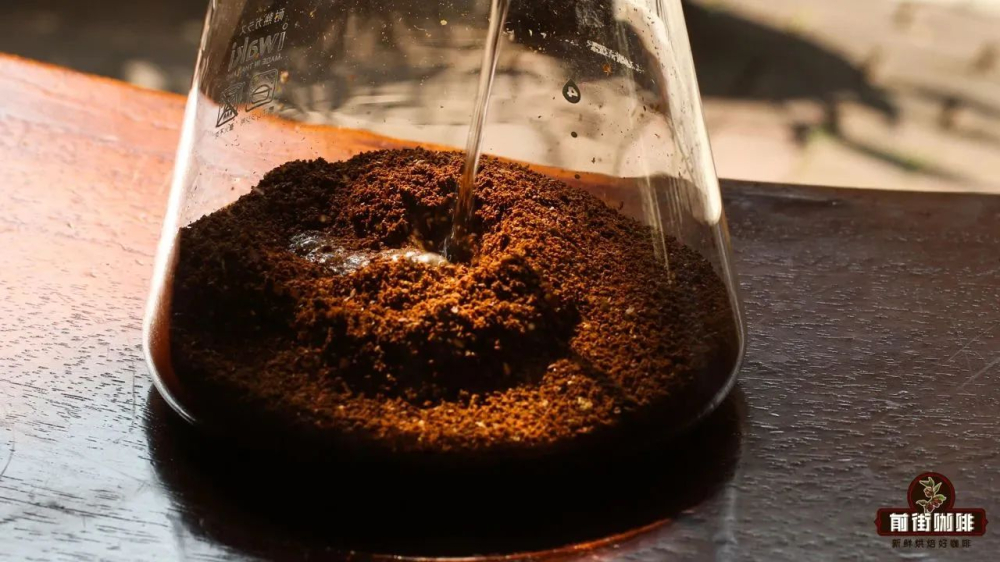
Cold brew coffee originated in European countries. In the sixteenth century, the Dutch, due to long-distance sea voyages, were unable to use hot water to brew coffee, so they had no choice but to make do with soaking coffee in cold water. They unexpectedly discovered that the taste was very unique—mellow and smooth, not as intense as hot coffee. Before long, through shipping routes, this method of cold water coffee brewing spread to more regions. The drip-style low-temperature extraction method of iced drip coffee began to circulate due to the iced drip pots made by the Japanese.
The Difference Between Cold Brew and Pour Over
No matter which brewing method is used, water is a crucial component. During the extraction process, water and coffee undergo a series of chemical reactions, and the water temperature directly affects the extraction rate of different components in the coffee.
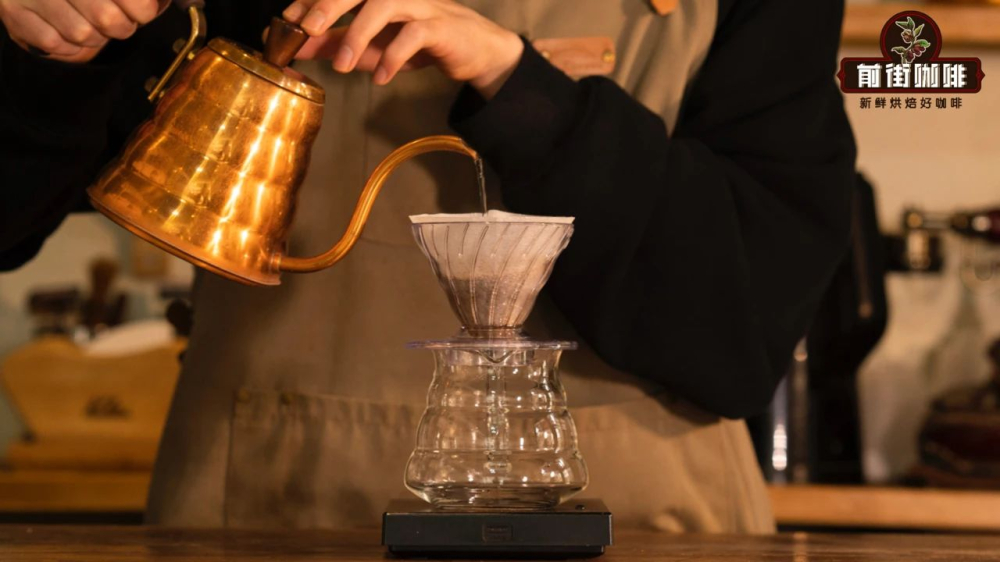
When making pour over coffee, we use near-boiling hot water poured onto evenly ground coffee to extract the flavor substances within. Front Street recommends controlling the water temperature at 87–93°C, because excessively high temperatures can easily make the coffee burnt and bitter, while water that is too low in temperature cannot fully extract the flavor substances. In addition, factors such as pouring technique, time, and grind size all affect the taste of the coffee.
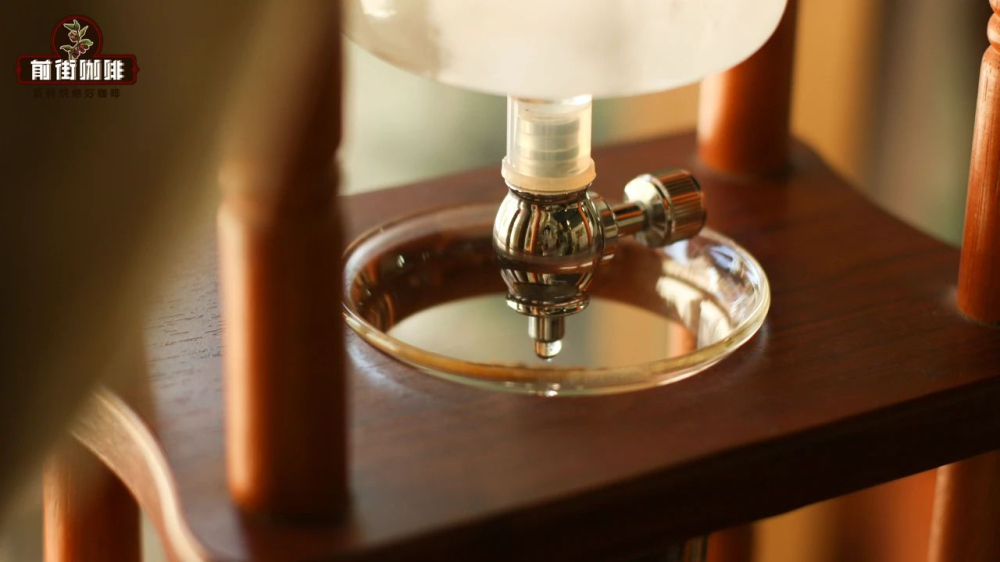
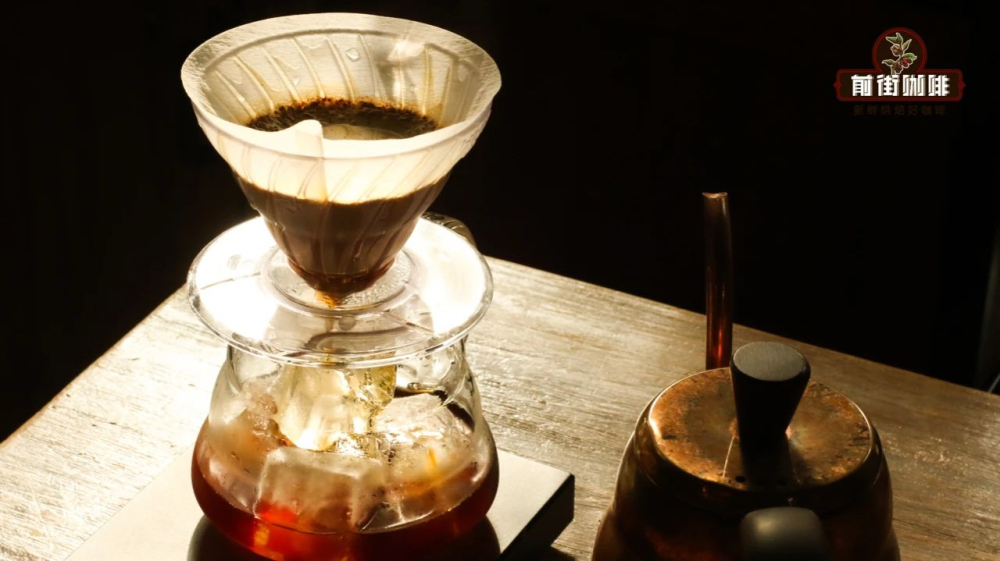
Cold brew coffee, extracted at low temperature and slow speed, requires a much longer extraction time to release enough aromatic components, because the reaction efficiency of coffee grounds in cold water is much slower than in pour over coffee. Front Street generally soaks cold brew coffee for 12 hours, while iced drip coffee is made using a flow rate of 7–8 drops/10 seconds, and can generally be completed in 7–8 hours.
During the coffee brewing stage, the first substances to emerge are small-molecule fruit acids, followed by sweetness molecules, and finally large-molecule bitter compounds. As temperature rises, the speed at which substances are extracted increases, and various variable factors can affect the taste of the coffee. Therefore, with pour over, one must carefully control the various parameters that affect the extraction rate. In contrast, cold brew extracts far fewer bitter and astringent substances in a low-temperature environment compared to hot water. The body and mouthfeel of a cup of coffee mainly come from bitter substances. If a coffee lacks the support of bitter substances, the taste tends to be thin and the finish lacking.
Some friends also ask Front Street what the difference is between cold brew coffee and iced pour over coffee, and which tastes better. As Front Street mentioned above, pour over involves high-temperature hot water extraction, followed by cooling with ice to give it a chilled taste. Cold brew, however, is always in a low-temperature environment throughout the process, with coffee molecules moving at a slow speed. Both have a refreshing taste, but there will still be certain differences in flavor. If you are curious about the flavor orientation of different coffee preparations, Front Street suggests you might first ask the barista, which can give us a better experience.
Tips for Making Cold Brew
Cold brew only requires fresh coffee beans, a grinder, and an airtight container for the coffee. The convenient operation is indeed very hassle-free. Although cold brew coffee generally doesn't need to worry about over-extraction, making a delicious cup of cold brew coffee still requires some small details. Front Street has summarized a few points here for your reference.
1.Choose Freshly Roasted Coffee Beans
Regardless of which extraction method is used, the prerequisite is to first ensure the coffee beans are freshly roasted. After roasting, coffee goes through a 4–7 day resting period and then enters its optimal flavor period. After this period, the coffee's aroma will accelerate its volatilization, and the flavor and mouthfeel will be greatly reduced. Front Street deeply understands the importance of coffee freshness, so the coffee beans shipped are freshly roasted within 5 days, and by the time customers receive them, they are just at their peak flavor.
Compared to the full and complex layers of pour over coffee, cold brew coffee pursues a refreshing sweet-and-sour taste and fermented fruit aroma. Therefore, Front Street recommends the following three types of coffee beans.
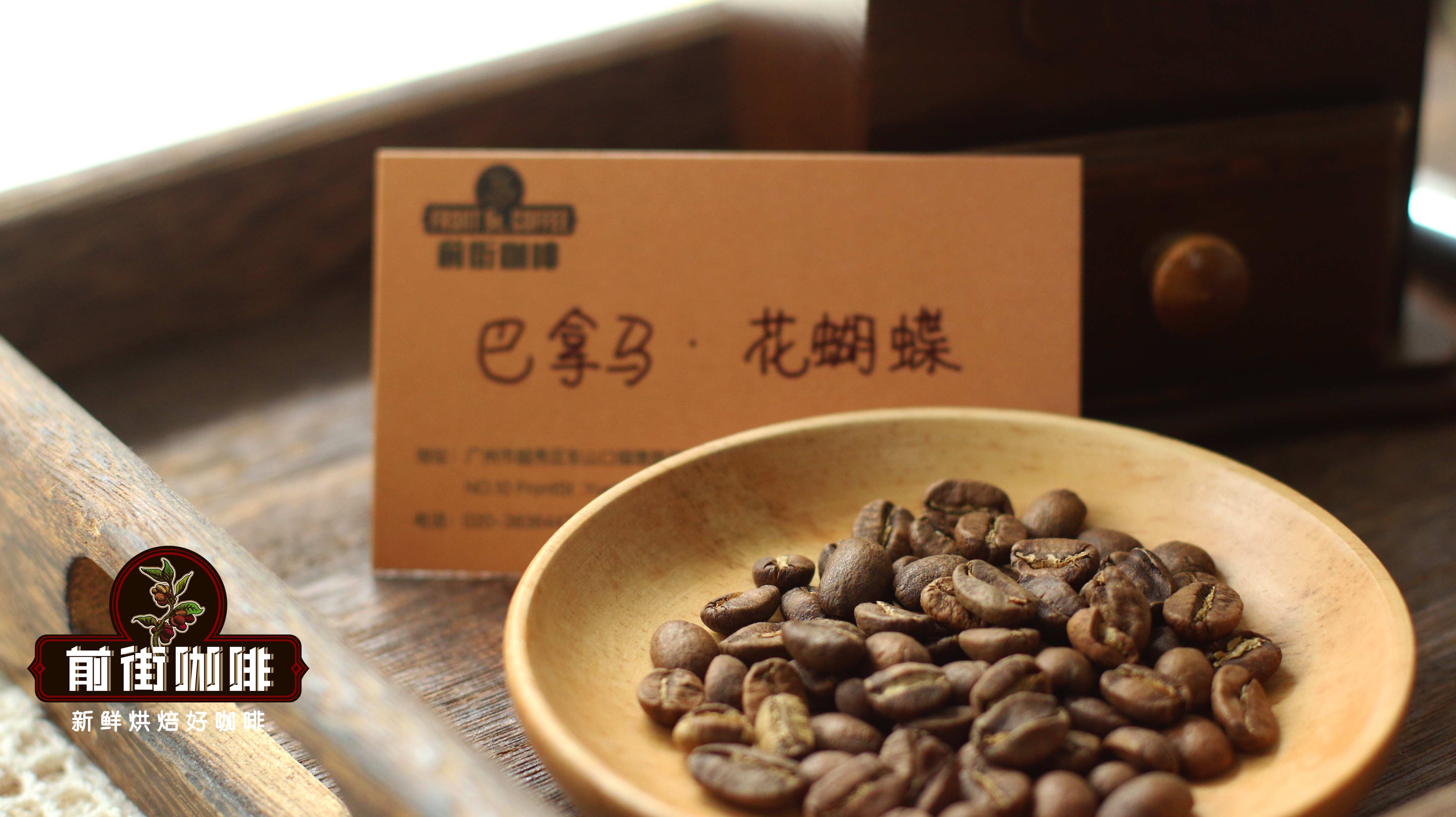
"Refreshing Floral and Fruity Type — Front Street Butterfly Coffee Beans"
This coffee comes from the Panama region, where the soil is nutrient-rich volcanic ash soil. The coffee beans produced there carry a rich floral and fruity aroma. The washed processing method used highlights the coffee's clear white floral and citrus flavors. The cold brew coffee made by Front Street with these coffee beans presents a sweet-and-sour taste of grapefruit green tea.
"Fermented Wine Aroma Type——Front Street Honduras Sherry Barrel Coffee Beans"
This Honduras Sherry coffee bean is fermented in whiskey barrels. The coffee beans present full vanilla, cream, and whiskey aromas, and it is a very popular coffee bean on Front Street's bean list. Made into Sherry cold brew coffee, it presents a rich fermented wine aroma along with a honey sweetness.
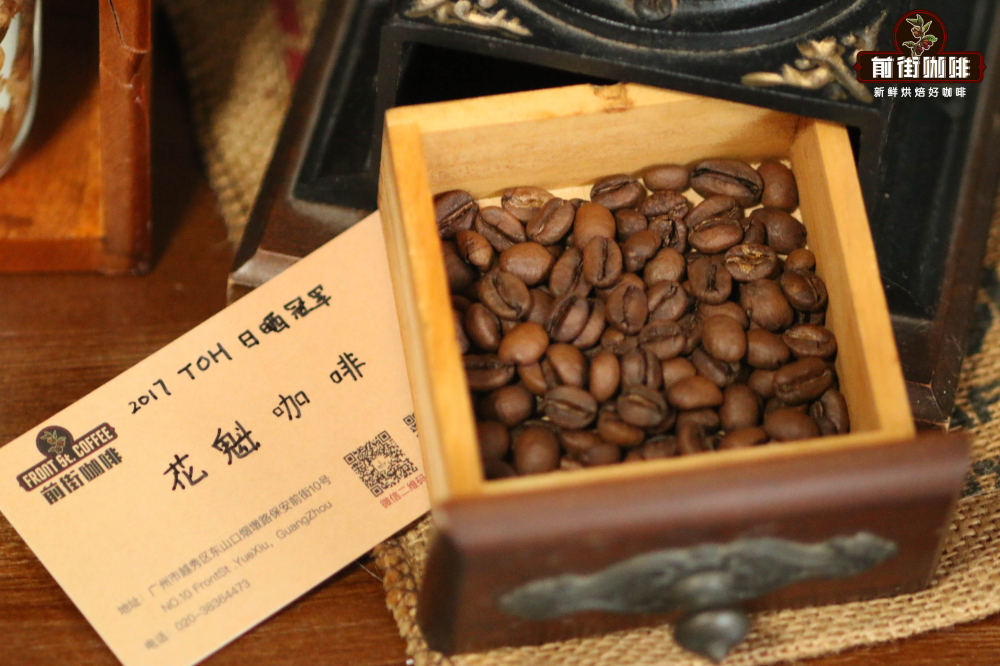
"Rich Fruity Tea Type——Front Street Sun-Dried Huakui Coffee Beans"
Sun-dried Huakui coffee beans use ripe coffee cherries with a pulp sugar content as high as 30%. The fructose ferments under sunlight, giving the beans a full fruity sweetness. Cold brew made with these coffee beans has lively berry and passion fruit sweet-and-sour notes, an obvious juicy mouthfeel, and a finish with the faint fragrance of red tea.
2.Grind Size and Coffee-to-Water Ratio
Just like with pour over coffee, the grind size for making cold brew also needs attention. Grinding too coarse or too fine can easily lead to bitter or tasteless coffee. Front Street recommends using a grind size slightly finer than pour over coffee, and Front Street uses a No. 20 standard sieve with an 85% pass rate as a reference. The richness is also related to the coffee-to-water ratio. Front Street recommends 1:10 to 1:12. The extracted coffee can be drunk directly, or diluted with ice to a consistent concentration for tasting.

3.Soaking Time and Storage
Front Street generally soaks it the night before, controlling it at about 12–14 hours. The next day, you can take it out, filter out the coffee grounds, and get the extracted coffee liquid.
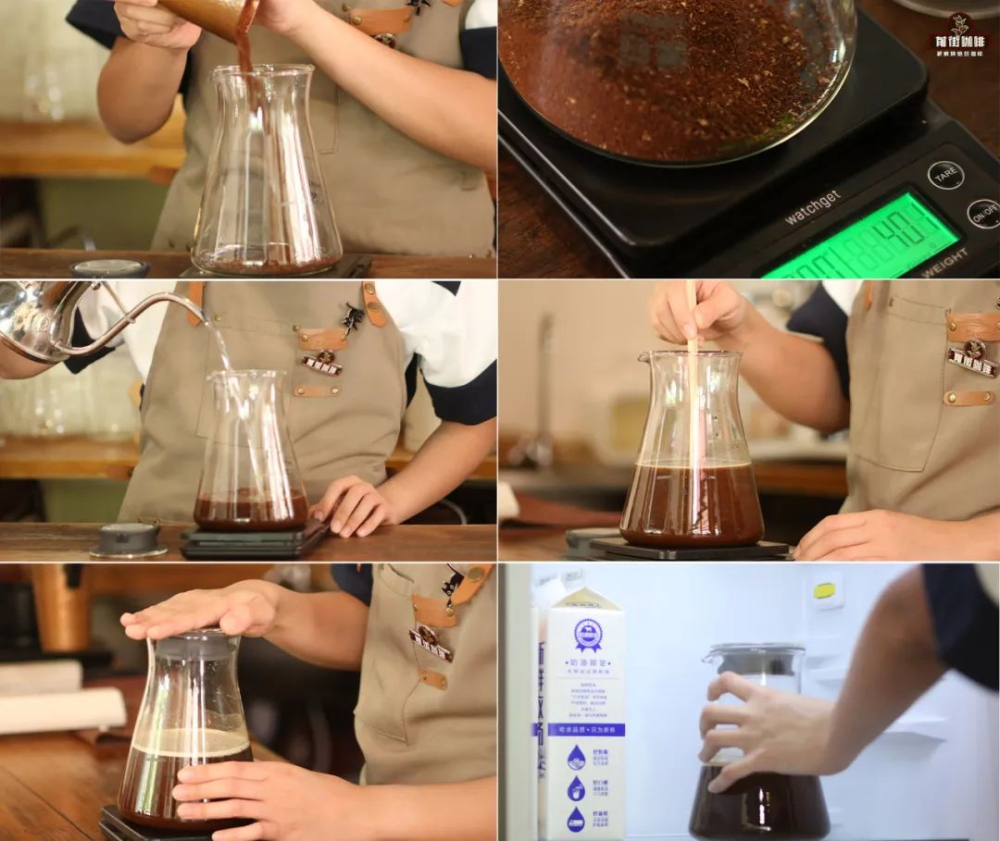
Front Street once tried a case where, due to forgetting, the soaking time exceeded one day, and the extracted coffee liquid was bitter and harsh. Everyone should also pay attention to controlling the extraction time to avoid waste. In addition, the space where coffee is stored will absorb various odors from the air. If we store it in a home refrigerator, Front Street recommends choosing a container with good sealing to avoid the flavor being affected.
You can now purchase Front Street Coffee single-origin coffee beans and espresso blend coffee beans at the Tmall "Front Street Flagship Store." 60 kinds of coffee beans from around the world, freshly roasted and shipped within 24H.
Tmall link: https://qianjieshipin.tmall.com
Or you can directly search "Front Street Flagship Store" on Taobao.
FollowWECHATthe official account to read more specialty coffee bean knowledge.
The above content is compiled by CoffeeHunters, a coffee news website.


