







What Is the PB Grade in Coffee Bean Grades?
Coffee bean grades sort beans by size before export, and PB, or Peaberry, is the grade given to a single round seed that forms when only one bean develops inside the cherry instead of the usual two flat beans. Peaberries make up roughly 5 to 10 percent of a harvest, yet they often sell for prices close to the top size grade.
Grading by size gives buyers a quick screening tool, and systems such as Jamaica Blue Mountain coffee separate peaberries for sale as their own lot. Cupping comparisons of peaberries and flat beans show that size alone does not decide flavor, so the PB label reflects shape and sorting, not a consistent taste difference.
As an agricultural product, coffee beans naturally vary in quality, and they usually undergo grading before export. In systems that grade by size, there is often a special PB grade, namely Peaberry. It is rare in yield, accounting for only 5% to 10% of the total, yet its price often rivals that of the highest grade. This article, from the perspective of Front Street, explains the definition of the PB grade, the reasons for the formation of peaberries, and compares the flavor differences between peaberries and flat beans through cupping. It also explains why producing regions separate peaberries for sale and the PB phenomenon in grading systems such as Blue Mountain coffee beans, helping coffee enthusiasts understand the true relationship between coffee bean size and quality.
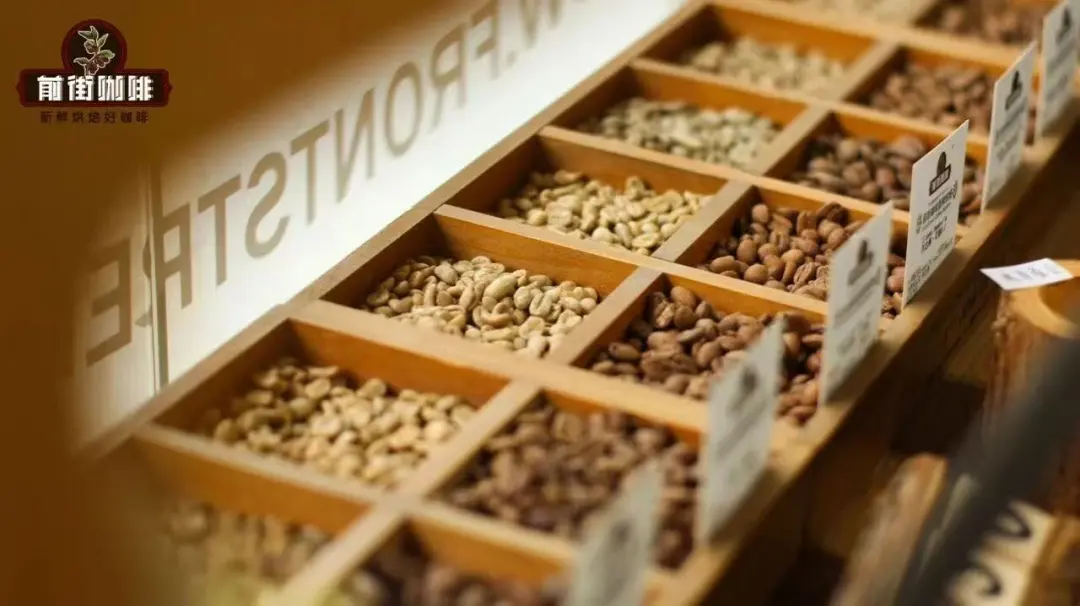

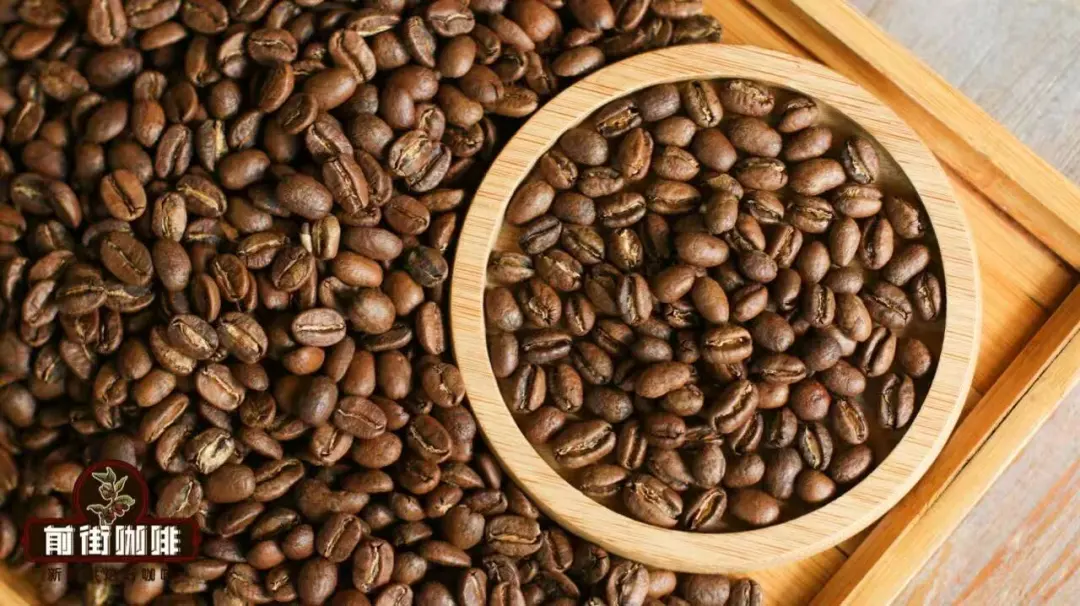

Coffee beans are essentially an agricultural product, and individual beans naturally vary in quality. For this reason, many producing regions classify coffee beans according to their national grading standards before export, in order to facilitate international trade pricing and make it easier for buyers to screen quickly during purchasing.
Grading systems are diverse, but no matter which method is used, in theory a higher grade means better quality (note: this is not absolutely always the case), and better quality means a higher price. If you observe coffees graded by bean size with this logic, you will notice a rather counterintuitive phenomenon—
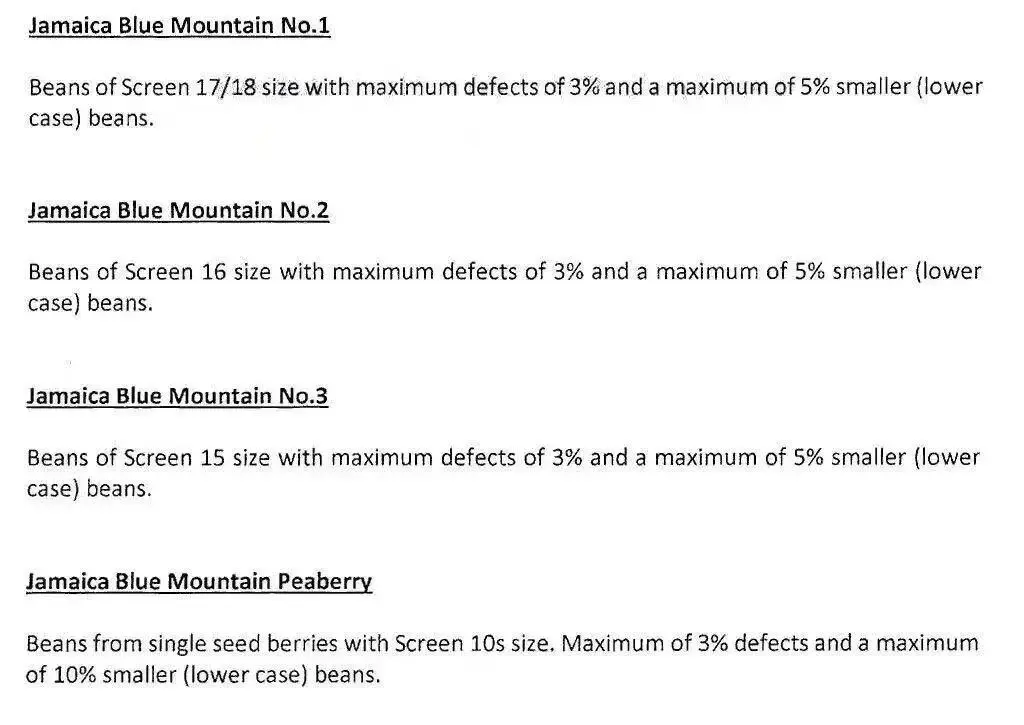
In many grading systems that use size as an indicator, there is a special grade called "PB," with Kenya and Jamaica Blue Mountain coffee being typical examples. Although PB is often ranked fourth or even lower in the grade sequence, and in principle should sell for less than the second and third grades, the actual situation is the opposite: its price is nearly the same as the highest grade.
So many friends wonder: what exactly is the PB grade? Why can its price match that of top-grade coffee beans? Today Front Street will talk about what the PB grade is, and whether PB-grade coffee beans differ in flavor from regular grades.
What is the PB grade?
"PB" in coffee bean grades is short for "Peaberry," translated into Chinese as "圆豆." Compared with the name "round bean," everyone may be more familiar with another nickname it has in online coffee forums—"male bean."
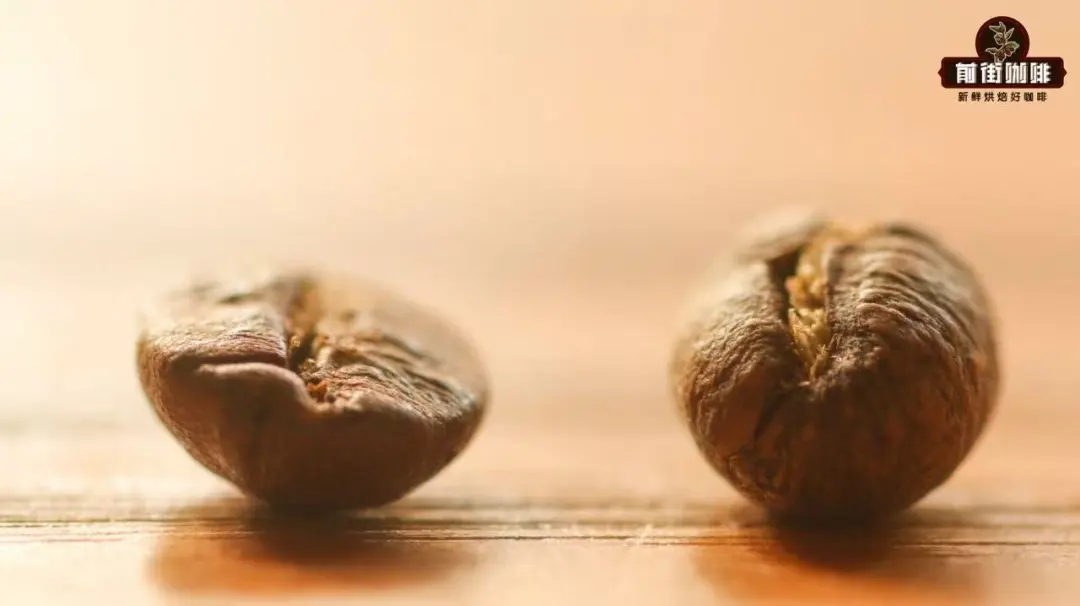
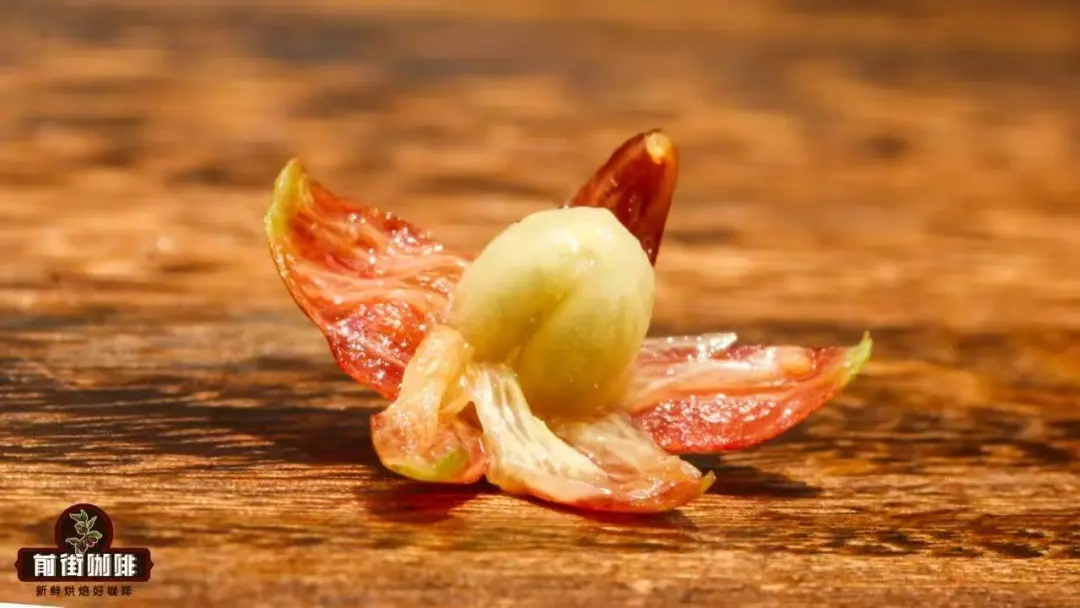
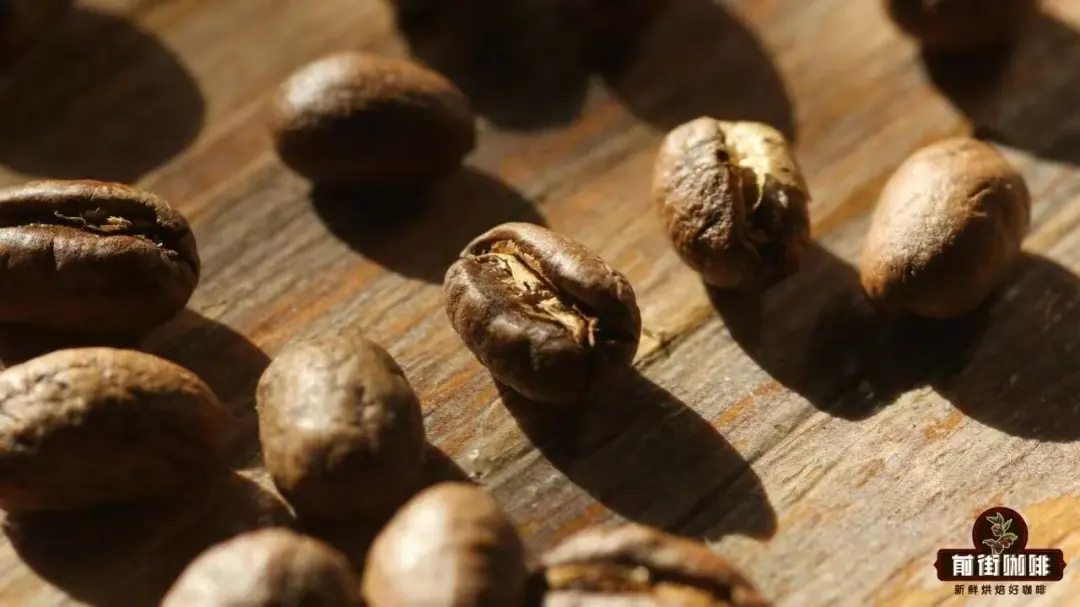
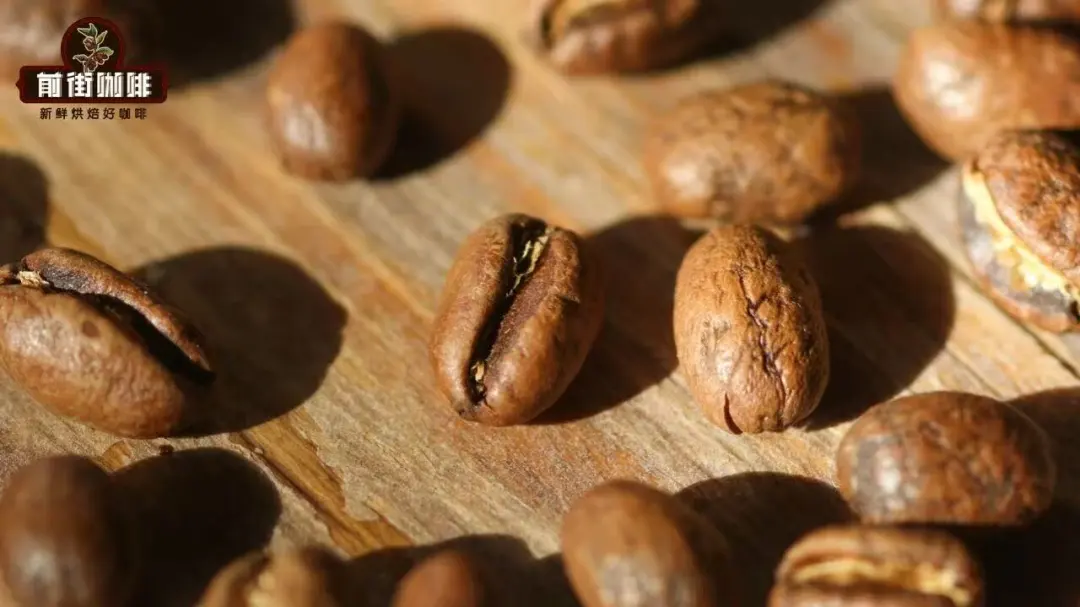
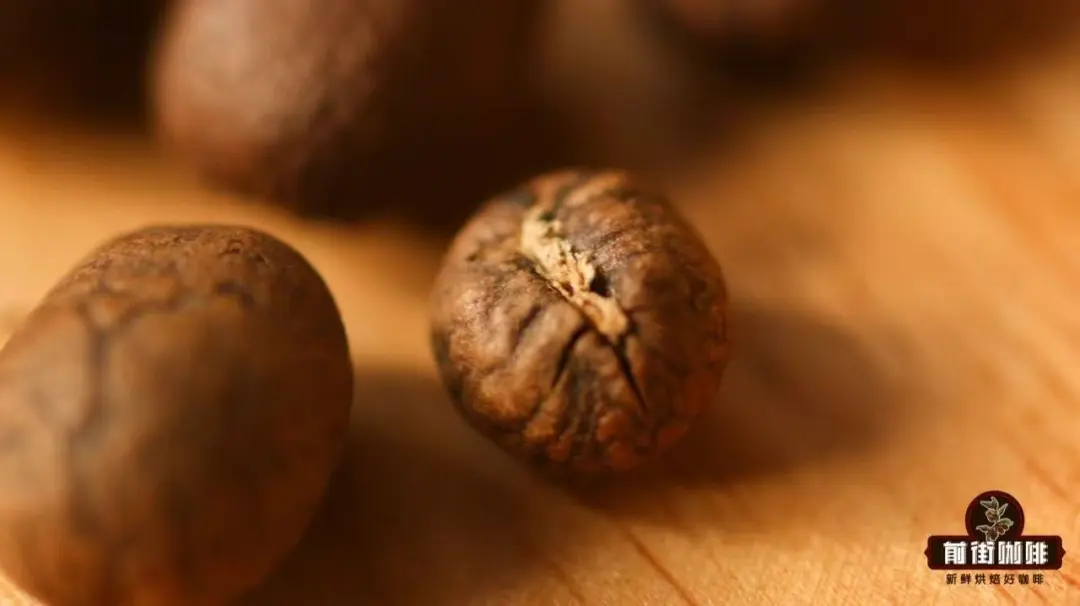
So what exactly does peaberry, the so-called "male bean," refer to? It is actually a special form of coffee bean. Normal coffee beans are semicircular in shape with one flat side; peaberries, however, are complete ovals with no flat side, which is caused by abnormal development.
As is well known, coffee beans are the seeds inside the coffee fruit. Usually, one coffee cherry contains two coffee beans with their flat sides facing each other. But occasionally some fruits, due to insufficient nutrient supply, pest or disease damage, or environmental stress, cannot develop two seeds at the same time, and at that point the nutrients are absorbed by only one of them.
Because only one bean develops, with no other bean pressing against it, it can grow into a complete oval with no flat side, round and plump in appearance. People therefore call it "peaberry" based on its shape, while regular beans with a flat side are called "flat beans." The so-called PB grade refers to a lot made up entirely of peaberries.
Is the flavor difference between peaberries and flat beans very large?
The reason peaberries can be separated into their own lot and priced on par with the highest grade is first that their yield is extremely low, accounting for only 5% to 10% of total coffee bean production. Second, people believe that flat beans must split nutrient absorption in two, while peaberries enjoy the nutrition of the entire fruit alone, have a higher content of substances, and should therefore perform better after roasting.
Is that really true? Front Street specially conducted an experiment for this. The experiment was very simple: select peaberries from the same batch of coffee beans, then select flat beans, brew and compare them separately to see whether there is a significant difference between the two.
The beans Front Street selected last time were Front Street Panama Boquete Geisha from the bean list. The grading basis in the Panama producing region is planting altitude, not size, so peaberries can often be found in this type of coffee bean.
Front Street selected a total of 12 grams of peaberries, and the flat beans used for comparison were also 12 grams. Because the amount was relatively small, and in order to reduce interference from human factors, cupping was used here for preparation. The parameters were as follows: coffee-to-water ratio 1:16, water temperature 94°C, steeping time 4 minutes.
When tasting, Front Street did not perceive any obvious difference. The flavor performance of both was elegant white floral notes, rounded citrus acidity, and a clean green tea finish, with a balanced taste and long sweet aftertaste, and there was not much difference in strength or mouthfeel either. It can thus be seen that peaberries and flat beans are actually not very different.
"Since the difference is not big, why still separate peaberries and sell them on their own? Isn't adding an extra screening process more trouble than it's worth?" Front Street believes many friends will have this question.
The answer is obvious: this can bring greater returns. As mentioned earlier, selling peaberries separately mainly occurs in systems that grade by bean size. The reason for doing so is that peaberries are not large in particle size.
Usually the particle size of peaberries is slightly smaller than that of flat beans of the same variety. If flat beans are around 16–18 mesh, then peaberries are distributed around 14–15 mesh, because their round shape makes them easier to pass through the screen.
If graded by mesh, peaberries would be classified into the 14–15 mesh level, and their price would naturally not be high. But if they are picked out separately, and combined with the story Front Street mentioned earlier and publicity about their scarce yield, the price of peaberries can be raised to the level of 17–18 mesh.
Therefore, many producing regions that use coffee bean size as a grading indicator add this special PB grade in order to obtain more returns. And those that use altitude... (the original text appears to be truncated here) would be more consistent, which is also an advantage of peaberries; it is not merely ornamental. And coffee beans are not necessarily better simply because they are larger. The quality of coffee beans is still related to variety as well as various factors such as cultivation and processing.
- END -
The above content is compiled by CoffeeHunters, a coffee news website.


