







Search Results for: Ginseng Americano

Tongrentang has partnered with Tmall to launch a ginseng Americano, once again stirring up the punk wellness trend with a mix of traditional Chinese medicine and coffee.
When "Double Eleven" meets a time-honored pharmaceutical company, a cup of ginseng americano makes a surprise debut. Tmall teamed up with Zhima Health, under Tongrentang, to launch a limited-edition "ginseng americano," each cup containing a whole fresh ginseng root, at a subsidized price of just 11.11 yuan. Following the various "medicinal coffees" that came before, this move has once again drawn attention. In addition to ginseng, the drink also includes Chinese medicinal ingredients such as licorice and longan, and the vendor simultaneously warns that no more than one cup should be consumed per day. However, issues such as the lack of additive standards in the industry and the unclear origin of the ginseng have also surfaced, meaning consumers should exercise extra caution even as they satisfy their curiosity. [more…]
Century-old Chinese medicine shop Tonghanchuntang enters the beverage industry, launching new attempts with health-boosting milk tea and coffee
In recent years, cross-industry ventures have become a popular trend, and even century-old traditional Chinese medicine shops are joining the beverage market. Following Tongrentang, Tonghanchun Tang, with a history of 237 years, has also tested the waters of national-style wellness tea drinks in Shanghai Yuyuan Mall, launching over 30 beverages including wellness teas, fruit teas, milk teas, sparkling water, and coffee. Among them, the wellness milk tea incorporates ingredients such as ginseng, goji berries, and donkey-hide gelatin, while the two wellness coffees focus on American-style black coffee and ginseng honey latte, priced between 20 and over 30 yuan, with the most expensive bird's nest product exceeding 100 yuan. Whether these time-honored brands can win consumer favor through innovation is worth watching. [more…]

Can ginseng coffee really give you a big health boost? Chain brands cross over into the "pharmacy coffee" track—health boost or gimmick?
When coffee meets traditional Chinese medicinal herbs, is a cup of this beverage a health tonic or just a gimmick? Lucky Cup's recently launched ginseng series has sparked heated discussion on social media—at a price of ten yuan, you can actually get a whole ginseng root, and many netizens are calling it the real deal. However, controversy over the taste has followed. From creative specials at private cafés to established traditional Chinese medicine halls entering the fray, and chain brands piling in one after another, the herbal coffee track is becoming increasingly lively. Will this trend truly win young people's long-term favor, or will it remain merely a passing curiosity? This article takes you in for a closer look. [more…]
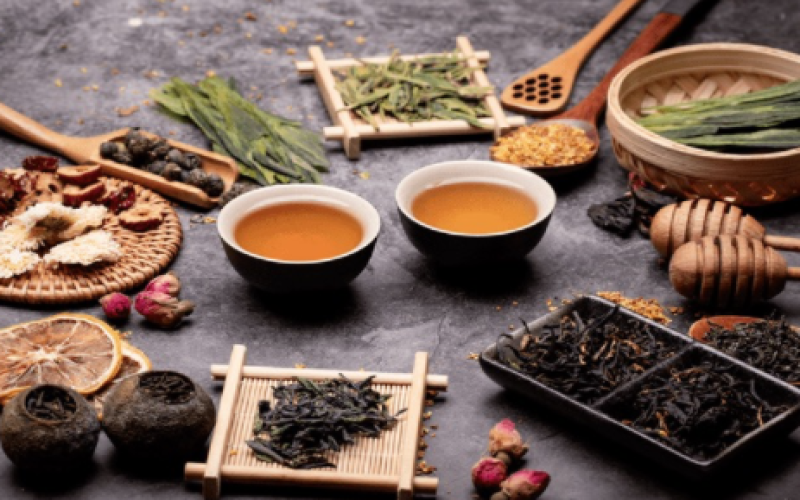
Young people spark a trend of herbal tea drinks, a new wellness lifestyle quietly emerges
In recent years, with the rise of the "national trend" culture, the "new Chinese-style" wellness concept has quickly gained popularity among young people. After saying goodbye to bad habits such as staying up late, smoking, and drinking, more and more young people are beginning to favor Chinese herbal medicinal diets and Chinese herbal teas. On social media, herbal milk tea frequently goes viral, and health teas dispensed by hospitals and herbal drinks launched by traditional Chinese medicine clinics through cross-sector collaborations are highly sought after. Data shows that over 70% of consumers are more willing to buy Chinese herbal teas and express satisfaction with their functional effects. Numerous pharmaceutical companies have entered the market, launching innovative products such as wellness coffee and herbal teas. However, experts also remind that although Chinese herbal teas are beneficial, they should be consumed in moderation, following the principle of "stopping once the illness is cured," to avoid counterproductive effects. [more…]

Blueglass Yogurt Fined 400,000 Yuan for Advertising Violations, Product Still on Sale After Renaming
Well-known yogurt brand Blueglass was fined 400,000 yuan by the Beijing Chaoyang District Market Supervision Administration for an advertisement that carried hints about male function. In May of this year, the brand launched the "Superboy Boyfriend Power Wins a Round" series, adding ingredients such as cistanche, polygonatum, and ginseng, and paired it with advertising slogans such as "I won't sell to anyone under 18," which sparked consumer backlash. Regulators determined that its advertisement was vulgar, bordered on pornography, and violated public order. After the case came to light, the brand removed the related advertisement, but recently reporters found that the ad image still exists in the mini-program, and the product has been renamed "Good Spirit Wins a Round," while the ingredients still include maca, deer penis, and other components. As coffee enthusiasts, we pay attention to the boundaries and compliance issues of brand marketing. [more…]
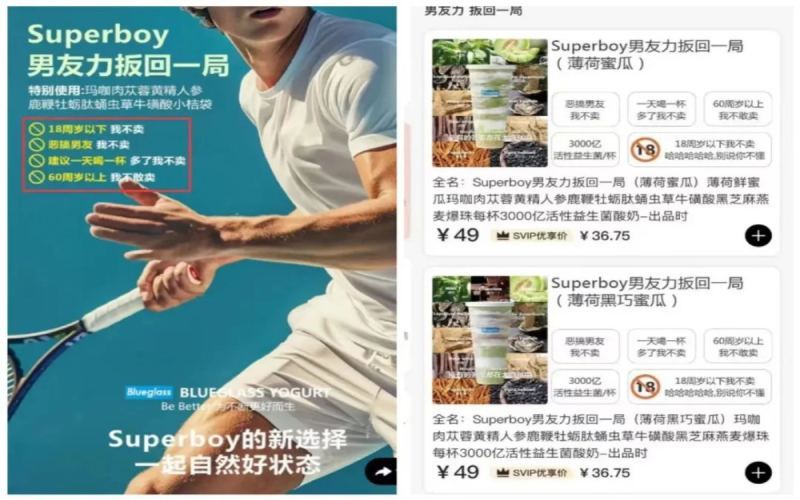
Yogurt brand Blueglass launches "Boyfriend Power" series, controversial suggestive advertising triggers dispute and regulatory investigation
Recently, the yogurt brand Blueglass launched the "Superboy Boyfriend Power Comeback" series, adding traditional Chinese medicine ingredients such as Cistanche, Polygonatum, ginseng, deer whip, and oyster peptides. The intention might have been to promote a health concept, but it was questioned for borderline marketing due to the poster labeling it "18+" and suggestive copy. Similarly, Coconut Palm brand coconut juice was fined 400,000 yuan for vulgar advertising slogans, yet it generated over 5 billion yuan in sales. In an era where traffic is king, eye-catching marketing emerges endlessly, but not all of it yields good results. After Blueglass was exposed, the Shanghai Municipal Administration for Market Regulation has launched an investigation, and the relevant copy was revised and republished. However, the negative label brought by borderline marketing may not be easily erased from consumers' minds. [more…]

Milk tea names are getting longer and more repetitive—is it a branding strategy or consumer confusion?
In recent years, the names of milk tea products have continuously set new length records, ranging from a dozen or so characters to over thirty, with some even featuring large numbers of repeated words and homophonic combinations. Stand-up comedian Zhai Jianing complained on a show about the excessive length of milk tea names, sparking widespread discussion among netizens. Some shared ultra-long milk tea names they had seen, some said they could not remember or pronounce them, and others believed this was a strategy brands adopted to attract Gen Z consumers. Why has milk tea naming become so extreme? What is consumers' attitude toward this? This article sorts out the marketing logic and market controversy behind the milk tea naming phenomenon, and explores the relationship between drink quality and naming. [more…]

Universities and time-honored brands rush into wellness milk tea: what are the transformation paths and challenges for the milk tea industry?
When milk tea cup sleeves at Fudan University Medical School are printed with drug instructions, when Beijing University of Chinese Medicine adds ginger, cinnamon, dried tangerine peel, red dates, and goji berries to milk tea, and when Shanghai's time-honored Chinese medicine brand Tong Han Chun Tang uses "medicine and food homology" as a selling point to launch ginseng and peach gum milk tea, the milk tea category is undergoing a transformation attempt from "junk food" to "health drink." University cafeterias, Chinese medicine shops, and time-honored brands are all crossing over into the market, trying to reshape the image of milk tea with the concept of health. At the same time, milk tea brands are also making changes on the ingredient side, with fresh fruit and fresh milk replacing non-dairy creamer as selling points. However, news about milk tea on trending searches is repeatedly linked to food safety issues, and the road to transformation is not smooth. [more…]
An Overview of the Origins of the 90+ Coffee Brand and Its Classic Series: A Comprehensive Interpretation from the Ninety Plus Philosophy to Its Signature Bean Varieties
90+ Coffee is often mentioned in specialty coffee circles, but what exactly does it represent? This article traces the brand's origins, founder Joseph Brodsky's bean-hunting journey in Ethiopia, and the exclusive Profile Processing system, explaining how Ninety Plus set an industry benchmark with 13 top-tier flavor series. It also lists classic lots such as Hachira, Nectar, Lotus, Candlelight, and Dancheman, and reminds readers to view brand premiums rationally, with quality as the final criterion. The article retains Front Street brand recommendations and product information, making it suitable for enthusiasts who want to gain a deeper understanding of 90+ Coffee. [more…]

Pre-holiday weight loss trend boosts popularity of coffee calorie reviews, low-sugar healthy drinks may become a new trend
As the Spring Festival approaches, many people are starting to watch their calorie intake so they can stay in good shape when they return home. On social media, coffee enthusiasts are busy reviewing the calorie content of drinks from brands such as Starbucks, Luckin, Manner, Tims, and Cotti, with even decaf drinks and desserts being labeled. Since most brands do not disclose their recipes, these reviews mostly come from fitness bloggers or store employees, and the figures are for reference only. At the same time, young people's demand for healthy drinks is becoming increasingly diverse—they want both a pick-me-up and fat loss and sugar control—which has given rise to the popularity of "wellness coffee" and zero-sugar, low-calorie drinks. Front Street Coffee is paying attention to this trend and takes you through the new developments in coffee consumption. [more…]
Exploring 90+ Specialty Coffee: A Multifaceted Flavor Analysis of Panama Geisha and Ethiopian Heirloom Varieties
Ninety Plus is a highly esteemed brand in the specialty coffee world, renowned for its coffee beans from the Panama Geisha estate and multiple regions in Ethiopia, celebrated for their unique processing methods and richly layered flavors. This article will analyze one by one more than ten Ninety Plus coffee beans recommended by Front Street Coffee, including Juliette, Lotus Solstice, the Horizon series, Ginseng, Clinique, the Nectar series, and more, covering honey processing, natural processing, and patented Solkiln, Red processing, Ruby processing, and other techniques. From origin, harvest season, variety, Level, altitude to processing method and flavor description, it fully presents the individual characteristics of each bean, guiding you to appreciate the splendid expression of Geisha and Ethiopian heirloom varieties in terms of cleanliness, sweetness, fruity aroma, and vinous notes. [more…]
An In-Depth Explanation of the Meaning of 90+ Single-Origin Bean L195: A Complete Guide to the Flavor Description System and Grading Rules
90+ (Ninety Plus) is a highly regarded green coffee brand in the specialty coffee world, and its unique flavor symbols and Level grading system often leave enthusiasts confused. This article will start with the L195 grade, systematically sorting out 90+'s grading logic, the meanings of its flavor symbols, its exclusive processing methods (Red, Ruby, Solkiln), and the Profile Processing production system. At the same time, it will explain in detail the representative 90+ coffees recommended by Front Street Coffee, including the flavor characteristics of beans such as Perci, Straight Talk, and Lotus, and their corresponding grades, helping readers fully understand this legendary brand's green coffee philosophy. [more…]
A Complete Guide to the Ninety Plus Specialty Coffee Bean Series: Flavor Exploration of Geisha and Ethiopian Heirloom Varieties and Future Trends
As a benchmark brand in the specialty coffee world, Ninety Plus is renowned for its rigorous Level grading system and innovative processing methods. This article systematically reviews the full lineup of Ninety Plus beans recommended by Front Street Coffee, covering Juliet, Lotus Solkiln, Prospect, Red Prospect, Prospect Ruby, and Silvia Solkiln from the Panama Geisha estate, as well as Ginseng, Clinique, Nectar, Red Nectar, and Nectar Ruby from the Ethiopian production region. From honey processing and natural processing to the patented Solkiln dense processing, red processing, and ruby processing, each one displays a unique flavor layering. The article fully preserves the origin, harvest season, variety, Level, altitude, processing method, and flavor description of each bean, providing coffee enthusiasts with a detailed tasting guide and, from this, looking ahead to the future direction of specialty coffee. [more…]

When Traditional Chinese Herbal Paste Meets Coffee: A Rational Look and Consumer Insights Behind the New Wellness Trend
When coffee's invigorating effects meet the nourishing philosophy of traditional Chinese medicine, a new species called "wellness coffee" is quietly gaining popularity among young consumers. From the creative stalls at Ye Kaitai's herbal paste festival to the daily menus of cafes across the country, the crossover combination of Chinese medicine and coffee has frequently attracted attention. However, is this East-meets-West beverage truly a healthy choice, or does it merely provide psychological comfort? This article will examine the composition, market phenomena, potential risks, and other angles to give you a comprehensive understanding of the pros and cons of wellness coffee, and explore whether this innovative drink can continue to win consumers' favor. [more…]
Ninety Plus Candela and the Complete Guide to the Ninety Plus Brand: The Specialty Coffee System from Ethiopia Sidama to Panama Geisha
In the world of specialty coffee, Ninety Plus (Ninety+) is a name that cannot be overlooked. Founded by Joseph Brodsky in 2006, the company started with Ethiopian native varieties and redefined the way green coffee is produced through its unique Profile Processing system. This article begins with Ninety Plus's Candor, a Front Street Coffee natural-process Sidamo, and systematically reviews the terroir characteristics of the Sidamo region, the brand philosophy and founder's story of Ninety Plus, and core processing methods such as natural processing and Solkiln, then interprets one by one classic product lines such as Kemgin, Nekisse, Perci, and Lotus along with their grading system, and finally includes the roasting analysis and cupping performance of Front Street Coffee 90+ Candor, providing coffee lovers with a complete Ninety Plus knowledge map. [more…]
Coffee Flavor Map | How Can Coffee Beginners Train and Build Their Coffee Sensory System? Are Aroma Kits Helpful for Coffee Flavor Tasting?
As coffee has gradually become more widely recognized, specialty coffee promotion in cafés has emerged in response, and we too have begun tracing things back to their roots—we have come to treat coffee as culture. The rise of specialty pour-over coffee undoubtedly reflects the demands of the market and the needs that cafés have identified. Café counters have also begun to lower their "status," no longer featuring the early design of a bar raised a foot high. [more…]

The milk tea world has come up with another bizarre new product: snail rice noodles, hot pot, and raw-pickled hairy crab are all being turned into tea drinks—where is the bottom line?
The innovations in the new-style tea beverage industry lately seem to be getting more and more baffling. From goji berry milk tea that lets you enjoy both health and happiness, to completely unrelated concoctions like snail rice noodle milk tea and Chongqing hot pot milk tea, to even more off-putting ones like roast duck milk tea, Lao Gan Ma milk tea, fish mint and cilantro lemon tea, and even raw-marinated hairy crab milk tea... These drinks not only feature bizarre ingredients, but some also let you choose the broth base, toppings, and spice level, as if a whole dish has been packed into a cup. Faced with these wildly imaginative combinations, we can't help but ask: Is the bottom line for beverage innovation really just that you'll survive after drinking it? Isn't it nice to just enjoy a normal milk tea with toppings? [more…]
Can a purple clay pot also steam coffee? A new trick for Chinese-style extraction, low-temperature slow brewing brings a rich new experience
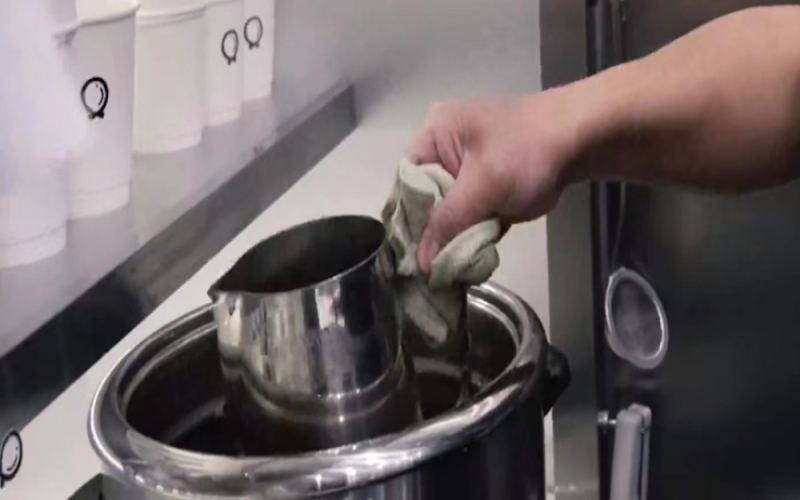
Following the buzz in Shanghai coffee shops over "double-boiler" extraction, Chinese-style coffee innovation has taken another step forward—at the Xiamen Coffee Festival, a shop introduced a Minnan-style brewing method using a purple clay teapot to steam coffee. In this method, coffee grounds are placed into a small purple clay teapot, slowly steamed in a bamboo steamer, then filtered and diluted with water for drinking. Its principle is similar to double-boiling: it uses low-temperature slow extraction to reduce bitterness and off-flavors, while the porous structure of the purple clay teapot can also absorb some of the compounds that cause bitterness. From Japanese Tokoname coffee pots to Chinese purple clay teapots, the clever use of ceramics in coffee extraction is being continually explored. This article walks you through the specific steps of this trendy method and the science behind it, and includes related recommendations from Front Street Coffee. [more…]
Light Roast Acidity Explained and Fruit-Forward Coffee Picks: Five Front Street Recommendations
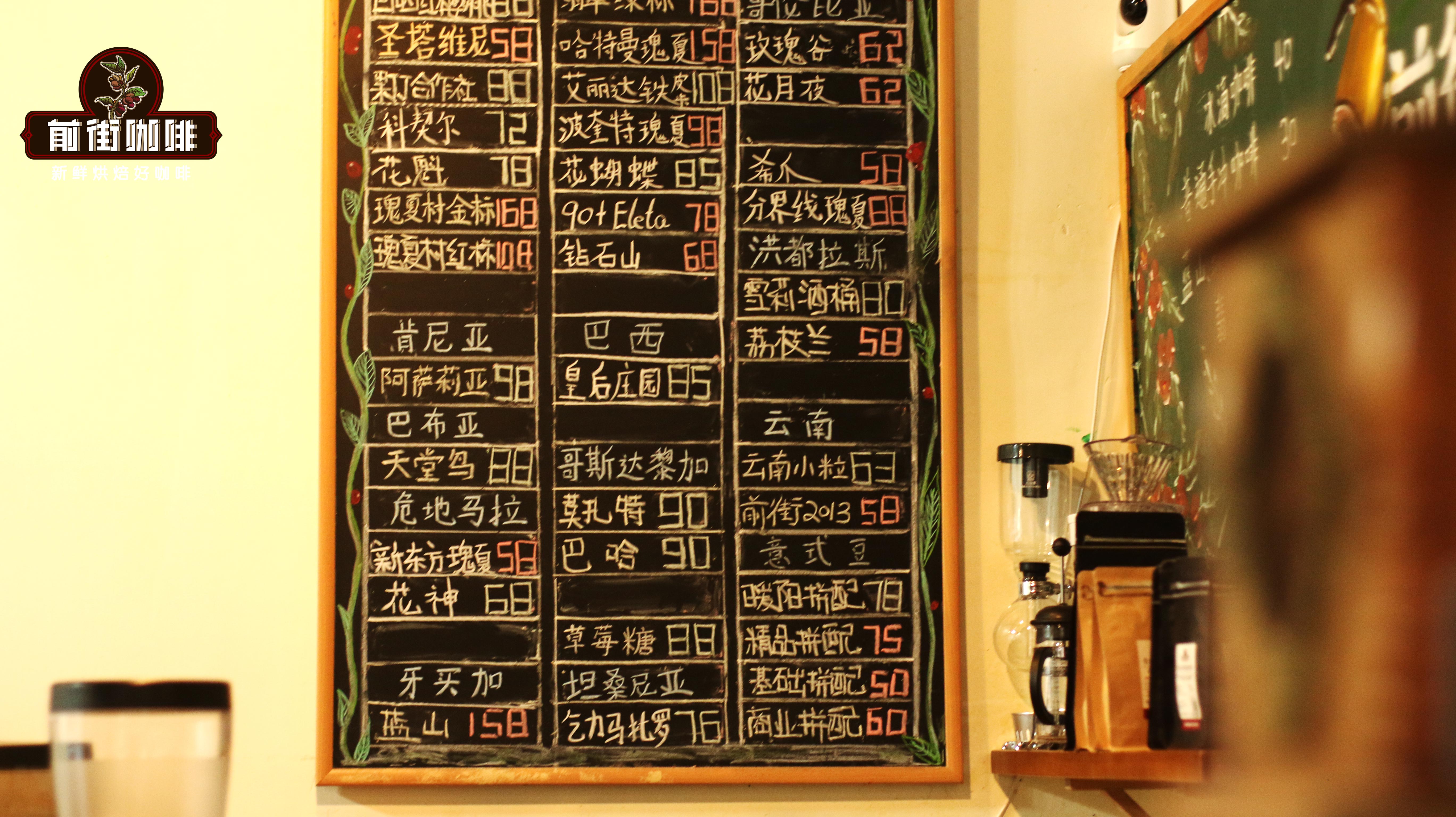
Many consumers mistakenly believe that the lighter the coffee is roasted, the more sour it becomes, but in reality the flavor is influenced by the complex interplay of acid transformation and sugars during roasting. This article begins with the inherent organic acids in green beans, sorting out the patterns of change in formic acid, acetic acid, citric acid, and others before and after first crack, and uses Front Street Papua New Guinea washed Typica cup tests from two roasts to illustrate that the light-medium range often shows the most pronounced acidity, while extremely light roasts instead appear sweet and mellow. Then, for readers who enjoy fruity acidity and floral aromas, the Front Street editors review five single-origin coffees with fruity and floral notes: Fruit Ding Ding, Little Tomato, Strawberry Candy, Big Navel, and Flower Butterfly, with variety, processing method, and flavor descriptions included for brewing reference. [more…]
Colombia Flower Moon Night and Rose Valley Coffee Bean Flavor Analysis and Detailed Explanation of Anaerobic Processing
Colombia is located in the northwest of South America, with a mild, spring-like climate that provides a superior growing environment for coffee trees. The country is an important producer of high-quality coffee worldwide, with beans mostly grown in the high-altitude regions of the Andes Mountains, requiring manual harvesting, and washed processing being relatively common. In recent years, special processing methods such as anaerobic fermentation have gradually become popular, and Front Street Coffee has also launched two representative beans, Rose Valley and Flower Moon Night. This article will compare the differences between these two Colombian coffees from the perspectives of variety, processing method, flavor performance, and brewing parameters, and introduce the characteristics of Front Street Coffee's daily beans such as Huila and Isabella, helping enthusiasts understand the diversity of Colombian coffee more systematically. [more…]