







Search Results for: Ghost Teeth
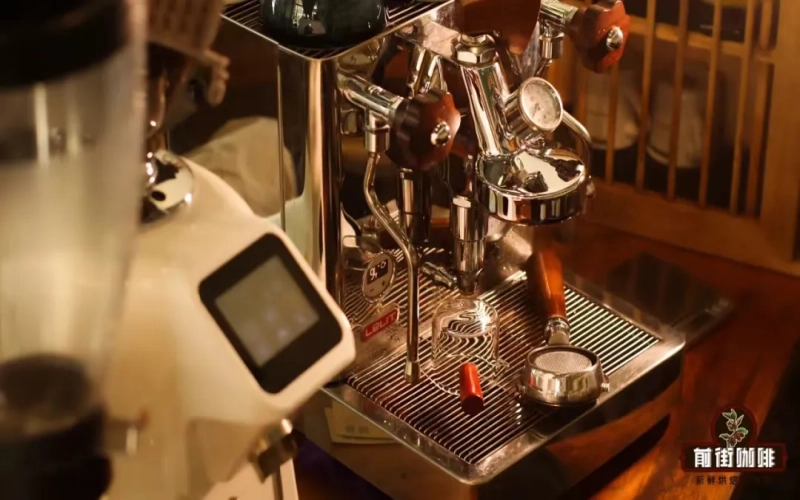
Hand-crank or electric? How to choose between flat burrs, conical burrs, and ghost teeth? The complete guide to buying a coffee grinder
Faced with the dazzling array of coffee grinders on the market, beginners often don't know where to start. This article, from the perspective of Front Street, systematically sorts out three core approaches to choosing a grinder: power source, price tier, and burr structure. The article first distinguishes the applicable scenarios and pros and cons of hand grinders versus electric grinders, then divides hand grinder tiers by budget and the timing for getting into electric grinders, and reminds readers that electric grinders for espresso and single-origin coffee cannot be used interchangeably. Finally, it provides an in-depth analysis of the grinding methods of flat burrs, conical burrs, and ghost tooth burrs, and their impact on coffee particle shape, particle size distribution, and final flavor. Whether you are a student just getting started or an advanced player with a sufficient budget, you can find a purchasing direction that suits you. [more…]

Manual or Electric Coffee Grinder: How to Choose? A Full Analysis of Flat Burr, Conical Burr, and Ghost Tooth Burr Differences
Faced with the dazzling array of coffee grinders on the market—ranging from a few dozen yuan to tens of thousands, from hand grinders to electric ones, from flat burrs to ghost teeth—beginners often don't know where to start. Drawing on years of experience running a shop, Front Street Coffee systematically sorts out the approach to choosing a grinder from three angles: power source, price tier, and burr type. The article will explain the scenarios each of hand grinders and electric grinders suits, analyze which type of machine should be prioritized under different budgets, and explain the differences between flat burrs, conical burrs, and ghost teeth in terms of grinding method and particle shape, as well as how these differences affect extraction flavor. Whether you're a student just getting started, a traveling coffee enthusiast, or a home user preparing to upgrade your equipment, you'll be able to find a direction that suits you. [more…]
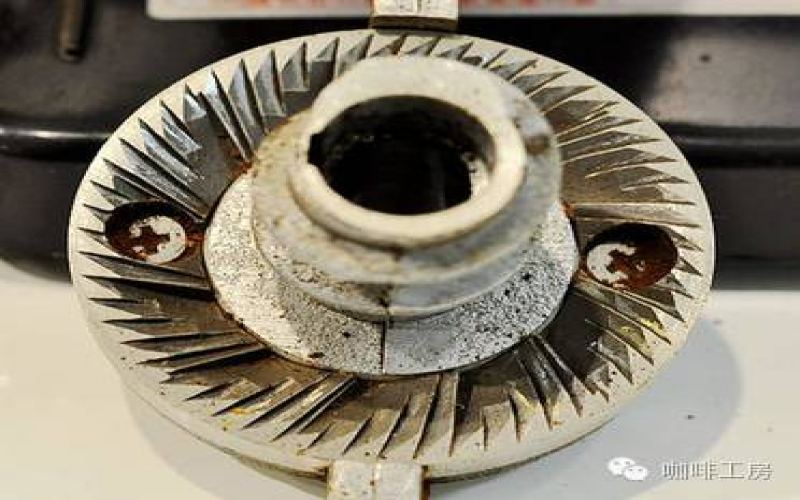
Coffee Grinder Buying Guide: How to Choose Between Flat Burrs, Conical Burrs, and Ghost Teeth, Plus a Full Analysis of Common Models' Grind Settings and Extraction
Faced with the dazzling array of coffee grinders on the market, many coffee enthusiasts find themselves paralyzed by choice. In truth, the coffee world has never had a single standard—different burr sets each have their strengths and weaknesses. Starting from burr types, this article takes a deep dive into the structural differences between flat burrs, conical burrs, and ghost-tooth burrs, along with their real-world impact on particle shape, extraction results, and final flavor. It also includes practical grind-setting parameters for commonly used models such as the Fuji Royal, Feiying, and Zheng Huang Hang, helping you find a grinding approach that suits your brewing method and taste preferences. [more…]
Manual or Electric? How to Choose Between Flat, Conical, and Ghost Tooth Burrs? The Complete Guide to Buying a Coffee Grinder
Faced with the bewildering array of coffee grinders on the market, beginners often don't know where to start. This article systematically sorts out the approach to buying a grinder from three dimensions: power source, price range, and burr structure. Whether you're a pour-over enthusiast just getting started or an advanced player preparing to upgrade your equipment, you'll be able to find a direction that suits you here. The article will also introduce several highly cost-effective electric grinder products recommended by Front Street Coffee, helping you make a wise decision based on your budget and extraction method. [more…]

How Fine Should You Grind for Pour-Over Coffee? A Full Analysis of Grinder Burr Types and Sieve Calibration
Grind size is one of the core variables in pour-over coffee extraction, directly affecting water flow rate, extraction yield, and the final flavor profile. But with conical burrs, flat burrs, ghost tooth burrs, and other burr types on the market, along with the complex distribution of coarse, fine, and extra-fine particles, how can you find the right grind setting for your coffee beans? Front Street Coffee starts from how burr structure affects particle size, combines it with practical testing methods using standard inspection sieves, and systematically sorts out the grind passing-rate standards corresponding to different roast levels and brewing methods, helping you determine grind parameters in a quantifiable way so that every brew is more stable and controllable. [more…]
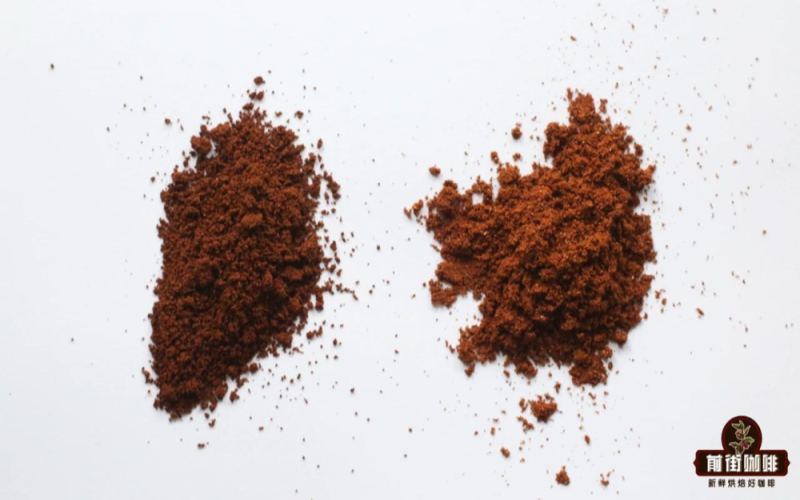
How to distinguish coffee bean grind sizes? A reference for pour-over grind adjustment and 0.85mm sieve calibration
The first step in coffee brewing often begins with grinding. Different extraction methods have different requirements for coffee grounds: a French press needs coarse particles visible to the naked eye, while a Turkish pot requires a grind as fine as flour. At the same weight, the finer the grind, the greater the number of cuts and the larger the surface area, and the more opportunities water has to contact the coffee grounds, so flavor compounds are released faster. To move away from vague descriptions like "as coarse as granulated sugar," Front Street Coffee uses standard sieves to calibrate particle size: generally, pour-over coffee particles are between 600-850 microns; when tested with a 0.85 mm (No. 20) sieve, the pass rate is about 80% for light roasts and about 65-70% for medium-dark roasts. This article will also compare the pass rates of common methods such as cold drip, siphon, moka, American drip filter, cupping, and French press, and introduce the effects of conical burrs, flat burrs, and ghost teeth burrs on grinding results, as well as recommendations for choosing between hand grinders and electric grinders. [more…]
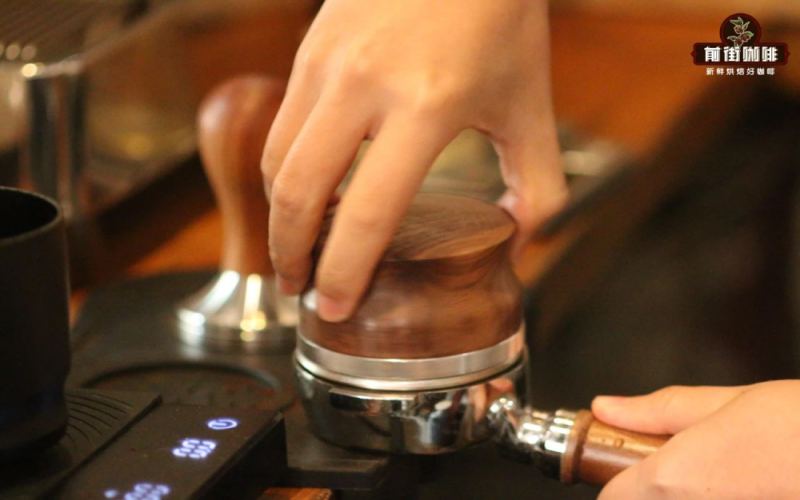
Espresso Brewing Basics | How Can Coffee Beginners Make Espresso? What Are the Steps in the Standard Espresso Brewing Process?
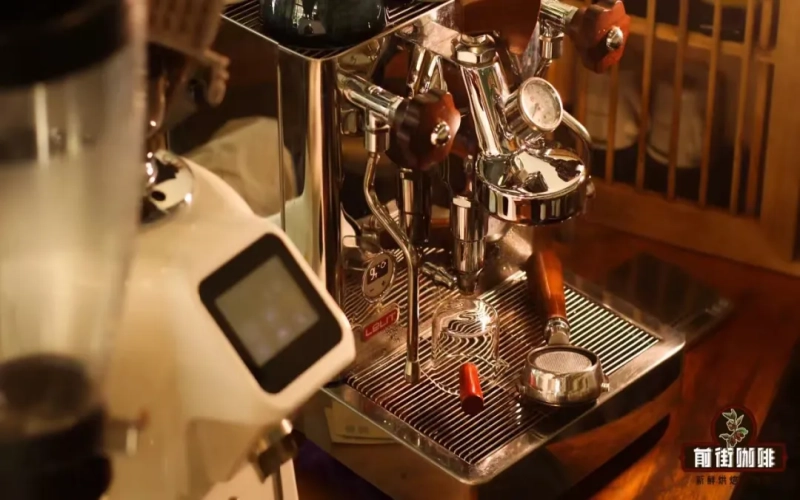
As public demand for coffee grows, more and more coffee enthusiasts are buying related coffee equipment. In the third wave of specialty coffee, online sales of pour-over coffee equipment have been steadily rising, and it is also becoming increasingly common for coffee lovers to keep an espresso machine at home. However, [more…]
Espresso Beginner's Guide: A Complete Breakdown of Coffee Grind Size, Extraction Parameters, and Coffee-to-Water Ratio
For enthusiasts who are just getting into espresso, how to correctly use a coffee machine to extract a qualified shot of espresso is often the most confusing part. From the choice of coffee beans and the type of grinder, to the adjustment of grind size, the techniques of distributing and tamping the grounds, and then to the control of the coffee-to-water ratio, extraction pressure, and temperature—every variable directly affects the flavor in the final cup. Based on the practical experience of Front Street Coffee, this article systematically sorts out the complete knowledge framework of espresso extraction, helping beginners establish clear parameter concepts, while also sharing Front Street Coffee's specific latte recipe and milk frothing techniques, making home espresso preparation more methodical. [more…]
The Origin of Panama Finca El Fuego Coffee and an Analysis of Panama's Coffee Grading System
How did coffee from Panama's Fuego y Piedra estate enter the specialty coffee world? And what is the background of its Catuai variety? Meanwhile, what are the grading standards for Panamanian coffee beans? This article will focus on Fuego y Piedra Estate's honey-processed Catuai, covering everything from the variety's origins, terroir, and cupping performance to brewing parameters, and will also outline Panama's coffee-growing regions and grading system, giving you a complete picture of this bean. The article also includes recommendations and product information from Front Street Coffee, making it suitable for coffee enthusiasts to read in depth. [more…]
Nicaraguan Sun-Dried Maragogype Coffee Brand Recommendations, Pour-Over Steps Explained in Detail, and Flavor Profile Introduction
Maragogype is a strikingly large derivative variety within the Arabica family, with beans that can be more than three times the size of ordinary coffee beans. This article focuses on sun-dried Maragogype from Nicaragua. It first introduces the classification, origin, and varietal characteristics of Maragogype, then highlights the Nicaragua Finca La Tormenta sun-dried Maragogype produced by Front Street Coffee, and provides detailed pour-over extraction parameters and operating steps. It also outlines the geographical distribution and altitude characteristics of Nicaragua's four major coffee-producing regions, and analyzes the country's coffee's distinctive performance in body, acidity, and aroma. Whether you want to understand the Maragogype variety or are looking for a brewing method for Nicaraguan coffee, this article offers complete information and practical reference. [more…]
A Complete Analysis of the Flavor Characteristics, Pour-Over Parameters, and Name Origin of Indonesian Lintong Mandheling Coffee Beans
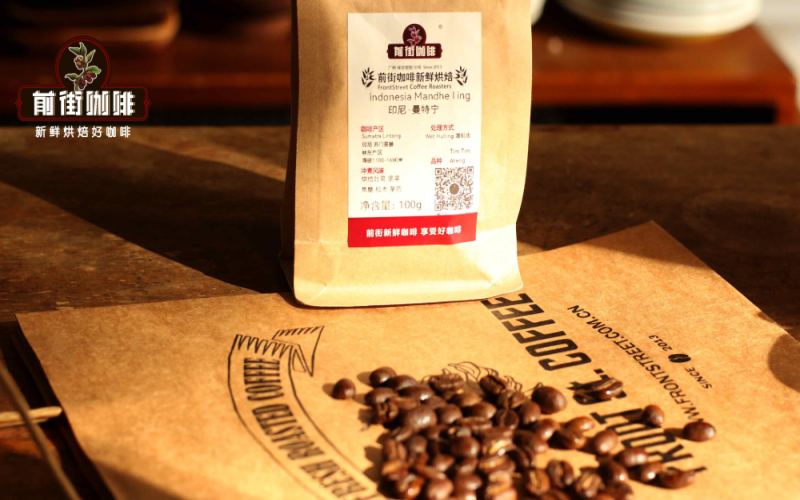
In the coffee landscape of Asia, islands such as Sumatra and Java in the Malay Archipelago occupy an important position, and the Mandheling produced in Sumatra is even more renowned. This article will focus on Front Street Coffee's Indonesia Lintong Mandheling, breaking it down one by one from country, grade, region, processing method, and altitude to flavor, and comparing the similarities and differences between Lake Toba and Lake Tawar, the "Two Lakes, Two Mandhelings," while introducing the more premium Front Street Coffee PWN Golden Mandheling. At the same time, a detailed pour-over recipe is provided, including coffee dose, grind size, dripper, water temperature, pouring rhythm, and extraction time, along with the interesting story of how the name Mandheling accidentally spread during World War II. [more…]
A Beginner's Guide to Pour-Over Coffee: Equipment Recommendations, Brewing Step-by-Step Guide, and Cost-Effective Everyday Beans
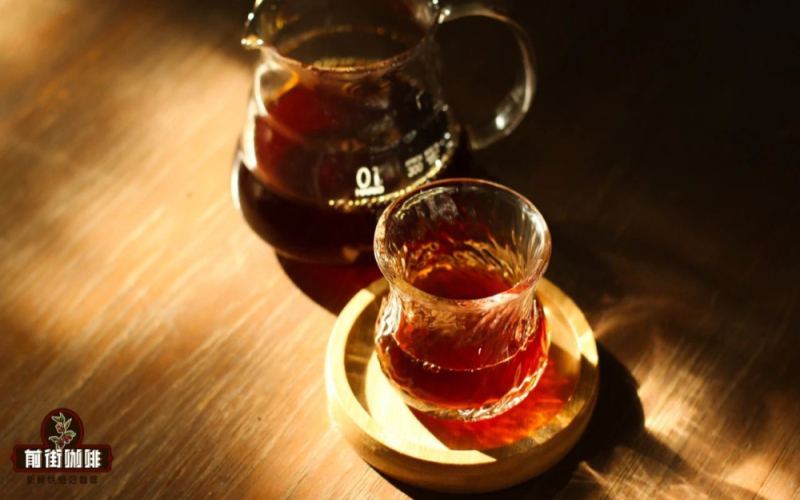
The appeal of pour-over coffee lies in the fact that everyone can brew a flavor that is uniquely their own. This article is aimed at home enthusiasts and small coffee shops, and provides a systematic overview of all the equipment needed to get started with pour-over—from gooseneck kettles, drippers, and grinders to filter papers, digital scales, thermometers, and carafes—offering an analysis of the pros and cons of specific brand models along with purchasing advice, and including a complete eight-step brewing tutorial. Finally, it recommends several highly cost-effective Front Street single-origin coffee beans, at a cost of only about six yuan per cup, making them ideal for daily practice and home enjoyment. [more…]
Ethiopia Washed Yirgacheffe Aricha G1: Origin Characteristics, Flavor Description, and Pour-Over Parameters
Yirgacheffe Aricha G1 is one of the flagship specialty coffees of Ethiopia, renowned for its flavors of sweet orange, cherry, and honey sweetness. This article provides a detailed introduction to its growing region information, the background of the Project Origin initiative, the washed processing workflow, and the pour-over brewing parameters recommended by Front Street Coffee. Whether you want to understand the washed and natural classifications of Yirgacheffe, or are looking for a coffee bean that combines fruity and floral notes, this article will offer you a comprehensive reference. [more…]
A Complete Guide to the Flavor Characteristics and Origins of Indonesian Lintong Mandheling Coffee Beans, Pour-Over Parameters, and Mandheling Classification
In the Asian coffee landscape, the islands of Sumatra, Java, and Kalimantan in the Malay Archipelago occupy a pivotal position, among which Mandheling from Sumatra, Indonesia, is particularly renowned. Lake Toba in North Sumatra Province and Lake Tawar in Aceh are together known as the "Two Lakes, Two Mandhelings" — the former has a muted, low-toned aroma, while the latter has brighter fruit acidity with woody notes. The name Golden Mandheling is registered and held by Pwani Coffee Company, but with advances in cultivation techniques, many Mandhelings have already approached its top-tier standard. This article will unfold one by one from the origin story, classification methods, and green bean characteristics to specific pour-over parameters, and is accompanied by product information recommended by Front Street Coffee, to give you a comprehensive understanding of this full-bodied, rich classic coffee. [more…]
Costa Rica Tarrazu San Ramon Washed Beans: A Flavor Story from Mill to Cup and Brewing Parameters
Costa Rica is the first country in Central America to cultivate coffee. Over two centuries, its volcanic terroir and microclimates have nurtured world-class quality. This article takes you into the San Román processing plant in the Tarrazú region to understand how its washed process shapes a thick, full-bodied sweetness reminiscent of bitter-sweet chocolate and butterscotch, along with a restrained wine-like acidity. It also shares Front Street Coffee's manual brewing parameters and provides an overview of Costa Rica's seven major coffee regions and the industry at large. Whether you want to understand the processing plant revolution or are looking for your next everyday daily brew, this article has you covered. [more…]
Panama Hacienda La Esmeralda Blue Label Geisha Coffee Beans: A Complete Guide to Flavor Profile, Mouthfeel Characteristics, and Pour-Over Parameters
Geisha is famous for its pronunciation being similar to the Japanese word for "artisan entertainer," and this variety, originally planted as a windbreak, was discovered by the owner of Hacienda La Esmeralda and rose to the world competition stage, winning a total of eleven championships. This article provides a comprehensive introduction to the origin information, variety history, and flavor characteristics of Panama Hacienda La Esmeralda Blue Label Geisha, and also offers detailed pour-over extraction parameters. From its discovery in the forests of Ethiopia in 1931 to the sky-high bid prices at Panamanian auctions, Geisha's legendary journey is worth understanding for every coffee enthusiast. It also includes purchasing information from Front Street Coffee for readers' reference. [more…]
Panama Finca La Mula Single-Origin Coffee Beans: Historical Origins, Terroir, and the Cultural Story of the Catuai Variety
Panama, as an important origin of specialty coffee globally, has many renowned estates in its western region near Costa Rica and the Pacific Ocean. The Boquete production area in Chiriquí Province is the most famous, while Volcán, Candela, and other places also produce high-quality coffee beans. This article begins with the geographical distribution and historical culture of Panamanian coffee, combines the cupping performance and brewing parameters of Front Street Coffee's Fuego Estate Honey-Processed Catuai, and outlines the hybrid origin and cultivation characteristics of the Catuai variety, taking you behind the story of Front Street Coffee's Panama Fuego Estate single-origin beans. [more…]
Indonesian West Java Arimani Honey Process Coffee Flavor Analysis and Pour-Over Parameter Guide
The honey-processed Armani coffee produced in West Java, Indonesia, breaks the stereotype of Indonesian coffee as heavy, bittersweet, and earthy with its distinctive tropical fruit aromas and a clean, sweet finish. This bean comes from the Mount Tilu growing region at an altitude of 1,400 to 1,600 meters, and the honey process preserves the sweet flavors of ripe fruit. This article will guide you through a comprehensive understanding of this elegant offering, which scores as high as 92 points in cupping, covering the principles of the honey process, the terroir of the West Java region, the flavor performance of the Armani bean variety, and the pour-over extraction parameters recommended by Front Street Coffee. [more…]
Papua New Guinea Kimel Estate Peaberry: Flavor Profile, Growing Background, and Pour-Over Parameters Explained
Although Papua New Guinea is not a major coffee-producing country, it has secured a place in Oceania's specialty coffee scene thanks to its washed Arabica beans. The Kimel Estate, located in the Wiki Valley of the Western Highlands, is jointly owned by smallholder farmers of the Opais ethnic group, who cultivate diverse varieties such as Typica, Arusha, and Blue Mountain, producing coffee that combines bright fruit acidity with a rich, full-bodied mouthfeel. This article focuses on the Kimel Estate PB peaberry beans sourced by Front Street Coffee, outlining their origin terroir, cultivation history, variety composition, and washed processing method, along with pour-over brewing parameters and flavor descriptions, to give you a complete understanding of this unique bean with high body, medium acidity, and notes of nuts, sugarcane, and spice. [more…]
Front Street Coffee Panama Firestone Estate Honey-Processed Catuai Flavor Analysis and Pour-Over Parameters Explained in Detail
The honey-processed Catuai from Panama's Fuego Estate is one of Front Street's most distinctive single-origin beans. It comes from the Solo Fuego producing region and is medium-roasted. In cupping it shows a complex profile of lemon, orange, cranberry and green tea, with rich fruit acidity, prominent sweetness, an even and smooth body, and a long, lingering finish accompanied by gentle floral notes. Catuai itself is a cross between Caturra and Mundo Novo, with a short stature, resistance to wind and rain, and firm fruit, and is widely planted in Central America. This article will outline the producing region background and variety characteristics of this bean, and provide Front Street's specific pour-over parameters, including coffee dose, grind size, water temperature, pouring rhythm and extraction time, for coffee lovers to reference and replicate. [more…]