







Search Results for: Geisha Tasting
A Guide to Tasting Geisha Coffee: From Aroma to Palate, Master the Flavor Differences Between Panamanian and Ethiopian Geisha
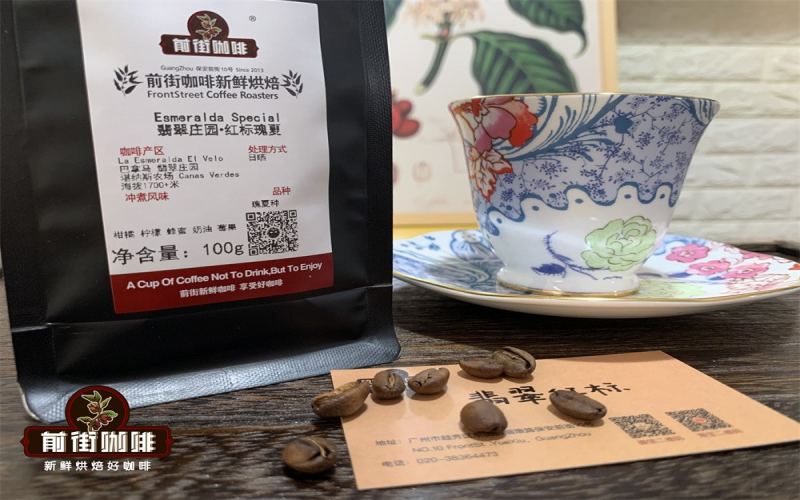
Since Geisha coffee rose to fame from Panama's Hacienda La Esmeralda, it has firmly held its place as one of the most expensive coffees in the world, with a reputation that even surpasses Blue Mountain. Countries around the world have rushed to cultivate Geisha, and it is also grown in Yunnan, China, but the flavor has always struggled to match Panama's—thanks to the加持 of microclimates. So how exactly should such an expensive Geisha be drunk to live up to its price? Front Street Coffee believes that tasting Geisha requires experiencing it sequentially from high temperature to low temperature, drinking it within 20 minutes, progressing layer by layer from smelling the aroma, tasting the flavor, identifying defects, to portion and temperature. At the same time, Ethiopia, as the genetic homeland of Geisha, produces Geisha that is completely different in flavor from Panama Geisha. This article will also sort out the differences between the two and include Front Street's roasting and brewing suggestions. [more…]
A Complete Tasting Analysis of Panama Geisha Coffee: Where Do the Floral and Fruity Aromas Come From, and How Are High-Grade Flavors Formed?
Geisha is one of the most talked-about coffee varieties in the world today, and it is especially famous for the Geisha produced in Panama's Boquete region. It has distinct floral and citrus notes, completely overturning many people's ingrained impression that coffee is "nothing but bitter." This article begins with an amusing incident at a Front Street store, traces Geisha's migration from Ethiopia to Panama, analyzes the multiple reasons behind its high price, and, combined with the tasting experience of Front Street's Hacienda La Esmeralda Green Label Geisha, explains the specific expression of its floral and fruity aromas. At the same time, from the perspectives of variety characteristics, growing conditions, post-processing, and roast level, the article explains why Geisha does not taste like traditional coffee, helping readers understand this "expensive Geisha" and the logic of its flavor more comprehensively. [more…]

Geisha Coffee Flavor Description | Where Does the Floral Aroma of Geisha Come From? Which Great-Value, Great-Tasting Panama Geisha Coffees Are Must-Buys for Beginners?
Before Geisha coffee beans became known to the world, everyone sought coffee with a rich, mellow style. But after Geisha emerged, what people pursued was coffee beans with prominent floral aromas, fresh fruity notes, and a bright mouthfeel. The formation of Geisha's floral aroma depends partly on the variety itself, growing conditions, harvesting, and post-processing. [more…]
Flavor Analysis of Panama Elida Estate Geisha Coffee Beans: Tasting Review of the ASD Slow Anaerobic Natural Process
Geisha, once regarded as a windbreak tree, is now a brilliant star in the specialty coffee world. And the Geisha produced by Elida Estate in Panama, with its unique terroir and processing method, has become a top-tier existence second only to Hacienda La Esmeralda. This article will provide an in-depth analysis of this Geisha coffee bean processed using ASD slow anaerobic natural method, taking you from the estate's history and growing environment to its flavor performance, allowing you to appreciate its intense jasmine aroma, fresh lemon and pomelo sweetness, and lactic acid-like soft acidity. At the same time, Front Street Coffee, as a specialized roastery, also shares the tasting details and brewing experience of this bean, and continues to offer promotional activities so that more enthusiasts can taste high-quality coffee. [more…]
Panama Geisha Beans | What Are the Flavor Characteristics of Geisha from the Boquete Region? Must-Buy Recommendations for Newbies: Great-Tasting, Affordable Geisha Pour-Over Coffee Bean Brands
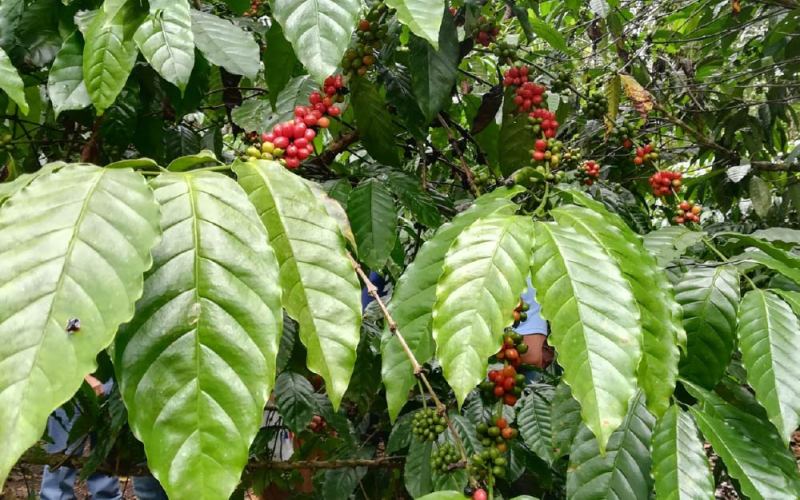
Since Geisha coffee became famous, it has been cultivated in many regions around the world. Geisha coffee is the new king of specialty coffee, with the highest quality and most expensive beans produced in South American countries such as Panama, Guatemala, and Colombia, among which Panamanian Geisha is the most renowned. Although many origins now grow it, [more…]
JD.com wins Panama BOP Natural Geisha auction top lot for 3.4 million yuan, will launch a 9.9 yuan tasting event
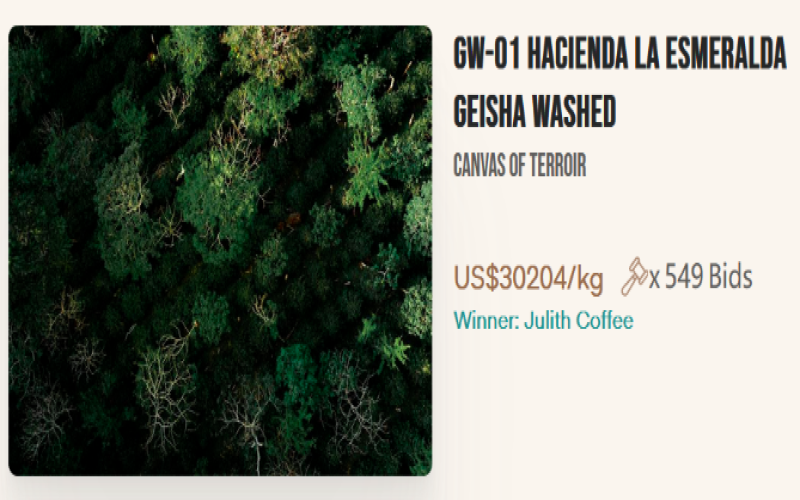
Recently, the Panama BOP (Best of Panama) green bean auction, hailed as a grand event in the coffee world, has successfully concluded. In this year's auction, Hacienda La Esmeralda Geisha once again rewrote the historical transaction record: the washed group was purchased by Dubai's Julith Coffee for a staggering $30,204 per kilogram, setting a new global record for the highest unit price in coffee auctions. What excited the domestic coffee community even more was that the top lot in the natural group was won by JD.com for approximately 3.4 million RMB, with 20 kilograms of green beans going through 2,676 intense bids. JD.com subsequently announced that this batch of Geisha will be roasted and processed for exclusive sale on JD Supermarket, accompanied by activities such as a "spend 5,000, save 4,990" coupon and 9.9 yuan tasting slots, giving ordinary consumers a chance to experience top-tier specialty coffee. Front Street Coffee will also continue to follow the subsequent developments after this top lot arrives in port. [more…]
The Origin Legend of Geisha Coffee and a Brewing & Tasting Guide: Flavor Characteristics and Historical Context
Geisha, a name that resounds like thunder in the coffee world, from the primitive forests of Ethiopia to the high-altitude estates of Panama, it has written a legend over nearly a century. This article sorts out the complete historical context of Geisha coffee, starting from the seeds collected by the British on Geisha Mountain in 1931, going through Kenya, Tanzania, Costa Rica, and finally shining brilliantly at Hacienda La Esmeralda in Panama. The article also introduces Geisha's demanding growing conditions, its scarce yield, and how it has become a sky-high-priced bean at auctions. For enthusiasts who want to gain a deeper understanding of Geisha, at the end of the article there are Front Street Coffee's brewing suggestions and taste descriptions, helping you experience the charm of this star bean at home. [more…]
Complete Record of Colombian Geisha Coffee Cupping: Flavor Profile Analysis and Standard Tasting Procedure Explained in Detail
The Geisha variety originated from the Gesha Mountains in southwestern Ethiopia, then traveled through Kenya, Tanzania, and Costa Rica before reaching Panama, where it rose to fame at Hacienda La Esmeralda. Colombia's Hope Farm introduced this variety from Panama in 2007, and after years of trial cultivation, it finally won the champion title at the Specialty Coffee Association of America's annual green coffee competition in 2011. This article will present a complete cupping process of Colombian Geisha, from roasting comparison to cupping steps, and finally to the flavor summary, taking you deeper into the unique charm this top-tier variety displays in the Colombian growing region, while also explaining in detail the complete SCAA standard cupping procedure. [more…]
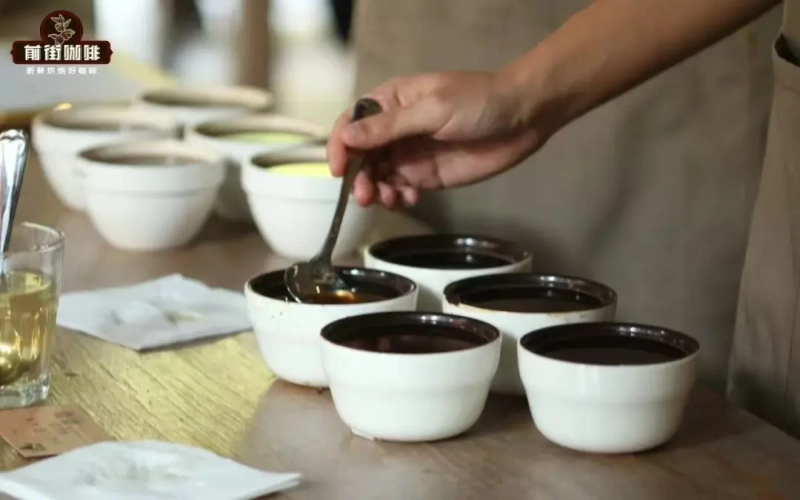
From Dry Aroma to Aftertaste: A Complete Guide to the Specialty Coffee Cupping Process and Tasting Key Points
For friends who are just getting into specialty coffee, the term "cupping" may feel both familiar and unfamiliar. Although people often mention it, when it comes to actually attending a cupping session, many are not clear about what exactly to do or which details to pay attention to. This article starts from practical operation and provides a complete overview of the four major stages of cupping—observing the beans, evaluating the dry aroma, experiencing the wet aroma, and tasting by mouth—and, with an on-site demonstration using two Front Street Coffee Geisha beans, breaks down one by one the scoring items and sensory key points on the cupping form. It will also share how to deal with common problems such as olfactory fatigue and being unable to taste the flavors, helping beginners more calmly capture the full picture of the coffee during cupping. [more…]
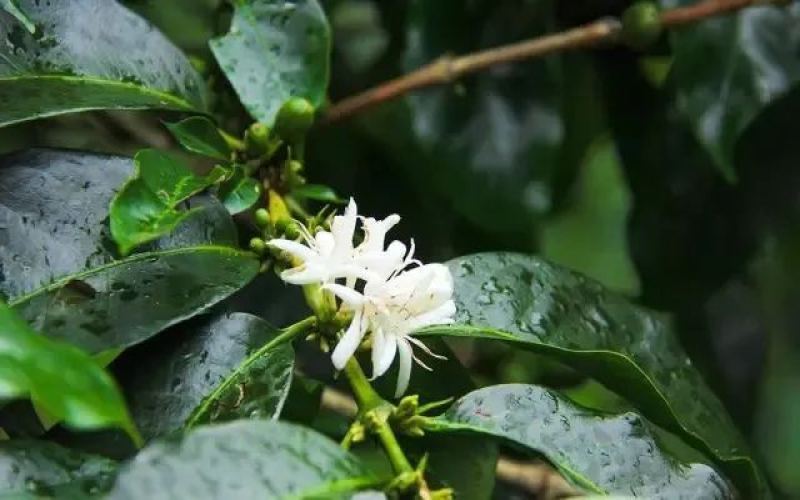
Analyzing the Flavor Characteristics of Geisha Coffee Beans: From Variety Origins to Panamanian Legend and Brewing Tasting
Geisha is one of the most celebrated varieties in today's specialty coffee world, overturning the stereotype that coffee can only taste bitter with its rich floral aromatics, bright citrus acidity, and honeyed sweetness. This article begins with the variety's origins, tracing its legendary journey from the forests of Ethiopia to Hacienda La Esmeralda in Panama, and its breakthrough victory at the 2004 BOP competition, while analyzing how Panama's terroir shapes its soaring aromatics and complex layers. The article also introduces the flavor profile of Front Street Coffee's Hacienda La Esmeralda Green Label Geisha, along with the recipe and brewing suggestions for Front Street Coffee's Butterfly, a high-value Geisha blend, helping coffee lovers experience Panama Geisha's distinctive citrus-honey notes and elegant florals in a more accessible way. [more…]
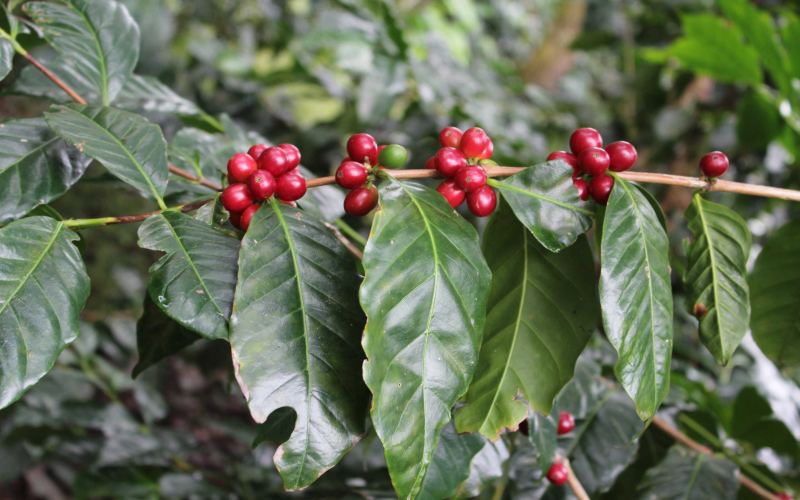
Geisha Coffee Bean Grading and Flavor Profile Analysis, with Detailed Pour-Over Parameters and Tasting Methods
Geisha is one of the most iconic varieties in today's specialty coffee world. From its discovery in the forests of Ethiopia to its rise to fame at Hacienda La Esmeralda in Panama, its fresh floral aroma and bright fruit acidity completely changed people's understanding of coffee roast levels. But not every Geisha delivers a stunning cup—growing region, processing method, and roast level all create significant differences. This article reviews the history of Geisha's spread as a variety, the flavor differences across producing regions, and, drawing on Front Street Coffee's roasting and brewing experience, offers a pour-over grind size, water temperature, coffee-to-water ratio, and three-pour recipe for medium-light to medium-roast Geisha, helping coffee lovers gain a more complete understanding of how to enjoy this bean. [more…]
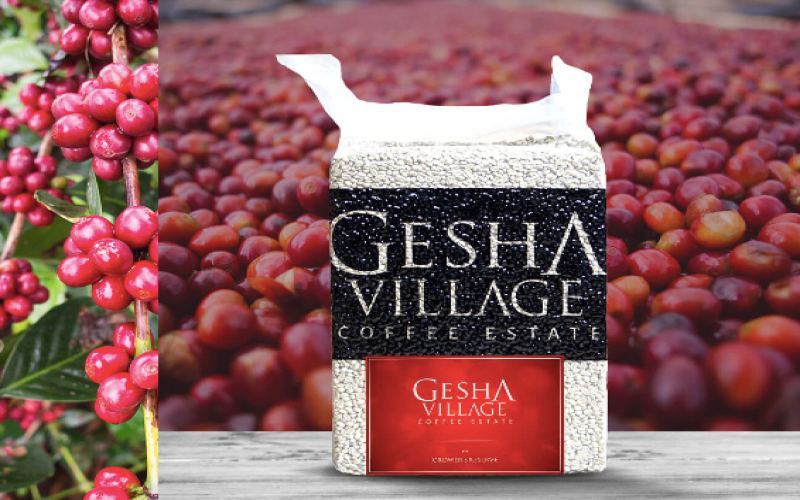
What Grade Does Red Label Geisha Belong To? Key Points for Tasting Ethiopian Geisha and a Full Breakdown of the Gesha Village Grading System
Within Gesha Village Estate, there is a strict internal grading system, from auction lots to Chaka batches, with each grade corresponding to a different share of production and quality performance. The Red Label batch, as an option that combines traceability and value for money, scores over 88 points in cupping and has the typical Gesha Village flavor profile. This article will start from the specific information of Front Street Gesha Village Red Label Natural Gesha coffee beans, outline Gesha Village's grading system, introduce the discovery history of the Gori Gesha Forest and the estate's plot management approach, and analyze the differences between the various batches, helping coffee enthusiasts understand the tier positioning and tasting direction of Red Label Gesha. [more…]
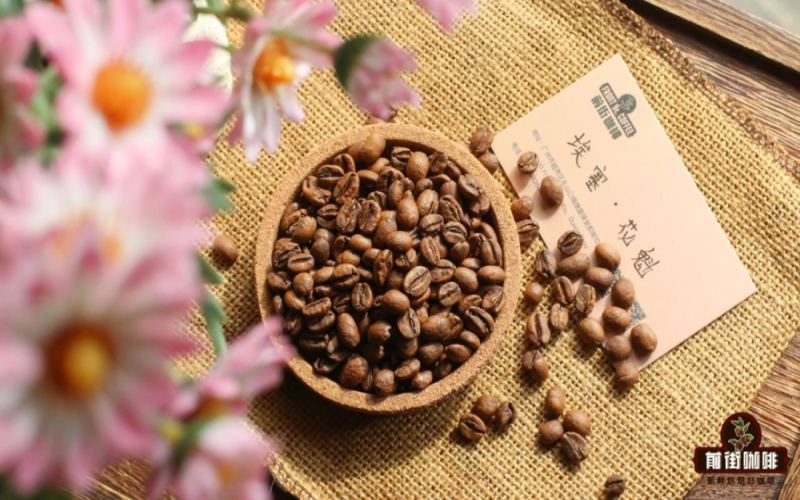
Analysis of the Flavor Characteristics of Huakui Coffee and Buying Suggestions for Fresh, Great-Tasting Natural Process Beans
The name Geisha itself carries a hint of floral and fruity aroma. As a high-quality natural-process coffee from the Hambela region of Ethiopia, it comes from the southwestern highlands, like many Ethiopian beans, and after brewing, its floral and tropical fruit notes stand out remarkably, leaving an unforgettable aftertaste that has made it one of the favorite specialty coffees for many people. However, with such fame, all kinds of "Geisha" products have popped up on the market. To pick the one that is truly fresh and delicious, you need to consider several aspects, including origin information, roast date, and roaster selection. Below, we will discuss the key points for buying Geisha coffee from the perspectives of origin and processing plant, freshness control, roast level, and brand channels. [more…]
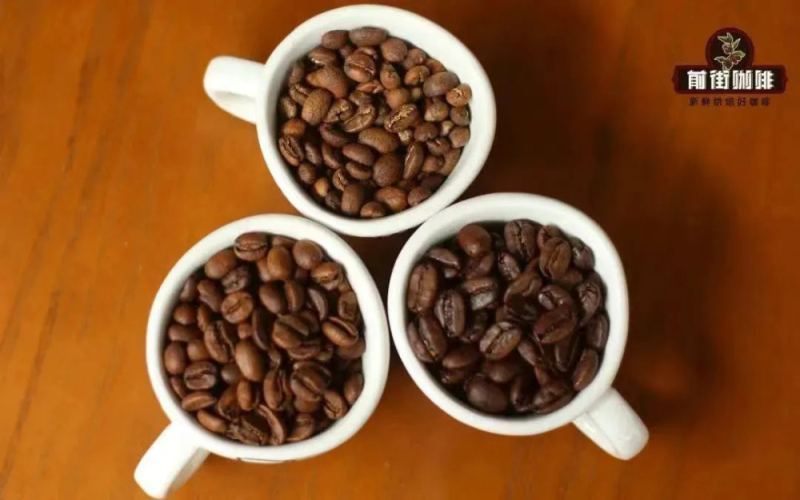
Coffee Beginner's Must-Read: From Green Bean Grading to Sensory Tasting, Understanding Common Coffee Terminology in One Article
Friends who are new to coffee are often baffled by the various technical terms on menus or packaging. By pass, Crema, Geisha, Huakui... what exactly do these words mean? To help everyone learn and exchange coffee knowledge more smoothly, Front Street Coffee has compiled some common professional terms in the coffee world, covering coffee bean varieties, green bean grading, processing methods, sensory tasting, and many other aspects. Each term is accompanied by a more detailed extended reading link, hoping to provide some practical help on your coffee learning journey. [more…]
Panama Deborah Geisha Tasting Guide: Anaerobic Natural Processing and Flavor Analysis of the Savage Series
Front Street Coffee presents the Panama Deborah Anaerobic Natural Geisha, from the Savage series in the Volcán region at an altitude of 2,000-2,350 meters, roasted at a medium level to reveal white florals, pineapple, and lactic acidity, with a full and balanced mouthfeel. This article will guide you through this Geisha's unique processing method—first sun-dried on raised beds until raisin-like, then sealed and fermented anaerobically for 36 hours, retaining all the fruit pulp; at the same time, we step into Deborah Estate's high-altitude microclimate and ecological farming philosophy, and analyze the quality pursuit of the Savage coffee project. At the end of the article, we include SCA-recommended pour-over parameters: 15g coffee, 90-93°C, 225ml water, a 1:15 coffee-to-water ratio, to help you fully unlock this Geisha's flavor potential. [more…]
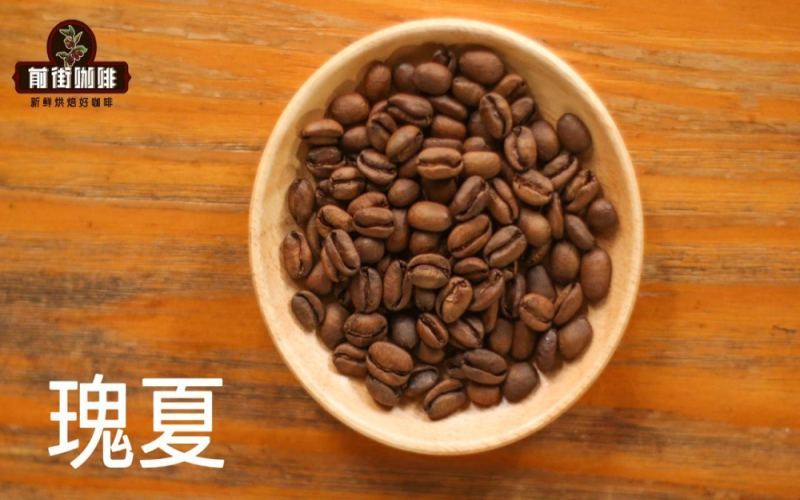
A Horizontal Tasting of Six Panamanian and Ethiopian Geishas: From Hacienda La Esmeralda to Gesha Village, with a Side Note on Drip Bag Brewing Details
Geisha coffee is an unavoidable topic in the specialty coffee world, and when it comes up, most people first think of Panama. However, as the specialty coffee industry has evolved, Ethiopia—Geisha's birthplace—has also produced excellent estates, and Gesha Village Coffee Estate is one of the standout representatives. This article walks you through the development trajectories, plot classifications, and flavor differences of Panama's Hacienda La Esmeralda and Ethiopia's Gesha Village Coffee Estate, and offers worthwhile Geisha picks under the Front Street Coffee brand. In addition, the article includes a practical brewing guide for drip bag coffee, explaining everything from water temperature and pouring to the rhythm of blooming, so you can consistently recreate a cup of layered, complex Geisha at home. [more…]
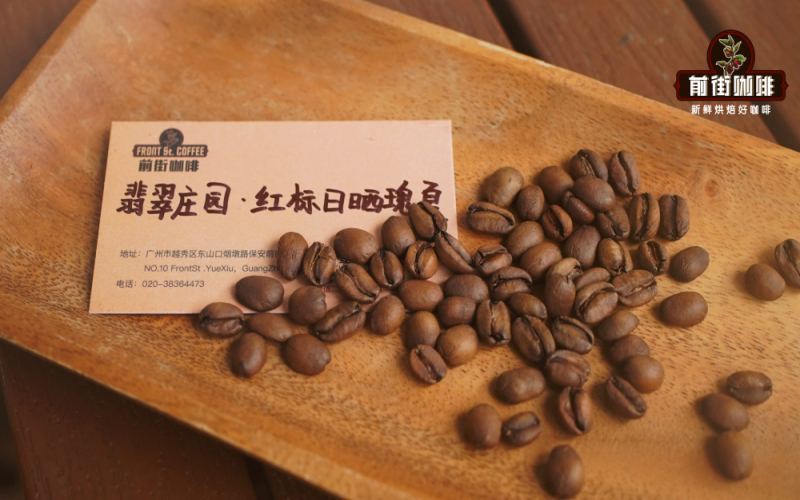
Panama Hacienda La Esmeralda Red Label Geisha Tasting: Front Street Coffee Washed Single-Origin Bean Flavor Profile and Estate History
On the specialty coffee map of Central America, Panama's Hacienda La Esmeralda is world-famous for its Geisha. In this issue, Front Street Coffee brings you a Boquete high-altitude Red Label Geisha—grown at 1,400–1,700 meters, SHB grade, washed process—which, once brewed, reveals a bright acidity reminiscent of fresh oranges, intense floral aromas, and a juicy mouthfeel, with a long, lingering finish. The article also traces the estate's century-long history, from a Swedish buyer's land purchase and an American banker's takeover, to its transformation from a beef cattle farm into a dairy farm and then its venture into coffee, helping you understand the provenance of these beans while you sip. [more…]

Geisha Coffee Tasting Guide: From Proper Brewing Methods to Flavor Characteristics and Why It's So Expensive
Geisha coffee skyrocketed to fame after winning the Panama BOP competition in 2004, becoming a highly sought-after variety in the specialty coffee world. Why is it so expensive? What exactly makes its flavor so special? And how should it be brewed to fully bring out its floral aromas and fruity acidity? From the perspective of Front Street Coffee, this article sorts through Geisha's origins and spread, its strict requirements for growing conditions, the natural processing method, and Hacienda La Esmeralda's Red, Green, and Blue Label grading system, along with specific product information and pour-over parameter recommendations for Front Street's Red Label Geisha, helping coffee lovers gain a more comprehensive understanding of this legendary bean. [more…]
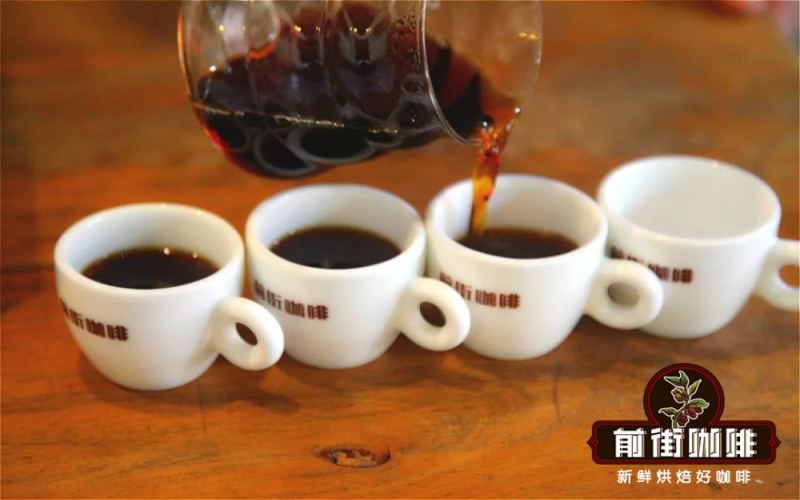
Which black coffee brand is authentic and tasty? A full analysis of the flavor characteristics of Geisha black coffee
Faced with a dazzling array of black coffees, how can you pick the one that is both authentic and delicious? Ultimately, taste is a highly personal matter, and the best choice is the one that suits your own preferences. Today, more and more coffee lovers are pursuing single-origin specialty black coffee, because only a pure extraction with no sugar and no milk allows you to fully savor the terroir carried by the coffee beans. Among the many specialty beans, Geisha stands out with its intense citrus aroma, jasmine fragrance, and bright, varied fruit acidity, making it a star variety that producing countries compete to cultivate. However, the same variety can present completely different flavor profiles in different regions, and the Geisha of Panama, Ethiopia, Costa Rica, and Colombia each has its own merits. This article uses Front Street Coffee's bean selection and brewing experience as a thread to guide you through the characteristics and tasting methods of Geisha black coffee from each region. [more…]
Is Colombian Geisha Coffee an Arabica? Understanding the Flavor Differences Across Growing Regions in One Article
Geisha is an Arabica variety originating from the Gesha Mountains of Ethiopia. It rose to fame after being discovered at Hacienda La Esmeralda in Panama, once fetching a high price of nearly $290 per kilogram. The Herrera family of Finca La Esperanza in Colombia introduced Geisha from Panama in 2007. After years of trial cultivation, they finally won the championship at the Specialty Coffee Association of America's annual green coffee competition in 2011. This article begins with the variety's origin and spread, then combines the author's cupping session in Wangjing, Beijing with Colombian cupper Pei Daxing, documenting in detail the brewing and tasting process of three Geisha coffees, and summarizing their flavor characteristics: lively acidity, intense floral and fruity notes, and a balanced, smooth mouthfeel. At the same time, the article also outlines the flavor differences among Colombia's various coffee-producing regions, providing a practical tasting reference for coffee enthusiasts. [more…]