







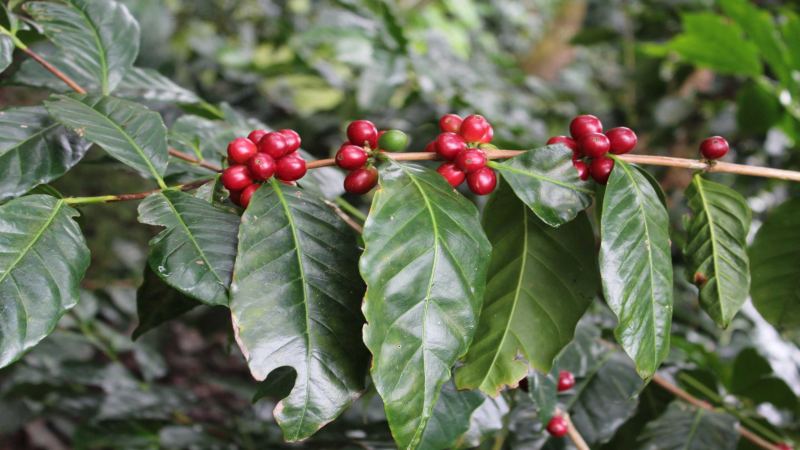
How Do You Grade and Brew Geisha Coffee Beans?
Geisha coffee beans earn their reputation through a fresh floral aroma and bright fruit acidity, but not every lot delivers the same cup. Growing region, processing method and roast level all shift the result, so grading and flavor assessment move together with the brewing recipe rather than sitting apart from it.
The variety was found in Ethiopia's Geisha forest in 1931, reached Uganda and Tanzania by 1936 and Costa Rica in 1953, then traveled to Panama, where high-altitude planting in Boquete reshaped its aroma. For medium-light to medium roasts, pour-over grind size, water temperature, ratio and a three-pour recipe decide the final cup.
Geisha is one of the most iconic varieties in today's specialty coffee world. From its discovery in the forests of Ethiopia to its breakthrough at Hacienda La Esmeralda in Panama, its fresh floral aroma and bright fruit acidity completely changed people's understanding of coffee roast levels. But not every Geisha delivers a stunning flavor—growing region, processing method, and roast level all bring significant differences. This article will outline the history of Geisha's spread, the flavor differences across producing regions, and, combined with Front Street Coffee's roasting and brewing experience, provide pour-over grind size, water temperature, coffee-to-water ratio, and a three-pour recipe for medium-light to medium roast Geisha, helping coffee lovers gain a more complete understanding of how to enjoy this bean.
For professional coffee knowledge exchange and more coffee bean information, please follow Coffee Workshop (WeChat public account: cafe_style).
For more specialty coffee beans, please add the private WeChat of Front Street Coffee: qjcoffeex.
The Geisha variety was first discovered in 1931 in the Geisha forest of Ethiopia, then sent to a coffee research institute in Kenya; in 1936 it was introduced to Uganda and Tanzania, and in 1953 it was brought to Costa Rica.
Research institutes in both Tanzania and Costa Rica noticed that this variety had resistance to coffee leaf rust. However, because its branches were relatively fragile, it was always difficult to propagate on a large scale, so it was mainly used for variety selection and scientific research and recorded under the number T2722.
In the 1970s, Mr. Francisco Serracín of Hacienda Don Pachi in Panama obtained seeds from CATIE in Costa Rica and distributed them to other local farms in Panama to plant together. After entering Panama's Boquete region, Geisha was planted at high altitudes, but at first it did not receive much attention from local farmers.
Over the following three decades, in order to adapt to the local terroir and climate, Geisha coffee quietly underwent genetic adjustments and unexpectedly developed a refined and captivating floral and fruity aroma. Around 2000, the owner of Hacienda La Esmeralda discovered this change and in 2004 sent it separately to compete in the BOP (Best of Panama green bean competition).
Because its flavor was completely different from traditional coffee, that fresh expression greatly impressed the judges and also drew the coffee industry's intense attention to this bean. To this day, Geisha coffee beans are still the first name that comes to mind when people talk about specialty coffee.
The arrival of Geisha coffee broke the fixed practice that coffee could only be dark roasted, making more people realize that as long as the green beans are good enough, light roasting can also show extremely outstanding performance while giving coffee a fresher taste and richer layers.
Although Geisha coffee beans under medium-light roast can present abundant floral aromas, bright fruit acidity, honey-like sweetness, and a floral-tea-like finish, this does not mean that every Geisha can reach such a level.
According to Front Street Coffee's roasting and brewing experience, different growing regions will lead Geisha's flavor in different directions. For example, Geisha produced in Costa Rica is not as bright in acidity as Panama's, and its flavor carries nutty and caramel notes, so it is more suitable for medium roasting to improve the coffee's body and bring out more sweetness.
Geisha coffee is mostly grown at high altitudes, and the beans are relatively hard (lower density), so the flavor is not easy to extract. Therefore, when brewing medium-light to medium roast Geisha, Front Street recommends: medium-fine grind size / fine granulated sugar (75-80% passing through a Chinese No. 20 standard sieve), paired with a water temperature of 90-91°C, extracted by pour-over drip method.
Front Street Coffee Geisha coffee bean brewing parameter recommendations: dripper: V60 #01, dose: 15g, coffee-to-water ratio: 1:15, brewing water temperature: 90-91°C, grind size: medium-fine (80% passing through a No. 20 standard sieve).
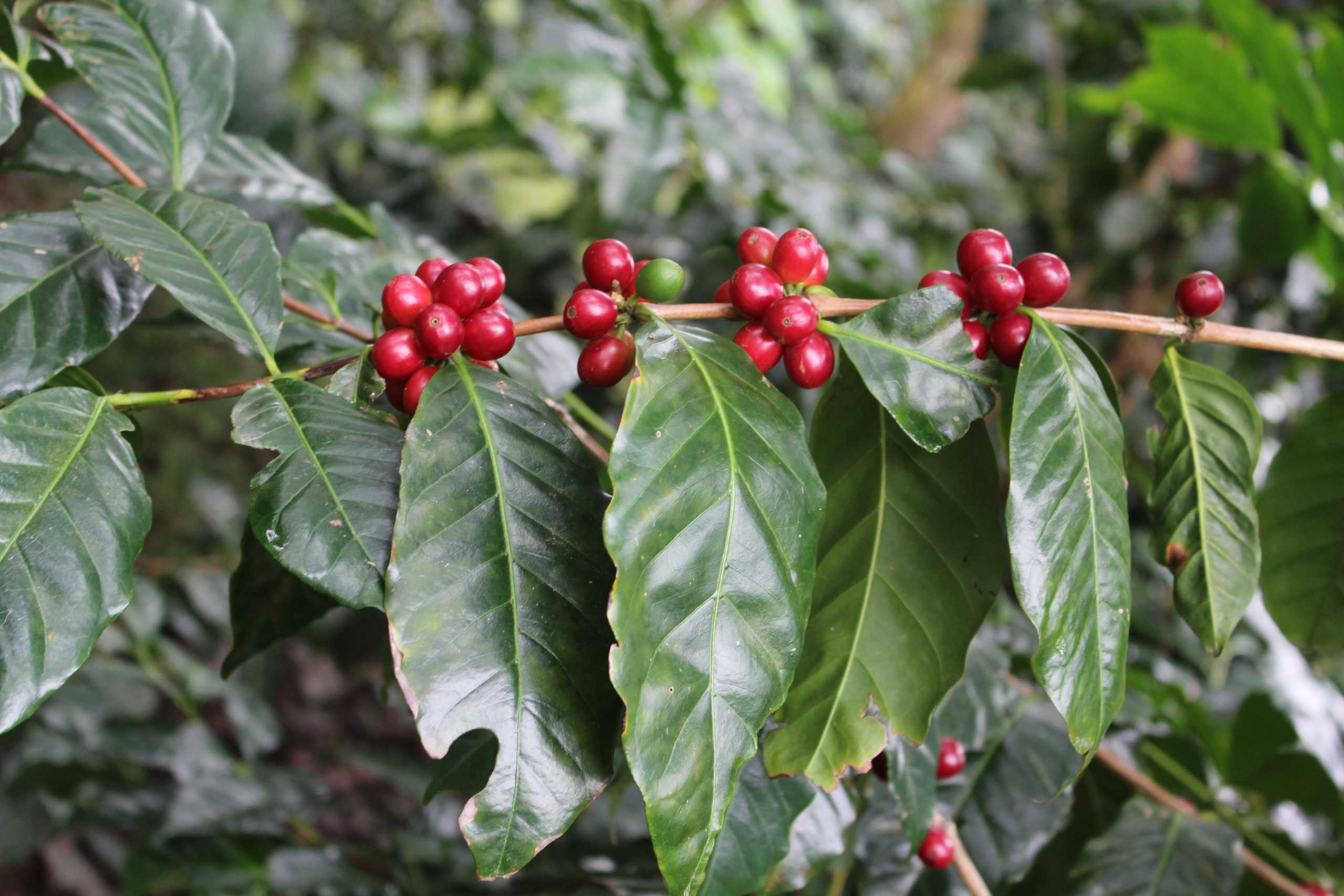
For the brewing method, a three-pour technique is recommended: start the timer, use 30g of water for the first pour to bloom for 30 seconds, then after 30 seconds begin the second pour, pouring in a slow circular motion up to 125g. When the coffee liquid level in the dripper drops to two-thirds of the coffee bed, begin the third pour, pouring in a slow circular motion up to 225g, then stop pouring. When all the coffee liquid in the dripper has flowed into the server, remove the dripper and end extraction. The total extraction time for Geisha coffee beans is generally 2 minutes 10 seconds to 2 minutes 20 seconds.
The above content is compiled by CoffeeHunters, a coffee news website.


