








Which Coffee Knowledge Terms Should Beginners Learn First?
Coffee terminology on menus and packaging covers bean varieties, green bean grading, processing methods and sensory tasting. Arabica and Robusta are two of the three major varieties, while G1, G2 and G3 grading refers to the number of defects in a 300g sample rather than flavor differences. Peaberry, or PB, describes a single round bean inside one coffee fruit.
Arabica originated in Ethiopia and was named after Arabia by botanist Linnaeus, who assumed it came from there. Robusta comes from the Congo Basin and is widely cultivated for its disease and pest resistance, though its higher caffeine content and poorer flavor lead to use as commercial or instant coffee. Green coffee beans are graded before roasting by defect count.
For friends who are new to coffee, the various professional terms on menus or packaging bags often leave them completely confused. By pass, Crema, Geisha, Huakui... What exactly do these words mean? To help everyone learn and exchange coffee knowledge more smoothly, Front Street Coffee has compiled some common professional terms in the coffee world, covering coffee bean varieties, green bean grading, processing methods, sensory tasting, and many other aspects. Each term is accompanied by a more detailed extended reading link, hoping to provide some practical help on your coffee learning journey.
Therefore! What Front Street Coffee is going to explain today are some of the more common professional terms in our coffee world. Moreover, each term's subheading is accompanied by a link to a more detailed article, hoping to help everyone with coffee learning and exchange even more!
Coffee Bean Section
Arabica|Arabica: It is one of the three major coffee varieties in the world, a small-seeded species. It originated in Ethiopia. Before the 18th century, people always thought this variety came from Arabia, because it had been monopolized by Arabia at that time! Therefore, when the botanist Linnaeus used binomial nomenclature to name it, he took Arabia as its place of origin and named it "Coffea arabica L."! If Teacher Linnaeus had known before naming it that its source was Ethiopia, then this variety would probably not have been called Arabica~
Robusta|Robusta: It is one of the three major varieties, a medium-seeded species, originating from the Congo Basin along the west coast of Africa, abbreviated as Robusta bean. Because of its extremely strong disease-resistant and pest-resistant characteristics, it has been widely cultivated by people. But because its caffeine content is too high, resulting in poor flavor, it is mostly used as commercial beans or as raw material for coffee products such as instant and freeze-dried coffee!
G1/G2/G3: These are the green bean grade identifiers for most coffee-producing regions! It is worth noting that this grade does not refer to differences in coffee bean flavor, but to the number of defects! In a 300g sample, the beans are graded according to the number of defective beans!
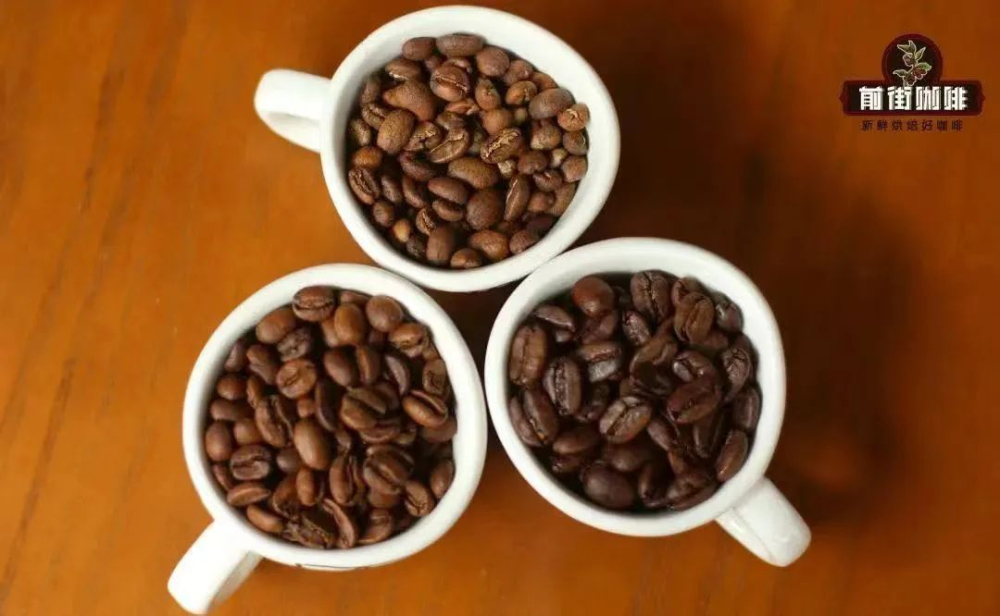
PB: It refers to a coffee bean form with a relatively special appearance. Generally speaking, one coffee fruit contains two green coffee beans. But some coffee fruits with insufficient nutrition can only produce one green coffee bean with a special appearance! However, because of its unique appearance, people single it out and sell it at a high price as PB grade!
Processing method: It refers to the post-harvest processing performed on green coffee beans. Specifically, it is the operation of removing all impurities from the coffee fruit except the green beans! At the same time, it is also an important step that affects coffee flavor!
Geisha: It is the king of today's coffee dynasty! Because this bean variety has extremely rich floral and fruity aromas, with both high fame and high quality, its price has also risen accordingly! There are currently two naming methods for Geisha on the market: one is Ethiopia's "Gesha"; the other is Central America's "Geisha," represented by Panama.
Huakui: It is a native variety produced in a remote area of Ethiopia. Because it defeated many Geisha coffees in a competition one year and ranked among the top. Therefore, after being introduced to China, green bean merchants gave it the title "Huakui" (the top performer among Japanese geisha), trying to make it the first bean to defeat geisha (the translation of Geisha in Taiwan)!
Coffee growing belt: Coffee cultivation has extremely high requirements for climate and environment, so not all land can grow coffee! The places on Earth between 25° south latitude and 25° north latitude have suitable climate, no frost, and very abundant annual rainfall, making them very suitable for coffee cultivation, so they are called coffee's "golden growing belt"!
Heirloom|Native species: It refers to the collective name for thousands of coffee varieties in Ethiopia that have not yet been identified by people! This is a name specially established by the Ethiopian government to prevent people from coming to steal coffee seeds! A bag of native species coffee beans on the market will contain countless coffee beans of different varieties, so their sizes often differ noticeably!
Coffee Sensory Section
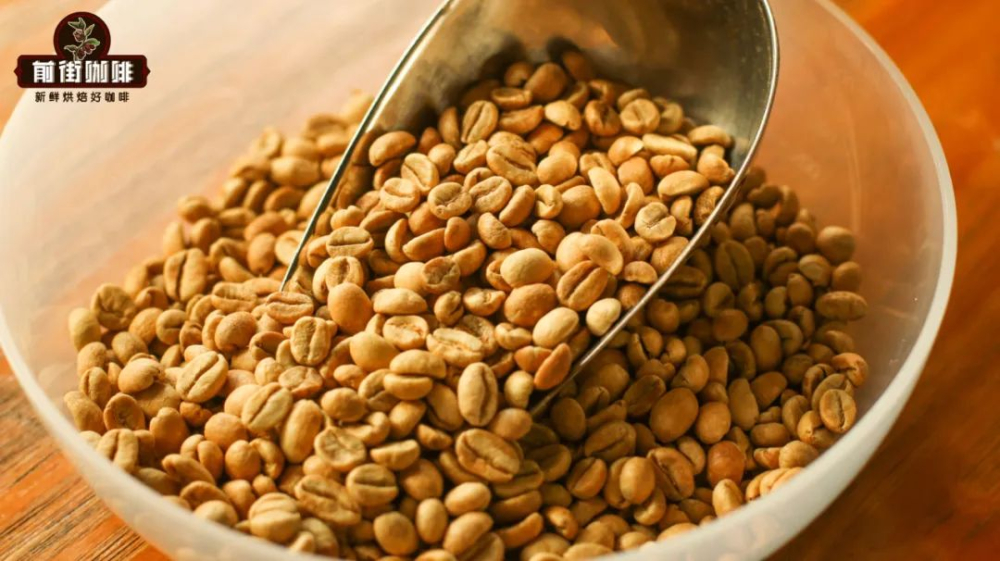
Cupping: It is a method of coffee tasting! Using the extraction method with the least human intervention to release the flavor of coffee, this allows you to feel the most original flavor of coffee to the greatest extent!
Slurping: It is a way of drinking coffee! By tightly closing both lips and quickly sucking the coffee in and atomizing it, this allows the coffee to cool down as quickly as possible, thereby allowing the senses to fully experience the coffee's flavor!
Dry aroma: It refers to the aroma given off by coffee beans after grinding. It will be more obvious than the aroma of coffee beans before grinding!
Wet aroma: It refers to the aroma released after coffee beans are ground into powder and come into contact with water to form coffee liquid!
Flavor: It refers to the aroma and taste that we can perceive and associate with specific foods during the process of tasting coffee liquid!
Aftertaste: It refers to the coffee aroma and taste remaining in the mouth after swallowing coffee!
Body: It refers to the mouthfeel of coffee, that is, the "weight" of the coffee liquid in the mouth.
Pour-over Coffee Section

Front Street Coffee (FrontStreet Coffee)
No. 10 Baoqian Street, Yandun Road, Dongshankou, Yuexiu District, Guangzhou City, Guangdong Province

The above content is compiled by CoffeeHunters, a coffee news website.


