







Search Results for: Full-Bodied Mouthfeel
What Exactly Is the Full-Bodied "Body" of Coffee? An In-Depth Analysis of Full-Bodied Coffee Types and Brewing Adjustment Techniques
People often describe a cup of coffee as "rich, mellow, and sweet," but what exactly do "rich" and "mellow" mean? This article starts from the roast level of coffee beans, analyzing how the full-bodied mouthfeel manifests in the mouth, and recommends several Front Street Coffee beans with a full-bodied flavor, including Golden Mandheling, Queen's Estate, and Colombia Huila. At the same time, it offers practical adjustment solutions across four dimensions—coffee-to-water ratio, brewing time, dripper selection, and pouring technique—to make dark-roasted coffee taste thicker, helping coffee enthusiasts solve the problem of brewed coffee turning out too thin. [more…]
Where Does the Rich, Full-Bodied Taste of Mandheling Coffee Come From? A Complete Guide to Dark Roast Brewing Techniques and the Secret to Avoiding Bitterness
Why does Mandheling coffee taste so full-bodied? And how should dark-roasted beans be brewed to avoid a burnt, bitter taste? This article systematically examines the key factors affecting coffee body—from coffee variety, growing altitude, and processing method to roast level, brewing equipment, and technique—and offers recommendations from the Front Street Coffee bean list for full-bodied beans at different roast levels. Whether you're a dark-roast lover who prefers an intense body or a single-origin coffee enthusiast trying to understand where body comes from, you'll find practical ideas for choosing beans and brewing. [more…]
Why is Indonesian Mandheling coffee so full-bodied? A complete analysis from its naming story to wet-hulling processing and pour-over techniques
Mandheling coffee is famous for its rich, full-bodied character with caramel and dark chocolate flavors, and is a classic representative of Indonesian coffee. It has low acidity and a distinct bitterness, making it a favorite among coffee lovers who prefer a heavy mouthfeel. Have you ever wondered about the origin of the name Mandheling? Behind it lies an amusing anecdote from the Japanese occupation period. And its signature goat-hoof-shaped bean appearance stems from Sumatra's unique wet-hulling process. From the perspective of Front Street Coffee, this article walks you through the naming origins of Mandheling, the characteristics of the Lintong growing region, as well as Front Street's recommended pour-over parameters and three-stage pouring method, helping you brew a rich, full-bodied Mandheling that balances caramel sweetness with nutty flavors. [more…]
Where does coffee body come from? Master the coffee-to-water ratio, brewing time, and dripper choice to brew a rich, full-bodied cup.
When tasting coffee, we often describe a good cup as "rich" or "sweet," but what exactly is richness? What is mellowness? And where does the difference between the two lie? In fact, this is closely related to the coffee's "body." Body refers to the sense of weight that the coffee liquid presents in the mouth—is it light as water, or thick as milk? This article will systematically explain how to brew a rich, full-bodied cup of coffee from five aspects: choice of roast level, coffee-to-water ratio, brewing time, dripper selection, and pouring technique, and will recommend a number of dark-roast coffee beans suited to those pursuing a heavy, substantial flavor. [more…]
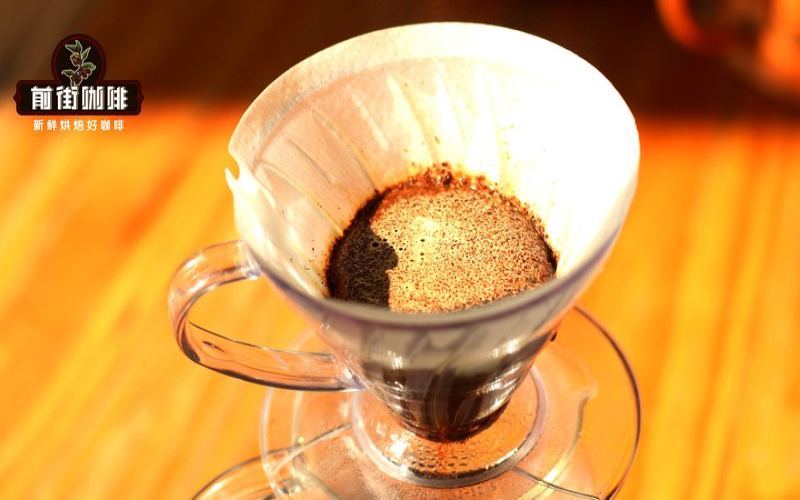
How to Choose Full-Bodied Coffee Beans: Matching Flavor and Brewing Method by Roast Level
If you want to drink a full-bodied coffee, first look at the roast level, then consider how you plan to brew it. Light-roasted beans usually retain more of the bright aromatics, with a lighter mouthfeel; medium-roasted beans bring sweetness, aroma, and body together; medium-dark and dark roasts are more likely to show cocoa, nut, caramel, and roasty notes, and the weight on the palate also increases. Light roast and [more…]
Pour-Over Techniques for Dark Roast Blue Mountain and Mandheling: From Dripper, Ratio, and Time to Pouring—How to Brew a Rich, Full-Bodied Cup
Deep-roasted coffee beans should typically present a full, smooth, and rich mouthfeel, yet many enthusiasts find the flavor rather thin when brewing with pour-over methods. Front Street Coffee, drawing on common issues, points out that the problem often lies in the type of dripper, the coffee-to-water ratio, the extraction time, and the pouring technique. If you want to brew a heavy-bodied cup, it is recommended to choose a Kono dripper or a Kalita wedge-shaped dripper, which rely primarily on immersion extraction, keep the coffee-to-water ratio between 1:13 and 1:15, and maintain an extraction time of around 2 minutes; when pouring, use small circular motions and keep the water level from exceeding the coffee bed, which can also noticeably enhance the body. This article analyzes these key parameters one by one to help you achieve a more solid mouthfeel when brewing deep-roasted beans such as Blue Mountain and Mandheling. [more…]
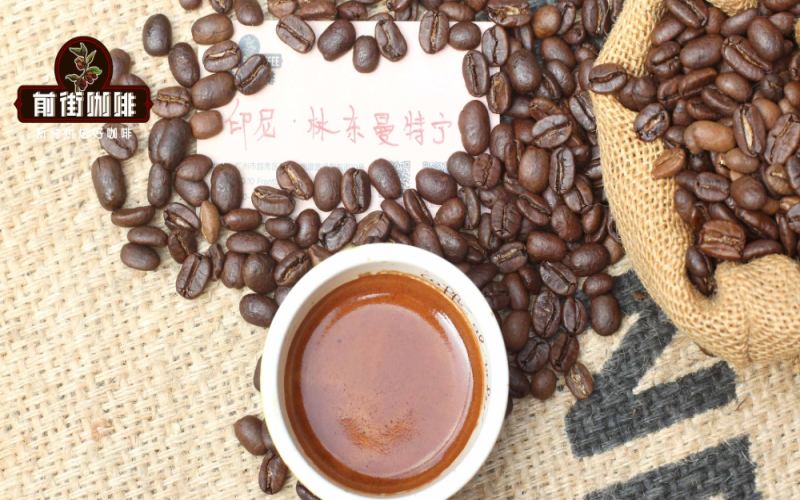
Mantenin Coffee Pour-Over Technique Explained: A Guide to Temperature, Grind, and Three-Pour Parameters
People often say Mandheling is so bitter it's hard to swallow, yet there is also a group of seasoned coffee enthusiasts who are particularly fond of its rich, full-bodied character, believing that only Mandheling truly counts as real coffee. As a typical representative of dark roasting, Mandheling is indeed known for its bitterness, but Front Street believes that fine bitterness is a pleasure, while burnt bitterness and astringent bitterness are usually caused by improper brewing. This article will focus on the key points of brewing Mandheling coffee, from understanding the bean variety and the influence of the wet-hulled processing method, to the choice of dripper, coffee-to-water ratio, grind size, water temperature, and the three-pour technique, explaining one by one how to bring out a Mandheling that is full-bodied, clean, and bitter without being burnt, and showcasing the differences among several Front Street Mandheling products. [more…]
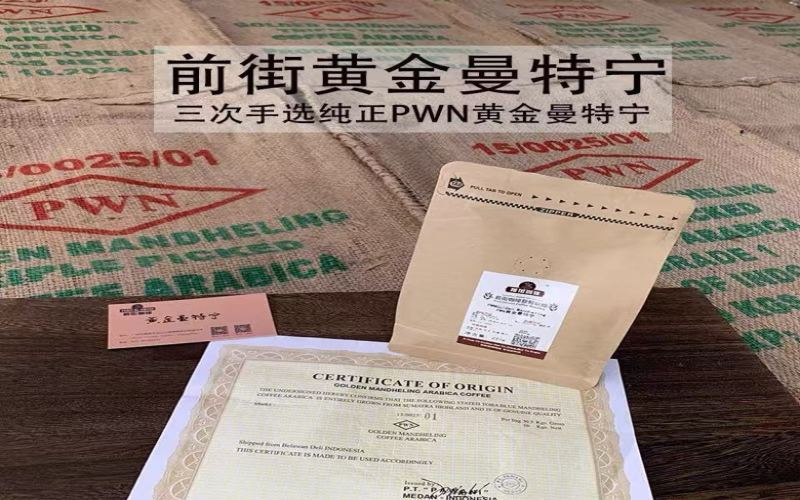
Rich and Syrupy Body: Regions Beyond Mandheling
For a rich, full-bodied taste and a beautiful crema, many people's first choice is Mandheling. Mandheling is indeed the representative of the full-bodied style, but it's far from the only origin that offers that rich body and crema—getting to know a few more directions will give you a much wider range of choices. First, let's look at Mandheling. Sumatra Mandheling from Indonesia is the long-established representative of the full-bodied style—Front Street PWN Indonesia [more…]
Mandheling vs. Blue Mountain Coffee Comparison: A Full Analysis of Brewing Key Points and Flavor Differences for Full-Bodied Coffees
Both are full-bodied coffees, yet Indonesian Golden Mandheling and Jamaican Blue Mountain take strikingly different flavor directions. The former is known for its spicy, herbal notes and rich mouthfeel, while the latter is famed for its balance of acidity, sweetness, and bitterness, along with a clean, smooth character. Front Street Coffee systematically breaks down the differences between these two coffees—from their origin backgrounds and processing methods to roasting approaches and brewing parameters—to help coffee lovers understand their respective style characteristics and offer specific brewing suggestions, so you can brew your ideal cup at home. [more…]
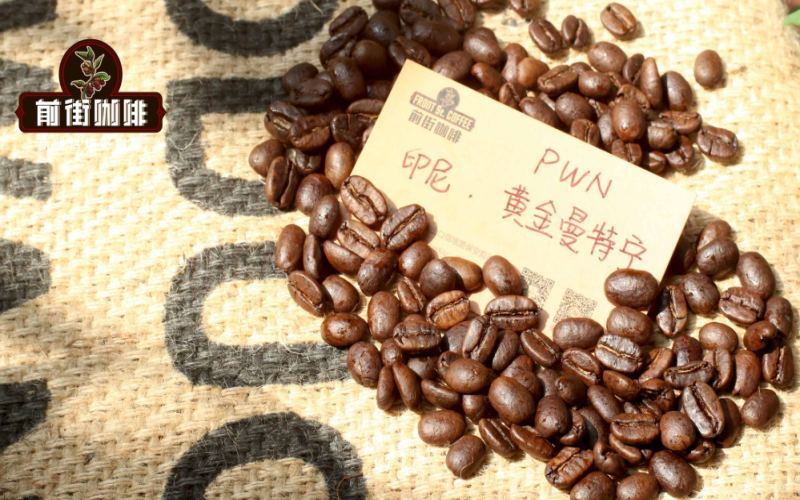
A Complete Analysis of the Origins, Flavor Characteristics, and Brewing Methods of Front Street Golden Mandheling Coffee
Mandheling coffee is one of Indonesia's most iconic coffees, and behind its name lies an intriguing wartime anecdote. This article begins with the origin story of Mandheling, introduces you to the producing region, grade, and quality characteristics of Front Street Coffee's PWN Golden Mandheling, and then breaks down in detail how to use the right dripper, coffee-to-water ratio, grind size, water temperature, and pouring method to brew a clean, full-bodied, high-quality Mandheling with caramel and chocolate sweetness. If you have ever wondered why the Mandheling you brew always turns out bitter, this article will give you clear and practical answers. [more…]
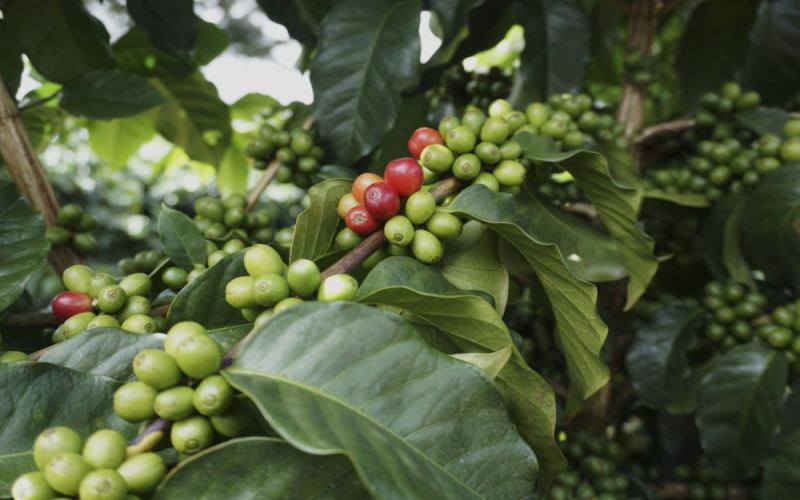
Lintong Mandheling Pour-Over Tutorial | Why Is Indonesian Mandheling Coffee Processed with the Wet-Hulling Method? An Introduction to the Origin, Variety, Flavor, and Mouthfeel of Mandheling Coffee, the Everyday Staple Bean
Front Street Mandheling, as one of the representatives of full-bodied coffee, usually drives those who love it wild with desire, while those who dislike it turn up their noses. Below, Front Street discusses this "highly individualistic" coffee bean. The development of coffee in Indonesia: Indonesia has a long history of coffee cultivation, and according to relevant records, the history of coffee in Indonesia can be traced back [more…]
Brewing Guide for Full-Bodied Coffees Like Mandheling: How to Avoid Bitterness and Achieve a Rich Cup with Dark Roasts
The Indonesian producing regions, represented by Mandheling and Kopi Luwak, captivate many coffee enthusiasts with their rich, heavy, and bitter style. But what exactly determines a coffee's body? From variety, altitude, and processing method to roasting and brewing, every step influences the final mouthfeel. Starting from the definition of body, this article sorts out the key factors affecting coffee body and provides bean list references for medium-dark and medium-light roasts, including Front Street Coffee Lindong Mandheling and Front Street Coffee Blue Mountain No. 1. Finally, it focuses on how dark-roasted beans, through flannel filter cloth and Japanese brewing techniques, can preserve the oily mouthfeel while avoiding burnt bitterness. [more…]
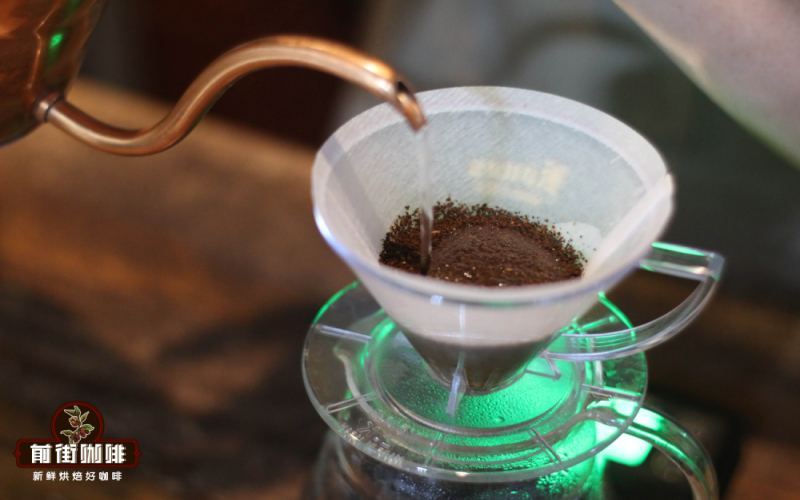
KONO dripper pour-over tutorial: from rib design to staged extraction, a detailed guide to brewing rich, full-bodied medium-dark roast coffee
With its unique short ribs and bottom convex groove structure, the KONO dripper delivers pronounced sweetness and a full-bodied mouthfeel when brewing medium-dark roasted coffee, making it the go-to device for many coffee enthusiasts. Drawing on the hands-on experience of Front Street Coffee, this article first explains the design principles and extraction logic of the KONO dripper, then uses Jamaica Blue Mountain No. 1 as an example to share in detail the coffee dose, water temperature, grind size, and multi-stage pouring technique, helping you reliably reproduce a rich, full-bodied, and layered Japanese-style pour-over coffee at home. [more…]
How to Choose Pour-Over Coffee If You Don't Like Acidity? Recommendations for Full-Bodied Beans
Not all coffee lovers enjoy acidity. Some people, after drinking specialty coffee for years, ultimately return to a cup of mellow, warm, non-irritating pour-over coffee. Beans of this style usually feature notes of nuts, cocoa, caramel, dark chocolate, herbs, and even a faint earthy aroma, going down smoothly with a long, sweet finish—especially suit [more…]
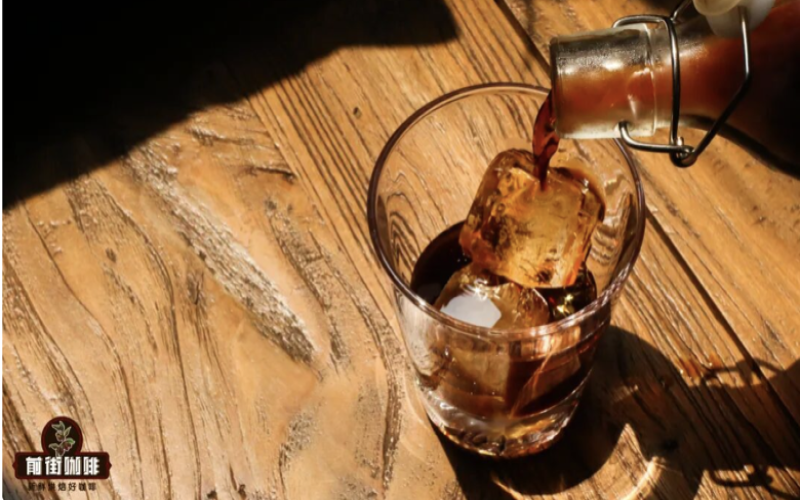
Origin Beans for Cold Brew: Fruity African and Full-Bodied Asian Cold Brew Performance
When it comes to choosing beans for cold brew, the bean selection is often more important than the brewing parameters. Slow extraction at low temperature changes the way a bean's flavors present themselves—beans from some regions are stunning when cold brewed, while others fall flat. Approaching it from the perspective of region is a very practical way to choose cold brew beans. Beans from African regions are the fruit-forward stars of cold brew. Ethiopian [more…]
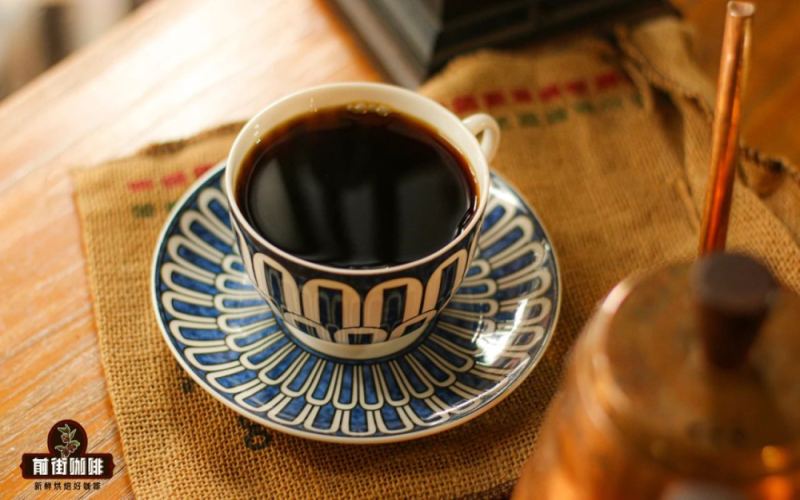
Deep Roast Mandheling Coffee Flavor Analysis: A Guide to Its Rich Body and Pour-Over Tasting
Deep roasting causes coffee beans to undergo the Maillard reaction and caramelization, developing bitterness and roasted aromas such as chocolate, caramel, and butter. The darker the roast, the more fully these reactions occur, and the richer the roasted aroma and bitterness, the higher the body, and the more lingering the sweet aftertaste. Mandheling is hailed as one of the world's fullest-bodied coffees and is the very representative of dark roasting. It not only carries the spice, herbal, and pine notes characteristic of the Sumatra growing region, but also transforms through caramelization into the rich aromas of dark chocolate, roasted nuts, maple syrup, and butter, with a solid, full-bodied mouthfeel and low, steady acidity. To experience this unique taste, you can buy Front Street Golden Mandheling drip coffee bags, which are Sumatra G1 grade, and Front Street Golden Mandheling is PWN company's beans that have undergone one mechanical sorting plus three rounds of hand sorting, with quality far exceeding Indonesian G1. The drip bag design is convenient—just add hot water and enjoy a freshly brewed black coffee. Although dark-roasted bitter coffee has fewer layered variations, it possesses a unique charm: nutty caramel aromas, a full and smooth, full-bodied mouthfeel, and the sweet aftertaste that comes after the bitterness—all experiences that are hard to replicate with a light roast. [more…]
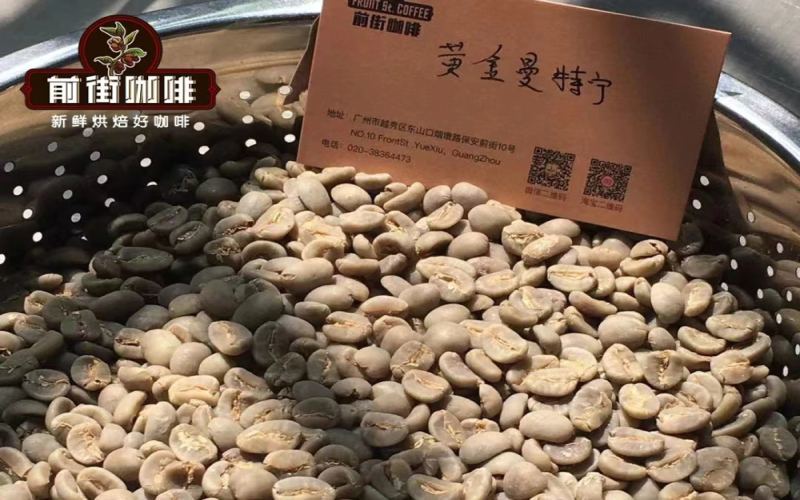
Indonesian Sumatra Golden Mandheling Brewing Guide: A Detailed Breakdown of Coffee-to-Water Ratio, Water Temperature, and Grind Parameters
Golden Mandheling is a representative of Indonesian coffee, known for its rich body and chocolate-nutty flavor. But if you want to brew a delicious cup of Golden Mandheling at home, how exactly should you decide the coffee-to-water ratio, water temperature, and grind size? This article starts with the product background of Front Street Golden Mandheling, sorts out the origin of the name Mandheling and the meaning of the PWN trademark, and then breaks down the dripper choice, coffee dose, coffee-to-water ratio, grind size, water temperature, and three-pour pouring scheme one by one, helping you avoid burnt bitterness and blandness and brew a clean, rich Golden Mandheling with caramel sweetness. [more…]
How Does Mandheling Differ from Espresso? An Analysis of the Bitterness Layers and Brewing Key Points of Single-Origin Beans
Many people, when first encountering coffee, often equate it with the bitter, burnt taste of "dishwater." In reality, the world of coffee is far richer than that. Mandheling and espresso belong to different categories: the former is a typical single-origin coffee, known for its full-bodied richness; the latter uses espresso as its base, giving rise to fancy drinks like lattes and cappuccinos. This article will clarify the differences and characteristics of the two, explain where Mandheling's bitterness comes from, and introduce the Sumatra region, the wet-hulling process, as well as the flavors and brewing suggestions for two Mandheling beans from Front Street Coffee, helping coffee enthusiasts more clearly understand the two lineages of single-origin and espresso. [more…]
Indonesian Sumatra Mandheling Flavor Analysis and Pour-Over Parameter Guide: The Rich Allure of Wet-Hulled Lintong Beans
Mandheling coffee, with its rich, full-bodied mouthfeel and caramel-dark-chocolate-like flavors, enjoys extremely high recognition in the coffee world. This medium-to-dark roasted bean from Sumatra, Indonesia, with its low acidity and prominent bitterness, has won over countless coffee lovers who favor a mellow, full-bodied taste—even the Japanese are particularly fond of it. So where exactly does the name Mandheling come from? And what connection does it have with Japan? This article will take you through the historical starting point of Indonesian coffee cultivation, trace the interesting story behind the birth of the name Mandheling, and analyze the unique flavors that the wet-hulling process of the Lintong region imparts to the beans. In addition, Front Street Coffee will share pour-over methods and parameter recommendations for Mandheling, helping you brew a full-bodied cup rich in sweetness and interwoven with nutty and chocolate notes. [more…]
Espresso Flavor Analysis: Is Espresso Bitter, How to Taste It, and a Guide to Choosing Espresso Beans
Espresso is the drink least frequently ordered on its own in coffee shops, and many cafes even keep it hidden off the menu, making it only when a customer specifically asks. This article revolves around several core questions about Espresso: Is it actually bitter? How should you taste it? What makes it unique? Why do most cafes prefer to use espresso blends to make it? At the same time, Front Street Coffee has also put together several espresso bean recommendations suitable for stable extraction, covering a delicate winey type, a slightly acidic and full-bodied type, a balanced rich-aroma type, and a classic full-bodied type, for friends who want to recreate the espresso flavor at home. [more…]