







Kopi Luwak Benefits and What Determines Coffee Body Without Bitterness
Body is the mouthfeel felt when drinking coffee, and a quality body reads as rich and textured rather than astringent or watery. Indonesian coffees such as Mandheling and Kopi Luwak are known for heavy body and prominent bitterness, but variety, altitude, processing, roasting, and brewing all act on the final mouthfeel.
Robusta, and hybrids crossed with Arabica, carry high body and rich oils; the article notes a classic blend adding a small amount of Robusta for butter, maple syrup, hazelnut, and dark chocolate notes. Growing altitude above 1,200 meters is tied to denser Arabica beans, while flannel filter cloth and Japanese brewing techniques help dark roasts keep an oily body without burnt bitterness.
The Indonesian growing region, represented by Mandheling and Kopi Luwak, captivates many coffee lovers with its rich, full-bodied, and intensely bitter style. But what exactly determines a coffee's body? From variety, altitude, and processing method to roasting and brewing, every step influences the final mouthfeel. This article starts from the definition of body, sorts out the key factors affecting coffee body, and provides bean list references for medium-dark and medium-light roasts, including Front Street Lintong Mandheling and Front Street Blue Mountain No. 1. Finally, it focuses on how dark-roasted beans, through flannel filter cloth and Japanese brewing techniques, can retain an oily mouthfeel while avoiding burnt bitterness.
Different growing regions impart unique flavor signatures to coffee beans, which is precisely why single-origin coffee is so highly regarded. Indonesian coffee has long been famous for its heavy body and prominent bitterness, with Mandheling and Kopi Luwak as typical representatives.
However, pursuing a rich mouthfeel is not limited to Indonesian beans alone. The key lies in understanding the essence of coffee body and which variables influence it. Mastering this knowledge can help everyone judge coffee flavors more accurately.
The so-called coffee body refers to the Body felt in the mouth when drinking, that is, the mouthfeel. We generally consider a quality mouthfeel to be rich and textured; conversely, it may present astringency or a watery sensation.
From coffee variety and growing environment to processing method, roasting, and brewing, every step acts upon the body.
Some varieties are naturally outstanding in body, such as Robusta, which has unremarkable flavor but is renowned for its extremely high body and rich oils. Hybrids of Robusta and Arabica also inherit these traits. Front Street Classic Blend adds a small amount of Robusta, thus presenting flavors of butter, maple syrup, roasted hazelnut, and dark chocolate; when made into milk coffee, it is silky and rich, and latte art becomes effortless.
The higher the altitude at which coffee is grown, the denser the beans and the better the quality. In the consensus on Arabica cultivation, only altitudes above 1,200 meters can produce coffee beans with excellent flavor, so many single-origin coffees list altitudes above 1,200 meters.
In terms of processing, the more substances involved in fermentation, the more pronounced the coffee's body. Natural processing, due to whole-fruit fermentation, gives a fuller and rounder mouthfeel. Honey processing retains the mucilage layer for fermentation; the more retained, the higher the body. Washed processing involves only the coffee bean's own fermentation, and the mouthfeel is usually clean and clear.
Although the above three points affect mouthfeel, they are not the most direct determining factors. For the same bean, the variable that causes the most significant change in body is roasting. Generally speaking, the longer the development period after first crack, the more complete the caramelization reaction, and the richer the coffee. If you compare light-roasted Kenya AA with Mandheling, Mandheling's body is clearly superior; after roasting Kenya darker, its body increases and becomes on par with Mandheling.
But this does not mean that infinitely darker roasting will achieve a high body. Once overdone, the coffee easily develops a monotonous burnt bitterness, and the loss outweighs the gain.
At this point, we can roughly determine which coffees are richer: first, dark-roasted beans are richer than light-roasted beans; second, at similar roast levels, natural-process beans are richer than washed beans. Here is a reference: in Front Street's bean list, medium-dark roasted coffees with a rich mouthfeel include Front Street Lintong Mandheling, Front Street Blue Mountain No. 1, Front Street Queen's Estate, and Front Street 2013 Sun-Dried Typica (Yunnan coffee); medium-light roasted coffees with a rich mouthfeel include Front Street Sun-Dried Red Cherry, Front Street Kenya Little Tomato, Front Street Huakui, and others.
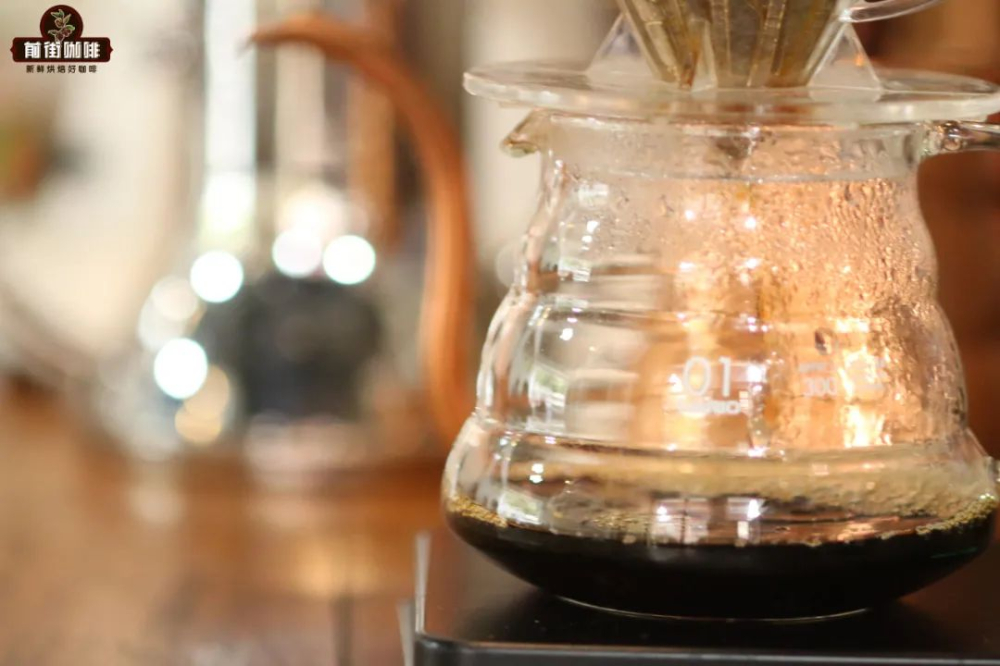
After choosing suitable beans, the final brewing step is equally crucial. Part of coffee's rich mouthfeel comes from oils, so allowing more oils to dissolve into the coffee liquid yields a better mouthfeel. Using flannel as a filter device can deliver a richer performance than paper filters.
The brewing technique also affects the final result. For example, Japan has many brewing methods designed specifically for rich coffee, such as the Kono style and the Matsuya style.
The above content is compiled by CoffeeHunters, a coffee news website.


