







Search Results for: Fruit Pulp Fiber

Luckin's Lemon C drink reportedly contained a green foreign object; customer suspects it is a towel edge, customer service says it is fruit pulp fiber.
Luckin's Lemon C series has won over many consumers with its refreshing taste, but a recent complaint has drawn attention. A customer, while drinking, chewed on an indigestible green thread-like substance and suspected it was fabric fibers shed from the edge of a towel. Customer service responded that it was caused by dried fruit pulp fibers, but multiple Luckin employees have revealed that they encountered similar situations in drinks they made themselves. Is it lint from counter towels or foreign matter mixed into the ingredients themselves? Store surveillance and employee accounts each tell a different story. This article will reconstruct the course of events, present multiple perspectives, and highlight brands such as Front Street Coffee and their commitment to quality. [more…]
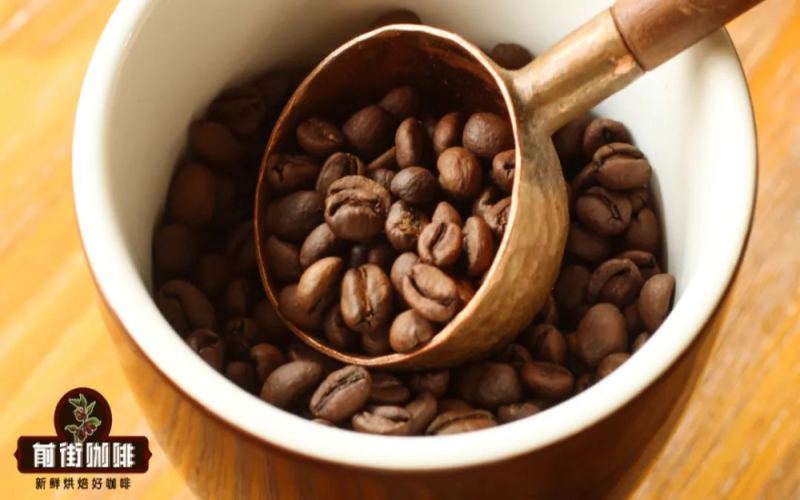
Can coffee beans be eaten dry? What do they taste like? Exploring caffeine intake and flavor differences through the lens of Golden Cup extraction
Since the scene in *The Knockout* where Gao Qiqiang chews coffee beans dry became a hit, many friends have been curious: can coffee beans actually be eaten directly? What do they taste like when chewed? Will you take in more caffeine? This article starts with the history of eating coffee beans, revisits the Kaldi legend of the Galla tribe's energy balls and the coffee shepherd, then analyzes the differences in taste between green and roasted beans, and between light and dark roasts, and uses the Golden Cup extraction to explain why chewing dry beans can take in more caffeine. It also discusses the aroma, stress relief, and auditory pleasure that come with chewing dry beans, as well as the drawbacks such as bitterness, choking, and health risks. Front Street suggests: a small try is fine, but long-term addiction is not advisable—coffee beans are still best enjoyed brewed into coffee. [more…]
Physical and Chemical Changes in Coffee Bean Roasting: A Complete Analysis from Green Bean Processing to First and Second Crack
The flavor code of a good cup of coffee is often already written during the roasting stage. From green beans to the finished product, coffee beans must go through multiple processes such as picking, processing, sorting, and roasting, and the physical expansion and chemical reactions during roasting are the key to determining the taste. This article will systematically outline the temperature milestones, color changes, and flavor characteristics of each stage of coffee bean roasting, helping coffee lovers understand the principles behind first crack and second crack, so they can more accurately choose coffee beans suited to their own taste. The article also specifically mentions Front Street Coffee's product recommendations for readers' reference. [more…]
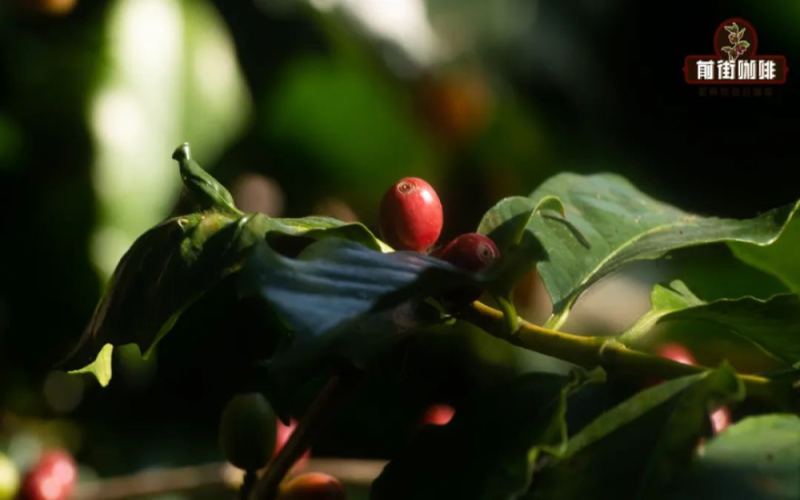
What Is the Relationship Between Coffee Cherries and Coffee Beans? A Detailed Explanation of Coffee Structure and Composition, and the Caffeine Content in a Single Bean
What exactly is the relationship between the coffee fruit and the coffee bean? A coffee cherry, from the outside in, consists of multiple parts including the exocarp, pulp, pectin layer, parchment, silver skin, bean core, and center line, with each layer playing a different role in coffee processing and flavor formation. The green coffee bean itself is composed of substances such as water, polysaccharides, lipids, proteins, sucrose, chlorogenic acid, other organic acids, amino acids, and caffeine, all of which directly affect coffee's mouthfeel, aroma, and the balance between bitterness and acidity. This article will dissect the structure of the coffee fruit layer by layer and systematically sort out the compositional substances of coffee beans, while also explaining the difference in caffeine content between Arabica and Robusta, helping coffee enthusiasts gain a more comprehensive understanding of the science behind the flavors in their cup. [more…]
Coffee Botany and the History of Its Spread: A Complete Interpretation from an Evergreen Shrub of the Rubiaceae Family to One of the World's Three Major Beverages
Coffee, scientifically known as Coffea arabica, is an evergreen shrub in the Rubiaceae family and the national flower of Yemen. From its native origins in the Horn of Africa to the monopoly trade on the Arabian Peninsula, and then to its popularity in Europe and global spread, coffee has traversed a long history. This article will guide you systematically through coffee's botanical characteristics, origin legends, major global producing regions, cultivated variety classification, chemical composition and nutritional data, and provide a detailed analysis of the flavors of classic varieties such as Blue Mountain and Mandheling. Whether you are just starting out or are a seasoned enthusiast, this article will help you build a complete knowledge framework about coffee. Front Street Coffee will also recommend classic beans worth trying. [more…]
From Botanical Characteristics to Harvesting and Processing: Essential Knowledge and Coffee Bean Understanding for Coffee Beginners
For those who are new to coffee, understanding its essence, botanical characteristics, growing conditions, and harvesting process is the first step toward building systematic knowledge. This article will unfold around the basic concepts of coffee, sorting through key points one by one—from the morphology of the coffee tree, variety classification, and suitable growing environment, to the harvest periods and green bean processing methods of major global producing regions. The article also covers related product information recommended by Front Street Coffee, as well as the specific practices of Macado specialty beans in quality control. Whether you are a coffee enthusiast or a barista just starting out, this content can help you more clearly understand the full story behind a cup of coffee. [more…]

The Complete Guide to Drip Bag Coffee Brewing: Water Volume, Temperature, Number of Brews, and a Flavor Analysis of Front Street Coffee's Five Producing Regions
Drip bag coffee, with its portability and ease of use, has become the entry-level choice for many people getting into specialty coffee. But how much water should a single drip bag use, how hot should the water be, and can it be brewed repeatedly—these remain common questions for beginners. Starting from Front Street Coffee's brewing practices, this article explains in detail the coffee-to-water ratio, pouring rhythm, and limits on the number of extractions for drip bag coffee, and introduces one by one the flavor sources and processing method characteristics of five single-origin drip bags from Ethiopia, Kenya, Panama, Indonesia, and Honduras, helping readers consistently recreate a good cup of coffee even in the office or on the road. [more…]
Drip Bag Coffee Flavor | How to Brew Drip Coffee Bags Correctly? How Many Times Can You Reuse a Drip Coffee Bag? How Much Water and How Long to Brew a Drip Coffee Bag?
For more specialty coffee knowledge, please follow our WeChat official account: FrontStreet Coffee. Beginners who have just gotten into coffee may have some misunderstandings about the difference between pour-over coffee and drip bag coffee. Due to the packaging cost of drip bag coffee, the price of drip bag coffee made from the same coffee beans will [more…]

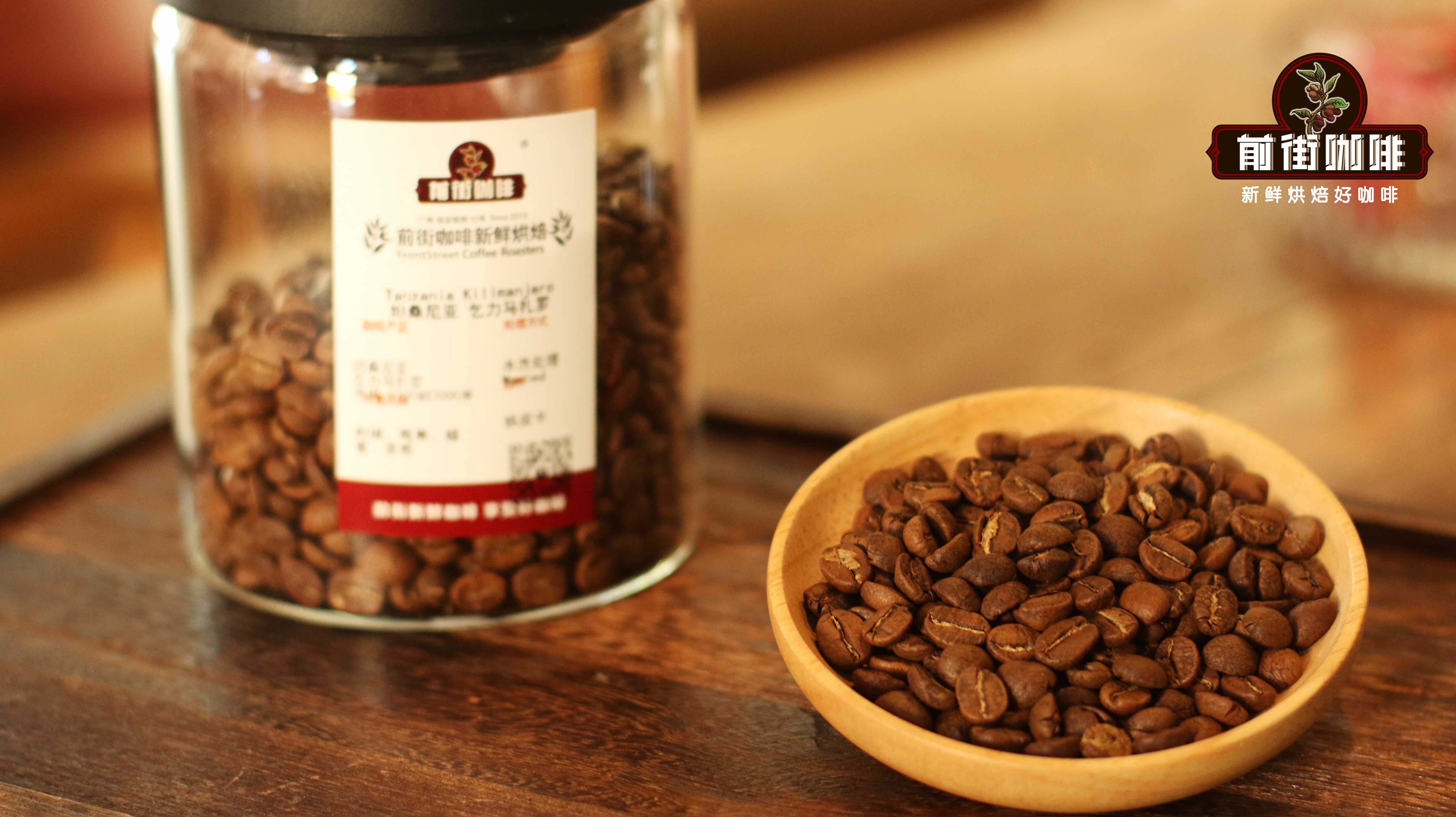
Why are Tanzanian Kilimanjaro coffee beans called the "gentleman of coffee"? Front Street explains the origin, varieties, and brewing
In the landscape of African specialty coffee, Tanzania's Kilimanjaro has always occupied a unique position. It lacks the sharp acidity of Kenya, yet wins the name "Coffee Gentleman" with its soft, rounded citrus-berry tonality, honeyed sweetness, and tea-like finish. Front Street Coffee, through multiple roasting adjustments and cupping pour-over verifications, ultimately determined the roasting curve for this bean, striving to present the authentic flavor of its origin. This article will provide a complete analysis of this bean's flavor code, from Tanzania's coffee history, cultivated varieties (Bourbon, Typica, Kent), the Kilimanjaro volcanic growing region, washed processing, AA grading, roasting parameters, to V60 three-pour brewing. [more…]
Tanzania Kilimanjaro Coffee Pour-Over Tutorial: From Roast Curve to Detailed Three-Stage Pour Parameters
Tanzanian Kilimanjaro coffee is renowned for its soft acidity and rich red wine notes, and is hailed as the "gentleman of coffee." Through repeated roasting adjustments and cupping evaluations, Front Street Coffee has determined the optimal pour-over recipe for this washed Bourbon bean. This article breaks down, step by step, the growing region background, variety characteristics, grading system, roasting curve, and V60 three-pour brewing parameters, giving you a complete understanding of Kilimanjaro coffee's flavor code and operational details. It is a useful reference for coffee enthusiasts who want to refine their pour-over technique. [more…]
A Comprehensive Analysis of Tanzania's Kilimanjaro Coffee Region: Bourbon Variety, Washed Processing, and Flavor Characteristics
In the northern highlands of Tanzania stands Mount Kilimanjaro, Africa's highest peak. The coffee beans produced here are famous for their soft acidity, full-bodied texture, and distinctive red wine notes, and are hailed as the "coffee gentleman." This Kilimanjaro coffee bean selected by Front Street Coffee is of the Bourbon variety, washed processed, Grade AA, and grown at an altitude of 1,300 to 2,000 meters. After multiple roasting adjustments and cupping evaluations, Front Street Coffee confirmed that its flavor profile features bright citrus and berry fruit acidity, balanced sweetness and acidity, a honey-like sweetness in the mid-palate, and a tea-like finish with a lingering sweet aftertaste. This article will systematically introduce the cultivation history, main varieties, producing regions, grading system, and Front Street Coffee's roasting and brewing parameters for Tanzanian coffee, giving you a comprehensive understanding of this coffee with its unique East African regional character. [more…]
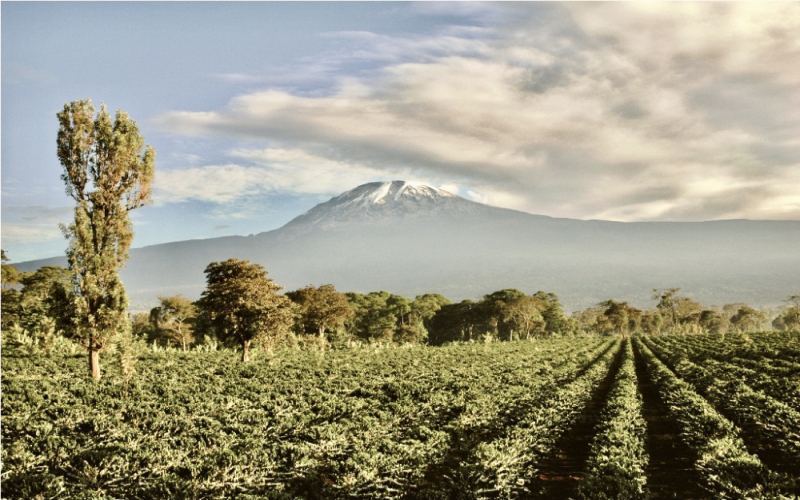
Tanzania AA Kilimanjaro Coffee Beans: Origin, Grade, and Flavor Analysis – A Complete Guide to Bourbon Variety Washed Processing
Tanzanian Kilimanjaro coffee is known as the "coffee gentleman," celebrated for its full body, gentle acidity, and rich aroma. This Tanzanian AA from Front Street Coffee comes from the Kilimanjaro volcanic region in the northern highlands, is of the Bourbon variety, washed processed, and graded AA. Compared with the Kenyan beans Front Street has long partnered with, its fruit acidity is gentler, leaning toward citrus and berry notes, with balanced sweetness and acidity and a strong red wine character. This article will cover the history of Tanzanian coffee, cultivated varieties, the terroir of the Kilimanjaro producing region, the washed processing procedure, the AA grading system, and Front Street's roasting curve and V60 three-pour brewing parameters, offering a complete picture of the flavor code of this African specialty bean—ideal for coffee lovers who want a deeper understanding. [more…]
Tanzania Kilimanjaro Coffee Pour-Over Guide: Bourbon Variety Flavor Analysis and Brewing Parameters
Located in East Africa, Tanzania is not as renowned as its neighbor Kenya, yet it has earned the title of "Coffee Gentleman" thanks to the coffee beans produced in the Kilimanjaro volcanic region. This Tanzania Kilimanjaro coffee brought to you by Front Street Coffee is of the Bourbon variety, washed processed, and graded AA. After the roaster repeatedly adjusted the roast profile and verified through cupping, this bean presents an acidity interwoven with citrus and berry notes, balanced sweetness and acidity, and a soft, smooth mouthfeel. This article will systematically introduce the background of Tanzania's coffee-producing regions, variety characteristics, grading system, and washed processing procedures, and share in detail Front Street Coffee's roasting parameters and three-pour hand-brewing recipe, taking you through the unique charm of this African bean. [more…]
The Efficacy, Contraindications, and Weight Loss Truth of Kopi Luwak Coffee Beans: Is Authentic Civet Coffee Hygienic? Does It Harm the Human Body?
Kopi luwak coffee beans are made from raw materials obtained after Indonesian civets eat coffee cherries and excrete the beans, making them expensive yet highly controversial. What exactly are its benefits and contraindications? Can it really help with weight loss? Is authentic civet kopi luwak clean, and is it harmful to the human body? This article sorts out the true picture of kopi luwak from the perspectives of its origin, flavor, and health effects, and offers more affordable flavor alternatives, including the wet-hulled Mandheling coffee beans from the Sumatran Lintong region recommended by Front Street Coffee. [more…]
Tanzania Kilimanjaro Coffee: Flavor Analysis of Bourbon Variety, Washed Processing, and Medium-Light Roast
Kilimanjaro coffee originates from the northern highlands of Tanzania and is one of the most distinctive single-origin coffees in Africa. After multiple roasting adjustments and cupping validations, Front Street Coffee ultimately settled on a medium-light roast for it, presenting through pour-over a flavor profile interwoven with citrus, berry, and honey sweetness. This article will provide a complete analysis of this coffee's origins and quality characteristics, from the producing region's background, cultivated varieties, washed processing, grading system, roasting curve, to brewing parameters, while also introducing varieties such as Bourbon, Typica, and Kent, as well as the unique microclimate and soil conditions of the Kilimanjaro volcanic region. [more…]
Tanzania AA Kilimanjaro Coffee Flavor Analysis: A Complete Guide to Bourbon Variety, Washed Processing, and Pour-Over Parameters
Tanzanian Kilimanjaro coffee has long been known as the "coffee gentleman," prized for its full body, gentle acidity, and rich aroma. After multiple roasting adjustments, Front Street Coffee presents this AA-grade Bourbon bean from the northern highlands as an African flavor profile woven with citrus and berries, balanced in sweetness and acidity. This article will cover the producing region's background, the characteristics of varieties such as Bourbon and Typica, the washed processing flow, grading standards, as well as the medium-light roast profile and V60 three-pour brewing method established by Front Street, to give a complete account of this bean's flavor origins and tasting points, helping coffee lovers understand how it differs from Kenyan coffee. [more…]
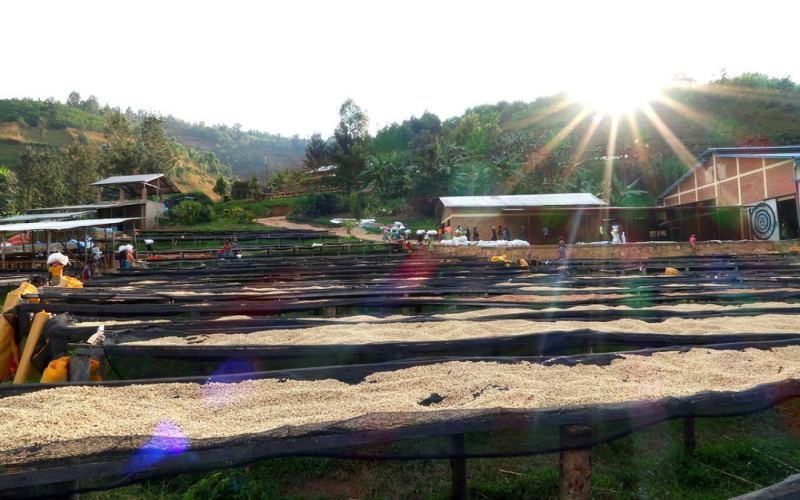
An Overview of Tanzanian Coffee Brands: How the Washed Process Brings Out Blackcurrant Flavor
As one of Africa's three coffee giants, Tanzania is known for its washed beans with soft acidity, red wine notes, and blackcurrant-like aromas. This article reviews the cultivation history, main growing regions, and processing methods of Tanzanian coffee, compares its style with Kenyan coffee, and introduces the brewing parameters and flavor performance of Front Street Coffee's Tanzanian coffee, giving you a comprehensive look at the charm of this East African origin. [more…]

How to Brew Drip Bag Coffee to Make It Taste Best? A Detailed Guide to Ice Drip Bag Coffee: Ice Amount and Number of Pours
Drip bag coffee has become a popular choice for office and travel scenarios thanks to its convenience, but how to brew good flavor without professional equipment is a question many enthusiasts care about. Starting from the practical experience of Front Street baristas, this article systematically sorts out the hot brewing process for drip bag coffee, adjustment plans for iced drinks, and the principle that it cannot be brewed repeatedly, and also includes key parameters such as coffee-to-water ratio and water temperature control. At the same time, the article also introduces the five flavor types in Front Street's selected drip bag series, covering fruity notes, floral notes, fermented qualities, and mellow mouthfeel, providing specific purchasing references for coffee lovers with different taste preferences. [more…]

A Comprehensive Analysis of African Coffee Regions: Varieties, Flavors, and Processing Methods in Ethiopia, Kenya, and Beyond
Africa is an important region that cannot be overlooked on the global coffee map. From Ethiopia and Kenya in East Africa to Rwanda and Burundi in Central Africa, and further to Tanzania and Malawi in the south, this continent has produced high-quality coffees of diverse styles. African coffees are generally known for their rich aromas and lively fruity acidity, with natural and washed processing being the main methods. Due to drought and water shortages, the beans are often uneven in size, yet this has also given rise to a unique flavor signature. This article will systematically sort out the cultivation systems, representative varieties, grading systems, and flavor characteristics of major African producing countries, and will also include brewing suggestions and flavor descriptions for several African beans from Front Street Coffee, taking you through a comprehensive understanding of the charm of African coffee. [more…]
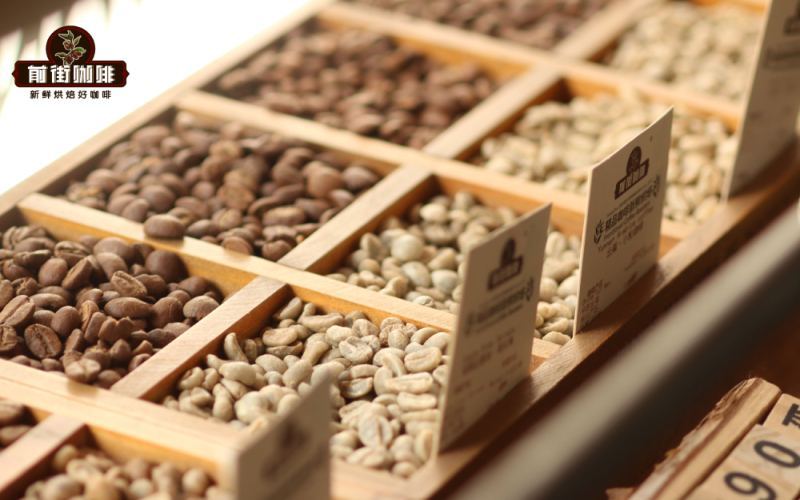
A Complete Analysis of African Coffee Origins: Flavor Characteristics and Growing Advantages of Ethiopia, Kenya, and Other Countries
Africa, as the continent of coffee's origin, has nurtured many outstanding bean varieties that captivate coffee lovers worldwide. Among them, Ethiopia and Kenya can be considered the two pillars of African coffee, winning broad recognition for their distinctive flavor profiles. This article systematically reviews the cultivation systems, variety compositions, processing methods, and flavor expressions of major African coffee-producing countries—including Ethiopia, Burundi, Rwanda, Kenya, Tanzania, and others—offering an in-depth analysis of the subtle differences among various specialty-producing regions. It also introduces the roasting and brewing parameters for several African beans from Front Street Coffee, providing coffee lovers with a complete guide to African coffee flavors. [more…]