







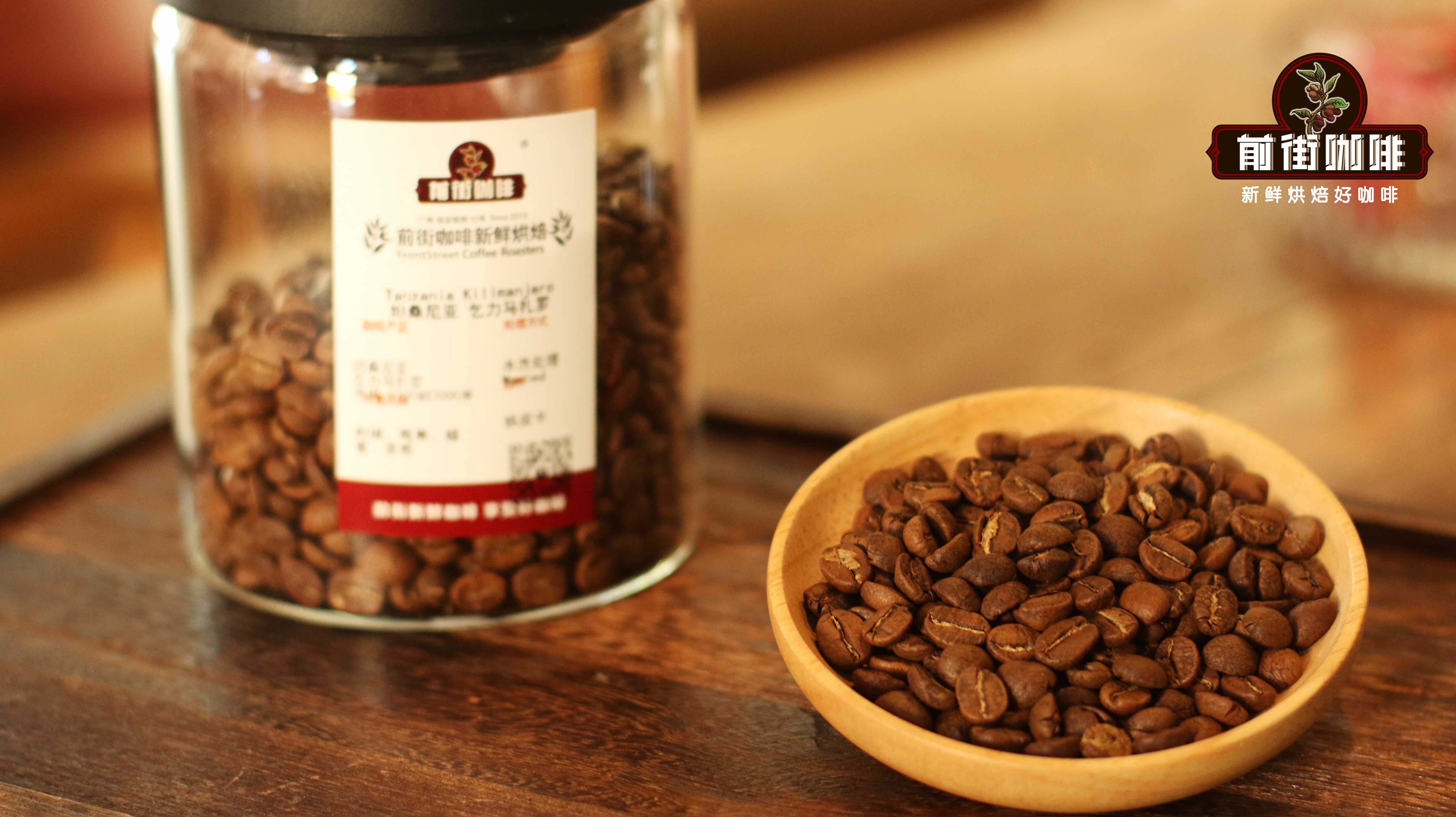
Tanzanian Kilimanjaro coffee is renowned for its soft acidity and rich red wine character, earning it the title of "Coffee Gentleman." Front Street Coffee determined the optimal pour-over recipe for this washed Bourbon through repeated roast adjustments and cupping evaluations. This article breaks down everything from the growing region background, variety characteristics, and grading system to the roasting curve and V60 three-pour brewing parameters, giving you a complete picture of Kilimanjaro coffee's flavor code and operational details—ideal for coffee enthusiasts looking to refine their pour-over technique.
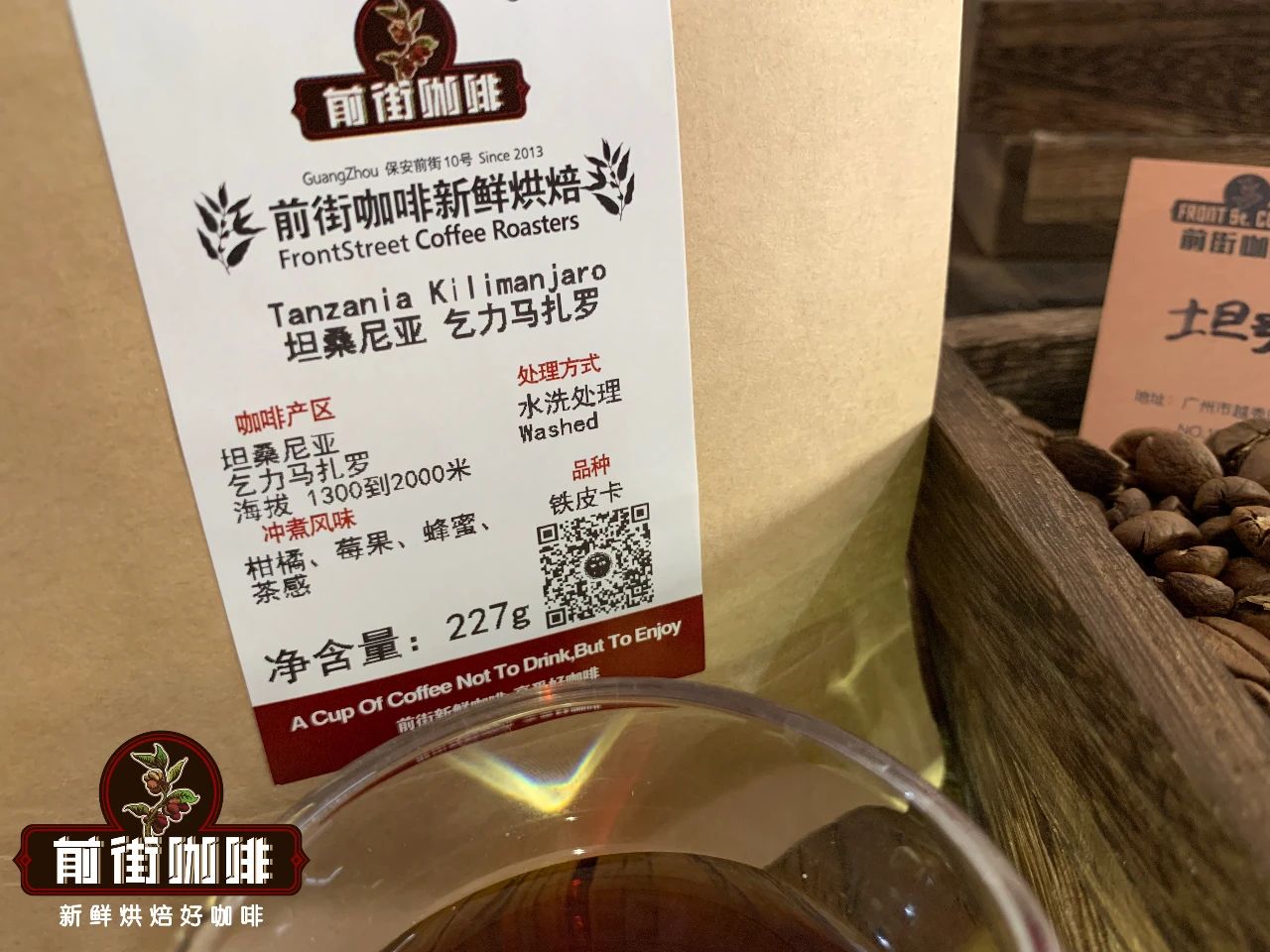
This lot from Front Street Coffee comes from the Kilimanjaro region in northern Tanzania, Africa.
To finalize the roasting profile for this Kilimanjaro lot, Front Street Coffee tried several different roast adjustments. After pour-over testing, we found its fruit acidity is quite prominent, though less sharp than Kenya's—leaning more toward citrus and berry notes, with excellent sweet-acid balance. It's a coffee that showcases the unique character of African origins.
Every time a new coffee arrives, Front Street Coffee follows this same process. Roasting not only tests the roaster's understanding of the origin but also requires cupping and pour-over evaluations to verify whether the roast curve is appropriate. That's why at Front Street Coffee, a single cup of coffee often involves multiple evaluation steps. Though time-consuming, Front Street Coffee insists this is an indispensable process—no coffee is ever listed without repeated testing.
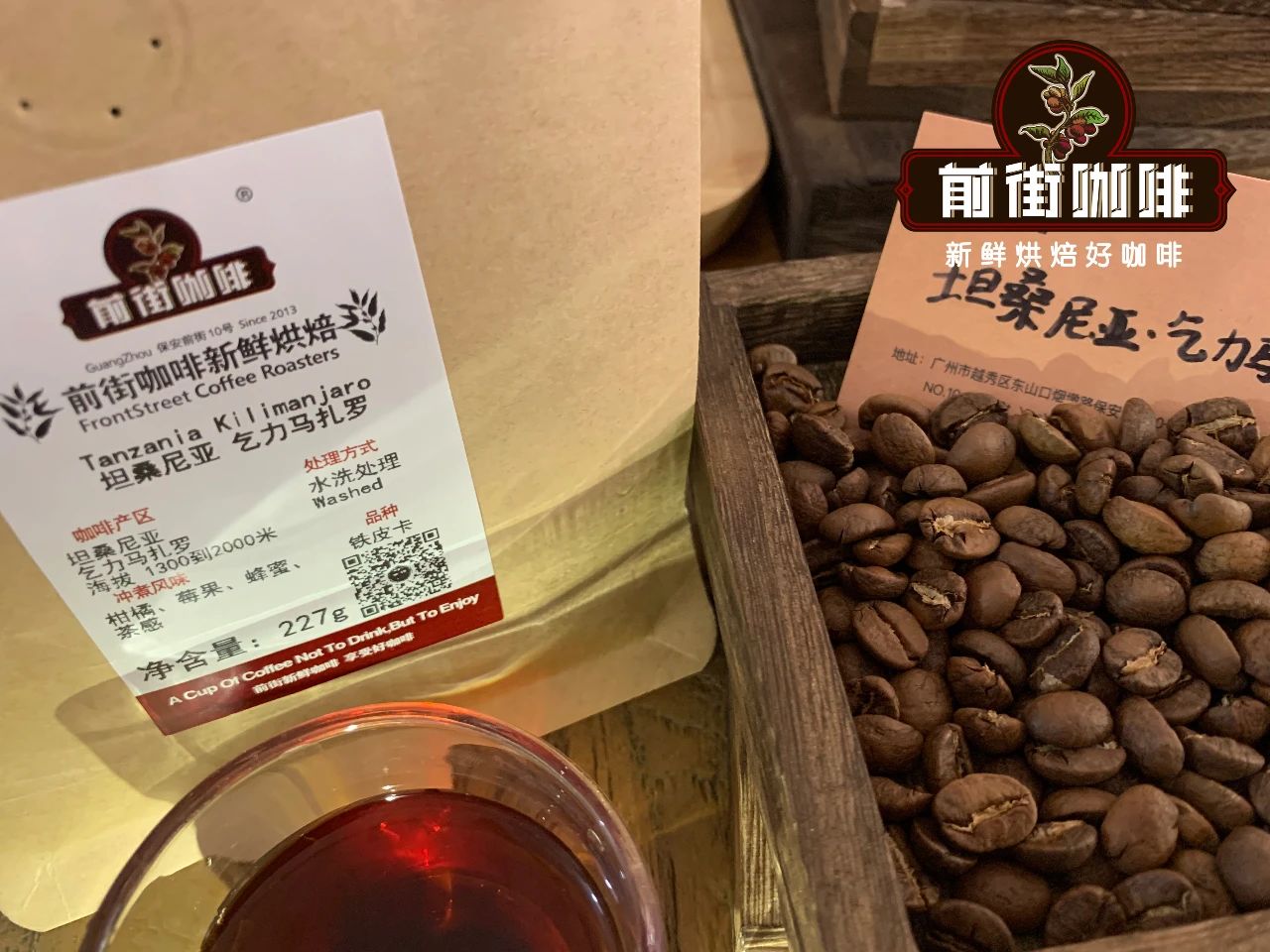
Front Street Coffee — Tanzanian Kilimanjaro Coffee
Region: Northern Highlands, Kilimanjaro Volcano Area
Variety: Bourbon
Processing Method: Washed
Grade: AA
Altitude: 1300-2000m
Tanzania
In Tanzania, coffee is called kahawa. This is a typical East African country, bordered by Kenya and Uganda to the north, Malawi, Mozambique, and Zambia to the south, and Rwanda and Burundi to the west. Tanzania has a long history of coffee cultivation, with approximately 250,000 hectares of planting area.

When it comes to Tanzanian coffee, most coffee professionals immediately think of Kilimanjaro. This unique "Kilimanjaro flavor" has full body, well-balanced acidity, and intense aroma, earning it the nickname "Coffee Gentleman."
After comparing Tanzania with its neighbor Kenya, Front Street Coffee found that Tanzania's acidity is not as bright and assertive—instead it presents a soft, gentle character with more pronounced sweetness, and its rich red wine notes are also a major identifying feature.
Although less famous than Kenyan beans, Tanzania's annual production is roughly comparable to Kenya's at about 50,000 tons. The earliest Arabica seeds were introduced from Reunion Island, initially planted in the Bayamoyo and Mogoro regions. In 1893, cultivation on the slopes of Kilimanjaro achieved the greatest success, and later in the 1950s, other varieties were introduced from neighboring Burundi and planted in western Tanzania. Currently, high-altitude regions account for 75% of cultivation, while wild coffee plants continue to appear.
Unlike most African producing countries, Tanzania's coffee bags are not made of the common jute material but of rough fiber bags made from agave leaves. This is because the local government, in order to protect the sisal industry, explicitly banned the use of jute bags.
Cultivated Varieties
The most widely cultivated coffee varieties in Tanzania include Bourbon, Typica, and Kent.
Bourbon
Bourbon also originated in Yemen and is a natural mutation. Its name comes from its original growing location, Bourbon Island—today's Reunion Island. During the French colonial period, this coffee was heavily exported overseas, with the United States as one of the main destinations. Bourbon coffee cherries are small and round, with high density in both the pulp and the seed. Generally speaking, Bourbon has good sweetness and bright acidity. In terms of yield, Bourbon produces 20-30% more than Typica but is still classified as a low-yield variety and is equally susceptible to leaf rust.
When people refer to Bourbon, they usually mean Red Bourbon. After the Red Bourbon coffee tree flowers and bears fruit, the cherry color goes through several stages: green > slightly yellow > slightly orange > ripe red > darker deep red. Some believe that Bourbon grown at high altitudes tends to present superior aroma and brighter acidity, with a flavor reminiscent of red wine when tasting. Front Street Coffee's Tanzanian Kilimanjaro is indeed a Bourbon variety.
Typica
Typica has an exceptional flavor profile and is recognized as a specialty coffee variety, but its yield is very low and it is susceptible to rust disease, requiring more labor for management. Typica originated in Ethiopia and southeastern Sudan and is the most widely cultivated coffee variety in the Western Hemisphere. The plant is relatively robust but not tolerant of strong sunlight. Typica's top leaves are copper-red, which is why it is also called Red Top coffee.
Kent
Discovered in 1911 at the Kent coffee estate in the Mysore region of India, it is a hybrid variety crossed between S288 and Typica, with characteristics of high yield and rust resistance. Kent's coffee aroma is heavier than Bourbon's. It was later introduced to Kenya, Indonesia, and other New World producing countries, making significant contributions.
Kilimanjaro Volcano Area
Tanzania's Mount Kilimanjaro stands at 5,895 meters above sea level and is connected to Mount Meru. Coffee here grows at altitudes between 1,150 and 1,500 meters, making it Tanzania's largest coffee-producing region and an important pillar of the country's economy. Mount Kilimanjaro is the highest peak on the African continent and the only snow-capped mountain located on the equator. The fertile volcanic ash gives this coffee a rich body and soft acidity, with typical African coffee characteristics.
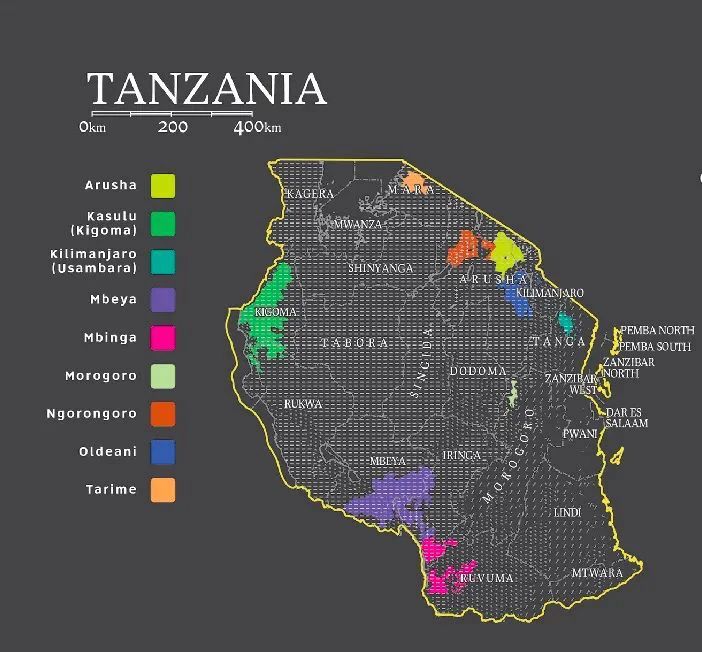
Tanzania's northern coffee-producing regions are mainly centered around the Moshi and Mbeya areas surrounding the Kilimanjaro foothills, while the south is concentrated in the Songea-Ruvuma area along the Ruvuma River.
ARUSHA
Arusha is adjacent to the producing areas around Mount Kilimanjaro, and this region surrounds the active Meru volcano, which has been dormant since 1910.
Altitude: 1100–1800m
Harvest Period: July–December
Varieties: Kent, Bourbon, Typica
Ruvuma
This region is located at the southernmost tip of Tanzania, and its name comes from the Ruvuma River. Coffee cultivation is concentrated in the Mbingo area. It is considered a region with high-quality coffee production potential, though development was previously limited by a lack of funding.
Altitude: 1200–1800m
Harvest Period: June–October
Varieties: Kent, Bourbon, and Bourbon-derived N5 and N39
KNCU&TCMB
In the past, Tanzania's coffee industry was dominated by estate cultivation, but today over 85% is grown by smallholder farmers. Many smallholders have formed cooperatives, the most important of which is the Kilimanjaro Cooperative Union (KNCU). Tanzanian coffee is sold at auction by the Tanzanian Coffee Marketing Board (TCMB) to private exporters. In the 1980s, most coffee sales shifted from auction to direct sales to the Tanzanian Coffee Marketing Board. Now the situation has changed somewhat, and the coffee industry is undergoing reform. In the future, individuals or groups will be allowed to purchase coffee, and coffee will need to be graded in different ways to attract buyers from Germany, Finland, Belgium, and Japan.
Washed Processing Method
This Tanzanian Kilimanjaro from Front Street Coffee uses washed processing. Most Tanzanian coffee is processed using the washed method. After picking, farmers send the cherries to the nearest processing station. The washed method is currently the most widely used processing method, removing the skin, pulp, and mucilage through washing and fermentation.
Specific steps of the washed processing method:
1. Screen and remove impurities mixed in with the coffee cherries 2. Remove the coffee pulp and outer skin 3. Send to fermentation tanks to remove the pectin layer adhering to the parchment through fermentation 4. Wash clean and then dry
Grading System
Tanzania's coffee grading method is consistent with Kenya's, both based on bean size. During screening, green beans are passed through screens with fixed-size holes. The higher the screen number, the larger the green bean.
AA Grade: Screen Size between 17–18 mesh (7.20mm screen)
AB Grade: Screen Size between 15–16 mesh (6.8mm–6.2mm screen)
PB Grade: Round green beans, accounting for about 10% of all coffee beans
C Grade: Screen Size between 12–14 mesh (4.8mm–5.6mm screen)
Roasting Curve
Kilimanjaro coffee beans are large and uniform in size, grayish-green in color, with strong acidity and a sweet aroma—an excellent flavor profile. Front Street Coffee's roaster chose a medium-light roast, which after completion gives off sweetness and a light acidity.
Charge temperature: 170°C, Turning Point: 6'30'' at 150.8°C, First Crack: 10'16'' at 182.7°C, First Crack development 1'45'', drop at 193°C.
Brewing Parameters
Dripper: V60
Coffee-to-Water Ratio: 1:15
Water Temperature: 91°C
Grind Size: BG#5G
Brewing Method
Front Street Coffee uses staged extraction, specifically the three-pour method.
First Pour: Bloom (to help degas)
During the roasting process, as coffee beans transform from green to roasted, they undergo a series of chemical reactions and physical changes. When roasting reaches a certain level, a large amount of gas (mostly carbon dioxide) accumulates inside the beans.
Generally speaking, the fresher the beans and the closer to the roast date, the more pronounced the bubbling during blooming. Dark-roasted beans also release more gas during blooming than light-roasted beans. Front Street Coffee's beans are all freshly roasted, so we typically recommend customers rest the beans for three days first to let carbon dioxide release, avoiding instability and under-extraction during brewing.
After the bloom releases gas, the coffee grounds can absorb water evenly, which helps with uniformity in subsequent extraction. A good bloom allows the coffee grounds to degas quickly and thoroughly while also allowing them to come into contact with water quickly and evenly, helping achieve uniform extraction.
Second Pour
The second pour starts from the center, with a smaller stream of water injected toward the bottom of the coffee bed. To keep the water stream's penetration focused, keep the circling motion small—about the size of a coin—then spiral outward. From the second pour onward, watch the water level and try not to exceed the height of the coffee bed. In other words, when the water stream circles close to the filter paper, you can stop pouring.
Third Pour
The thicker layer of coffee grounds along the edge of the filter paper becomes heavier as it absorbs water and slides down, becoming thinner as the water level drops. When the water level drops to about halfway, you can proceed with the third pour.
Starting from the third pour, observe the rate at which the water level drops. Again, start circling from the center and don't let the water exceed the height of the coffee bed. At this point, you'll see foam covering the entire surface. The third pour should increase the agitation of the coffee grounds, getting all the settled particles tumbling to dissolve out soluble substances.
The tumbling particles will gradually settle as you stop pouring. At this point, rely on the flow rate created by the dropping water level to create friction between the coffee particles. Therefore, once you stop pouring, the coffee grounds will sink and cause clogging, so pay special attention to the rhythm of pouring. If you pause too many times, it's equivalent to letting the coffee grounds sit soaked in water, which will cause astringency and off-flavors in the final extraction phase.
Flavor Description
Berry aroma, citrus acidity on the palate, soft and refreshing acidity, honey sweetness in the mid-palate, tea-like finish, with a sweet aftertaste.
The above content is compiled by CoffeeHunters, a coffee news website.


