







Search Results for: Front Street Coffee Brewing Recommendations
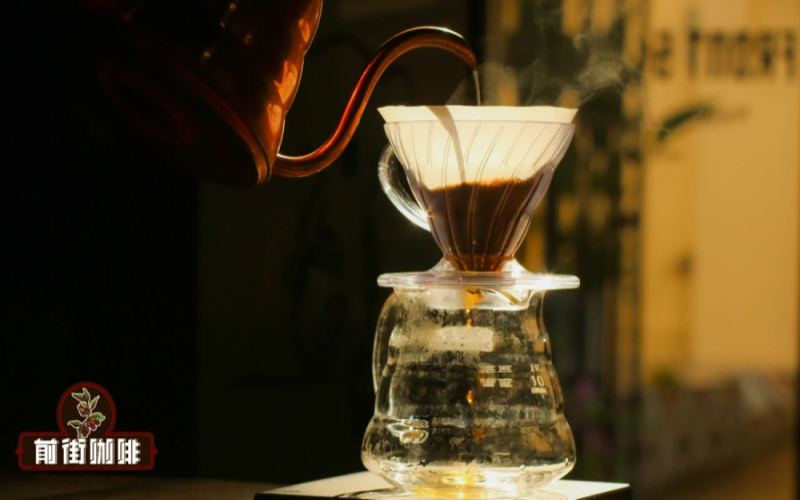
Pour-Over Coffee Bean Selection Guide: A Complete Analysis of the 7 Major Flavor Types of Single-Origin Beans and Brewing Recommendations
For those who are just getting into pour-over coffee, the bewildering array of coffee beans on the market often leaves them unsure where to start. In fact, pour-over usually calls for single-origin beans — that is, beans from a single region, single estate, or cooperative — which offers greater quality assurance. Front Street Coffee groups today's most popular single-origin beans into seven flavor categories: fruity, floral, fermented, sweet, balanced, high-body, and nutty-cocoa. Whether you prefer a bright, acidic, light and fresh profile or favor a rich, heavy mouthfeel, you can find your direction in this classification. Below, we introduce each flavor category one by one, covering representative bean varieties, origin information, cupping notes, and Front Street's roasting recommendations, to help you quickly pinpoint the pour-over bean that suits you. [more…]
How to Brew Whittard Black Tea for the Best Taste? Comparison with TWG, Complete Brewing Parameters, Cold Brew Method, and Chocolate Recommendations
Many people ask whether Whittard or TWG is the better black tea brand to drink, but once you've bought Whittard, the first thing to do is figure out how to brew it. Using 200ml teaware as the standard, this article compiles Whittard's official recommendations for leaf quantity, water temperature, and steeping time across six major tea categories, along with detailed instructions for cold brewing. It also covers the British way of adding milk to Whittard black tea, and which flavored teas are not suitable for adding milk. Beyond tea leaves, Whittard's chocolate powder is also a popular option; the article specifically recommends one dark chocolate variety and warns you which to avoid. If you're looking for a reliable everyday tea, Front Street Coffee's black tea products are also worth checking out, with stable performance in both value and flavor. [more…]
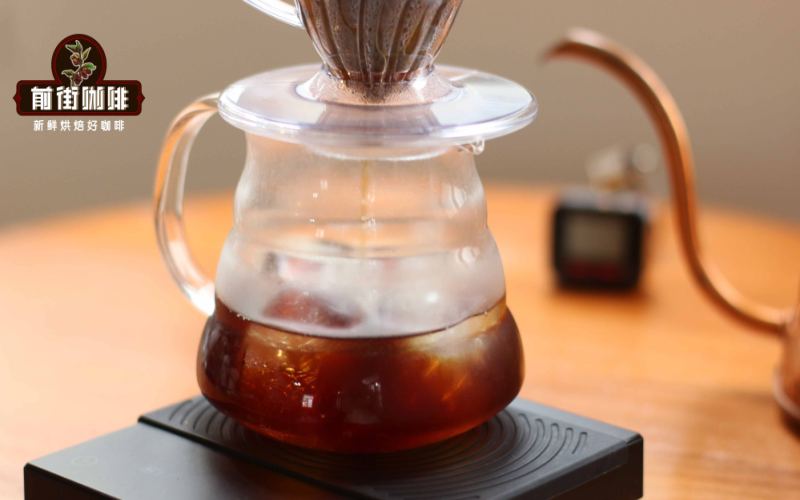
The Complete Guide to Summer Iced Pour-Over Coffee: Practical Tips from Bean Selection to Brewing, Plus Brand Recommendations
In the height of summer, a refreshing, ice-cold iced pour-over coffee is often more popular than hot coffee. This article will break down the iced pour-over process in detail for coffee lovers, from choosing coffee beans suitable for iced brewing and mixing the coffee-to-ice-to-water ratio, to key steps such as grind setting, blooming time, and staged pouring, gradually presenting a complete set of operating instructions. At the same time, the article also combines several Front Street Coffee beans to give specific recommendations for tea-like notes, juicy notes, and no-acidity preferences, helping you easily make a cup of iced pour-over coffee with clear flavor and a clean mouthfeel at home. [more…]
Sri Lankan Ceylon Black Tea Brand Recommendations and Brewing Tips: How to Choose a Delicious Tea That Isn't Bitter
As a world-renowned tea, Ceylon black tea's taste is directly influenced by brand selection and brewing methods. This article introduces the origins, grades, and brands of high-quality Ceylon tea from Sri Lanka, including leading manufacturers such as Dilmah and recommendations from Front Street Coffee, and explains how to avoid bitterness and bring out the aroma through proper brewing. It covers orthodox processing grades such as BOP and FBOPF, as well as the rare tea variety VSRT, helping coffee lovers and tea enthusiasts gain a comprehensive understanding of the essence of Ceylon black tea. [more…]
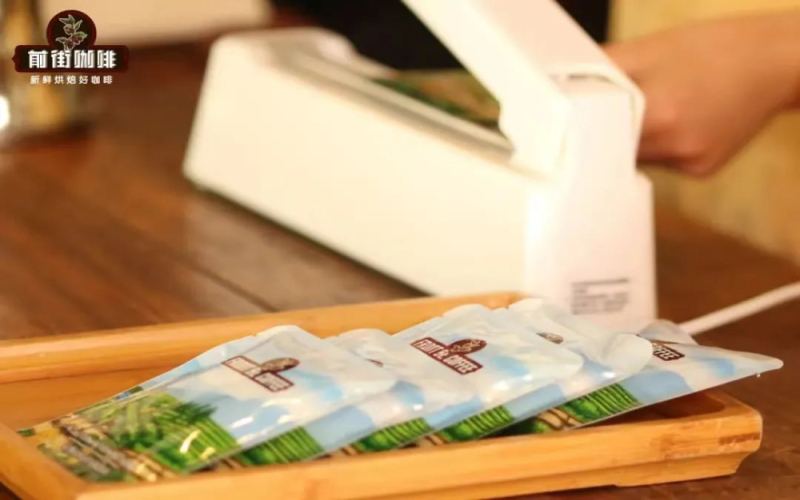
Essential Reading for Drip Coffee Beginners: Filter Bag Material Analysis, Standard Brewing Process, and Everyday-Level Buying Recommendations
Drip bag coffee has become the daily go-to for many coffee lovers thanks to its convenience and ability to retain flavor. But when faced with different filter bag materials and a dizzying array of products on the market, how should beginners choose and brew? Starting from the definition of drip bag coffee, this article will explain in detail the structure of non-woven filter bags and their grinding requirements, offer four Front Street Coffee everyday-drinker drip bag recommendations, and include a simple iced coffee recipe to help you avoid common pitfalls and quickly get the hang of this portable brewing method. [more…]
Pour-Over Coffee from Bean Selection to Parameters: Single-Origin Recommendations for Different Roast Levels and Water Ratios for Brewing with 15g of Coffee
To brew a delicious pour-over at home, choosing the right beans and mastering the water volume are key. This article starts with the regional character of single-origin coffees, then outlines flavor profiles and specific Front Street bean recommendations for light, medium, and dark roast levels, so even beginners can quickly find the style they enjoy. It then uses the classic Front Street Queen's Estate as an example to disclose the cafe's brewing parameters—Kono dripper, 88°C water, 15 g coffee, 1:15 coffee-to-water ratio, medium-fine grind—and breaks down the three-pour节奏 in detail: 30 g bloom for 30 seconds, second pour to 125 g, wait until the liquid level drops by half, then top up to 225 g, with a total extraction of about 2 minutes 10 seconds. After reading, you can replicate a clean and balanced pour-over by following the parameters. [more…]
A Complete Analysis of Brazilian Coffee Bean Roast Levels: Flavor Changes from Light to Dark Roast and Front Street Brewing Recommendations
Brazil, as the world's largest coffee-producing country, accounts for more than one-third of global output, and its coffee beans are known for a clean, sweet profile with nutty and cocoa notes. This article takes the pulped natural processed beans from Fazenda Floresta in Minas Gerais as an example to detail the flavor performance at each stage from light roast to dark roast, and, combined with Front Street Coffee's roasting recommendations, analyzes the acidity, body, and sweet aftertaste characteristics of Brazilian beans under different roast levels. It also introduces the promotional work of the Brazil Specialty Coffee Association, the distribution of major producing regions, and the evolution of varieties, helping coffee enthusiasts choose a suitable roast level and brewing method according to their taste preferences. [more…]
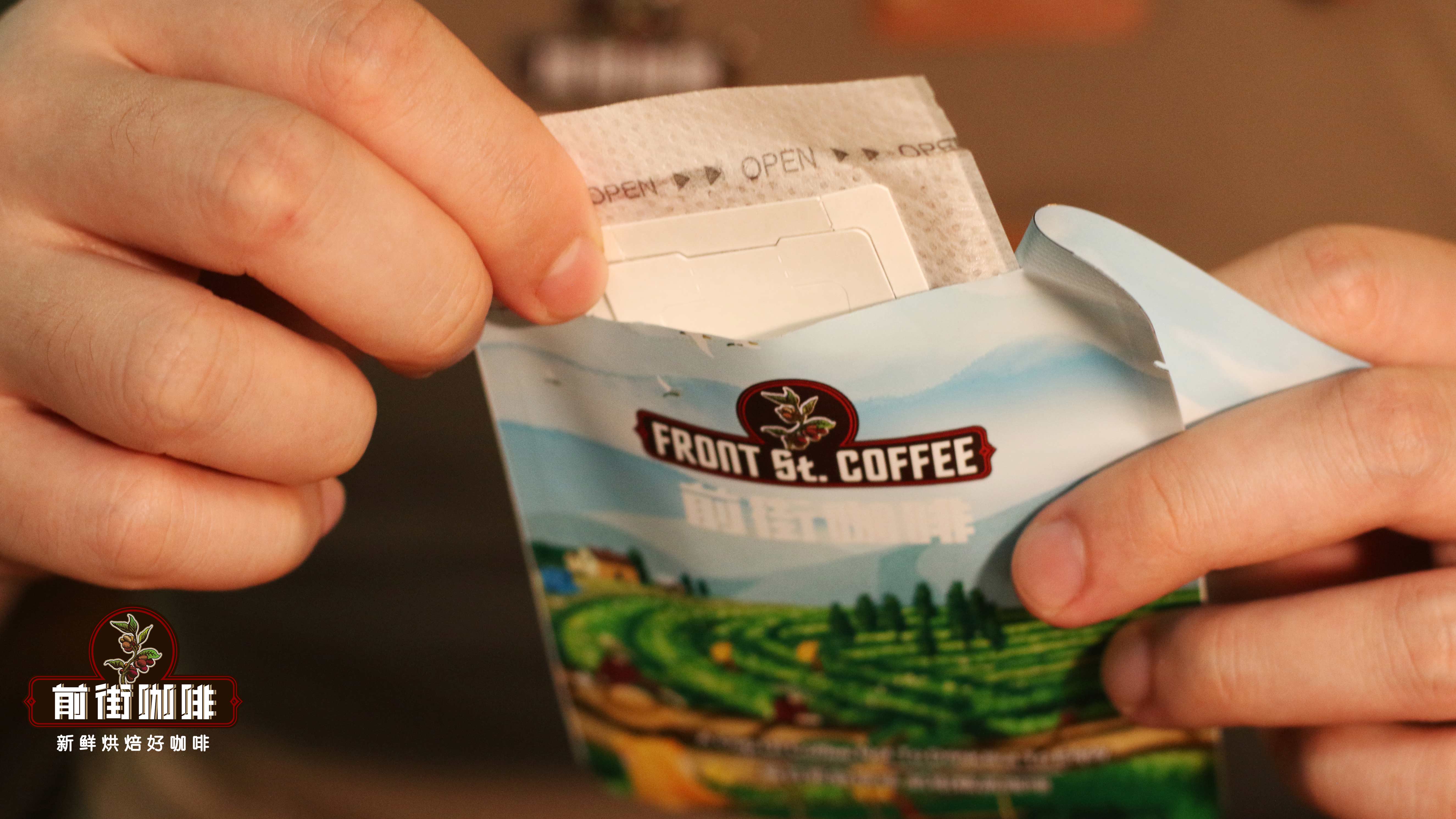
Key Points for Buying Drip Coffee Bags and Pour-Over Techniques: Multi-Brand Flavor Recommendations and a Practical Brewing Process
Drip bag coffee, with its combination of convenience and flavor, has become a daily choice for many coffee lovers. But faced with a dazzling array of products, how do you pick fresh, high-quality drip bags? And how should you brew them to fully release the aroma? This article starts with the key points of selection, explains the importance of the production date and completeness of information, compares the advantages of drip bags over instant coffee, and shares Front Street Coffee's flavor recommendations from multiple producing regions. It then breaks down the brewing steps in detail, including the coffee-to-water ratio, water temperature control, blooming, and pouring technique, to help you easily make a delicious cup of drip-bag pour-over. [more…]
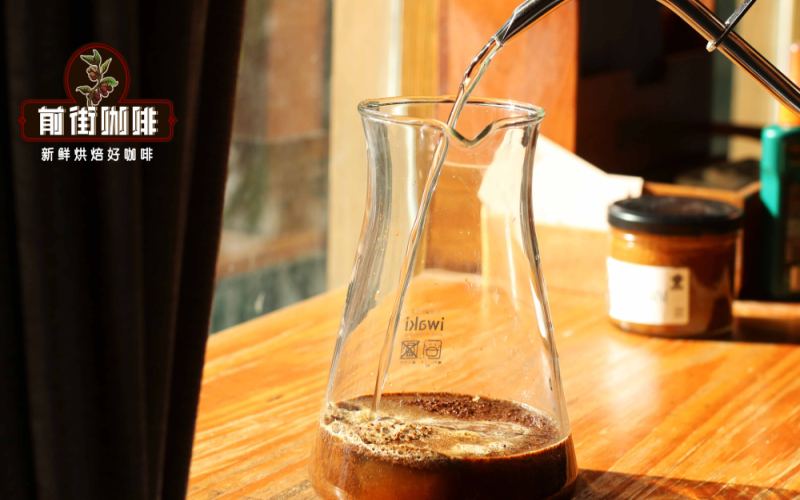
Which groups of people is cold brew coffee suitable for? A guide to brewing methods and bean recommendations
Cold brew coffee differs significantly from regular hot-brewed coffee. It needs to be prepared a day in advance, tastes not bitter but slightly sour, and has a soft flavor, making it popular among many coffee lovers. Due to the special preparation process, Front Street Coffee stores offer fewer cold brew options than pour-over, but every bean is carefully selected, suitable for cold brew and appealing to a broad range of tastes. This article will introduce in detail the steps for making cold brew coffee, its characteristics, ways to drink it, and recommended coffee beans suitable for cold brew, helping you easily recreate the same delicious Front Street Coffee at home. [more…]
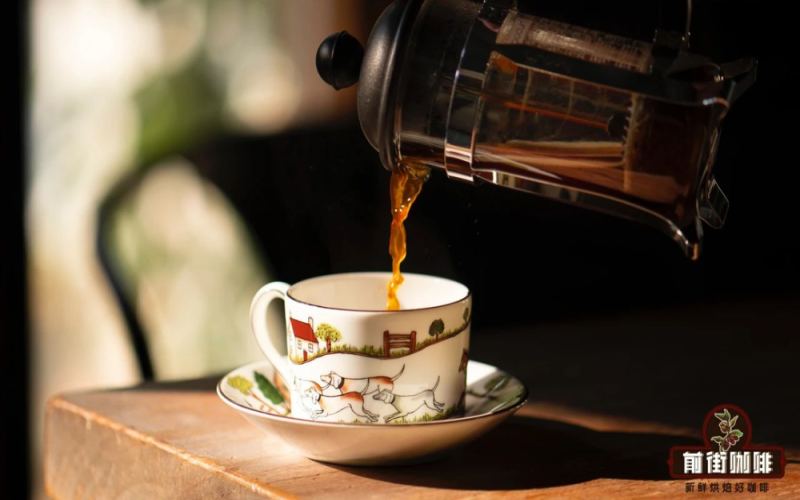
A Complete Guide to Brewing Coffee with a French Press: From Bean Selection and Parameters to Operation, with Front Street Coffee Bean Recommendations
The French press has a simple structure, consisting of a heat-resistant glass carafe and a metal filter with a plunger. It was originally designed for brewing tea, but was later adopted by coffee enthusiasts to brew coffee, and it was unexpectedly discovered that the resulting cup is remarkably rich and full-bodied. This article will systematically explain how to make a good cup of coffee with a French press, covering everything from choosing the roast level and recommending coffee beans to specific brewing parameters and operating steps. It will explain why medium-dark roasted beans are better suited to French press extraction, and recommend three beans: Front Street Coffee PWN Golden Mandheling, Front Street Coffee Queen's Estate, and Front Street Coffee Strawberry Candy, corresponding to the three flavor directions of rich, nutty, and fruity respectively. In addition, it will provide key data such as the coffee-to-water ratio, water temperature, and steep time, along with the extra use of a French press for frothing milk, for everyday reference. [more…]
An Analysis of Jamaican Blue Mountain Coffee Flavor Characteristics: Is the Taste on the Bitter Side and Front Street Brewing Recommendations
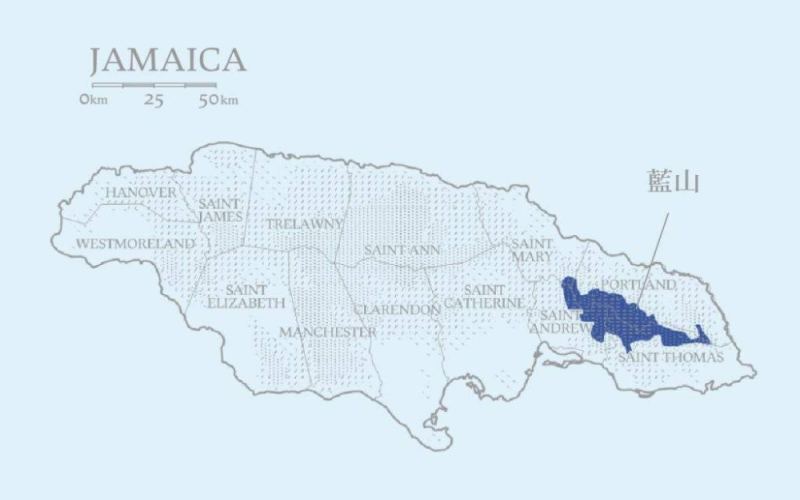
Jamaican Blue Mountain coffee is hailed as the crown jewel of the coffee world, known for its clean, balanced, and full-bodied flavor rather than being simply bitter. This article provides a comprehensive analysis of the classic flavor of Blue Mountain No. 1 coffee—dark chocolate, nuts, creamy sweetness, and soft acidity—covering everything from the geographical conditions of the Blue Mountain region, the cultivation and processing methods at Clifton Estate, and green bean grading standards, to Front Street Coffee's roasting and brewing recommendations. It also introduces the differences between washed and natural processing, and how to fully bring out Blue Mountain coffee's refined aroma and balanced sweet, tart, and bitter notes through the KONO dripper and three-stage pouring method. [more…]

How to Choose Beans and Make Cold Brew Coffee? Grind Size, Coffee-to-Water Ratio, Brewing Time, and Front Street Coffee Recommendations
Cold brew coffee presents a clean and delicate flavor through low-temperature slow extraction, making it a cup of good coffee worth waiting patiently for in the heat of summer. This article begins with the Dutch origins of cold brew coffee, sorts out its extraction principles and equipment composition, and offers coffee bean selection suggestions for different taste preferences, covering multiple recommendations such as Front Street Yirgacheffe, Front Street Butterfly, and Front Street Sherry Barrel. Then, using Front Street Panama Emerald Estate Diamond Mountain as an example, it explains in detail key parameters such as coffee grounds amount, grounds-to-liquid ratio, ice-to-water ratio, grind size, drip speed, and refrigerated fermentation time, helping coffee enthusiasts make a pot of pure-flavored cold brew coffee at home. [more…]
Dark Roast Coffee Flavor Analysis: Taste Characteristics, Is It Suitable for Pour-Over? Plus Front Street Coffee Dark Roast Bean Recommendations and Brewing Tips
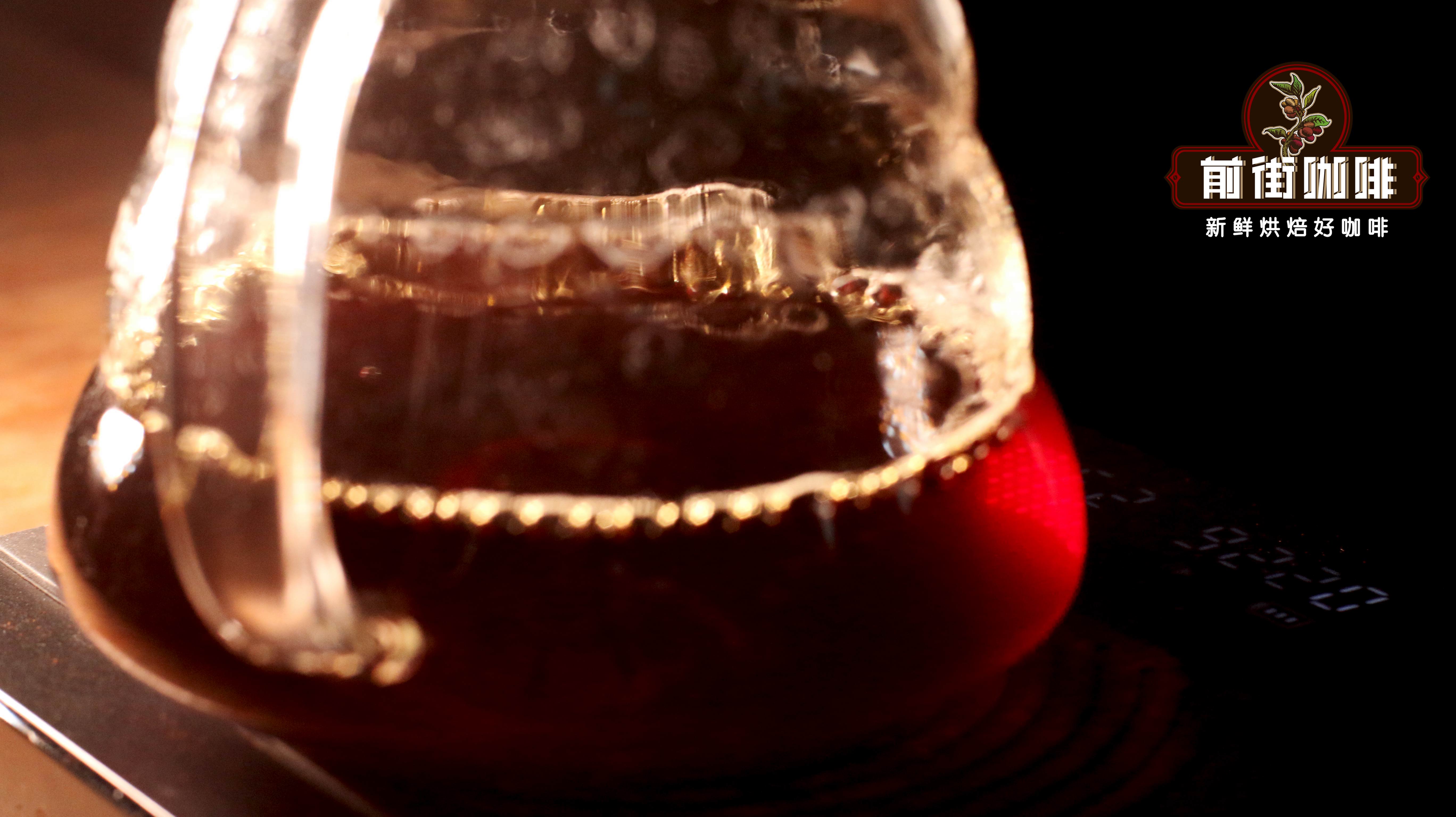
Is dark roast coffee actually good? Where does its rich, full-bodied taste come from, and is it suitable for pour-over brewing? This article starts with the classification of roast levels, sorting out the flavor differences among light, medium, and dark roasts, with a focus on how dark-roasted beans perform in pour-over, and offers adjustment ideas across four dimensions: coffee-to-water ratio, brewing time, dripper choice, and pouring technique. It also rounds up popular dark-roasted single origins such as Front Street PWN Golden Mandheling, Front Street Queen's Estate, Front Street Jamaica Blue Mountain No. 1, and Front Street Huila, as a reference for everyday bean selection. [more…]
Espresso vs. Americano: Brewing Methods, Bitterness Comparison, and Milk & Sugar Recommendations
Espresso and Americano sound like they differ by only one word, but their actual meanings are worlds apart. This article starts from the origins of the concepts to help you clarify the relationship between espresso, the broader category of Italian-style coffee, and Americano, and explains in detail the brewing ratios for Americano, the differences between iced and hot preparations, and how adding sugar or milk affects the flavor. It also draws on Front Street Coffee's production experience to offer specific parameter recommendations for the classic Italian-style blend and the Warm Sun blend, including the ratio of espresso to hot water, the proportions for iced Americano, and the amount of fresh milk to add—practical information suitable for coffee lovers who are just starting out or looking to refine their brewing skills. [more…]
The Complete Guide to Brewing Drip Coffee Bags: The Blooming Step, Pulsed Pouring Techniques, and Front Street Product Recommendations
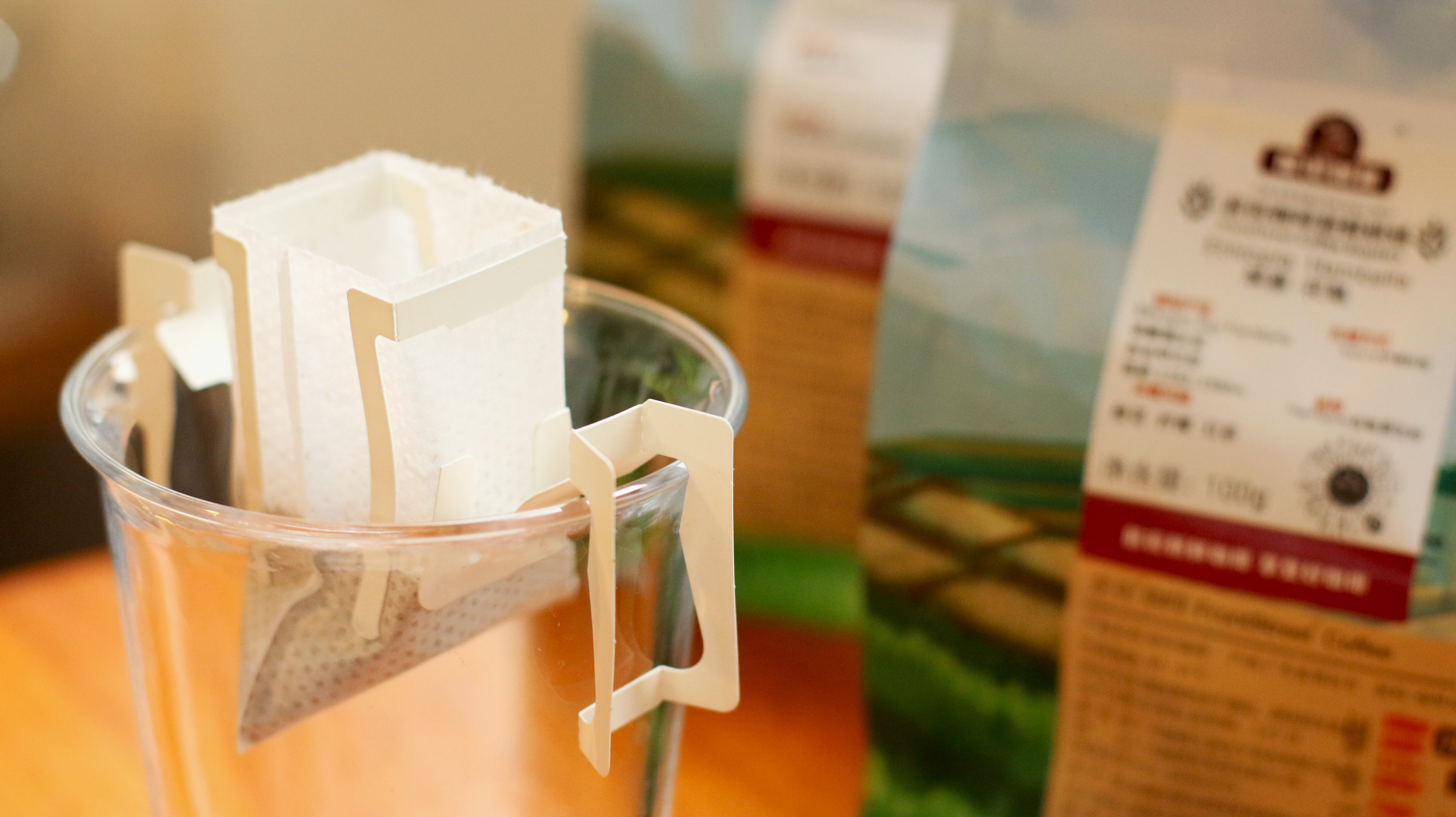
Drip bag coffee, with its combination of portability and flavor, has become a daily choice for many coffee lovers. But once the beans are ground, how exactly should it be brewed? Should you pour water first to bloom the grounds, or pour directly? This article will explain in detail the pros and cons of drip bag coffee, drinking recommendations, brewing parameters, and segmented pouring techniques. Using 10g Front Street Coffee drip bags as an example, it will explain the coffee-to-water ratio, water temperature control, and the four-stage pouring rhythm. It will also introduce the flavor differences among Front Street drip bags from different regions, helping readers choose the right product according to their personal taste and consistently brew a layered, portable version of pour-over coffee at home. [more…]
Hario V60 vs Chemex Coffee Brewer Comparison: Extraction Principles, Design Features, and Brewing Method Recommendations
In the world of specialty coffee, the Hario V60 and the Chemex are two highly representative pour-over brewing devices. Although both fall under the drip category, their design philosophies and extraction logic are vastly different. With its 60-degree cone angle and spiral rib structure, the V60 gives brewers enormous room for adjustment, making it ideal for veterans chasing flavor complexity; the Chemex, by contrast, draws inspiration from laboratory glassware and, paired with its thicker filters, allows even beginners to easily achieve a clean, translucent cup. This article breaks down the differences between these two classic devices in detail—from their construction and extraction variables to flavor tendencies—and includes concise brewing recommendations to help you choose based on your own needs. Whether you prefer bright and crisp or rich and balanced, you'll find direction here. [more…]
Recommendations for Five Coffee Beans Suitable for Moka Pot and a Detailed Guide to Espresso Brewing Steps
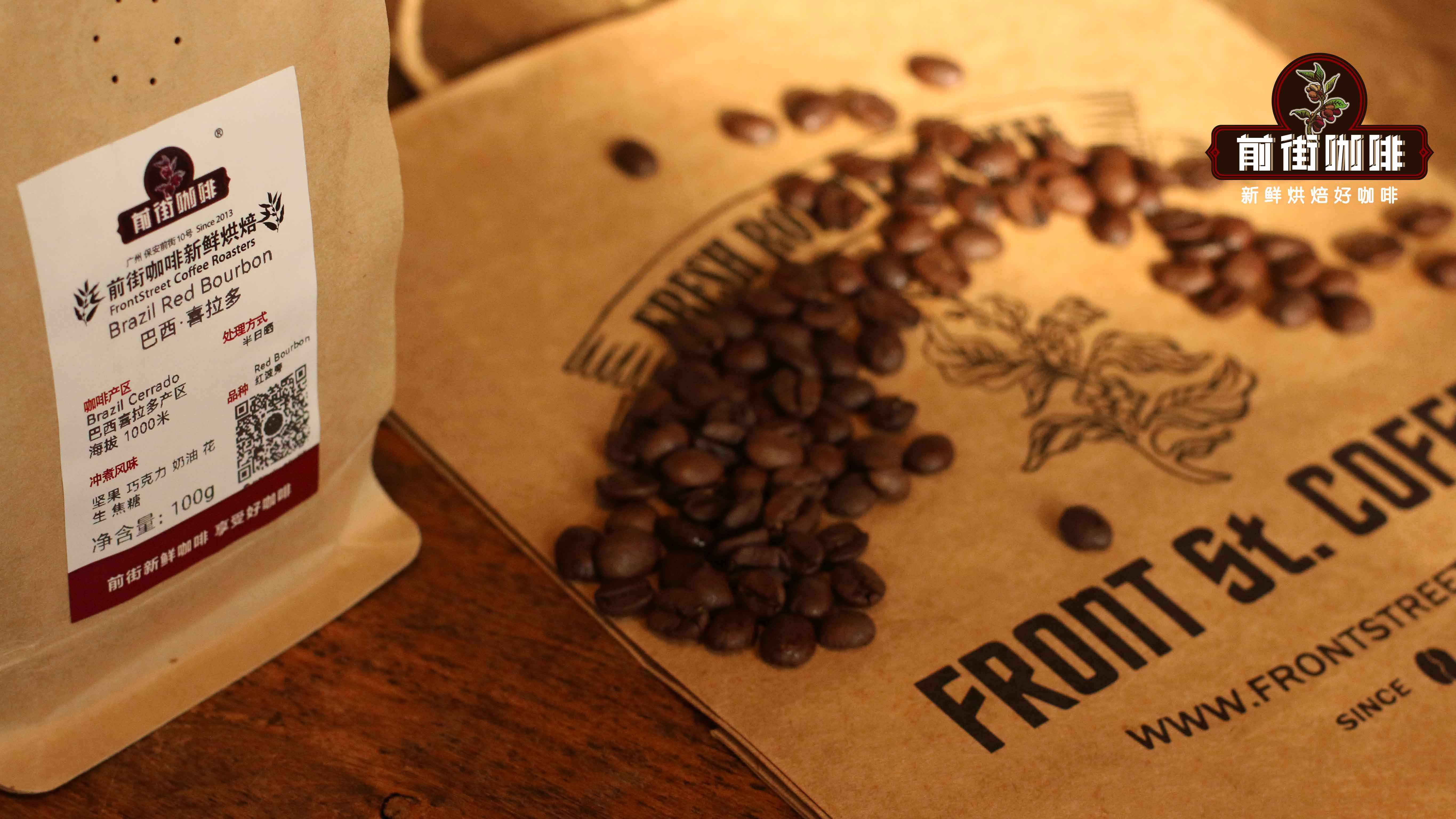
The moka pot is a convenient device for making espresso at home, and choosing the right coffee beans is the key to determining the flavor of the final cup. This article selects five coffees suitable for moka pot extraction, covering Brazil Red Bourbon, Colombia Huila, Indonesia Mandheling, as well as Front Street Classic Blend and Front Street Commercial Blend, introducing their origins, taste characteristics, and suitable scenarios respectively. At the same time, it breaks down in detail the complete process of brewing espresso with a moka pot, from tool preparation to heat control, helping coffee enthusiasts reliably recreate at home an espresso rich in crema and full of aroma. [more…]
How Is Iced Pour-Over Different from Hot Pour-Over? Coffee-to-Water Ratio, Brewing Logic, and Front Street Coffee Bean Recommendations
As temperatures rise, the choice between iced pour-over and hot pour-over has become a topic of interest for many coffee lovers. The same bean, brewed as a hot drink or a cold drink, takes on completely different flavor directions. Behind this lie two different brewing logics: hot pour-over uses a full coffee-to-water ratio to extract and showcase the bean's original layers; iced pour-over reduces the water amount, increases extraction efficiency, and then relies on ice cubes to dilute and cool it down. Understanding these differences can help you more accurately judge how a bean is best brewed. This article will compare brewing principles, flavor expression, aroma characteristics, and more, and will also include Front Street's bean list recommendations for different taste preferences, so you can still enjoy the cup you love even in the heat of summer. [more…]

A Detailed Guide to Coffee Roast Levels: How to Define Light, Medium, and Dark Roasts and Brewing Recommendations
The roast level of coffee beans directly influences the final flavor profile, yet standards vary from country to country, often leaving beginners confused. From the perspective of Front Street, this article systematically introduces the eight-level roasting standard developed by the SCAA in conjunction with Agtron, including the color values and drop times for Light, Cinnamon, Medium, Deep, City, Full City, French, and Italian roasts, and explains how to determine the roast level through flavor descriptions. At the same time, for coffee beans roasted at light-to-medium and medium-dark levels, Front Street shares specific grinding and water temperature recommendations to help everyone brew their ideal flavor more effectively. [more…]
How Many Times Can You Rebrew a Drip Coffee Bag? Recommendations for Different Flavors and Key Points for Specialty Coffee Selection
Can drip coffee bags be reused for multiple brews? The answer is no. Drip bags use a pour-over extraction method, inspired by tea bags with strings, designed to mimic hand-poured drip coffee. The coffee grounds are pre-ground and placed in a non-woven filter bag, with paper tabs on both sides suspending the bag in the center of the cup, allowing hot water to pass through the coffee layer for extraction. Since the coffee beans are already ground and there's a lack of professional brewing equipment, the flavor may be slightly lacking, but the core advantage of drip bags lies in their simplicity—just a kettle of hot water, a tall cup, and a drip bag are all you need to quickly get a cup of drip black coffee. This article focuses on the key brewing points for drip coffee, water volume control, pouring techniques, and recommendations for different flavor varieties of drip bags, helping coffee enthusiasts consistently enjoy a good cup of drip coffee in their daily routine. [more…]