







What Does Coffee Powder Preparation Involve in Drip Bags?
Drip bag coffee uses freshly roasted beans that are ground and sealed, which preserves much of the original flavor and is normally extracted with hot water. Because brewing leaves grounds behind, a filter bag is needed. The brewing logic resembles pour-over coffee, but the operation removes many cumbersome steps, making it a portable option for everyday drinking.
The bags are made of biodegradable non-woven fabric with a fine inner mesh that lets liquid flow out at a uniform rate, so coffee powder preparation matters: grind roughly the size of granulated sugar, not finer. Bagged coffee sold like tea bags uses non-woven fabric or gauze and needs a certain steeping time, so beginners should start with everyday-level drip bags.
Drip bag coffee has become the daily first choice for many coffee lovers thanks to its convenience and flavor retention. But faced with different filter bag materials and a dazzling array of products on the market, how should beginners choose and brew? This article starts from the definition of drip bag coffee, explains in detail the structure of non-woven filter bags and grinding requirements, provides four recommendations for Front Street Coffee's everyday-drink drip bag coffees, and includes a simple iced coffee preparation method to help you avoid common pitfalls and quickly get the hang of this portable brewing method.
What is drip bag coffee?
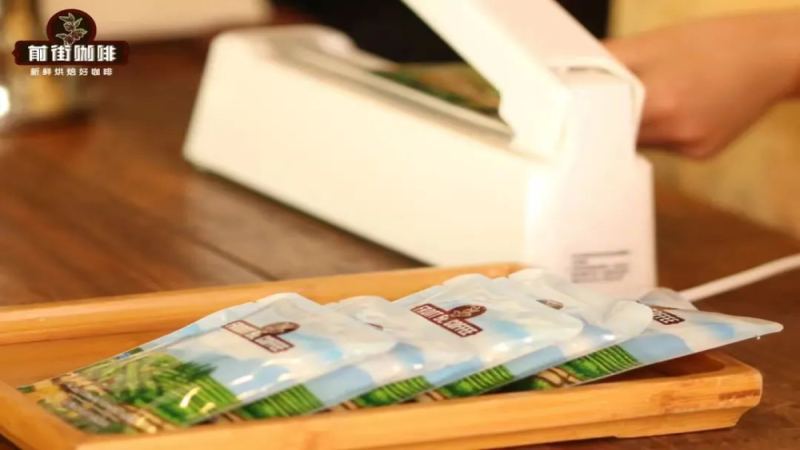
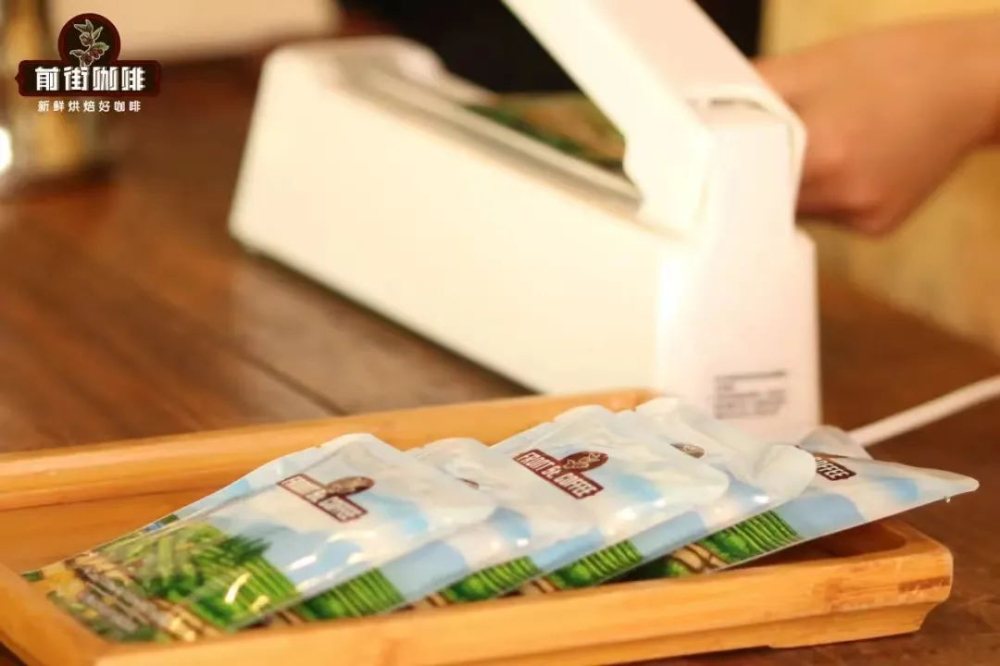
The powder in drip bag coffee comes from freshly roasted coffee beans, which are ground and then sealed. This format preserves the coffee's original flavor profile to a large extent and is typically extracted with hot water. Since brewing produces coffee grounds, a filter bag is necessary for filtration. The brewing logic of drip bag coffee is similar to pour-over coffee, but the operation eliminates quite a few cumbersome steps.
What to consider about filter bag materials
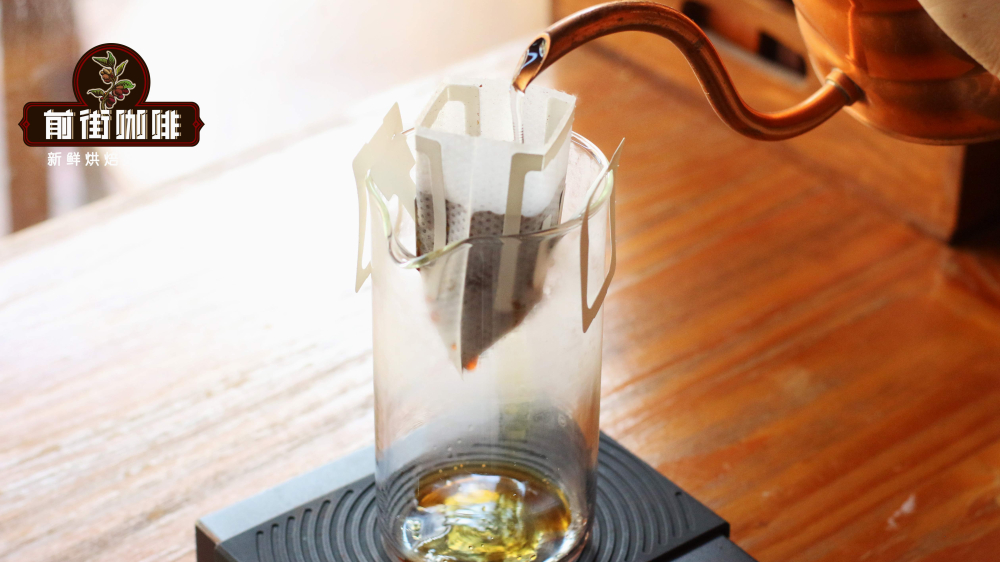
The filter bags used for drip bag coffee are made of biodegradable non-woven fabric, with an inner membrane featuring a fine mesh that forms a filtration layer. The purpose of these holes is to let the coffee liquid flow out at a uniform rate. When hot water passes through the coffee powder layer, it extracts the essence and oils, and the coffee liquid finally drips evenly through the filter pores.
Grind size: Based on the structural design described above, the coffee powder should not be ground too fine — roughly the size of granulated sugar is sufficient. In addition, there is also a type of bagged coffee on the market, similar in form to a tea bag, which is made by grinding roasted coffee beans and packaging them in single-serve disposable filter bags by cup quantity to create a convenient coffee packet. These products mostly use non-woven fabric or gauze materials and require a certain steeping time when brewing.
Beginner's Guide to Buying Everyday Drip Bag Coffee
For beginners new to drip bag coffee, since they are not yet skilled in brewing techniques, it is not advisable to start with high-priced products. Instead, they should begin with everyday-drink-level drip bags that match their personal taste, gradually accumulate experience, and later advance to more professional territory. Here are the most worthwhile Front Street Coffee everyday-drink drip bag coffees:
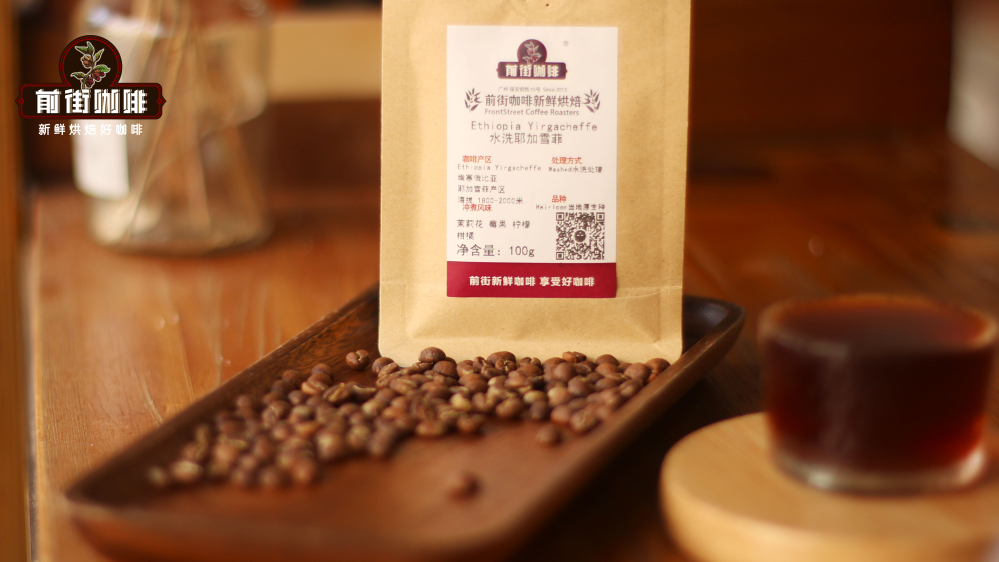
1. Front Street Yirgacheffe Drip Bag: Presents citrus, white floral, and lemon flavors — suitable for those who prefer fruity acidity
Roast level: Medium-light roast
2. Front Street Brazil Cerrado Drip Bag: Features toasted bread, chocolate, and creamy peanut flavors — suitable for those who enjoy nutty aromas
Roast level: Medium roast
3. Front Street Indonesia Mandheling Drip Bag: Prominent caramel, herbal, and spice flavors — suitable for those seeking a rich, full-bodied taste
Roast level: Dark roast
4. Front Street Huakui Drip Bag Coffee: Creamy strawberry, citrus, guava, and mango flavors — suitable for those who love fruity profiles
Roast level: Medium-light roast
5. Front Street Yunnan Small-Bean Drip Bag: Brown sugar, nuts, plum, and black tea flavors — suitable for those who don't particularly enjoy acidity
Roast level: Medium roast
Drip bag coffee can also make iced drinks
Drip bag coffee packets are usually 10 grams per small bag, with the grind size pre-set by the vendor. If brewed in the conventional way and then poured over ice, the finished drink will taste very weak. Therefore, the brewing strategy needs to be adjusted. To maintain the advantage of drip bag coffee's simplicity, Front Street keeps both the method and the tools as simple as possible.
Not much needs to be prepared: ice cubes, a taller cup, hot water, and a drip bag coffee packet — and if you have one, an electronic scale.
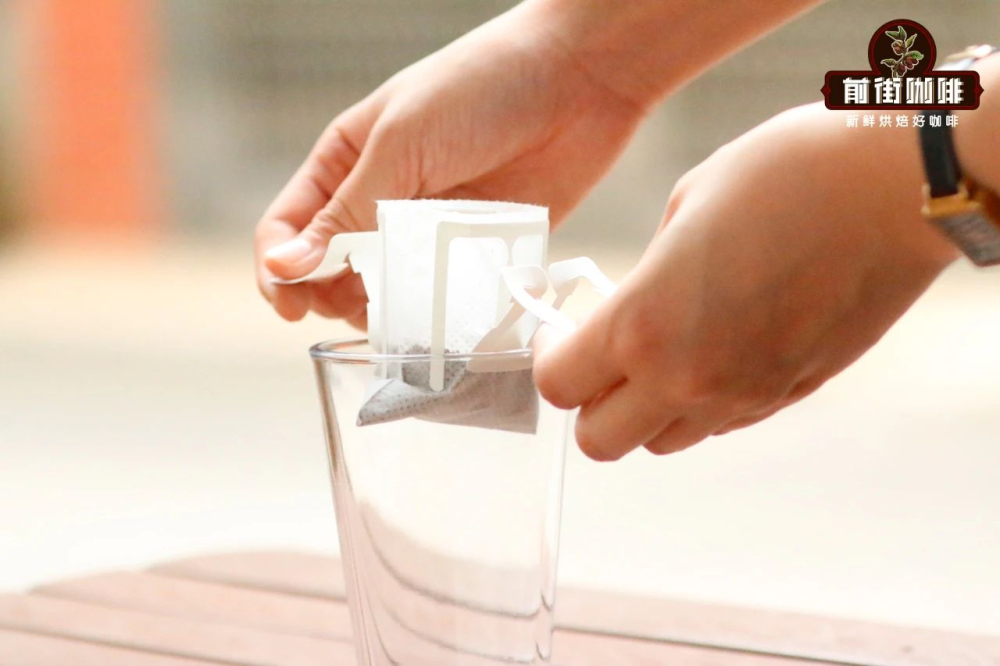
① Tear open the outer packaging of the drip bag coffee, peel back the seal along the "open" indicator line, spread the drip bag hangers open, and rest them on the rim of a tall cup.
② Prepare hot water at around 93°C. If you don't have a thermometer on hand, boil water, remove the lid, and let it sit for about 2 minutes — the water temperature will then be roughly between 90–94°C.
③ Pour 100 milliliters of hot water into the coffee filter bag, making sure all the coffee powder is submerged in water, and steep for 3 minutes. Then remove the drip bag from the cup and discard it.
④ The final step is to add ice cubes to cool it down. You can either drop larger hard ice cubes directly into the cup, or take another cup filled with ice cubes and pour the hot coffee liquid into it. Front Street recommends the latter approach, as the ice melts more slowly and the iced coffee's flavor and mouthfeel will be superior.
Note that drip bag coffee is only suitable for brewing once — adding water again will noticeably diminish the flavor. Therefore, Front Street recommends controlling the coffee-to-water ratio during brewing, so that the resulting iced coffee is both full-bodied and retains the aroma that coffee should have.
The above content is compiled by CoffeeHunters, a coffee news website.


