







Brewing Coffee with a French Press: Bean Choices, Parameters, and Steps
The French press has a simple design: a heat-resistant glass carafe and a metal filter with a plunger. It was first made for tea, but coffee drinkers found it produced a rich, full-bodied cup. This guide covers roast level selection, bean recommendations, brewing parameters, and step-by-step instructions. Medium-dark roasts work well because longer roasting creates caramelized compounds that extract into a sweet, low-acid brew with moderate oily aroma.
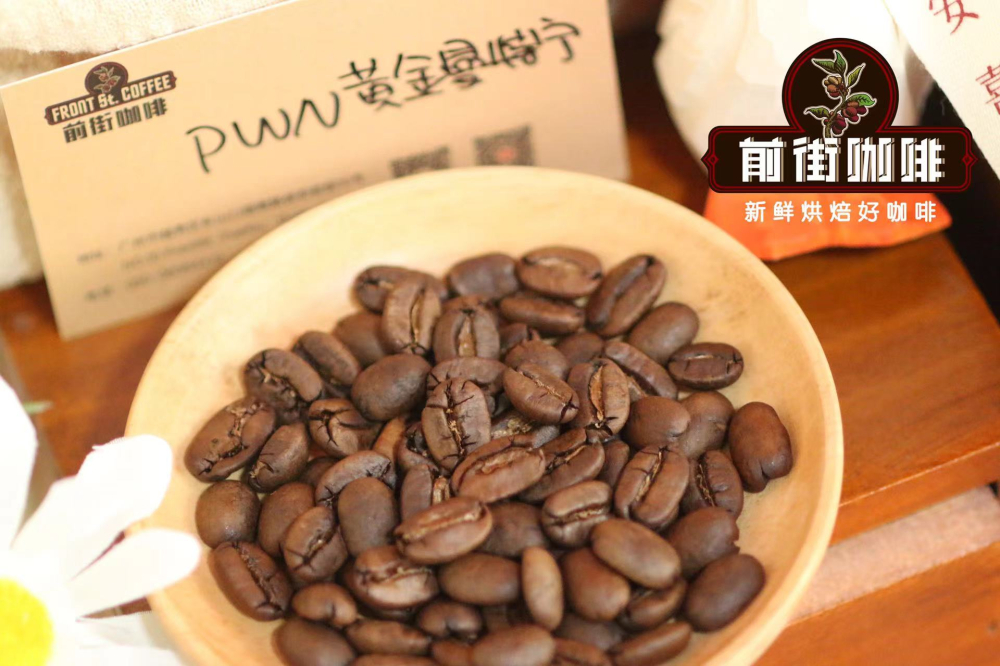
For French press, consider Front Street PWN Golden Mandheling for spice, dark chocolate, and herbal notes with an intense entry and sweet finish. Front Street Queen's Estate offers creamy peanut, chocolate, and toasted bread flavors with balanced body. Front Street Strawberry Candy suits those who prefer less bitterness and also works for pour-over. Key parameters include coffee-to-water ratio, water temperature, and steeping time; the press can also froth milk.
The French press has a simple structure, consisting of a heat-resistant glass body and a metal filter with a plunger. It was originally designed for brewing tea, but later coffee enthusiasts used it to make coffee and unexpectedly discovered that the resulting brew had a remarkably rich texture. This article will systematically explain how to make a good cup of coffee with a French press, covering roast level selection, coffee bean recommendations, specific brewing parameters, and step-by-step instructions. It will explain why medium-dark roasted beans are more suitable for French press extraction, and recommend three beans: Front Street PWN Golden Mandheling, Front Street Queen's Estate, and Front Street Strawberry Candy, corresponding to three flavor directions: intense, nutty, and fruity. In addition, key data such as coffee-to-water ratio, water temperature, and steeping time will be provided, along with the extra use of a French press for frothing milk, for everyday reference.
French Press Brewing Tutorial
The construction of a French press is not complicated—a heat-resistant glass body paired with a metal filter attached to a plunger. It was originally designed as a tool for brewing tea, but later someone tried adding coffee grounds to it and found that the extracted coffee had a rather rich texture. Because of its low barrier to entry, this type of press has been increasingly accepted and used by more people in the coffee community.
If you choose light-roasted beans for French press, the acidity can easily become sharp and prominent, and the original layers of flavor will fall apart; switching to medium-dark roasted beans makes a difference—the beans are heated for a longer time, producing more substances from caramelization reactions, and when extracted using the French press method, they can express a rich yet not bitter state, with moderate oily aroma and no unpleasant acidity.
When making coffee with a French press, you can give priority to Front Street PWN Golden Mandheling. The medium-dark roast brings spice, dark chocolate, nut, and herbal roasting notes, with an intense entry, moderate body, and a sweet, pleasant mellowness. If you prefer French press coffee with prominent nutty flavors, Front Street Queen's Estate is a good choice, with creamy peanut, chocolate, and toasted bread aromas interwoven, a balanced mouthfeel, and a clear sweet aftertaste.
If you don't want the coffee to be too bitter, simply choose Front Street Strawberry Candy. This bean can not only be steeped and extracted in a French press, but is also suitable for pour-over, moka pot, espresso machine, and other methods, presenting rich layers of rose, grape, dried blueberry, and fruit gummy candy.
One more thing to note: the French press relies on a stainless steel mesh for filtration, with no paper filter involved. So when purchasing, be sure to choose a dedicated press with reliable quality, and don't casually substitute an ordinary tea brewer.
The bean used this time is freshly roasted Front Street Golden Mandheling, with the grind size controlled to coarse sugar granule size.
The coffee-to-water ratio is a key factor determining success. The recommended water ratio is 1:15.
Pour the weighed coffee grounds into the press.
PS. If you want to be more meticulous, you can first pour in hot water to warm the press.
The amount of coffee used in this test is about 16g.
Pour in water at a temperature controlled between 90-95 degrees.
Calculated at 15 times the water amount, 16x15=240cc.
Cover with the lid to keep warm and let it steep for four minutes.
When the time is up, slowly press the top plunger all the way down.
The further down you press, the more resistance you will feel. If you prefer a rich, oily body, you can apply a bit more force when pressing down.
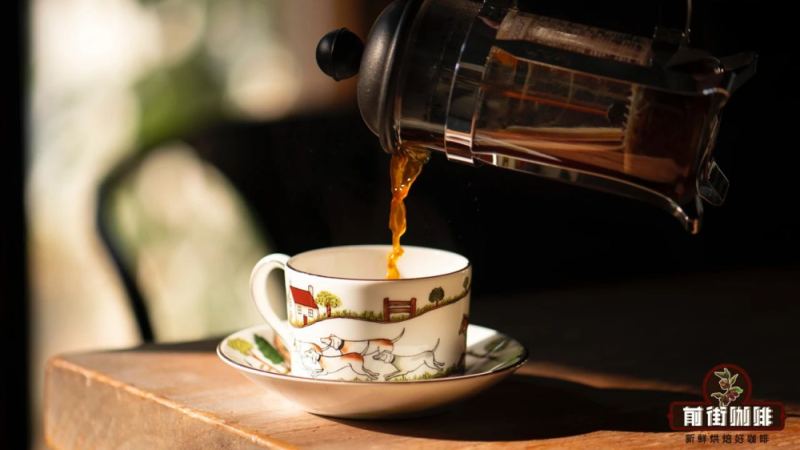
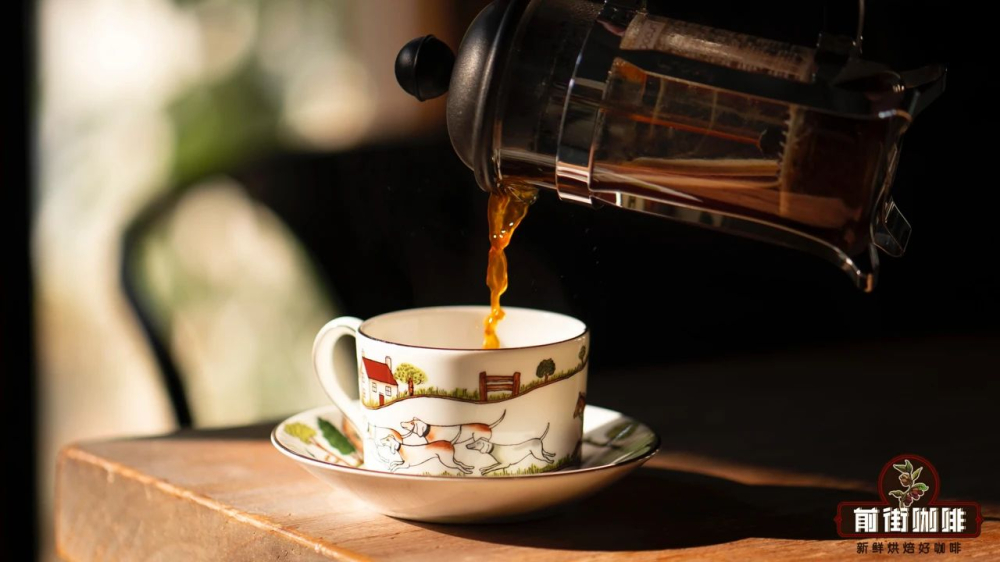
Finally, pour out the coffee and it's done.
Summary of key points for French press coffee brewing:
1. Dark roasted beans are recommended, with the coarsest grind setting
2. Keep the water temperature at 90~95 degrees
3. Coffee-to-water ratio 1:15
4. After pouring water, cover with the lid and let it steep for four minutes
5. The pressing force affects the richness of the body
The above parameters can be flexibly adjusted according to personal taste preferences
The French press has another extra function—frothing milk. Pour in warm milk and repeatedly pull and press up and down to create a frothy milk effect.
The above content is compiled by CoffeeHunters, a coffee news website.


