








What separates an espresso from an americano in the cup?
Espresso is a concentrated shot pulled on a semi-automatic machine, while an americano is that same shot diluted with hot water. The two drinks share a base but differ in strength, volume, and how sugar or milk changes the flavor. Iced and hot versions follow the same logic: more water, softer body, longer finish.
Italian-style coffee is a broad category covering lattes, cappuccinos, and flat whites, all built on espresso. An americano keeps the coffee flavor forward; a latte leans on steamed milk. Brewing ratios matter, and the article gives specific proportions of espresso to hot water and fresh milk for a classic blend and a lighter blend.
Espresso and Americano sound like they differ by only one word, but their actual meanings are worlds apart. This article starts from the conceptual origins to help you sort out the relationship between espresso, the general category of Italian-style coffee, and Americano, and explains in detail the brewing ratios for Americano, the differences between iced and hot preparations, and how adding sugar or milk affects the flavor. Drawing on Front Street Coffee's production experience, the article also provides specific parameter recommendations for the classic espresso blend and the Warm Sun blend, including the ratio of espresso to hot water, the proportions for iced Americano, and the amount of fresh milk to add—practical information suitable for coffee lovers who are just starting out or want to refine their brewing skills.

The coffee world is full of technical terms, and some words look similar but mean completely different things. For example, terms like espresso, Americano, and drip coffee all carry the word "style," but some refer to a specific drink, some to a method of preparation, and others to a general category of coffee—and the differences between them are significant.
Friends who are new to coffee often get confused by this word "style," so today Front Street will sort out what these different "-style" labels actually represent.
What is espresso?
Originally, espresso referred specifically to the concentrated coffee produced by a semi-automatic espresso machine. Since this type of machine originated in Italy, people called it Italian-style espresso, and the machine that makes it came to be known as an espresso machine.
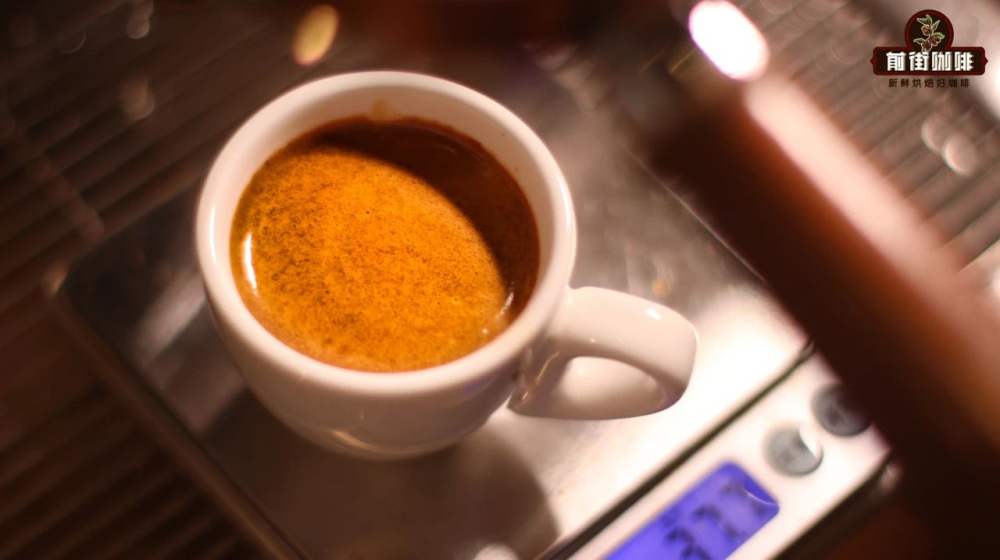
However, most people can't handle this small, highly concentrated cup of coffee, so they began adding various ingredients to dilute the bitterness and intensity. From that point on, espresso no longer referred solely to the concentrated shot but became a general term. Any fancy coffee made with espresso as a base and combined with different ingredients can be classified under "Italian-style coffee." Lattes, cappuccinos, flat whites, and the like all belong to this category.
What is Americano?
Americano is a member of the larger Italian-style family mentioned above, made by mixing espresso with water. During World War II, American soldiers encountered espresso for the first time. As one might expect, espresso was far too strong and bitter, and the American soldiers, accustomed to milder flavors, simply couldn't get used to it—so they asked the shop owners to pour the espresso into water to dilute it.
Unexpectedly, the diluted espresso became a big hit because it perfectly suited the mild taste of the American soldiers. More and more soldiers began asking shops to dilute espresso in water. For convenience, the shop owners named this drink "Americano."
The Americano produced by Front Street Coffee has a refreshing taste and rich aroma. The baristas use Front Street's classic espresso blend beans, roasted in-house. The espresso carries flavors of chocolate, roasted nuts, cream, hazelnut, and caramel—not only layered and complex but also pleasantly smooth and sweet.
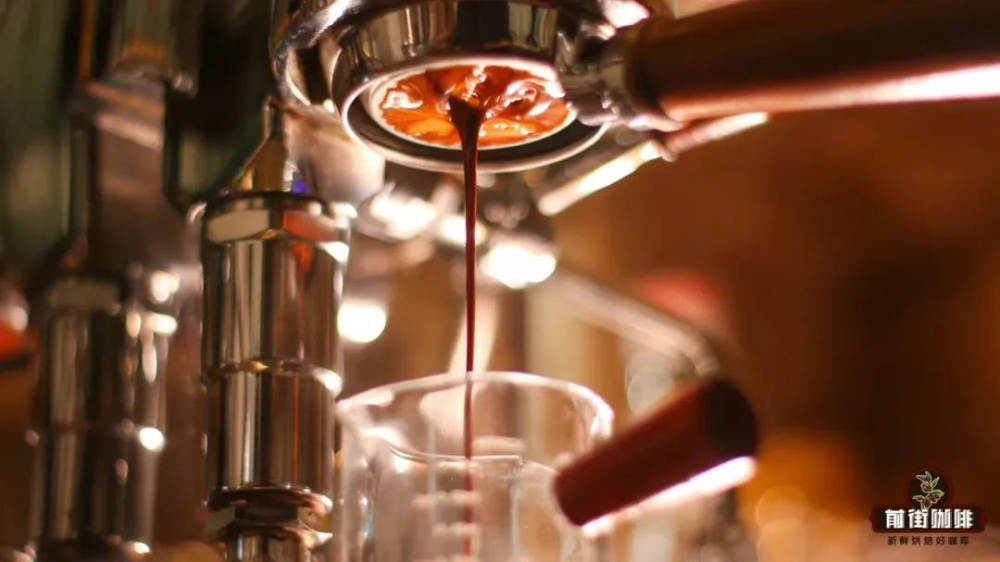
To highlight these aromas, Front Street conducted multiple comparisons and ultimately settled on a 1:4.5 ratio—that is, 40g of espresso added to 180g of hot water. For iced Americano, this becomes 100g of large ice cubes and 120g of water, i.e., 1:2.5:3. This iced Americano has a moderate strength, is sweet-and-sour and refreshingly cold, with a lasting finish.
Can you add sugar or milk to Americano?
For those who can't accept the bitterness of coffee, Front Street usually suggests adding a small amount of sugar or milk to make the Americano more drinkable, while also enriching the layers of the coffee.
A standard Americano typically has a beautiful golden foam floating on top—crema. Moderate crema not only gives the coffee a good mouthfeel but also provides us with aromatic compounds through the sense of smell, and it is one of the important indicators of coffee freshness.
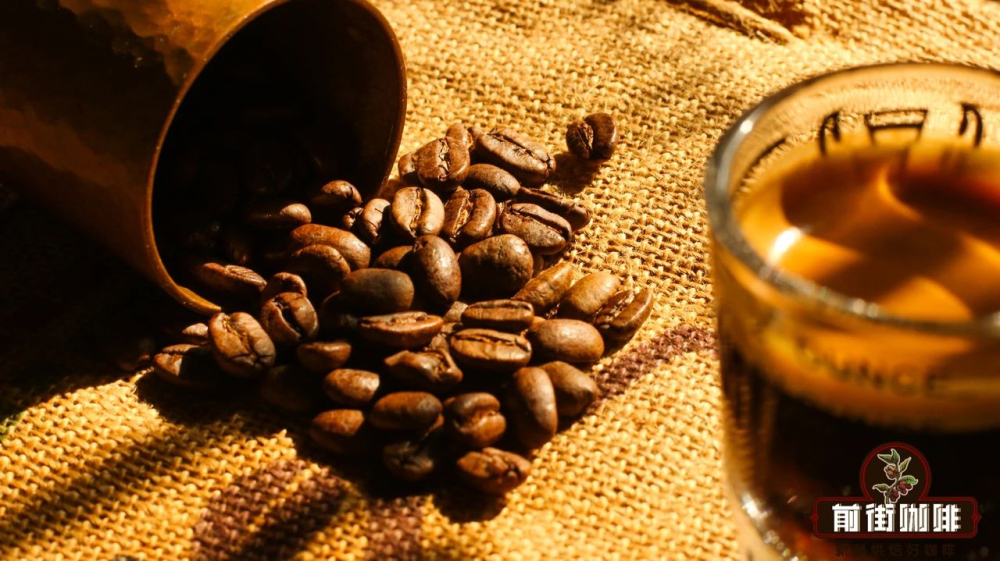
To enhance the richness of crema, many people prefer to use dark-roasted beans (espresso beans) for preparation. The dominant flavor profile of these beans is inherently bitter, and if the parameters aren't dialed in properly, the coffee can also exhibit negative characteristics like dryness or roughness. At this point, adding a small amount of milk not only neutralizes the bitterness of the coffee but also, with milk's rich creaminess, elevates the entire Americano with a thicker mouthfeel, allowing the caramel and chocolate aromas to become more pronounced.
Typically, every coffee shop has a fixed ratio for its output. For example, when Front Street uses the medium-dark roasted Warm Sun blend to make a hot Americano, it is served in a 240ml ceramic cup, with about 35–40ml of espresso and 180ml of hot water, roughly a 1:4.5 ratio. The resulting hot Americano has a moderate strength when drunk straight, is smooth and balanced, with a subtly sweet finish.
For those who need to add milk separately, Front Street adjusts the coffee-to-hot-water ratio to 1:4, first pouring 160ml of hot water into the cup and topping it with 40ml of espresso, then adding 15ml of fresh milk per 100ml of black coffee. That is, a total of 30ml of fresh milk is added, resulting in a good effect in terms of strength, mouthfeel, and aroma alike.
The above content is compiled by CoffeeHunters, a coffee news website.


