







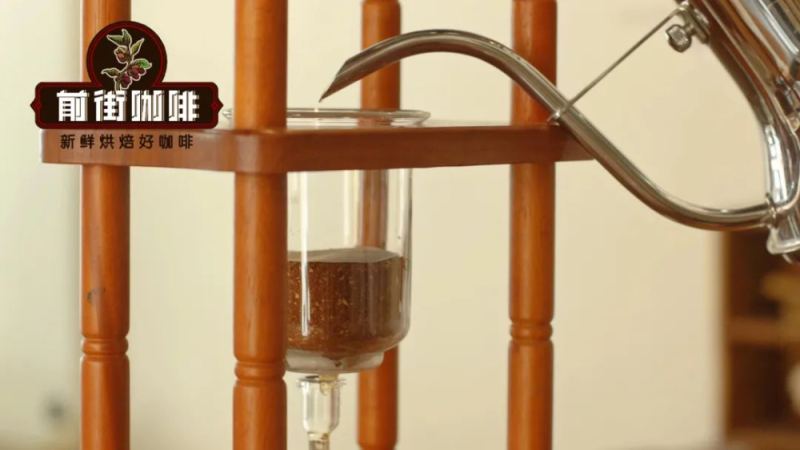
Where Is Java Coffee From and How Is Cold Brew Made?
Cold brew coffee is made by low-temperature slow extraction, usually over 6 to 8 hours, followed by refrigerated fermentation. The method traces back to the Netherlands, where Dutch sailors in the East Indies around 1699 brewed coffee cold because hot brewing on board was impractical and they believed coffee's acidity troubled the body.
Bean choice matters: Yirgacheffe, Butterfly and Sherry Barrel lots each suit a different profile. Front Street Panama Emerald Estate Diamond Mountain works as a reference bean, with dose, coffee-to-water ratio, ice-to-water ratio, grind size, drip speed and fermentation time all set before brewing. Where is java coffee from? The island of Java, historically, which is why the name persists.
Cold brew coffee presents a clean and delicate flavor through low-temperature slow extraction, making it a cup of good coffee worth waiting patiently for in the heat of summer. This article begins with the Dutch origins of cold brew coffee, sorts out its extraction principles and equipment composition, and offers coffee bean selection suggestions for different taste preferences, covering multiple recommendations such as Front Street Yirgacheffe, Front Street Butterfly, and Front Street Sherry Barrel. Then, using Front Street Panama Emerald Estate Diamond Mountain as an example, it explains in detail key parameters such as coffee dose, coffee-to-water ratio, ice-to-water ratio, grind size, drip speed, and refrigerated fermentation time, helping coffee enthusiasts make a pot of pure-flavored cold brew coffee at home.
For more specialty coffee knowledge, please follow the WeChat public account: Front Street Coffee (FrontStreet Coffee)
In the coffee circle, iced drinks have always been popular, and during the peak of summer they are even more sought after, with popularity comparable to fans chasing idols. When it comes to iced coffee, besides the easy-to-make pour-over with ice, there is also cold brew coffee, which emphasizes patience and relies on time for slow extraction. Its principle is not complicated: mix ice and water in a certain ratio, and complete extraction at low temperature by adjusting the dripping frequency of the ice water. The entire extraction process often lasts 6 to 8 hours, and after it ends, refrigerated fermentation is still required. Therefore, making cold brew truly requires patience, and the quality of the final product is worthy of that wait. So where exactly did cold brew coffee come from? Next, Front Street will talk about its story, along with bean selection ideas and specific methods.
History of Cold Brew Coffee
The origins of cold brew coffee can be traced back to the Netherlands. When the Dutch colonized Indonesia, they not only introduced coffee trees to the region and promoted the development of Indonesia's coffee planting industry, but also created this low-temperature drip coffee-making method.
Around 1699, the Dutch had long been sailing at sea. It was difficult to brew hot coffee on board at any time, and coffee was not easy to preserve; they also believed that the sourness in coffee would make the body uncomfortable, so they began to think about how to reduce the sour taste. Hot water is precisely the key to extracting coffee's sourness, so they tried using ice water for extraction, hoping to weaken the acidity. Ice water does not easily dissolve the acidic fats in coffee, can effectively reduce the release of acidic substances, and at the same time slows down the oxidation rate of coffee, thereby extending its storage time. This method of brewing coffee with cold water was born on the Indonesian island of Java.
Cold water extraction has another advantage: during the drip process, the low temperature makes aromas less likely to volatilize. Unlike hot water brewing, where aromas scatter in all directions, it locks the aromas into the coffee liquid; when it enters the mouth, the oral temperature reacts with proteins, and only then are the aromas released. The English translation of cold brew coffee is "Dutch Cold Water Coffee," in which "Dutch" is precisely the general term for the Dutch people.
Coffee Bean Selection
Which beans to use for cold brew coffee mainly depends on personal flavor preference. If you like floral and fruity notes with a light, clean mouthfeel, you can choose washed-process coffee, such as Front Street Butterfly, Front Street Gutingding, and Front Street Kafa Forest; if you prefer nutty and chocolate flavors and pursue a rich, smooth mouthfeel, then medium-dark roasted beans are suitable, such as Front Street Colombia Huila, Front Street Bird of Paradise, and Front Street Queen's Estate.
In addition, fermented-process coffee beans that have become popular in recent years are also worth trying, such as Front Street Sherry Barrel and Front Street Xizhua. These beans carry a rich fermented wine aroma, and those who like this style can give them priority. It is recommended to clearly explain your taste needs when buying in-store, so as not to buy beans that do not suit your preferences. Below are several recommendations for different mouthfeels, for reference.
Prominent floral and fruity aroma, bright acidity, light and clean mouthfeel - Front Street Yirgacheffe Washed, Front Street Kenya Little Tomato, Front Street Panama Geisha (all light roast)
Nutty and chocolate notes, rich mouthfeel - Front Street Brazil Cerrado, Front Street Colombia Huila (all medium-dark roast)
Balanced acidity and sweetness, with a faint fermented aroma and fruity notes - Front Street Costa Rica Baja, Front Street Strawberry Candy, Front Street Ethiopia Natural Red Cherry (all medium-light roast)
Rich wine aroma, unique flavor - Front Street Honduras Rum Barrel Sherry, Front Street Colombia Rose Valley, Front Street Big Belly , etc.
Extraction Principle
Cold brew coffee operates on the characteristic of slow extraction with ice water: after ice and filtered water are mixed, they gradually melt at room temperature. By controlling the dripping speed and number of drips of the ice water, the ice water slowly passes through the coffee grounds layer. Through long soaking, it dissolves and carries out the flavor substances in the coffee grounds. This is also why cold brew coffee often takes 8-12 hours to complete.
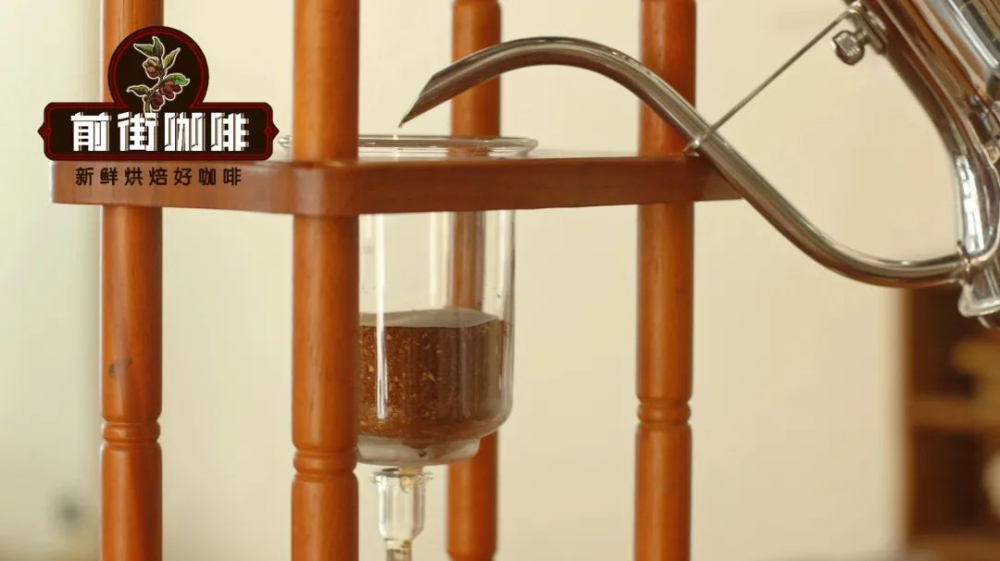
Equipment Composition
1. Water container: a container used to hold ice and water.
2. Adjustment valve: used to adjust the dripping speed of the ice water.
3. Coffee grounds container: a container used to hold coffee grounds.
4. Liquid container: a container used to hold the brewed coffee liquid.
5. Coffee stand: the placement positions for different containers.
Next, let's move on to the production stage. Using Front Street's [Emerald Estate Diamond Mountain] as an example, let's make a pot of delicious cold brew coffee.
Front Street Panama Emerald Estate Diamond Mountain
Region: Boquete
Altitude: 1500-1600 meters
Variety: Geisha
Processing method: Washed
Production Parameters
Coffee dose: 60g, coffee-to-water ratio: 1:10, water-to-ice ratio 1:1, total coffee liquid volume: 600ml, grind size: slightly finer than caster sugar
Production Method
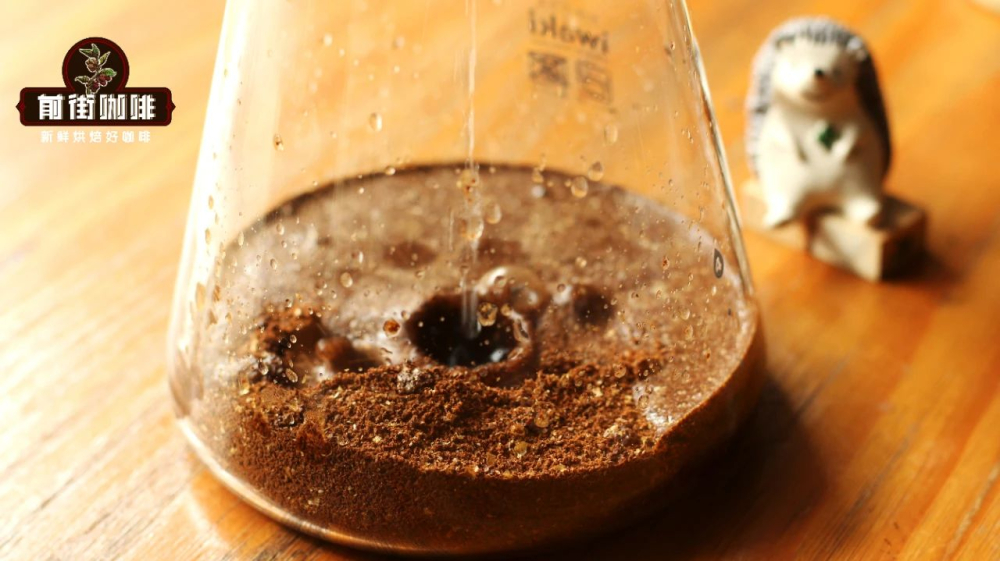
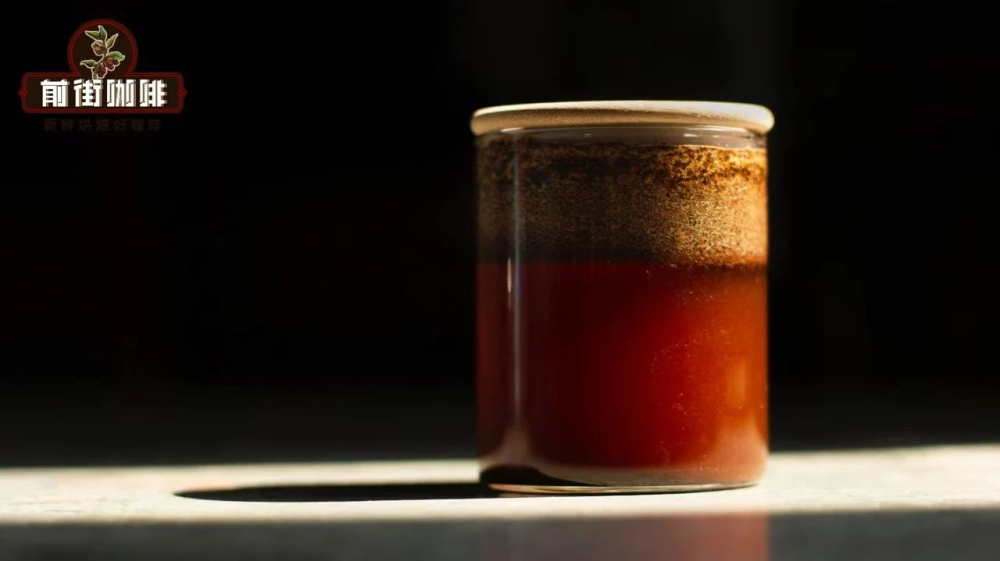
First, place a filter paper at the bottom of the coffee grounds container, wet it with water, and then press it firmly with a stirring stick so it fits more closely. Then pour the freshly ground coffee powder into the coffee grounds container, gently shake it so the coffee bed is level, then cover the surface with another filter paper and place it into the stand. Add ice and water to the water container in proportion, and stir until combined. Adjust the adjustment valve to first let the water flow relatively quickly to moisten all the coffee grounds, similar to blooming; after the coffee bed is completely wet, adjust the valve to the appropriate position so that the drip speed remains between 5 and 7 drips per 10 seconds, then wait quietly for the drip process to finish. After dripping is complete, put the coffee liquid into a sealed bottle and refrigerate it for 2 days before drinking.
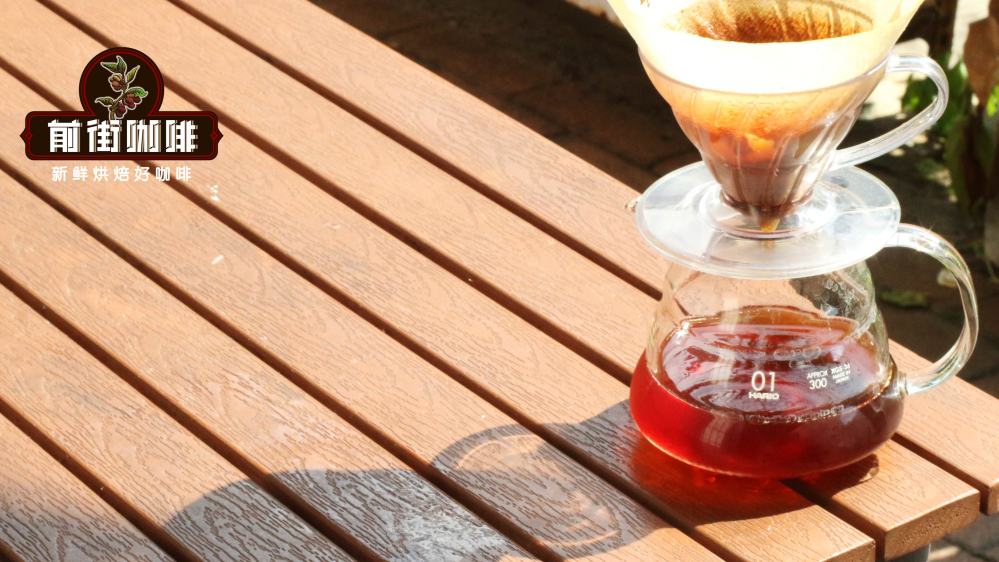
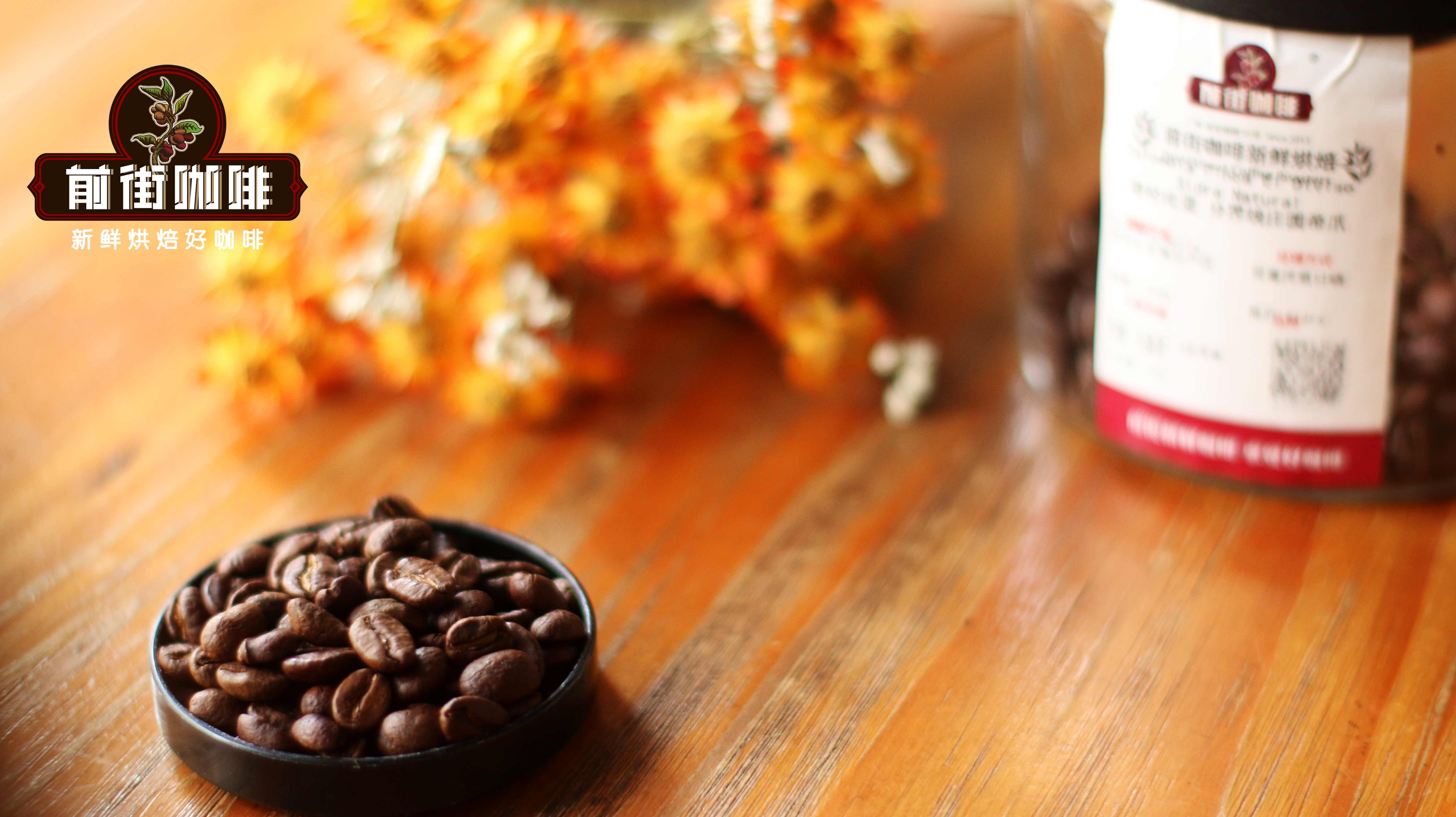
Flavor: Floral aroma, berry fruitiness, low acidity, delicate and light mouthfeel, clean with no off-flavors, smooth
Generally speaking, for the sake of flavor experience and health safety, whether it is cold brew or cold extraction, any extraction method carried out in a low-temperature environment should be finished within 5 days (counting from the production date), according to Front Street's recommendation.
The above content is compiled by CoffeeHunters, a coffee news website.


