







Is Jamaican Blue Mountain coffee actually bitter?
Jamaican Blue Mountain coffee is known for a clean, balanced, full-bodied cup rather than simple bitterness. Its classic profile includes dark chocolate, nuts, creamy sweetness, and soft acidity, a combination shaped by the Blue Mountain region's steep terrain, microclimates, and mineral-rich volcanic soil.
Clifton Estate, founded in the 18th century, sits at roughly 1,310 meters and supplies the beans, which are hand-picked from February to June and graded on coffee green bean standards. Washed and natural processing differ, and a KONO dripper with three-stage pouring can highlight the sweet, sour, and bitter balance.
Jamaican Blue Mountain coffee is hailed as the pinnacle of the coffee world, renowned for its clean, balanced, and full-bodied flavor rather than being simply bitter. This article provides a comprehensive analysis of the classic flavor of Blue Mountain No. 1 coffee—dark chocolate, nuts, creamy sweetness, and soft acidity—covering everything from the geographical conditions of the Blue Mountain region, Clifton Estate's cultivation and processing methods, and green bean grading standards, to Front Street Coffee's roasting and brewing recommendations. It also introduces the differences between washed and natural processing, and how to fully showcase Blue Mountain coffee's exquisite aroma and balanced sweet, sour, and bitter notes through the KONO dripper and three-stage pouring.
When mentioning Jamaica, aside from sprint star Bolt, the first thing that comes to mind at FrontStreet Coffee is the world-renowned Blue Mountain coffee. It has long held an important place on Front Street's bean list.
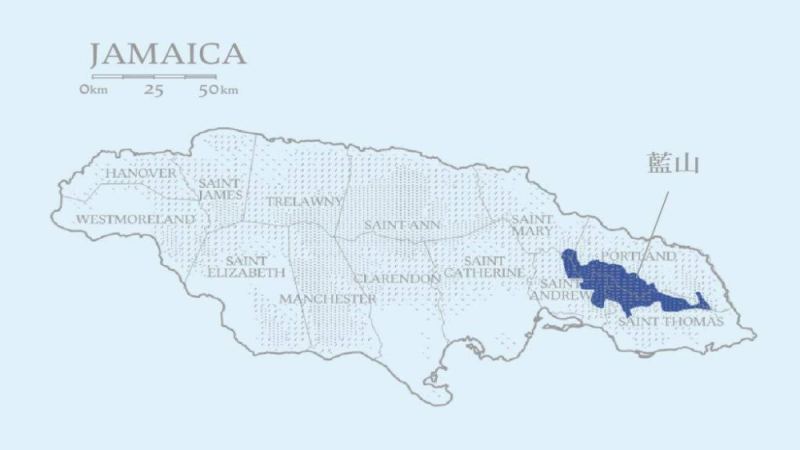
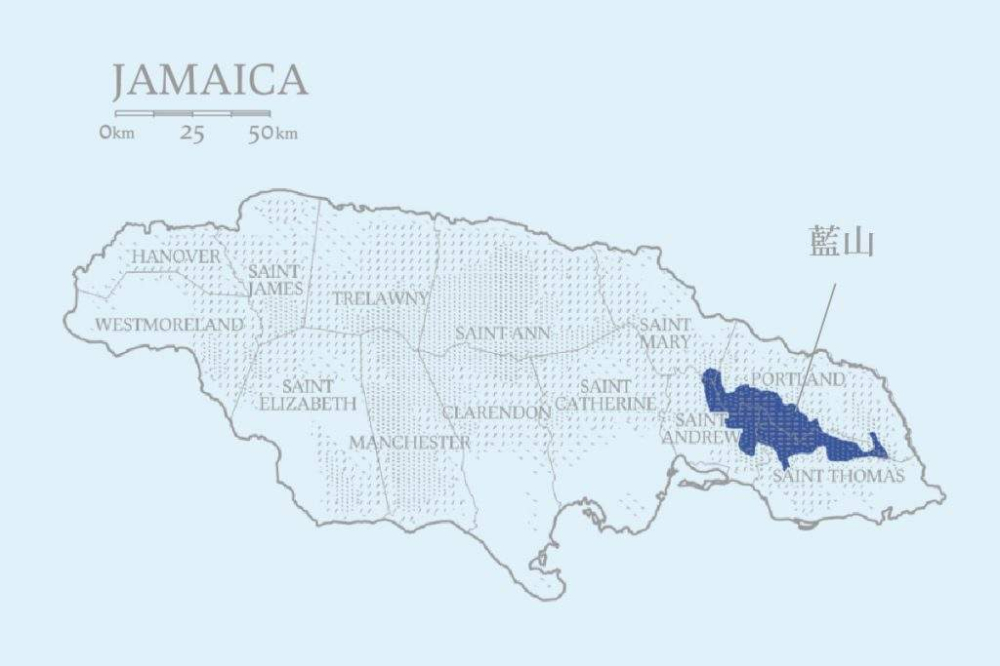
Where in Jamaica is Blue Mountain coffee produced?
Jamaica is located in the northwestern Caribbean Sea, with coffee-growing areas mainly distributed across the Blue Mountain range in the east. The terrain here is steep, with the highest peak reaching 2,256 meters above sea level. Different altitude zones create rich microclimates, and the humid air and concentrated rainy season provide ample water for coffee trees. The mineral-rich soil from volcanic activity, combined with a nearly pollution-free ecological environment, allows crops in the mountains to thrive.
To protect natural resources, the Jamaican government has legislated that no crops may be planted above 1,700 meters in the Blue Mountain range, so coffee, bananas, and other crops can only be grown below 1,700 meters. The harvest and processing season runs from February to June each year, when local female workers familiar with the terrain climb steep slopes to hand-pick coffee cherries at the proper ripeness.
Clifton Estate
The Blue Mountain coffee on Front Street's bean list comes from Jamaica's Clifton Estate. Founded in the 18th century, it is one of the oldest estates still growing Blue Mountain coffee today. The estate is located on the scenic Clifton Mount, with coffee-growing areas and the processing plant at approximately 1,310 meters above sea level. The temperature difference brought by high altitude slows the ripening of coffee cherries, giving them more time to accumulate nutrients.
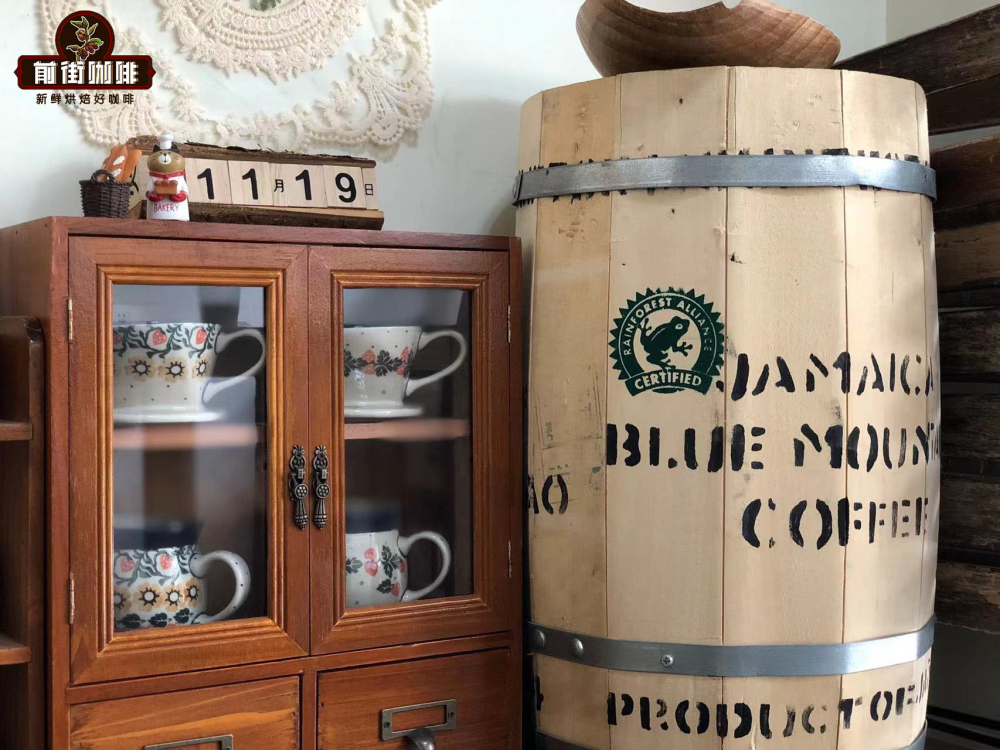
Clifton Estate upholds environmental principles, investing in the construction of a wastewater treatment plant, recycling production water, and turning processed fruit skins into organic fertilizer. The estate also holds Rainforest Alliance certification and adopts sustainable farming practices to protect the ecosystem. On the wooden barrels of Blue Mountain green beans received by Front Street, the Rainforest Water Frog logo is printed.
Blue Mountain Coffee Processing Methods
Traditionally, Clifton Estate has long used washed processing for Blue Mountain green beans, and it was not until 2020 that it first introduced naturally processed Blue Mountain coffee beans.
Washed processing involves removing the skin and pulp before fermentation. Overnight fermentation produces large amounts of acidic substances that cause the pectin layer to detach from the bean surface. The parchment beans are then sun-dried until they reach the target moisture content. Washed processing makes Blue Mountain coffee's flavor cleaner and more transparent. In recent years, naturally processed Blue Mountain has appeared on the market, offering more fermented fruity sweet-and-sour notes than washed. Front Street believes that washed processing best expresses the essential flavor of Blue Mountain, so washed Blue Mountain coffee has always remained on the bean list.
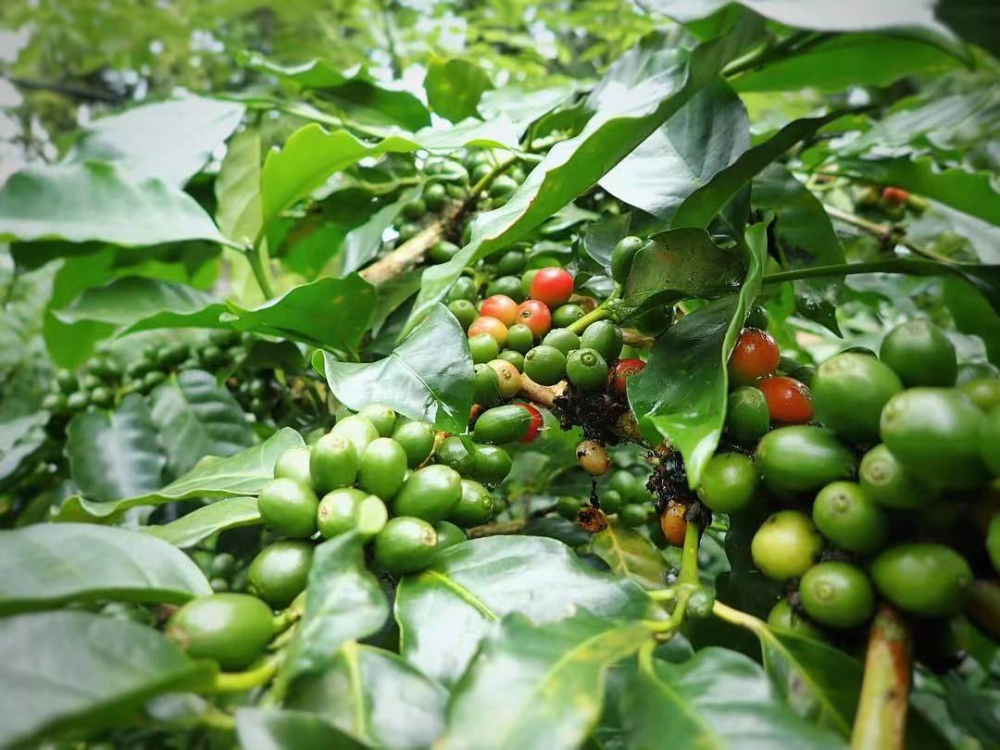
FrontStreet Coffee: Jamaica Blue Mountain No. 1 Coffee Beans
Region: Jamaica Blue Mountain producing area
Estate: Clifton Farm
Altitude: 1,310 meters
Variety: Typica
Processing method: Washed
Blue Mountain Coffee Green Bean Grading
The Jamaica Coffee Industry Board (CIB) strictly stipulates that only coffee beans produced above 910 meters in Jamaica's Blue Mountain region can be called Jamaican Blue Mountain. Based on bean size, they are classified as NO.1, NO.2, NO.3, and hand-selected PB. The basic standards for NO.1 Blue Mountain green beans are: 17 screen size or above, defect rate below 3%, moisture content around 13%, etc.
To ensure that high-quality Blue Mountain coffee beans are not affected by humid air during transport, Jamaicans insist on using handmade wooden barrels to load green beans. The wooden barrel has also become an important symbol of Jamaican Blue Mountain coffee.
The Blue Mountain No. 1 green beans received by Front Street are uniform and plump, with an overall translucent blue-green color. For roasting, Front Street chooses a medium-dark roast to present the classic Blue Mountain flavor—chocolate and nutty notes.
Front Street's Brewing Recommendations for Blue Mountain No. 1 Coffee
Front Street cupped the roasted Blue Mountain No. 1, finding notes of dark chocolate and nuts on the palate, with high cleanliness, good brightness, nice body, and balanced sweet, sour, and bitter notes. With such exquisite aroma, Front Street recommends enjoying it as black coffee. Here, Front Street uses its usual three-stage pouring method for hand brewing.
When brewing medium-dark roasted beans like Blue Mountain coffee, Front Street chooses the KONO dripper to highlight the full-bodied mouthfeel. KONO's ribs extend less than half the height of the dripper, a design that causes the filter paper to cling tightly to the dripper wall when wet, restricting airflow and thereby increasing the time coffee grounds absorb water for more even extraction. Because the roast level is darker, coffee compounds dissolve faster, so using grind size and high water temperature suited for light roasts can easily cause over-extraction. Therefore, when brewing Blue Mountain No. 1, Front Street lowers the water temperature and coarsens the grind size.
Coffee dose: 15 grams of coffee grounds
Coffee-to-water ratio: 1:15
Water temperature: 88°C
Grind size: 75% passing through a No. 20 standard sieve.
Dripper: KONO dripper
Before brewing, Front Street confirms the freshness of the coffee beans. If more than 30 days have passed since the roast date, many aromas have already dissipated and the flavor is difficult to extract. Front Street's store orders are all guaranteed to be freshly roasted within 5 days, so when you receive them, they are at their peak flavor.
Front Street first moistens the dripper, which also helps the filter paper adhere to the edges. Use 30g of water for a 30-second bloom, then pour in a slow circular motion for the first stage until reaching 125g and stop. When the liquid level drops to the point where the coffee bed is about to be exposed, continue with the second stage, pouring until 225g to end extraction. Total extraction time (including bloom) is 2 minutes 00 seconds. Finally, swirl the coffee in the server to mix evenly, and you can taste the Blue Mountain flavor from hot to cool.
When hot, Blue Mountain No. 1 enters with a dark chocolate aroma, very full-bodied, with a noticeable almond sweetness in the finish. As the temperature drops, roasted hazelnut and creamy sweetness emerge, silky smooth, accompanied by a hint of soft acidity and caramel sweetness, with the aroma lingering in the mouth.
For professional coffee knowledge exchange and more coffee bean information, please follow Coffee Workshop (WeChat public account: cafe_style)
For more specialty coffee beans, please add private WeChat FrontStreet Coffee, WeChat ID: qjcoffeex
The above content is compiled by CoffeeHunters, a coffee news website.


