







Search Results for: Flower Cup

Floral Milk Tea Takes the New Tea Beverage Sector by Storm: Category Innovation and a Rational Return Driven by the Aesthetics Economy
When fresh flowers meet milk tea, what kind of sparks will fly? A tea beverage shop in Shanghai called Xue Xiaomei MICHA has given the answer—monthly revenue peaking at over 700,000 yuan, with more than 1,200 cups sold in a single day at its highest. The fresh flower tea beverage series has drawn attention with prices ranging from 40 to 129 yuan. Behind this is not only the drive of the "appearance economy," but also the business logic of a hybrid operation combining a flower shop and a tea beverage shop. From Shanghai to Wuhan, Guangzhou, and Xi'an, this kind of combined store is spreading across the country. However, the safety boundary between fresh flowers and beverages, and the difficulty of repeat purchases after consumers' novelty wears off, are also realities that this category must face head-on. This article will take you through a comprehensive understanding of the popularity code and industry concerns behind fresh flower milk tea. [more…]
A Complete Guide to the Natural Process: The Origins, Variety Characteristics, and Brewing Tips of Huakui Coffee Beans
Ethiopia is the birthplace of Arabica coffee, and its natural processing method has produced countless unique and flavorful beans. As a star representative of the Sidama region, Huakui coffee has won over many coffee lovers with its intense floral and fruity aromas and honeyed sweetness. This article will systematically examine the full picture of this coffee from multiple angles, including the origin of the name Huakui, the background of the Hambela region, the geographical environment of Sidama, the characteristics of the Heirloom native variety, Ethiopia's coffee grading system, and the complete process of the natural processing method. It also includes Front Street Coffee's brewing parameter suggestions and bean-resting reminders to help you better appreciate the layered complexity and sweetness of this naturally processed Huakui. [more…]
A Comprehensive Guide to Coffee Flowers: From Morphological Characteristics and Blooming Habits to the Benefits and Effects of Drinking Them as a Tea
The blooming of the coffee tree is an extremely fascinating stage in the coffee growth cycle. Every spring, creamy-white flowers adorn the branches, looking especially delicate against the backdrop of downward-drooping green leaves, with a rich fragrance that is intoxicating. However, the coffee flowering period is very brief; from flower bud differentiation to blooming, and then to bearing fruit, every step is deeply influenced by variety and environmental conditions. Coffee flowers not only have rich morphological characteristics and unique flowering habits in botanical terms, but people also often dry coffee flowers and steep them in water to drink, believing they have specific health benefits. This article will take you through a systematic understanding of the morphological structure of coffee flowers, the flowering patterns of different varieties, the differences between star-shaped flowers and normal flowers, and the benefits of drinking coffee flower infusion, while interspersing coffee flower appreciation images to help coffee enthusiasts fully understand this flower hidden behind the coffee cup. [more…]
Ethiopia Sidamo Hambela Huakui 4.0: Dega Variety Natural-Process Coffee Bean Flavor and Pour-Over Analysis
In 2017, a naturally processed coffee from the Buku processing station in Ethiopia won the TOH competition and was named "Huakui" by a Chinese green bean trader, thus beginning the legendary journey of this coffee. Four years later, Huakui 4.0 was released with the entirely new Dega variety, with the production area expanded several times over, more scientific cultivation and management, and even better flavor performance. This article will take you through the origin background of Huakui 4.0, the characteristics of the Dega variety, the natural processing method, and Front Street Coffee's roasting and pour-over recommendations, offering a comprehensive analysis of this highly anticipated Ethiopian coffee. [more…]
Ethiopia Guji Region Coffee Explained: Flavor, Processing, and Pour-Over Grind Parameters of Hambela Natural Beans
Yirgacheffe's dazzling acidity leads many to mistakenly believe that Ethiopia has only this one star-producing region, but in fact Sidamo in the south also produces specialty beans with a distinctive style. This article will focus on the Guji region under Sidamo, tracing its history of independence from Sidamo, the terroir conditions of the Hambela sub-region, and with particular emphasis on analyzing the rise to fame of the Huakui coffee beans, the natural processing methods of the Buku Able processing station, the evolution of different lots, as well as the green bean analysis, roasting curves, cupping reports, and V60 brewing parameters provided by Front Street Coffee, helping enthusiasts gain a comprehensive understanding of this Ethiopian natural bean with outstanding sweetness. [more…]
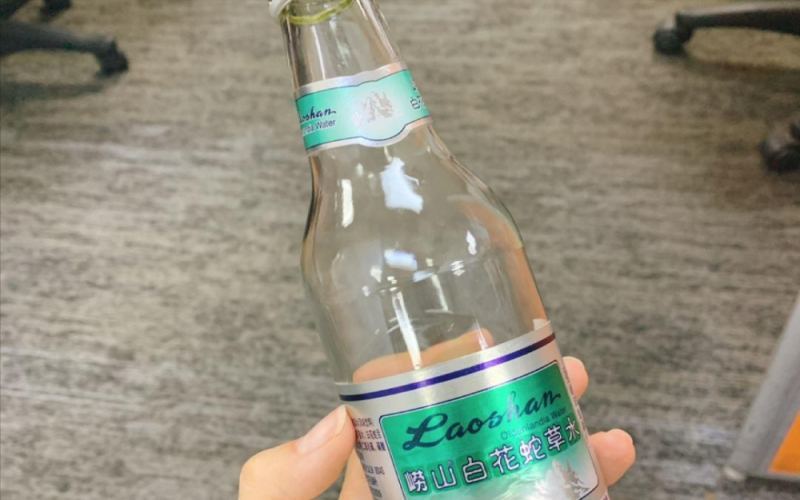
Tims partners with Laoshan Baihuasheshecao water to launch cold brew coffee, and Qingdao locals are crying foul
Laoshan White Flower Snake Grass Water has long been known as the "biological weapon" of the beverage world. When this drink, rated by countless netizens as the worst-tasting beverage, meets coffee, what kind of sparks will fly? Recently, Tims Coffee partnered with Qingdao Laoshan Mineral Water Company to launch Laoshan White Flower Snake Grass Water Cold Brew Coffee, sold only in Qingdao. As soon as the news came out, Qingdao locals expressed their resistance, while netizens elsewhere felt lucky they couldn't buy it. This article will take you through the story behind this hardcore special blend, and the curious early connection between White Flower Snake Grass Water and coffee. [more…]

Luckin's "Frozen Rose" Gimmick Sparks Controversy: Employees Worry Customers Will Misunderstand That Stores Can Make It
Luckin Coffee recently posted a romantic tutorial on social media, teaching everyone how to make a "Frozen Rose" using a Luckin can or an ordinary ice cup, sealing a rose and ice cubes inside the cup to create an eye-catching decoration for the office desk. This玩法 quickly triggered netizens to imitate and like it, but it also worried baristas in stores—because this玩法 is not an official product, and if customers come to the store asking for it to be made, it may cause misunderstandings and negative reviews. The popularity of flower cups can be traced back to netizens' creativity, and was later boosted by brands such as Mixue Bingcheng and Haidilao to become a traffic code. Front Street Coffee noted that although similar marketing can bring heat, it needs to balance the execution pressure on frontline employees. [more…]
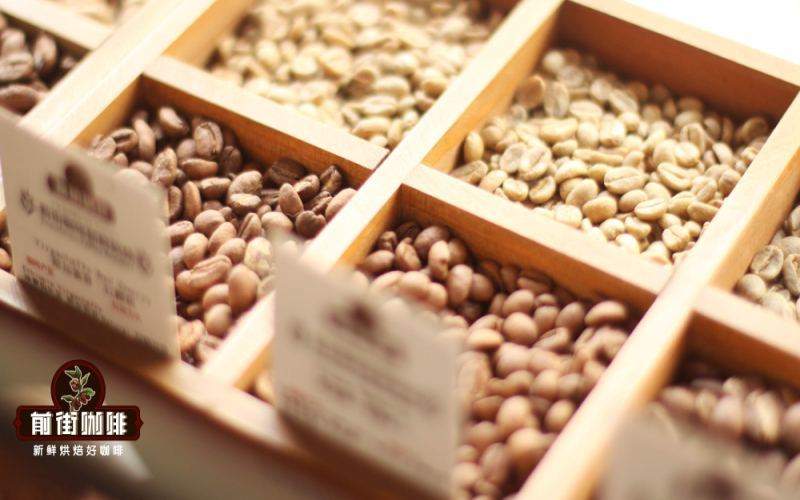
Ethiopia Guji Hambela G1 Natural Huakui New Crop Season: A Detailed Guide to Light Roast Flavor and Brewing Parameters
Ethiopian G1 represents the highest grade of green beans, but different regions and processing methods also lead to different flavor profiles. The Front Street Flower Queen G1 from the new crop comes from the Buku Abel processing station in the Guji Hambela region, where the natural sun-dried method gives the coffee rich tropical fruit notes. To showcase the floral and fruity aromas and acidity, a light to light-medium roast is used, with two separate curves matched for pour-over and SOE. This article compiles the brewing method for Front Street Flower Queen, the espresso extraction steps, and the flavor descriptions for both pour-over and SOE, for coffee lovers' reference. [more…]
Colombia Huila Coffee Flavor Analysis: A Comparative Recommendation of Two Single-Origin Beans, Rose Valley and Flower Moon Night
Colombia, as the world's third-largest coffee producer, nurtures many specialty coffees thanks to its high altitudes, volcanic soil, and mild climate. The Huila region is precisely the most representative star origin among them, known for its canyon-slope terrain and hand-picking. This article will focus on two distinctive single-origin coffees from the Huila region—Front Street Rose Valley and Front Street Flower Moon Night—breaking down the origin terroir, variety characteristics, and processing method differences one by one. Rose Valley uses a double anaerobic enzyme wash, with bright acidity reminiscent of fruit juice; Flower Moon Night undergoes anaerobic natural processing, with a rich yet balanced flavor. Although both originate from the Caturra variety, they present completely different flavor profiles due to different processing techniques. If you are interested in coffee beans with rose floral notes, you may want to follow Front Street's perspective and explore further. [more…]
Colombia Special Processing Dual-Bean Analysis: A Comprehensive Comparison of Rose Valley and Flower Moon Night from Origin to Flavor
In recent years, specialty-process coffee beans have attracted considerable attention in the specialty coffee world. This article focuses on two star products from Colombia—Rose Valley and Flower Moon Night, both selected by Front Street Coffee. Both use the Caturra variety, but they come respectively from the Santander Finca El Diviso and the Huila Finca Astorga, and their processing methods use double anaerobic enzyme wash and anaerobic natural, respectively. The article will break down in detail their origin backgrounds, variety characteristics, and processing differences, helping coffee lovers understand how these factors shape the strikingly different flavor expressions in the cup. [more…]
Which Ethiopian region does Hunkute coffee originate from? A full analysis of the flavor differences between Sidamo and Kenyan coffee
Ethiopia and Kenya on the African continent are the two most brilliant stars in the world of specialty coffee. Although the coffees of both places are known for their fruity acidity, they present themselves in completely different ways: Ethiopia's acidity is light, bright, clean, and refreshing, while Kenya's manifests as a full, thick berry-like juiciness. This article will explore in depth the regional origin of Flavor Queen coffee beans—Sidamo Hambela—and systematically sort out the regional characteristics of Yirgacheffe and Sidamo, the differences between Ethiopian heirloom varieties and Kenyan SL varieties, as well as their respective washed and natural processing methods. It also includes Front Street Coffee's roasting and brewing recommendations for beans from these two major regions, helping coffee lovers understand the charm of African coffee more clearly. [more…]
Tracing the Origins of Ethiopian Coffee Regions: Flavor Evolution and Pour-Over Techniques for Yirgacheffe and Sidamo
Ethiopia, the birthplace of coffee, has contributed countless exceptional single-origin coffees to the world over centuries. From the mysterious legend of Kaldi the shepherd to the unique Jebena clay pot brewing ritual; from the washing technique innovations of Yirgacheffe to the championship legend of Sidamo's Flower Queen coffee—this highland has always conquered coffee lovers' palates with citrus, jasmine aromas, and bright acidity. This article will guide you through the cultivation traditions of Ethiopian coffee, decode the flavor secrets of the two major specialty regions, Yirgacheffe and Sidamo, and include pour-over parameter recommendations for Front Street Flower Queen coffee beans. [more…]
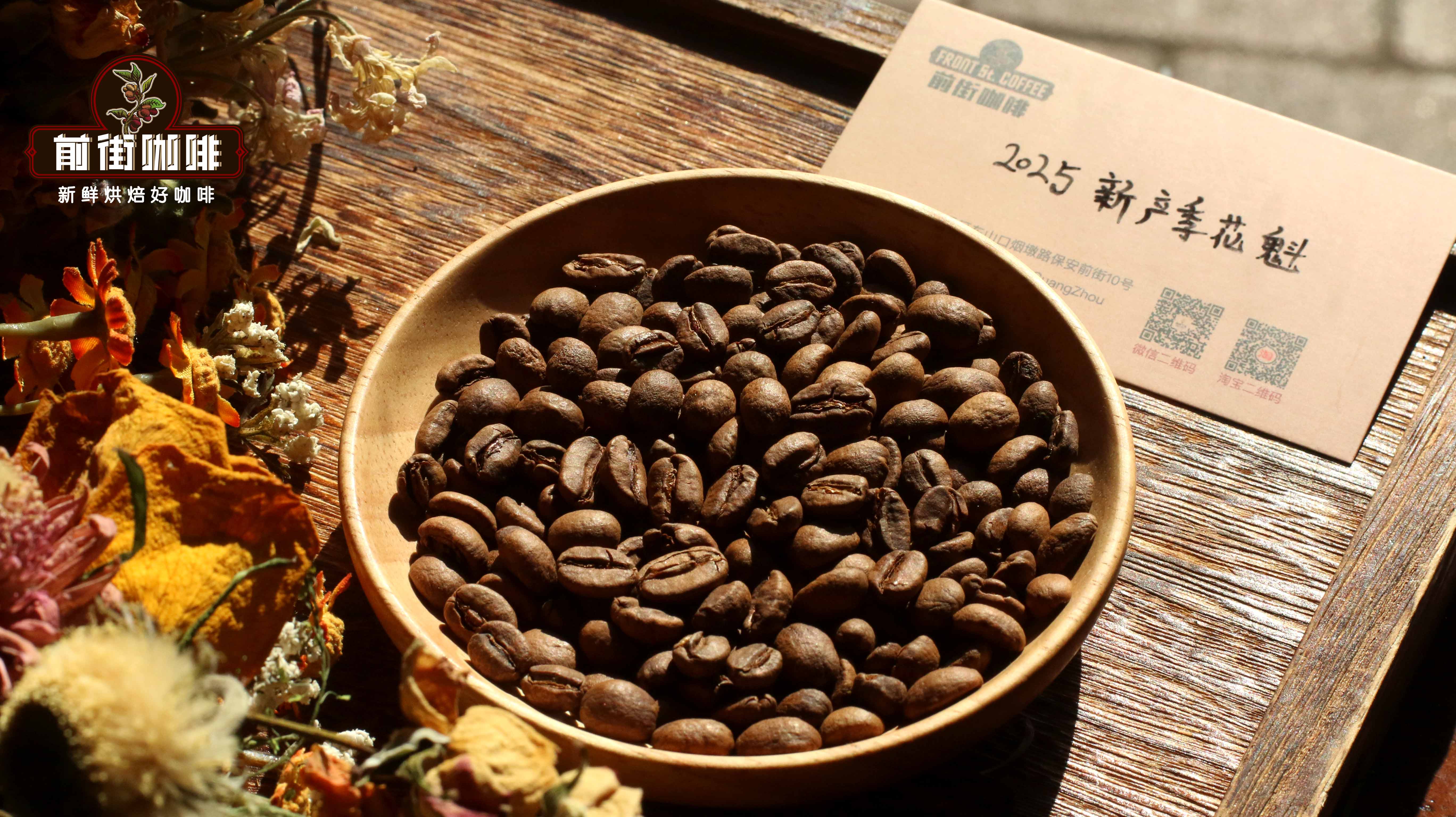
A Comprehensive Guide to Front Street Coffee's Huakui: Floral and Fruity Flavors, Variety Origin Story, and V60 Brewing Parameters
Front Street Coffee's Huakui is an Ethiopian natural coffee renowned for its floral and fruity notes. Originally named Hambela, it was named by a domestic green bean trader. It does not stand out for intense floral aromas, but rather for its rich fruit tones of passion fruit, strawberry, mango, jackfruit, and citrus. This bean originates from the Buku Abel processing station in Hambela and once won the natural category championship in the TOH green bean competition. It was subsequently introduced to the domestic market by a Beijing-based green bean trader and named "Huakui," and gained further fame after a Chinese World Brewers Cup competitor used it as a competition bean. Front Street, as an advocate of floral and fruity coffees, has included it in its Ethiopian series, roasting it to a medium-light level to highlight sweetness and fruity acidity. This article will provide coffee enthusiasts with a complete reference, from variety background and flavor description to V60 brewing parameters. [more…]
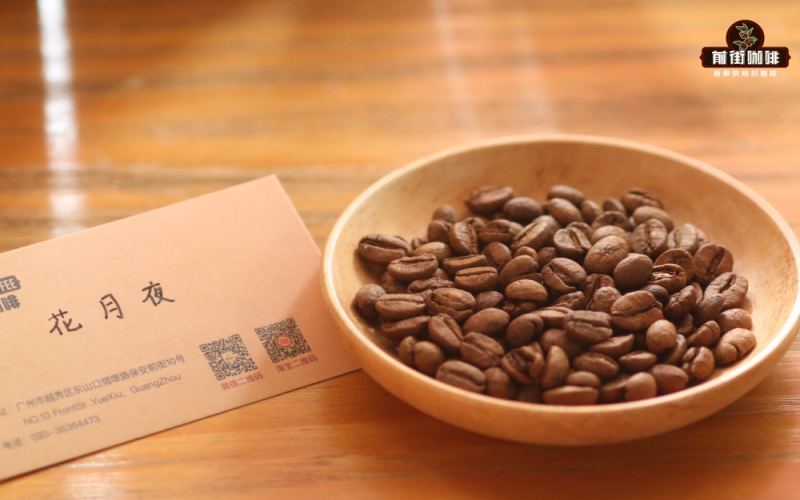
How is anaerobic natural different from regular natural? A complete comparison from processing workflow to brewing flavor
Coffee processing methods directly influence the flavor direction in the cup. Natural processing, as the most traditional method of green coffee processing, allows the fruit pulp to wrap around the seed and dry slowly, resulting in a broader flavor spectrum and greater sweetness; anaerobic natural processing, on this basis, introduces sealed low-temperature fermentation, which slows pectin decomposition and causes pH to drop more gradually, thereby accumulating more sweet compounds. This article will start from the specific processes of the two methods, analyze their effects on coffee flavor, and use Front Street Colombia Luna Night, which employs anaerobic natural processing, as an example to explain how to adjust grinding, water temperature, and pouring technique for such beans to brew a full fermented sweetness and a rounded mouthfeel. [more…]
Colombia Huila Region Flower Moon Night Coffee Beans: A Complete Analysis of Anaerobic Natural Processing, Roasting Curve, and Pour-Over Parameters
The Huila Department of Colombia is renowned for its refined acidity and berry-like sweetness, while the Huayueye microlot bean further presents a complex profile of strawberry jam, liqueur-filled chocolate, and creamy fermentation through its anaerobic natural process. In this article, Front Street Coffee begins with Colombian coffee culture, reviewing the terroir of the Huila growing region, the characteristics of the Caturra variety, and the low-temperature slow fermentation processing at the Gading Farm, and also discloses the roasting curve of the Yangjia Pegasus 800N, the cupping results, and the V60 staged brewing parameters, providing coffee enthusiasts with a complete reference for tasting and hands-on practice. [more…]
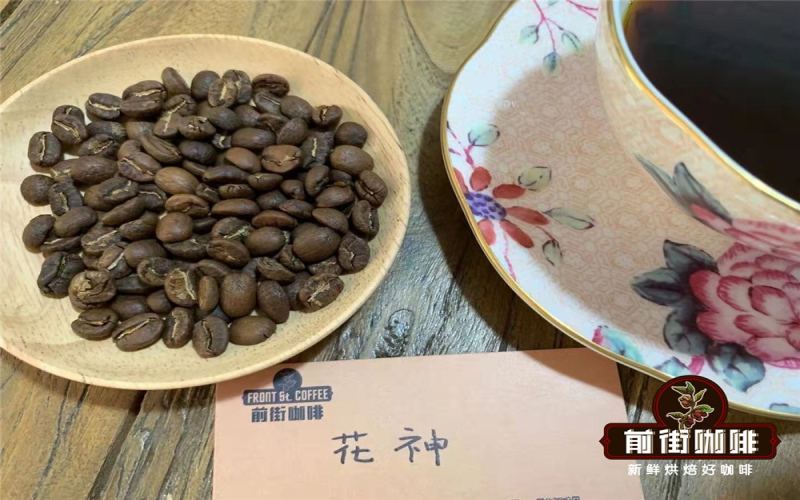
The Story Behind Guatemalan Antigua Coffee Beans: An Analysis of Floral Estate Flavors, Varieties, and Brewing Parameters
Guatemalan Antigua coffee is renowned for its distinctive smoky, charcoal-roasted flavor, earning it the nickname "cigarette coffee" among coffee enthusiasts. This valley, surrounded by three volcanoes, nurtures a richly layered coffee through its volcanic pumice soil, high-altitude microclimate, and shade-grown cultivation. This article begins with the historical origins of Antigua, examines how volcanic soil imparts a smoky quality to the coffee, and focuses on the Flora coffee beans from La Minita Estate—their Bourbon, Caturra, and Catuai varietal composition, strict washed processing and organic farming management, as well as Front Street Coffee's medium-light roasting approach and V60 three-pour brewing parameters—comprehensively presenting this bean's flavor characteristics and tasting highlights. [more…]
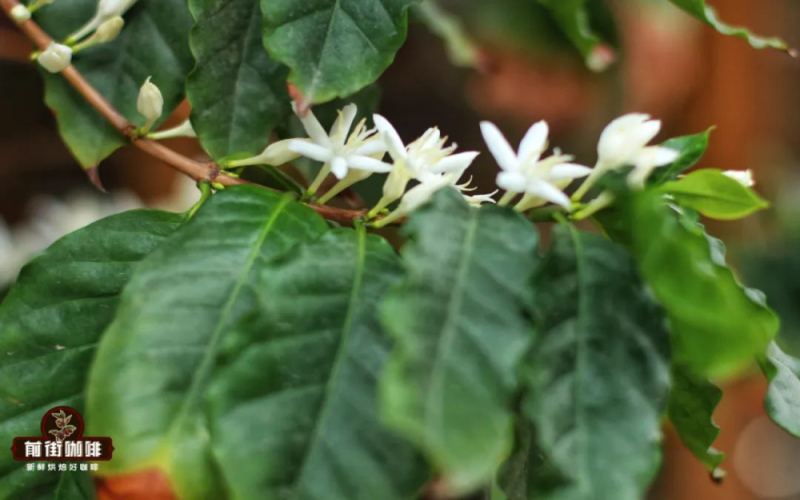
Coffee flowers come in pink as well as white? Uncovering the variety origins and cultivation stories of pink-flowered coffee trees
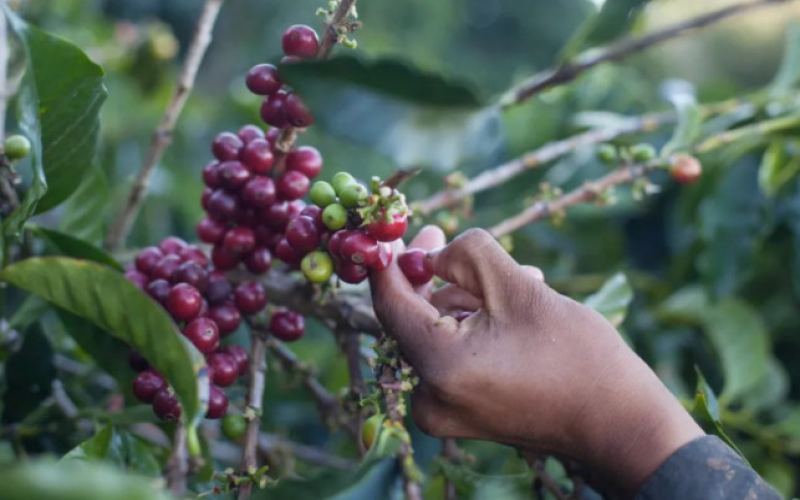
Coffee trees bloom with clusters of white flowers, usually signaling that the harvest season is approaching; the denser the petals, the more fruit can be harvested. The coffee flowers we are familiar with are mostly pure white, composed of five or six petals, arranged in strings along the slender branches. Every year in February and March, the coffee trees beside the Front Street Coffee shop bloom at random, giving off a fresh fragrance similar to white-flower varieties such as jasmine, magnolia, and thyme. But did you know that in extremely rare cases, coffee trees can actually produce pink flowers? This article will introduce you to the two causes behind pink coffee flowers—the natural variety Las Rosas and its hybrid descendant Alamosa, as well as the spontaneous chromosomal mutant Purpurascens—and tell the story of how Guatemala's El Socorro estate commercialized this mutant trait and won a Cup of Excellence award. [more…]
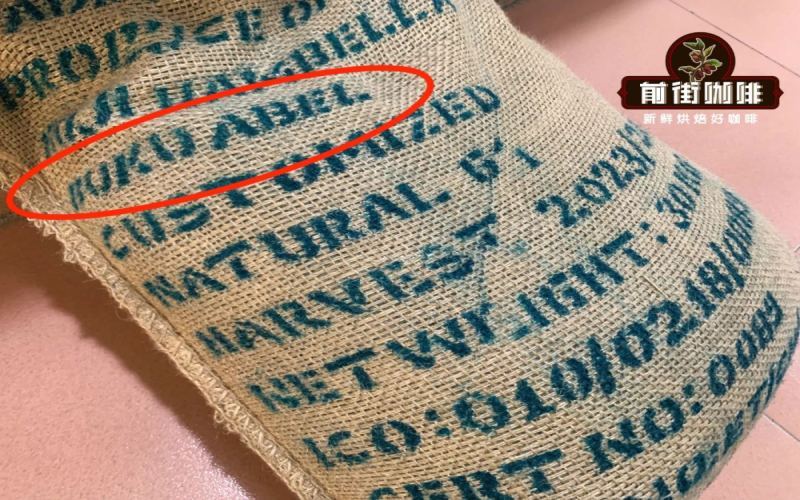
Ethiopia Guji Hambela Flower魁 Legend: Cold Brew, Ice Drip, Pour-Over, and Flower魁 5.0 Flavor Analysis
In Hambela, within Ethiopia's Guji region, the Buku Abel processing station has produced a sun-dried bean that has captivated coffee lovers worldwide—Floral Queen. From its 2017 TOH championship win to today's Floral Queen 5.0, this bean, with its rich aromas of strawberry, cream, and berries, has become an excellent choice for summer iced coffee. This article reviews Floral Queen's rise to fame, analyzes the flavor evolution and roasting key points of Floral Queen 5.0, and shares four brewing methods commonly used by Front Street Coffee: hot pour-over, iced pour-over, cold drip, and cold brew. Whether you want to experience a gentle sunset-like softness or pursue a juicy, full-bodied cup, you'll find suitable brewing parameters and practical suggestions here. [more…]
Ethiopia Sidamo Coffee Pour-Over Guide: Hunkute 8.0 Brewing Parameters and Flavor Analysis
Ethiopia, as the birthplace of Arabica coffee, has captured the hearts of many coffee lovers with its elegant floral aromas and citrus fruit notes, with the Sidamo and Yirgacheffe regions standing out in particular. From the perspective of Front Street Coffee, this article systematically reviews Ethiopia's coffee cultivation models and variety characteristics, delves into the historical origins behind the names Sidamo and Sidama, and focuses on how natural processing imparts coffee with fuller sweetness and fermented aromas. It then takes Front Street Coffee's Huakui 8.0 from the Guji Hambela region as an example, sharing a complete, replicable pour-over recipe—from grind size, water temperature control, and dripper selection to a three-pour technique—to help you consistently brew a rich layering of berry and cream flavors at home. [more…]

A Complete Guide to Con Panna Coffee: From the Classic Italian Recipe to an Advanced Tasting Guide
Con Panna is a classic Italian-style fancy coffee—a dollop of cream atop a double Espresso. It looks simple, yet it has taken countless people from being "tricked" to falling in love. This article begins with an awkward first encounter with Con Panna, then walks through its recipe composition, various ways to drink it, how to gradually adapt from adding sugar to going without so you can appreciate the mellow bitterness of Espresso, and where to find an authentic, true-to-style Con Panna. Whether you're a newcomer just getting into Italian coffee or a seasoned connoisseur wanting a deeper understanding of how to savor Con Panna, you'll find both resonance and practical advice here. [more…]