







Search Results for: Fines Retention
Light Roast Pour-Over Always Pools Water? Understanding the Relationship Between Density, Expansion, and Grind — and How to Fix It
Many coffee enthusiasts encounter a tricky problem when brewing light-roasted beans: near the end of the pour, the water level drops slowly, and a layer of water sits in the dripper that just won't finish draining. If you keep waiting, you risk over-extraction and bitterness; if you don't, you worry the flavor won't be complete. What was once a relaxing pour-over suddenly becomes stressful. In fact, water stalling with light-roasted beans isn't a problem with the beans themselves—it's the combined result of density, expansion, and grind size. This article breaks down the causes of stalling from these three angles and offers three actionable solutions: simply discarding the final phase of the pour, coarsening the grind while using higher temperatures and agitation, and sifting out ultrafines for reuse. Understanding the logic behind it matters more than memorizing parameters—next time you run into stalling, you can judge from the flavor whether adjustment is needed. Front Street Coffee also often advises: taste first, then adjust—don't rush to blame the beans. [more…]
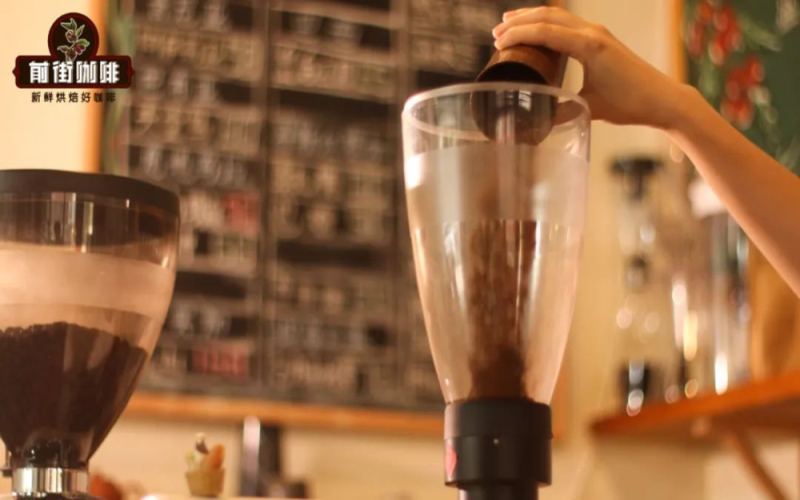
What Damage Does Double Grinding Do to a Coffee Grinder? A Full Analysis of the Differences Between Electric and Hand Grinders
In coffee competitions, double grinding was once seen as a means of precisely controlling particle size, but the actual practice is far from simple. Sending coffee grounds through the grinder again not only multiplies the amount of fines, but also worsens the "retention" problem—especially in electric grinders, where it can leave a large amount of grounds behind, making cleanup time-consuming and laborious. This article uses Front Street's experimental data to analyze in detail the impact of double grinding on the grinder, compares the differences between electric and hand grinders in this process, and offers alternative extraction adjustment solutions to double grinding, helping you improve extraction efficiency without disassembling your machine. [more…]
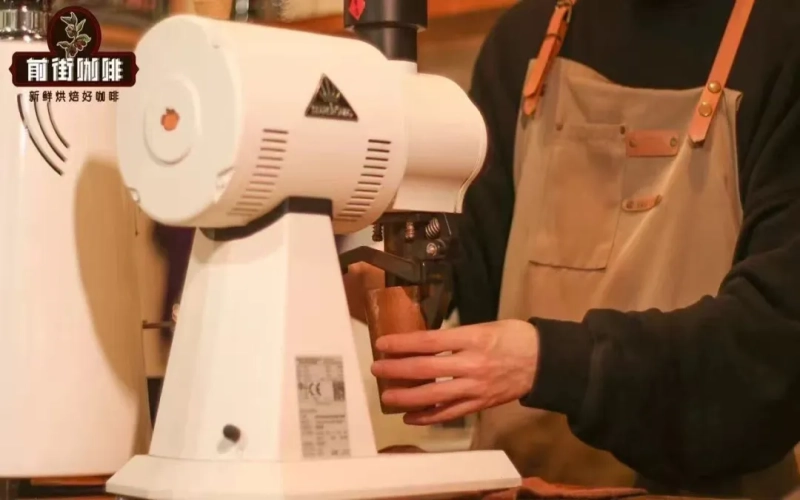
What to Do If Your Pour-Over Coffee Is Ground Too Coarse? The Pros and Cons of Re-Grinding and Practical Solutions for Adjusting Parameters and Brewing Directly
If you accidentally grind your coffee too coarse while making pour-over, can you pour it back into the grinder and grind it finer? This is what's known as re-grinding. Although it's used in professional competitions to improve particle uniformity, it also brings two major problems: an increase in fines and grinder retention. Through experiments, Front Street Coffee found that after re-grinding, nearly 20 grams of grounds might be reduced to only about 13 grams—a shocking loss. If you don't have tools like a bellows, you might want to try a different approach: directly adjust parameters such as water temperature and pouring method, and use the coarser grounds to brew a good cup of coffee. This article uses Panama Elida Anaerobic Natural Catuai as an example to share a specific brewing plan, so you can handle unexpected situations with ease. [more…]

How can coffee reveal rich layers in the mouth? A complete approach from bean selection to brewing
Many coffee enthusiasts hope that the coffee they brew is not just a single flavor, but can present changes and rich sensations in the mouth—this is what is called layering. How exactly is layering defined? It is reflected both in the evolution of sweet, sour, bitter, and salty tastes and in whether the flavors are clearly distinguishable. To get a cup of coffee with rich layering, you need to start from multiple steps: bean selection, processing method, retention of fines, adjustment of the coffee-to-water ratio, and pouring method. This article will systematically sort out the key points for brewing layering, from conceptual understanding to practical methods, to help you adjust parameters with more direction in daily brewing, making the coffee's flavor expression more three-dimensional and clearer. [more…]
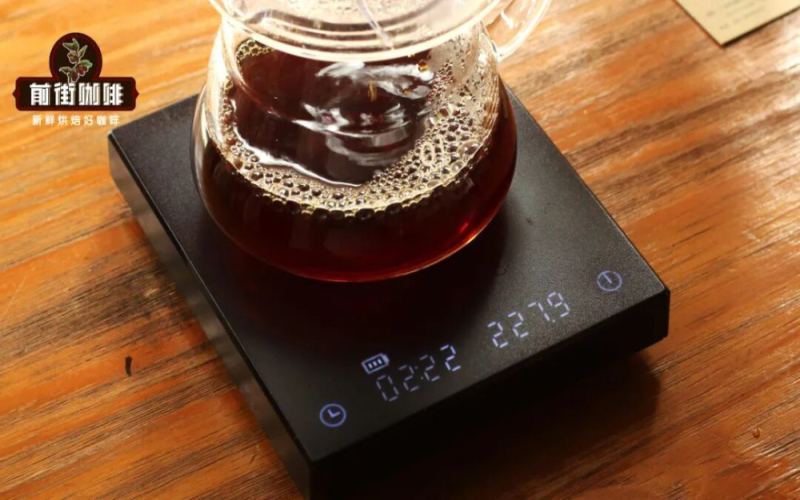
Pour-over coffee draining slowly or taking too long to extract—what to do? Find out the causes of water pooling and practical adjustments.
In pour-over coffee, extraction time is often the most difficult variable to control. Many coffee enthusiasts, when brewing at home, have encountered the situation where hot water is slow to drain through and the time gets dragged out. To avoid over-extraction, some people remove the dripper early, but is this really effective? Starting from the brewing framework commonly used at Front Street, this article sorts out several main reasons for slow flow and water retention, including too many fines, improper pouring technique, and the characteristics of light-roasted beans, and offers corresponding solutions to help you improve your brewing performance without changing equipment. [more…]
What Exactly Is Coffee Layering? Master Pour-Over Water Temperature, Grind Size, and Coffee-to-Water Ratio Adjustment Techniques to Enhance Flavor Layering
Have you ever encountered a situation like this: the same coffee beans, when brewed by someone else, come out rich in layers and full-bodied, but when you brew them yourself, they taste flat and bland? In fact, the layering of coffee refers to the ability to clearly discern the flavor changes at different stages in the mouth as the temperature drops. This article starts from a brewing experience at a Front Street store and takes a deep dive into several key factors that affect layering—the retention of fines, the trade-off with bitterness, the control of concentration, and adjustments to the pouring technique. Although growing, processing, and roasting have long determined the upper limit of layering, in the brewing stage we can still fine-tune parameters such as water temperature, grind size, and coffee-to-water ratio to seek a richer flavor expression within uneven extraction. [more…]

A Complete Guide to Common Home Pour-Over Coffee Problems: Fixes for Stalling, Sudden Flow Changes, Off-Flavors, and Burnt Bitterness
Brewing coffee at home—when neither the equipment nor the beans are lacking, yet accidents still happen all too often: the final drawdown pools and drips endlessly, the flow rate suddenly speeds up at the same grind setting, sometimes it tastes great and sometimes it's rife with off-flavors, and the aftertaste carries a smoky, bitter char... Where exactly do these problems originate? Drawing on Front Street's hands-on experience, this article breaks down one by one the five most common extraction pitfalls in home brewing—from fine-particle clogging, the characteristics of anaerobic beans, and the effects of water quality to pouring technique and dark-roast parameter settings—to help you pinpoint the root cause and bring every pour-over cup closer to the ideal flavor. [more…]

How Does Pour-Over Coffee Reveal Layering? Analyzing the Difference Between Layers and Layering, Plus Four Practical Techniques
Many coffee enthusiasts often mention the term "layering" during tasting, but what exactly is layering? How does it differ from plain "layers"? This article, from the perspective of Front Street, uses visual comparisons to help understand the meaning of layering, then returns to coffee tasting to analyze the manifestations of rich layering and two typical cases of lacking layering. At the same time, Front Street will share four practical methods, including coffee bean selection, fines retention, staged pouring, and adjusting the coffee-to-water ratio, to help you better present the layering of coffee during pour-over brewing. [more…]
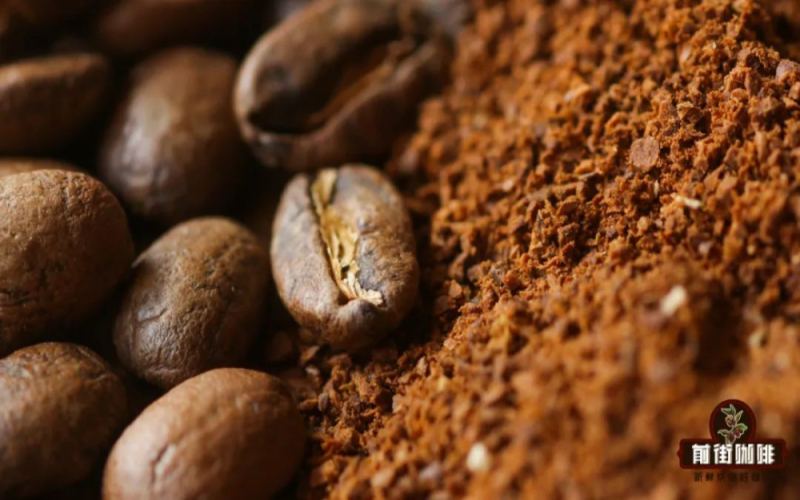
How to store and use pre-ground coffee powder? A full analysis of flavor shelf life after grinding and brewing precautions.
Many people know that pre-ground coffee powder is not as aromatic as freshly ground coffee, yet they still choose to have it ground for them, and there are actually quite a few practical considerations behind this. Pre-ground powder saves the trouble of buying a coffee grinder, is portable and labor-saving, and the professional grinders at coffee shops usually provide a more uniform grind. However, once coffee beans become powder, their peak flavor period is greatly shortened, and the way they are stored and used changes accordingly. From Front Street's perspective, this article sorts out the major advantages of pre-ground powder and explains in detail the key points to note when using pre-ground powder, such as stirring and sealing, to help you enjoy a more satisfying cup within the limited flavor window. [more…]
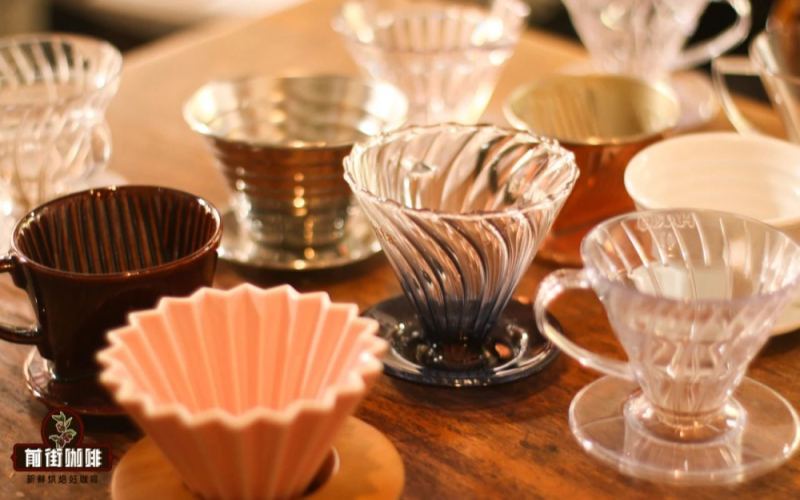
Pour-Over Coffee Filter Cup Selection Guide: How Different Shapes and Materials Affect Extraction and Flavor Performance
In the ecosystem of pour-over coffee equipment, the dripper plays a key role in determining the direction of extraction. Since the introduction of filter paper and drippers in the early twentieth century, more than a century of improvements has produced a rich variety of drippers on the market in terms of shape, number of holes, grooves, and materials, and each difference directly affects flow rate and extraction time, ultimately reflected in the coffee's mouthfeel and flavor. This article systematically reviews the design characteristics and suitable applications of mainstream dripper types such as fan-shaped, conical, wave, and metal, and further discusses the impact of materials such as ceramic, resin, and glass on heat retention. At the same time, drawing on Front Street Coffee's bean list, the article provides specific pairing suggestions for different drippers, helping coffee enthusiasts find a brewing method that suits them on the basis of understanding the equipment's characteristics. [more…]
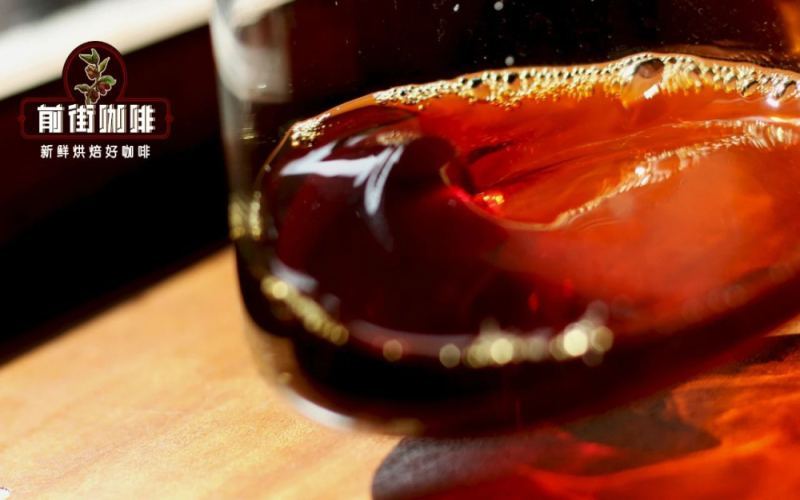
The core difference between under-extraction and over-extraction, and how to adjust parameters accordingly when brewing pour-over coffee
Extraction is the core stage of pour-over coffee, but many enthusiasts are often troubled by under-extraction and over-extraction. Starting from the basic principles of extraction, this article explains the standard range of the Golden Cup extraction and provides a detailed comparison of the specific flavor and mouthfeel manifestations of these two imbalanced states. It then addresses common issues such as excessively long brewing time, improper pouring force, and the influence of dripper material, offering actionable adjustment suggestions one by one, including grind size corrections, water stream control, and fine-tuning of water temperature, to help you achieve a balanced and delicious cup of coffee more consistently in your daily pour-over brewing. [more…]
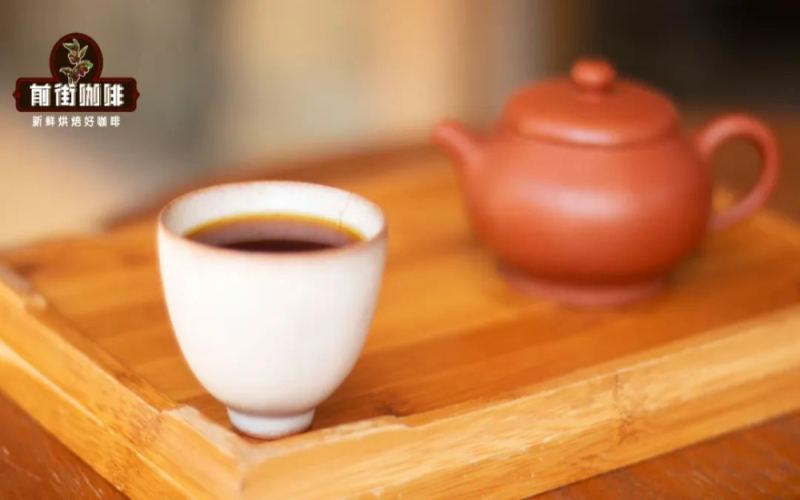
Can a purple clay teapot be used to extract coffee? Testing the feasibility and flavor performance of using a teapot instead of a dripper.
When teaware crosses over into the coffee realm, is brewing coffee with a Yixing clay pot a quirky gimmick or a viable approach? Front Street Coffee put this question to the test. Yixing clay pots, known for their dual-pore structure and slow heat dissipation, are often thought to absorb off-flavors and soften bitterness, while coffee's immersion extraction happens to share the same logic as a French press. This article documents the full process of brewing medium-dark roasted Paradise Bird, washed, and honey-processed beans in a 150ml Yixing clay pot, covering parameters such as coffee-to-water ratio, water temperature, grind size, and steeping time, along with TDS and flavor descriptions. The results show a prominent sweetness and a clean cup, but a general lack of body and complexity. If you're also curious whether a teapot can replace a dripper, this is worth a read. [more…]
A Complete Guide to Analyzing the Causes of Astringency in Pour-Over Coffee and Adjustment Methods for Brewing
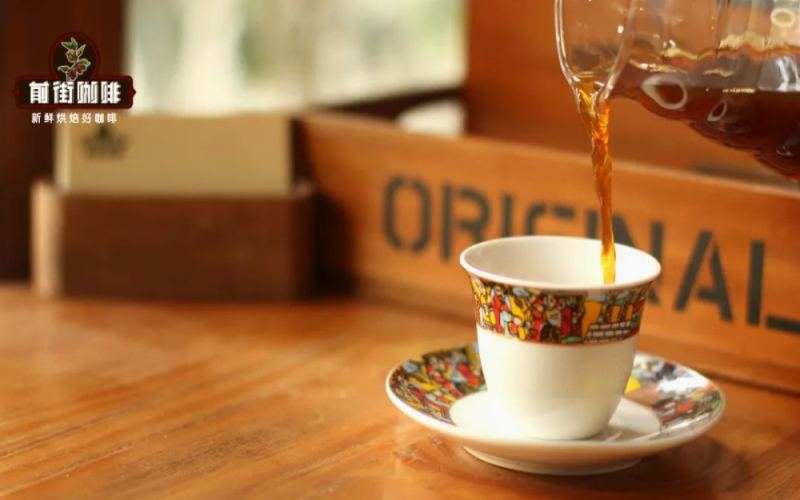
When many people drink a cup of coffee, they often find it hard to describe its specific flavors, but if a distinct astringency appears, almost everyone can notice it immediately. Front Street's back office frequently receives reader questions: even when the brewing parameters are all within plan, why does the coffee make the throat feel tight and the tongue feel rough? This article will start from the essence of astringency, sort out the sources of astringent substances in coffee, analyze the common brewing problems that cause astringency, and provide targeted adjustment solutions to help you fundamentally avoid an uncomfortable cup of coffee. [more…]
Analysis of the Causes of Under-Extraction and Over-Extraction in Pour-Over Coffee and a Guide to Brewing Adjustment Methods
In the practice of pour-over coffee, under-extraction and over-extraction are two common yet frustrating situations. The former makes coffee sour, astringent, and thin, while the latter brings burnt bitterness and off-flavors. To solve these problems, one must first understand the principles of extraction—the process in which water passes through the coffee grounds and dissolves out flavor compounds. The ideal "Golden Cup" extraction requires concentration to fall between 1.2 and 1.4 TDS, with an extraction yield maintained at 18% to 22%. Exceeding or falling short of this range corresponds to over-extraction and under-extraction, respectively. This article will analyze the causes one by one from aspects such as coffee bean selection, brewing duration, pouring technique, and dripper material, and provide specific adjustment suggestions to help you achieve a balanced flavor more consistently in pour-over brewing. [more…]
Why Does Pour-Over Coffee Taste Astringent? From the Principles of Touch to Brewing Details, a Complete Explanation of the Sources of Astringency and How to Avoid It
When many people drink a cup of coffee, they can sense an unpleasant astringency from the very first sip—that rough, gritty tactile sensation that grips the tongue and throat often leaves a stronger impression than sweetness, acidity, or bitterness. Where exactly does astringency come from? Is it a problem with the beans, or has something gone wrong in the brewing process? From the perspective of Front Street, this article first clarifies the essence of astringency as a tactile sensation, then breaks down common causes one by one—such as overly long brewing time, excessively forceful water flow, and the high extraction efficiency of certain drippers—and offers corresponding adjustment ideas to help you fundamentally reduce the unpleasant astringent taste in coffee. [more…]
How Do Flow-Guiding Ribs and Holes Affect Pour-Over Extraction? A Full Analysis of Dripper Structural Differences
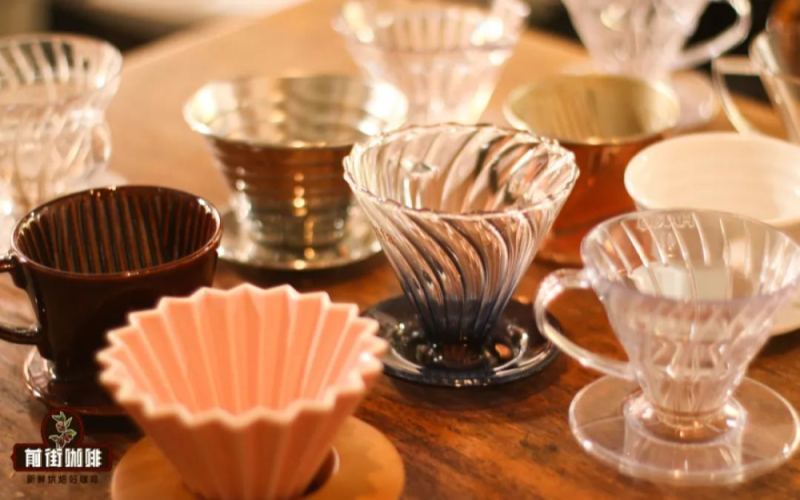
Pour-over drippers on the market come in all shapes and sizes, from conical to fan-shaped, from single-hole to multi-hole, and behind every design lies a different extraction logic. The key to a cup of coffee's flavor direction is often hidden in the distribution of the dripper's ribs and the drainage holes. How do the flow channels alter the water path? Why do spiral ribs make extraction more even? How do the number and size of the holes affect the drainage speed? From Front Street's perspective, this article breaks down the core structure of the dripper one by one, helping you see the essence amid a dazzling array of products and choose the one that truly suits you. [more…]
Why Is Pour-Over Coffee Sour, Astringent, or Bitter? A Complete Guide to Analyzing the Causes and Adjusting Your Technique
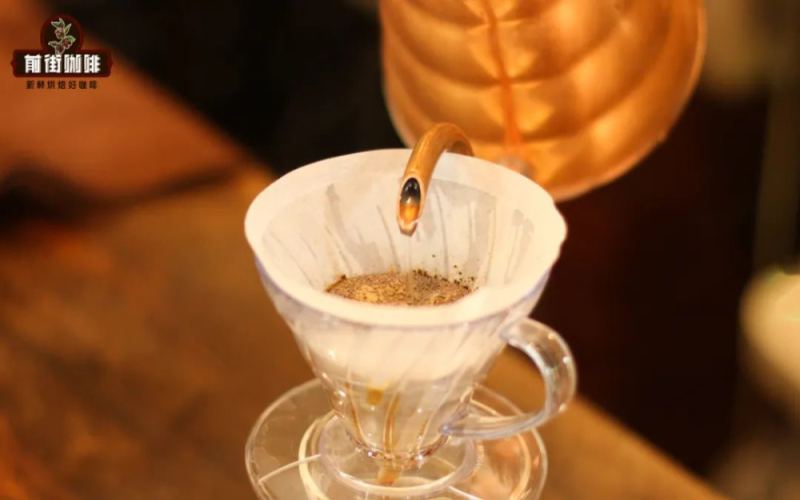
Many people think that pour-over coffee has a low barrier to entry, but once they take a sip and find it tastes sour, bitter, or astringent, they realize that brewing a good cup of coffee is actually not easy. Whether you are a beginner just getting into pour-over or an experienced coffee enthusiast, it is inevitable to run into a cup that does not suit your taste. Starting from the principles of extraction, this article analyzes one by one the common reasons why coffee turns out too sour or too bitter, and offers specific adjustment suggestions on grind size, water temperature, coffee-to-water ratio, pouring technique, and dripper selection. It also combines the brewing parameters of two beans—Front Street Coffee Colombia Sidra and Front Street Coffee Golden Mandheling—to help you consistently brew a cup of good coffee at home with balanced acidity and sweetness and a clean mouthfeel. [more…]
How to Choose the Filter Material for Pour-Over Coffee? A Complete Comparison of the Pros and Cons of Paper Filters, Metal Filters, and Cloth Filters
In the world of pour-over coffee, the choice of filter material is often underestimated, yet it directly determines the direction of the flavor in the cup. Paper filters, metal filters, and cloth filters each have their adherents, and they differ vastly in how much they intercept oils, fine particles, and flavor compounds. This article begins with the century-old origins of the coffee paper filter, then breaks down one by one the structural principles, operational experience, and pros and cons of the three filtration methods, along with a comparison of mainstream filters such as KONO, HARIO, and CHEMEX, as well as practical advice from Front Street Coffee for everyday brewing. Whether you prefer a clean, bright sense of layering or pursue a thick, full-bodied original flavor, you can find the filtration solution that suits you in this article. [more…]
A Guide to Buying the Six Essential Pour-Over Coffee Tools: How to Choose Brands for Grinders, Gooseneck Kettles, Drippers, and More, Plus Beginner Pitfall Advice
Just getting into pour-over coffee, many people feel overwhelmed by the bewildering array of equipment on the market and don't know where to start. This article focuses on the six essential pieces of basic gear for pour-over—the grinder, the pour-over kettle, the dripper, the filter paper, the thermometer and the digital scale—going through each one's categories, pros and cons and the people they suit, and offering specific buying guidance. From the trade-offs between hand grinders and electric grinders, to the differences between cheat kettles, gooseneck kettles and swan-neck kettles, and on to the extraction characteristics of conical, trapezoidal and wave drippers, it helps you make the right choice based on your own budget and needs, so you don't waste money. [more…]
A Beginner's Guide to Pour-Over Coffee: Equipment Recommendations, Brewing Step-by-Step Guide, and Cost-Effective Everyday Beans
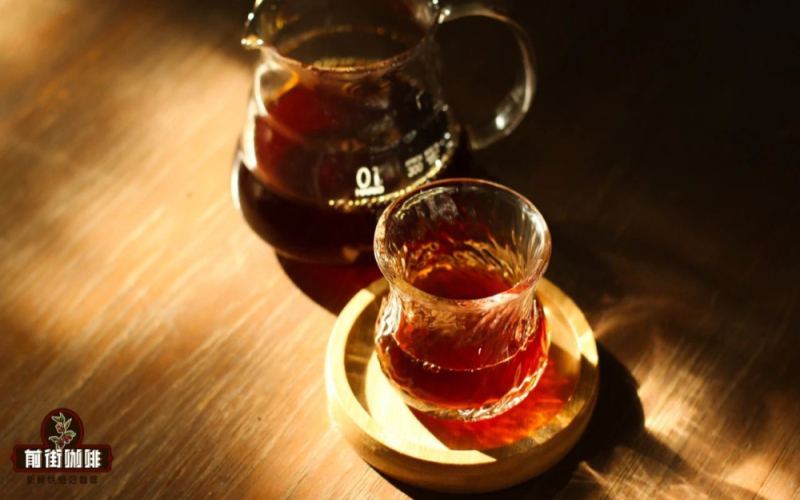
The appeal of pour-over coffee lies in the fact that everyone can brew a flavor that is uniquely their own. This article is aimed at home enthusiasts and small coffee shops, and provides a systematic overview of all the equipment needed to get started with pour-over—from gooseneck kettles, drippers, and grinders to filter papers, digital scales, thermometers, and carafes—offering an analysis of the pros and cons of specific brand models along with purchasing advice, and including a complete eight-step brewing tutorial. Finally, it recommends several highly cost-effective Front Street single-origin coffee beans, at a cost of only about six yuan per cup, making them ideal for daily practice and home enjoyment. [more…]