







Search Results for: Fine Sun-Dried

Starting from Front Street COE22 Sun-Dried Typica: Master the Four Key Techniques for Pour-Over Flavor Expression
After Front Street Coffee launched its COE22 coffee beans, many enthusiasts reported a gap between the flavors they brewed at home and those in the shop. This article takes the Ethiopian Sidamo Arsi region sun-dried Typica that Front Street Coffee obtained at auction as an example, and systematically sorts out the complete logical chain of pour-over coffee, from understanding the flavor of the producing region, variety characteristics, and processing method to roasting curve setting and cupping verification. The article focuses on breaking down the four major variables of grind size, water temperature, dripper selection, powder-to-water ratio, and pouring technique, and uses the V60 three-pour extraction to provide reproducible brewing parameters, helping readers understand how to let a sun-dried bean rich in acidity display a smooth layering of strawberry, lychee, honey, and cream. [more…]
How to brew Ethiopian Sidamo Huakui coffee? Floral aroma and flavor analysis of the new-crop sun-dried Huakui
From a small lot in Ethiopia's Guji region to a TOH cupping champion, and then to a legend that defeated Geisha, how did Huakui coffee earn its place in memory? In this article, Front Street Coffee takes you through Huakui's origins and rise to fame, clarifies the story behind the X.0 series, and explains that only the natural-process beans from the Buku Abel processing station can be called Huakui. We will also share the green bean characteristics and pour-over recipe for Front Street Huakui 8.0: V60 dripper, 90-91°C water temperature, 15g coffee, 1:15 coffee-to-water ratio, medium-fine grind, three-stage extraction. Finally, we present the complete flavor profile of floral notes, berries, citrus, plum, mango, honey, and a black tea finish. [more…]
Ethiopia Guji G1 Natural Coffee Bean Flavor Analysis and Pour-Over Parameter Recommendations
Guji, as a rising star on Ethiopia's coffee map, has rapidly ascended to the ranks of core specialty coffee regions in recent years thanks to its outstanding flavor performance. From its early days under the Sidama region to being classified as a separate new category by the ECX in 2015, Guji's rise has followed a trajectory similar to that of Yirgacheffe. Hambela, as Guji's most representative sub-region, produces Huakui coffee beans that have become a favorite among domestic coffee enthusiasts thanks to their excellent sun-dried G1 quality. In this article, Front Street Coffee will systematically sort out the complete picture of this bean, from the region's historical evolution, terroir conditions, and the background of Hambela farms to the evolution of Huakui lots and specific brewing parameters, guiding you to a deeper understanding of Guji coffee's quality characteristics and brewing key points. [more…]
Ethiopian Huakui Coffee Pour-Over Guide: Brewing Parameters and Flavor Evolution of Sidamo Hambela Natural Beans
Huakui is the exclusive title for sun-dried G1 coffee beans from the Hambela region of Ethiopia, released each year with a new version number, and its flavor is adjusted according to the changes of each harvest season. This article sorts out the complete thread of Huakui from its origin at the Buku Abel processing station, to DW Company's expansion of production, to the version numbering system, explains its flavor characteristics interwoven with floral notes and tropical fruits, and provides Front Street Coffee's medium-light roast pour-over plan for the new 2025 harvest season Huakui: V60 dripper, 15 grams of coffee, 1:15 coffee-to-water ratio, 90°C water temperature, medium-fine grind, three-stage pouring with a total duration of about 2 minutes 10 seconds. In addition, detailed steps for Huakui 8.0 iced pour-over are included, using a stirring technique combined with ice cooling to present a full juice-like mouthfeel. [more…]
An Overview of Asian Coffee-Producing Regions: A Analysis of Renowned Beans Such as Indonesia's Full-Bodied Mandheling and Yunnan's Small-Bean Coffee
Asian coffee occupies a unique position in the specialty coffee world with its rich, steady character. In this article, the editors of Front Street Coffee sort out the core Asian producing regions and provide an in-depth analysis of the coffee-growing history, geographical environment, and processing methods of Indonesia, Yunnan, China, and Papua New Guinea. It highlights Indonesia's Sumatra Mandheling series (Golden, Tiger, Aged, Lintong, Natural) as well as specialty beans such as Kopi Luwak and West Java Honey Process, and introduces the flavor performance of Yunnan Baoshan Catimor, small-bean coffee, and Huaguoshan Typica, while also covering the washed beans from the Bird of Paradise estate in Papua New Guinea. Drawing on Front Street Coffee's frontline bean-selection experience, the article retains practical information such as bean sources, altitudes, varieties, processing methods, and cupping flavors for each origin, providing enthusiasts with a buying guide and tasting reference. [more…]
Ethiopia Guji Hambela: The Coffee Geography Evolution from Sidamo Separation to the Legend of Huakui
Ethiopia, as the birthplace of coffee, has a regional division far more complex than any administrative map. In the past, we were accustomed to labeling the origin of Huakui as "Sidamo," but today "Guji" has become the more common traceability information. Behind this change is the process by which the Guji region, relying on high altitude, fertile soil, and refined processing methods, became independent from Sidamo and rose rapidly. Hambela, as a star sub-region of Guji, is both a farm and a processing station, and gave birth to the Huakui series that has swept the specialty coffee world. Front Street Coffee will guide you through this evolution of coffee geography and retain detailed interpretations of products such as Huakui 8.0. [more…]
Yunnan Typica Coffee Variety Analysis: Flavor, Cultivation, and Pour-Over Tips from Front Street's 2013 Sun-Dried Beans
Yunnan, as the starting point of coffee cultivation in China, has always held a key position in the coffee landscape. Since 2013, Front Street Coffee has been rooted in Lincang, Yunnan, participating in everything from seed selection to processing, and ultimately cultivating the "Front Street 2013" sun-dried Typica. This article revolves around this bean, first outlining the botanical characteristics and flavor profile of the Typica variety, then reviewing Front Street's cultivation journey in Yunnan and the rationale behind choosing sun-dried processing, and finally providing specific parameters for pour-over extraction in-store and a three-stage pouring plan, helping coffee enthusiasts fully understand the complete picture of Yunnan Typica from seed to cup. [more…]

French Press Usage and Origin History | What Is the Extraction Principle of French Press Coffee? How Fine Should French Press Coffee Beans Be Ground? How to Use a French Press to Brew Sun-Dried Geisha Coffee Beans?
The history of the French press can be traced back many years, but there is much controversy over who exactly invented it. The first patent in history for a coffee brewing device similar to the modern French press was granted to an Italian from Milan named Attilio Callimani. Since [more…]
Sun-Dried Yirgacheffe | What are the pros and cons of the sun-dried processing method for Yirgacheffe coffee beans? What are the flavor characteristics of Ethiopian sun-dried coffee?
For more specialty coffee knowledge, please follow our WeChat official account: FrontStreet Coffee. Sun-dried processed coffee beans are naturally dried inside the fruit pulp, so the weather conditions affect the quality of the coffee beans. Front Street uses sun-dried coffee beans and two other traditional processing [more…]
Yunnan Pu'er Small-Bean Coffee Sun-Dried Beans Flavor Analysis and Full Overview of the Variety Grading System
Yunnan is the core coffee-producing region in China, and the small-bean coffee produced in its Pu'er area has attracted much attention in recent years. This article systematically sorts out the geographical and climatic advantages, variety introduction, and grading system of Yunnan coffee, with a focus on analyzing the flavor characteristics of Pu'er AA sun-dried coffee beans. From the variety evolution of Typica and Bourbon to Catimor, and then to the flavor differences between washed and sun-dried processing methods, the article also specially includes Front Street Coffee's brewing parameter suggestions and product recommendations, providing coffee lovers with a comprehensive guide to Yunnan coffee and taking you deeper into the coffee story of this golden growing belt. [more…]
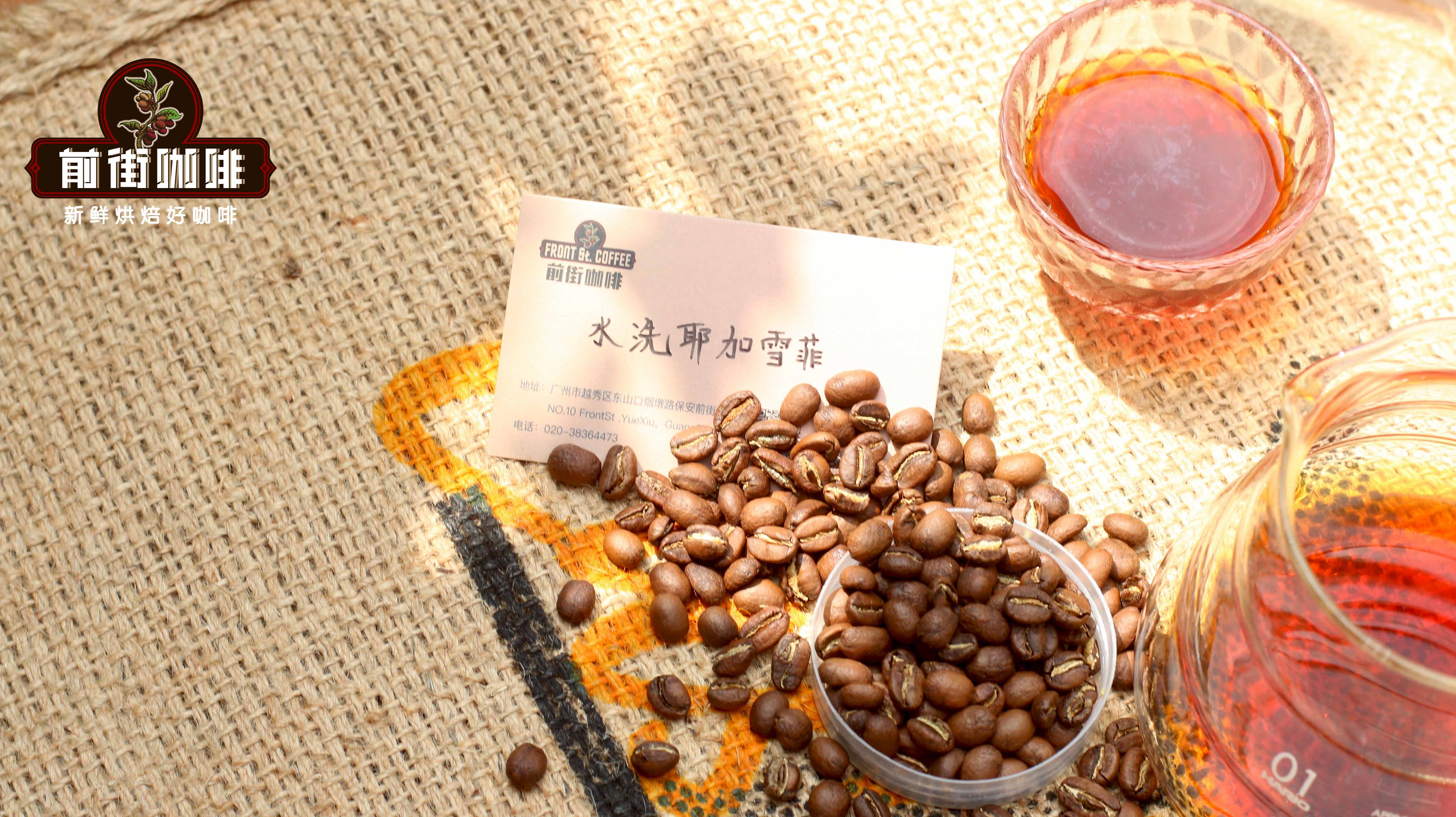
Yirgacheffe Aricha Specialty Coffee Beans: Washed and Natural Processing, Regional Development, and Front Street Brewing Guide Analysis
Yirgacheffe Adola is one of the representatives of Ethiopian specialty coffee, and its outstanding taste is inseparable from its exquisite washed processing. Since the 1970s, this region has been famous for washed beans, and Front Street's Gutingding is one of its high-grade representatives. This article will provide a complete analysis of the six major steps of the washed processing method, from flotation, depulping, fermentation and demucilage to sun drying and storage, and introduce the rise of sun-dried Yirgacheffe in recent years, such as the improved details of Front Street's Sun-Dried Red Cherry. At the same time, it shares Front Street's recommended grind size, water temperature, coffee-to-water ratio, and staged pouring technique to help you fully bring out this bean's floral and fruity aroma and bright acidity. [more…]
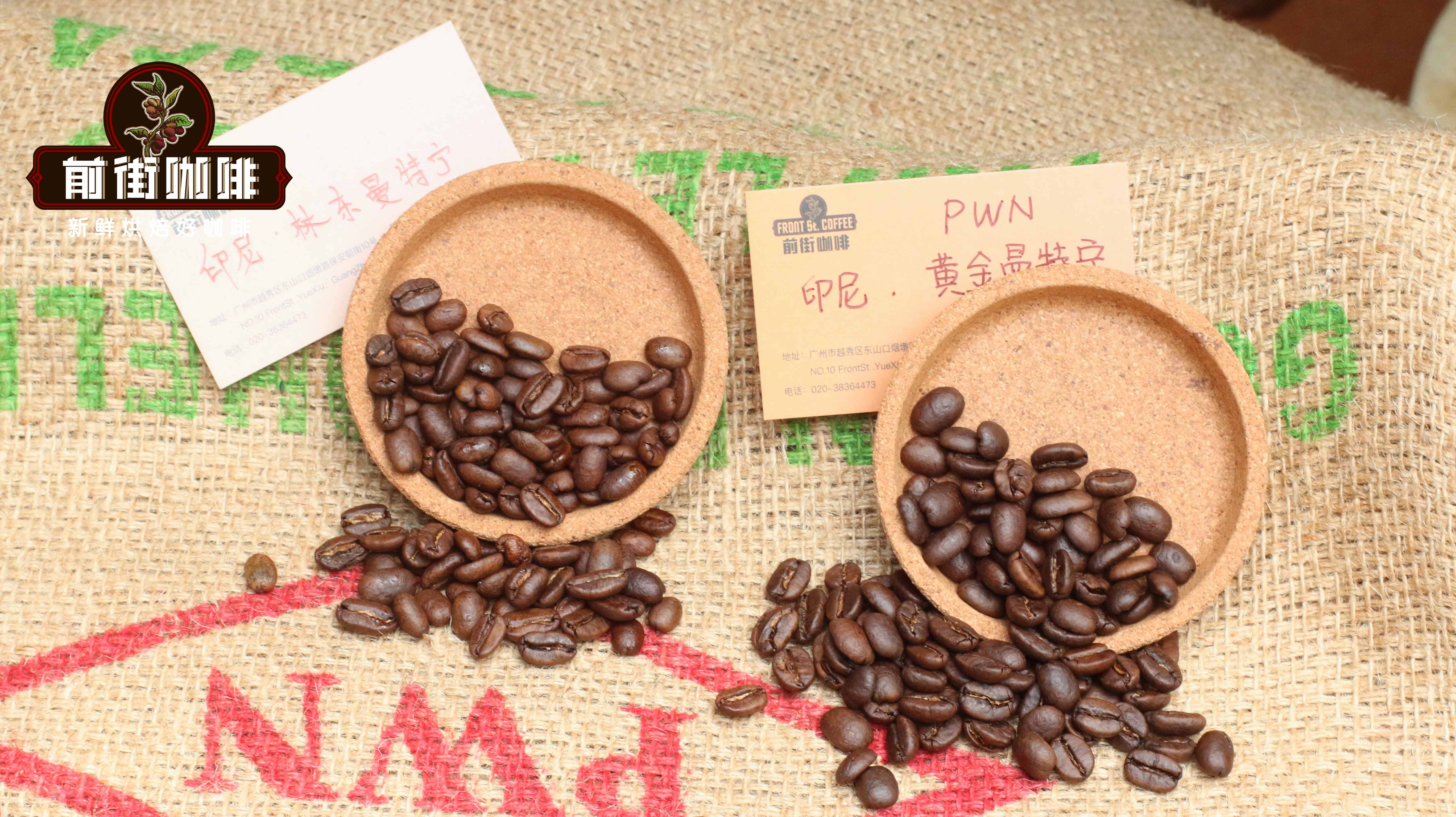
The Birth of Indonesian Sun-Dried Mandheling: Processing Methods and Flavor Analysis of Wahana Estate
Mandheling coffee is traditionally known for its wet-hulled process, but under Indonesia's humid climate conditions, a sun-dried Mandheling has surprisingly emerged. The Wahana Estate on the shores of Lake Toba in Sumatra, after repeated trials, finally succeeded in creating Asia's first sun-dried Mandheling by combining sun-drying with mechanical drying. This article will guide you through the geographical environment of the Wahana Estate, the evolution of its processing methods, and the cupping flavors and brewing parameters of Front Street's Wahana sun-dried Mandheling, so you can experience the unique charm of this distinctive Mandheling. [more…]
A Complete Guide to Ethiopia Sidama Coffee Region: Flavor Profile, Natural Processing, and the Huakui Variety
Sidamo and Yirgacheffe both belong to Ethiopia's famous specialty coffee regions, yet they present distinctly different flavor profiles. Yirgacheffe is known for its bright citric acidity and jasmine floral notes, while Sidamo offers a fuller, heavier mouthfeel with juicy body and intense floral-fruity aromas. This article provides a comprehensive overview of Sidamo's altitude, soil, microclimate, and other terroir conditions, explains in detail the process flow of the natural sun-dried method, and focuses on the Huakui coffee from Hambela in the Guji region—from the TOH champion batch to the origin of the name "Huakui," and then to the logic distinguishing the 3.0 through 6.0 vintage versions. It also includes Front Street Coffee's brewing parameter recommendations and freshness management insights, helping coffee enthusiasts gain a more complete understanding of this region's unique charm. [more…]

Ethiopia Yirgacheffe: Origin of the Name, Washed vs. Natural Flavor Differences, and Front Street Coffee Brewing Guide
Yirgacheffe is a classic region well known to coffee lovers worldwide, located on the eastern edge of the East African Rift Valley at elevations of 1800-2000 meters, famous for its floral and citrus flavor notes. This article begins with the meaning of the name Yirgacheffe, explains in detail how the natural (sun-dried) and washed processing methods affect coffee flavor, introduces Front Street Coffee's recommended Gutiti Cooperative washed beans and Red Cherry natural beans, and finally includes Front Street Coffee baristas' pour-over extraction parameters and steps to help you easily brew the excellent flavors of Yirgacheffe. [more…]
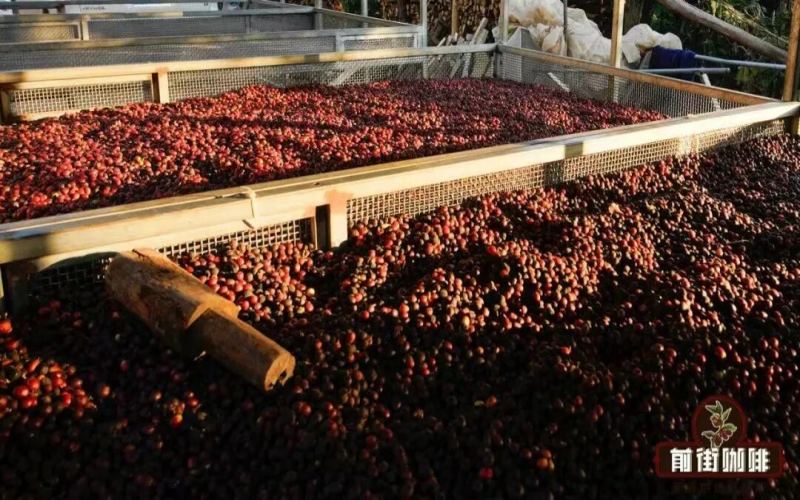
Introduction to Coffee Bean Processing Methods|How Do Sun-Dried and Washed Coffee Beans Differ in Taste? What Causes the Flavor Differences Between Sun-Dried and Washed Coffee Beans?
If you've been following the event notifications over the past couple of days, you may have noticed that Front Street has launched a washed-process Emerald Estate · Diamond Mountain at both of its stores on 🍑Bao and Tian🐱. Then some friends got very curious: "They're both Diamond Mountain—what's the difference between this washed-process one and the sun-dried one that was listed before? And then [more…]

Ethiopian Specialty Beans | Why Is the Sidamo Natural Sun-Dried Huakui Coffee So Popular? A Highly Cost-Effective Arabica Coffee Bean Recommendation Every Beginner Must Buy
Huakui is a specialty Arabica coffee bean that every beginner must try. It comes from Hambella in the Guji region (GUJI) and is processed by the Buku Abel washing station here, and it is famous for the classic Ethiopian floral and fruity aroma in its flavor profile. Buku Abel is located at an altitude of 22 [more…]
Why did naturally processed coffee beans carry the label of inferior beans for so long? The rise of specialty natural coffee seen through the evolution of processing methods
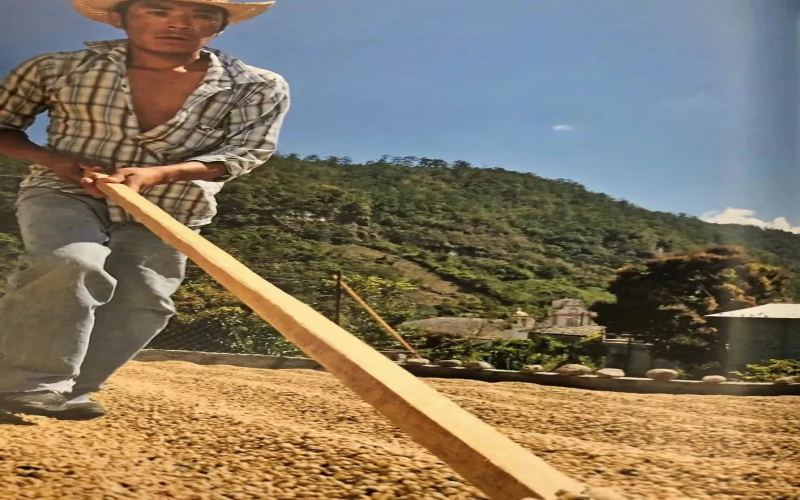
In coffee circles, one often hears a claim: naturally processed beans were long ago classified as second-grade beans. This sounds a bit unbelievable—how could beans be ranked as superior or inferior simply because of different processing methods? To answer this question, we need to turn the clock back several centuries. From coffee's first appearance on the stage of history in 1400 to the gradual spread of washed processing by 1850, the natural method went through a long process from being the only mainstream approach to being stigmatized. This article sorts out the historical thread of natural processing, reconstructs why it once became synonymous with inferior goods, and how it was later rehabilitated by brands such as Edido Misty Valley and 90+. Front Street Coffee will also use the case of Harar coffee to help you understand the flavor potential and real-world dilemmas of natural beans. [more…]
Yunnan Small-Bean Coffee Variety and Producing Region Analysis with a Cold Brew Guide: From Front Street Sun-Dried Typica to Catimor Flavor Comparison
The history and present of Yunnan small-bean coffee is far richer than one might imagine. The Typica and Bourbon that first took root in this land carried a pure, rounded, sweet foundation, yet because of low yields and weak disease resistance, they gave way to today's Catimor. Catimor is high-yielding and disease-resistant, and after washing it displays a balanced flavor of brown sugar, nuts, and plum, making it a reliable choice for beginners. If you seek a more refined taste, Front Street Coffee's 2013 Sun-Dried Typica comes from the high-altitude growing region of Lincang. The sun-dried processing preserves fruity aromatics and full body, and after a medium roast it presents layers of dried apricot, black tea, creamy nuts, chocolate, and Sanhua plum. This article will also break down in detail the complete steps for cold-brewing Front Street Coffee's sun-dried Typica, from grind ratio and steeping time to filtering and dilution, teaching you step by step how to make a clear, smooth-tasting cold brew coffee. [more…]

How Do Washed and Natural Coffee Beans Differ? A Clear Explanation from Silver Skin and Color to Flavor
Faced with a dazzling array of coffee beans, how can you quickly tell whether they are sun-dried or washed? In fact, as long as you grasp the basic processes of the two processing methods, and then combine them with the color of green beans, the silver skin of roasted beans, and the performance in the cup, you can easily distinguish them. The sun-dried method has a long history and relies on natural drying, so sugars easily seep into the bean surface; the washed method uses water tank screening and soaking to give coffee a cleaner tone. This article will start from the processing steps and compare one by one the differences between sun-dried and washed in green beans, roasted beans, and flavor, and use Front Street Yirgacheffe Sun-Dried Red Cherry and Washed Gudingding as examples to provide specific brewing comparisons, helping you quickly establish a basis for judgment in daily tasting. [more…]
Colombian Sidra Coffee Beans | Flavor Characteristics of Anaerobic Fermentation Sun-Dried Sidra Coffee Beans and Introduction to the Sidra Coffee Variety
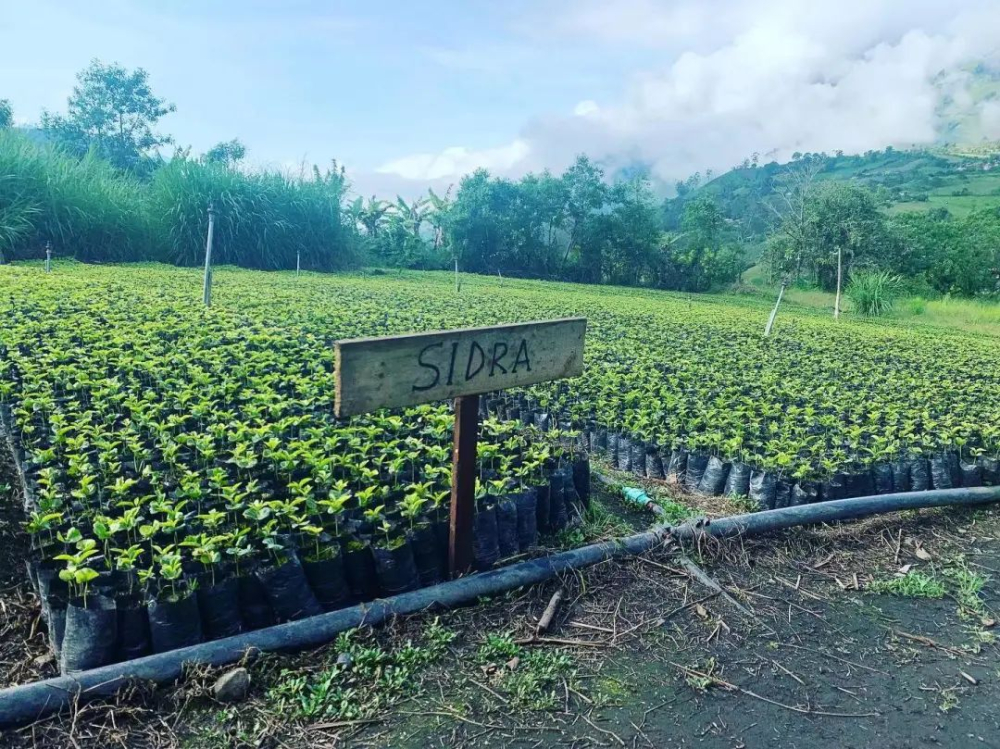
"Variety" is another consideration some friends use when selecting coffee beans, in addition to flavor and origin. Sidra, transliterated from "Sidra," also known as "Sydra" or "Bourbon Sidra." In Spanish, Sidra means "apple juice." [more…]